



Rustic Oak Frame Mirror
A rustic oak frame mirror brings tactile warmth and heavy timber character to an interior, built from stout woods and fitted with clear glass.
Rustic Oak Frame Mirror
When you search for a rustic oak frame mirror, you encounter sturdy wall-hanging and leaner mirrors fashioned from durable timber. These pieces span centuries of design, with nineteenth-century examples and earlier periods frequently appearing.
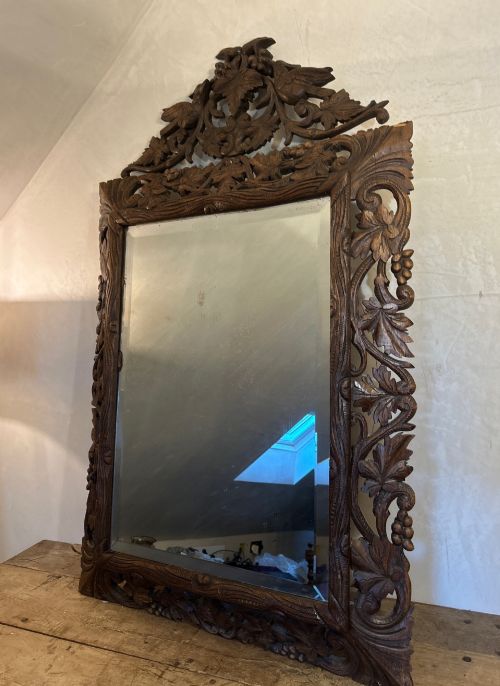
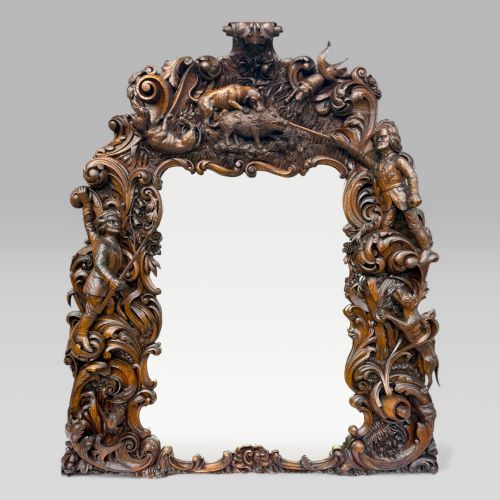
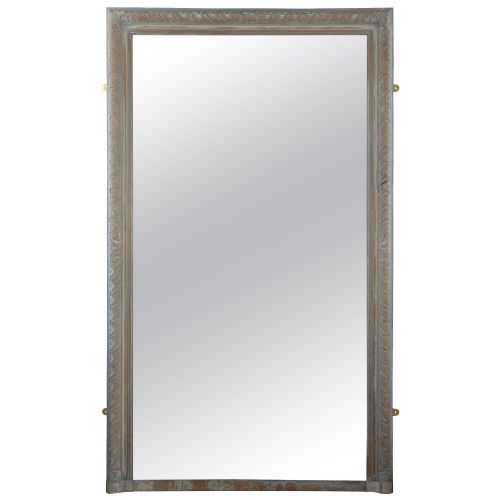
The selection on this page shows considerable variety in form and regional style, ranging from heavy overmantles to simpler wall-hung frames. You meet English country pieces alongside French Renaissance Revival and Black Forest examples, reflecting diverse domestic traditions.
Makers utilised solid oak to create robust mouldings, sometimes pairing the timber with metallic accents or fret-cut details. These variations mean you find everything from unadorned country frames to elaborately carved hunting lodge overmantles.
How they were made
Carpenters constructed these frames using solid oak, often employing hand-carving techniques to shape deep floral motifs, hunting scenes or geometric patterns into the timber. Bleached and scrubbed finishes appear alongside darker polished surfaces, altering the visual weight of the wood.
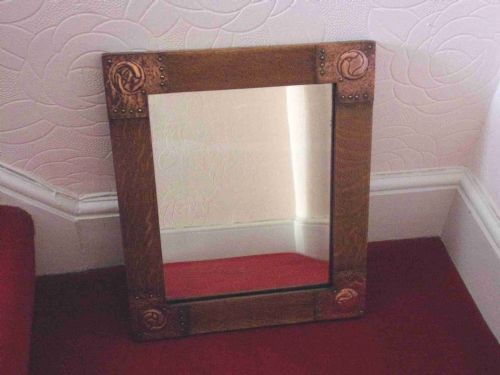
Workshops integrated other media into the timber structures, mounting hand-beaten copper decorations with Celtic knot motifs and fixing brass elements to the frames. Mirror glass was then set securely into the rebated backs of these heavy wooden constructions.
Listings span from the 18th century through to the Edwardian period, featuring oak, bleached wood, brass, copper and mirror glass.
What varies in quality
The depth and clarity of the carving dictate much of the character in these pieces, separating simple workshop output from deeply undercut, sculptural work. Sharp detailing in foliage and figures shows the skill of the hand that shaped the oak.
Proportion and timber selection also divide the standard range from exceptional items, particularly in very large wall-hung formats and overmantles where maintaining structural integrity matters. The choice of quarter-sawn oak and the integration of decorative metalwork determine the overall presence of the frame.
The Rustic Oak Frame Mirror Glossary
- Overmantle
- A large mirror designed to hang directly above a fireplace mantelpiece. These pieces often feature extended horizontal proportions and substantial frames.
- Leaner mirror
- A tall mirror built to stand supported against a wall rather than hang from brackets. They utilise their own weight and substantial frames for stability.
- Fret cut
- A decorative technique where thin wood is pierced and sawn into intricate openwork patterns. This method creates light, ornamental borders around the glass.
- Black Forest
- A nineteenth-century carving style originating in the mountainous region of Germany, noted for naturalistic depictions of animals and foliage. These frames display deep, dramatic relief work in dark wood.
- Celtic knot
- An interlaced decorative band forming continuous loops, frequently found on Arts and Crafts metalwork. This motif appears on applied copper details within the frame.
Rustic Oak Frame Mirror: Frequently Asked Questions
Where should I hang a large oak mirror?
These heavy frames suit prominent locations like living room chimney breasts or spacious hallway walls where they can anchor the room. Ensure your wall fixings are robust enough to support the substantial weight of solid timber and glass.
Position the mirror to reflect natural light from windows, which brightens darker corners and creates a sense of greater depth in smaller spaces. Consider the surrounding furniture scale to maintain visual balance.
How do I clean an antique oak frame?
Dust the carved wooden surface regularly with a soft, dry cloth to prevent dirt settling into the recesses of the relief work. Avoid using harsh commercial polishes that can build up a greasy residue on the aged timber.
Apply a traditional beeswax sparingly if the oak appears dry, buffing it gently to maintain a soft natural sheen. Keep moisture away from both the wood and the edges of the mirror plate.
What defines Arts and Crafts oak mirrors?
Arts and Crafts pieces emphasise honest construction, visible grain and handcrafted details rather than applied historical revival styles. You often notice thoughtful touches like hammered copper strapwork or pinned joints.
These designs emerged around the turn of the twentieth century, favouring simpler architectural lines combined with artisanal metal decorations. They fit well in interiors that value straightforward materials and craftsmanship.
How do I date an antique oak frame?
Examine the construction methods visible on the reverse of the frame, including joinery techniques and the type of fixings holding the glass. Hand-cut elements and older-style backing boards generally point towards nineteenth-century or earlier origins.
Stylistic clues such as the heavy ornamentation of French Renaissance Revival or the linear restraint of the Edwardian period help narrow down the decade. Comparing the carving depth and timber patination offers further context for the age.