
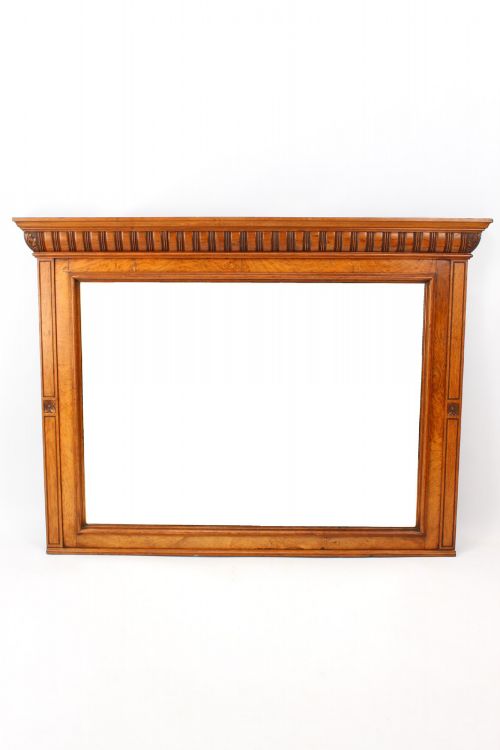



Traditional Oak Overmantel Mirror
A traditional oak overmantel mirror anchors a chimney breast with heavy timber warmth, bringing period depth and architectural presence to a room.
Traditional Oak Overmantel Mirror
A traditional oak overmantel mirror is a substantial timber-framed glass panel designed to sit directly above a fireplace mantel. The selection includes Victorian, Edwardian, and early twentieth-century examples alongside specific forms like triple mirrors and fire surrounds.
Buyers will encounter various interpretations spanning styles such as Jacobean Revival, Tudor Revival, and French Provincial. These pieces utilise sturdy wood construction to frame reflecting glass plates above hearths in period interiors.
How they were made
Maker construction relies heavily on solid oak timber frames, sometimes paired with walnut accents, giltwood details, or painted surfaces. Artisans shaped these heavy woods through period joinery methods to support large mirror plates.
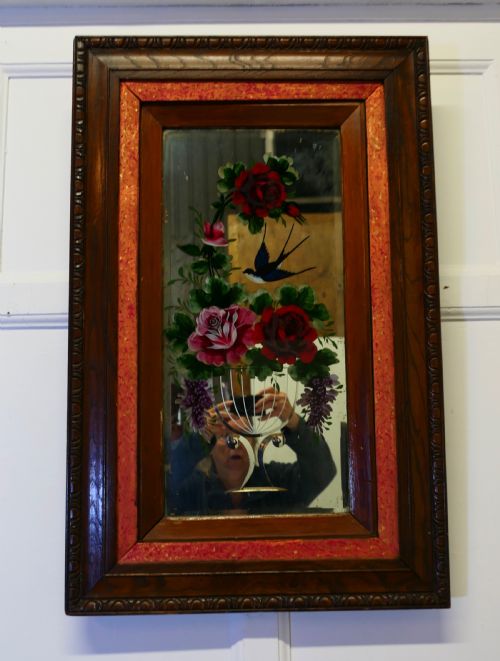
Surface treatment often involves carved ornamentation, reverse painting, and etching directly onto the glass. These decorative techniques range from floral rose motifs to deeply carved wooden motifs characteristic of revival styles.
The listings span Victorian, Edwardian, and early twentieth-century periods, featuring oak, walnut, giltwood, and reverse-painted glass.
What varies in quality
Quality rests upon the depth and crispness of the timber carving, distinguishing simple geometric mouldings from deeply articulated Jacobean or Tudor revival decoration. The choice of secondary woods and the integration of walnut or giltwood elements also signal finer workmanship.
The integrity of the mirror plate itself establishes grade, particularly where reverse painting, etching, or bevelled glass is employed. Superior examples maintain original glass and harmonious frame proportions that suit substantial mantelpieces.
The Traditional Oak Overmantel Mirror Glossary
- Overmantel mirror
- A large wall glass specifically proportioned to hang on the chimney breast immediately above a mantelpiece or fire surround.
- Mirror plate
- The sheet of glass coated with a reflective substance to create the mirror surface. Older plates often show subtle foxing and age spots.
- Jacobean Revival
- A nineteenth and twentieth-century style imitating seventeenth-century English furniture. It uses heavy oak, geometric moulding, and strapwork.
- Reverse painting
- A decorative technique where the artist paints directly onto the back of the glass. This method preserves the pigmented design beneath a smooth glossy surface.
Traditional Oak Overmantel Mirror: Frequently Asked Questions
What is the difference between a wall mirror and an overmantel mirror?
Overmantel mirrors are traditionally proportioned to match the horizontal width of a fireplace mantel. Their frames often feature specific weight distribution for resting partly on the shelf.
Standard wall mirrors lack this horizontal emphasis and are built to hang freely at eye level in hallways or reception rooms.
How do I clean an antique mirror plate?
Use a soft microfiber cloth with plain water or a mild vinegar solution applied to the cloth rather than directly to the glass. This prevents moisture seeping behind the silvering.
Avoid commercial ammonia-based cleaners which can damage aged mirror backing and eat into the surrounding oak timber.
Can these mirrors be placed directly on a mantel shelf?
Many period overmantel mirrors were designed to rest their weight on the mantel shelf while being anchored to the wall for safety. Check the bottom edge of the frame for flat surfaces intended to bear weight.
Wall-hanging brackets should still be utilised to prevent the tall timber frame from tipping forward.