

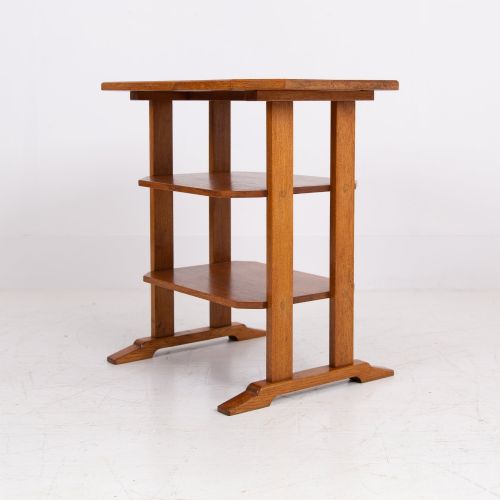
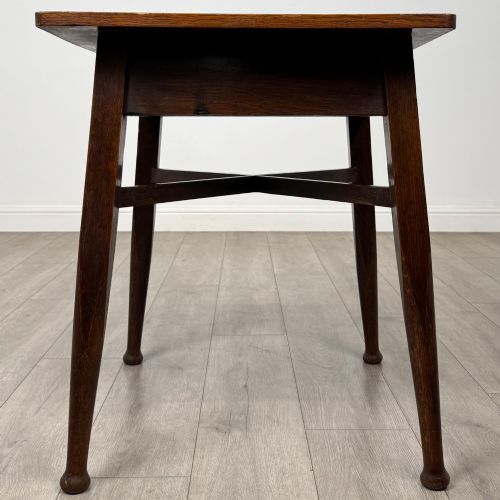
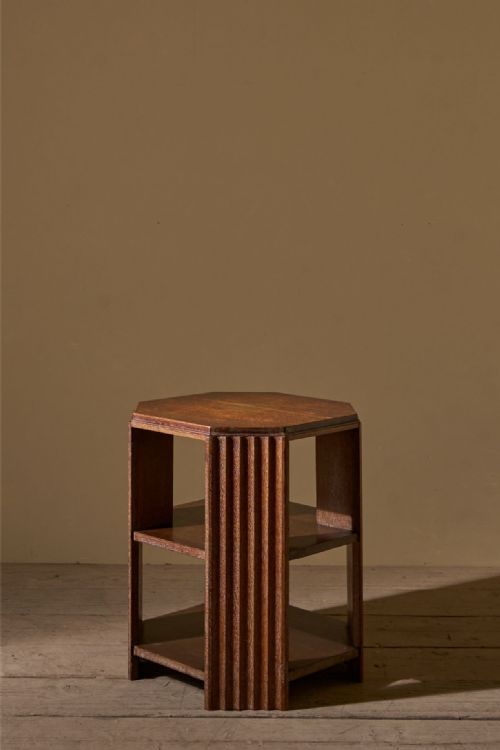
Vintage Oak End Table
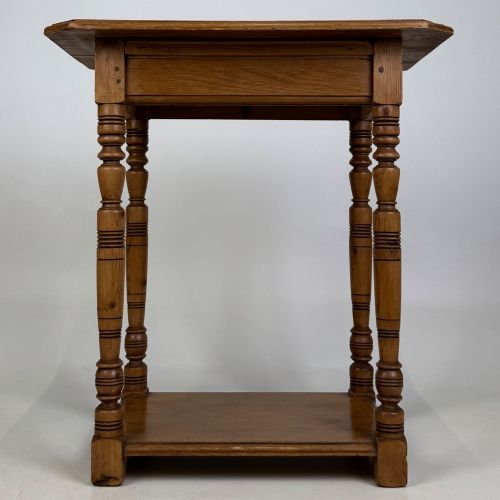
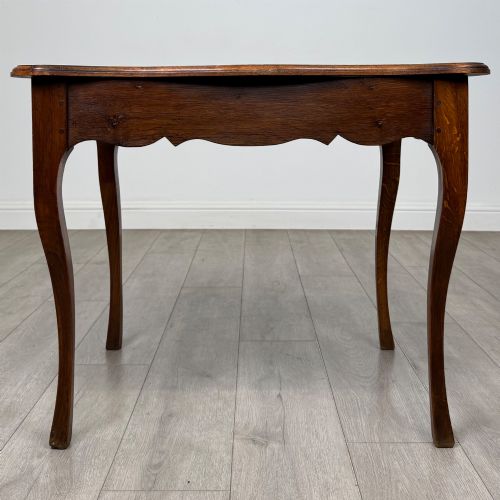
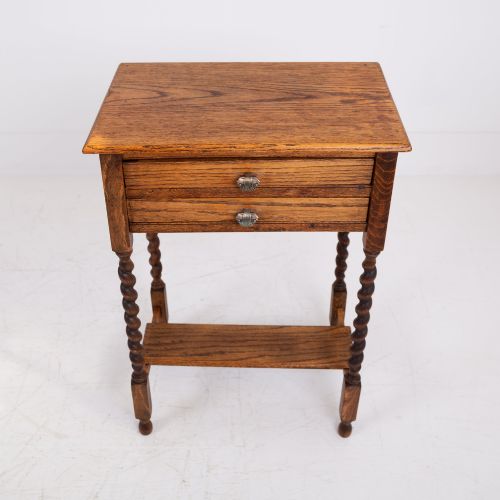
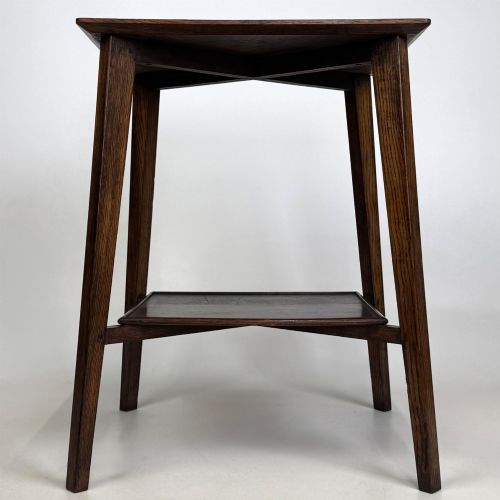
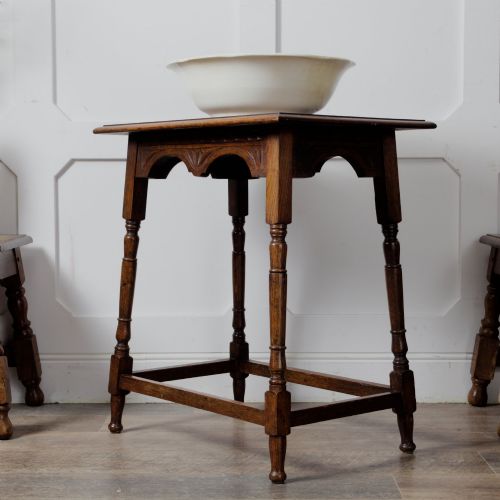
A vintage oak end table brings warmth and solid timber grain to a room, functioning as a practical surface beside a chair or sofa.
Vintage Oak End Table
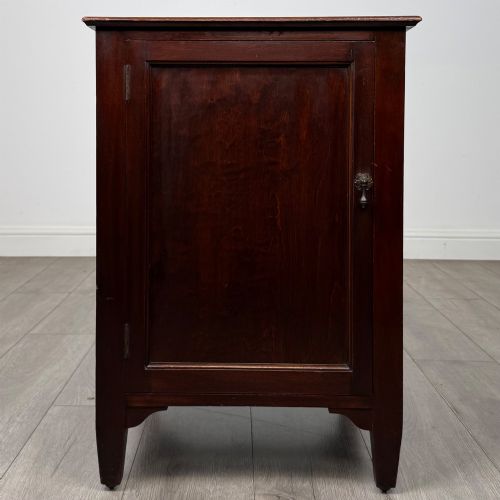
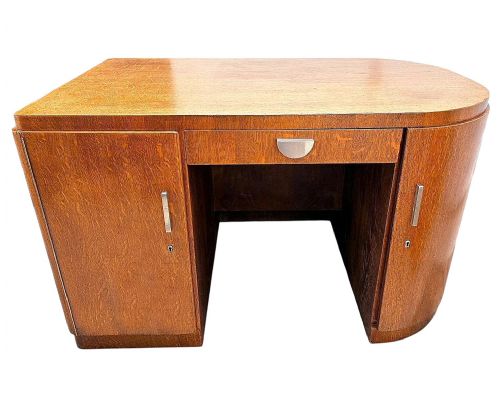
A vintage oak end table is typically found in side table, occasional table, and lamp table formats dating from the late nineteenth century through to the Art Deco period. These items range from simple golden oak surfaces to carved Edwardian designs and modernist pieces.
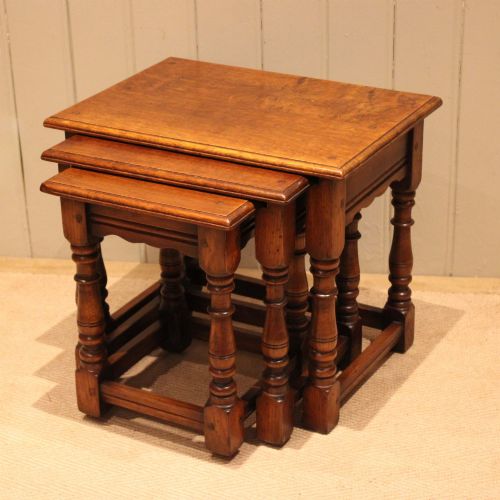
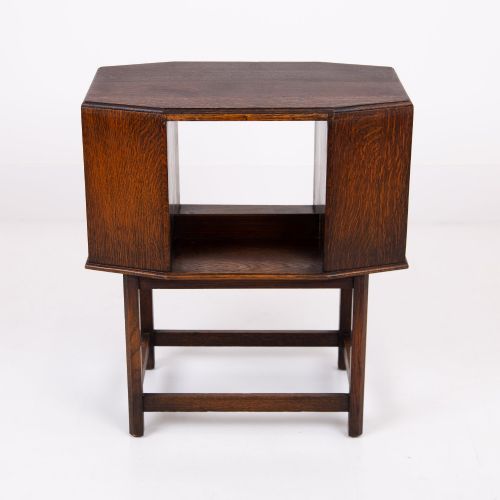
Buyers encounter numerous Edwardian and 1920s examples constructed in solid or stained timber. Forms span simple square tables to nests of three tables and tiered shelving units suited to compact spaces.
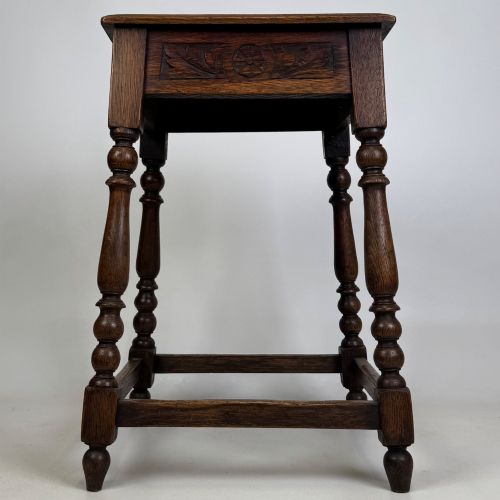
Stylistic influences vary across the selection, encompassing Jacobean Revival carving, Arts and Crafts simplicity, and clean Art Deco lines. Such variety ensures a piece fits comfortably beside period upholstery or contemporary seating.
What varies in quality
Quality rests in the selection of timber, distinguishing plain commercial boards from richly figured golden oak, burr oak, or quarter-sawn stock with pronounced medullary rays. The crispness of hand-carved detailing, such as chip carving or barley twist turns, separates standard production items from finer workshop pieces.
Structural integrity defines the upper tier, where tight joinery, substantial timber thickness, and original hardware remain intact without excessive timber movement or loose joints.
Vintage Oak End Table Retail Price Guide 2026
Typical asking prices for vintage oak end table among the pieces listed under this phrase on Sellingantiques today, from the lower quarter to the upper quarter. They describe what is for sale here now, not the wider market.
Listings feature oak, brass, iron, and chrome materials across Edwardian, Art Deco, and Victorian periods.
The Vintage Oak End Table Glossary
- Jacobean Revival
- A nineteenth and twentieth-century style imitating seventeenth-century English furniture. It employs heavy turned legs, dark finishes, and geometric panel carving.
- Arts and Crafts
- A design movement prioritising honest construction, visible joinery, and natural materials. Pieces in this style often display plain oak surfaces and simple functional forms.
- Limed oak
- A finishing technique involving a white pigment rubbed into the open grain of oak. This process lightens the timber while accentuating the natural texture.
- Quarter-sawn
- A method of cutting logs perpendicular to the growth rings. This technique produces stable boards with distinct figuring known as medullary rays.
Vintage Oak End Table: Frequently Asked Questions
What is a vintage oak end table?
A vintage oak end table is a small occasional surface designed for placement beside seating, utilised for lamps, books, or drinks.
These pieces originate predominantly from the late Victorian, Edwardian, and Art Deco eras, constructed from solid timber.
How do I date an oak table?
Dating relies on stylistic clues, construction methods, and timber finishes characteristic of specific decades. Edwardian pieces often show machine turning or simple carving, while 1930s examples favour cleaner modernist lines.
Hardware, screw types, and secondary woods offer further evidence of manufacture age.
Where should I place an end table?
These compact tables fit beside sofas, armchairs, or beds to hold reading material and lighting. Their modest footprint suits hallways and corners as lamp stands.
Different stylistic periods mix readily with modern interiors to add texture and history.
What is limed oak?
Limed oak is a treated timber surface where a white paste or paint fills the open pores of the wood. This accentuates the natural grain pattern while giving the piece a lighter appearance.
Art Deco and modernist makers frequently utilised this finish.
Are these tables solid oak?
Many examples are constructed from solid oak or regional hardwoods, though certain periods incorporated veneered panels on table tops. Examining the grain continuity across edges helps determine construction methods.
Durability remains high across the selection due to sturdy period joinery.