


Vintage Music Storage Cabinet
A vintage music storage cabinet organises scores and sheets, offering period timber work and tailored drawers for the home.
Vintage Music Storage Cabinet
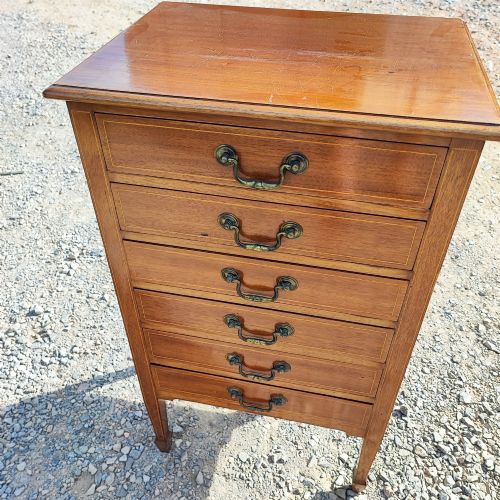
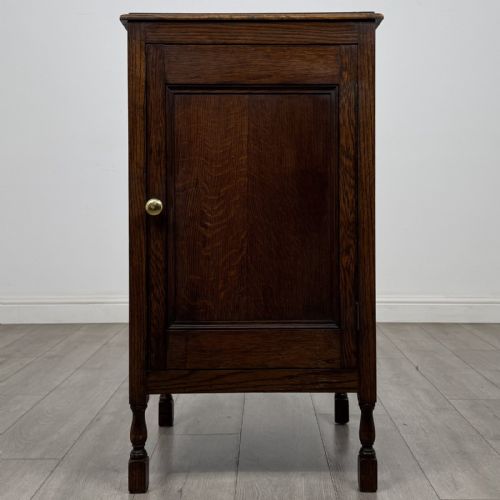
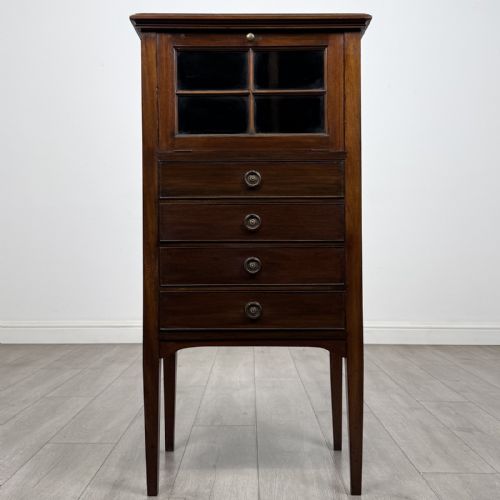
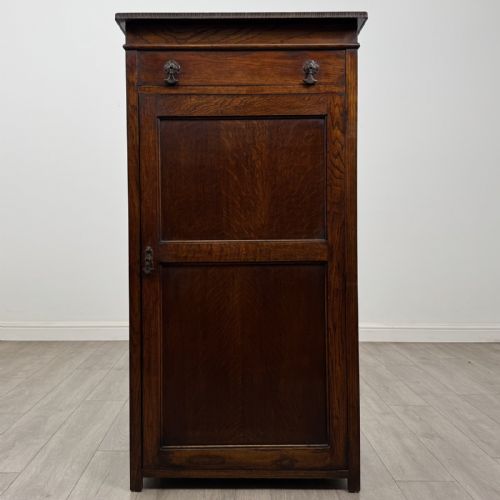
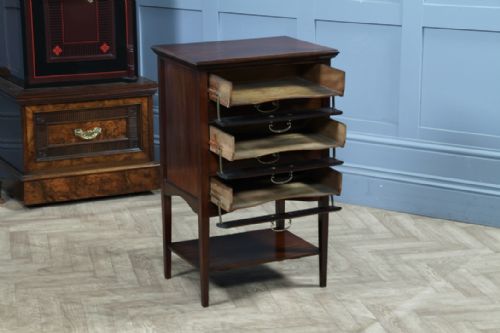
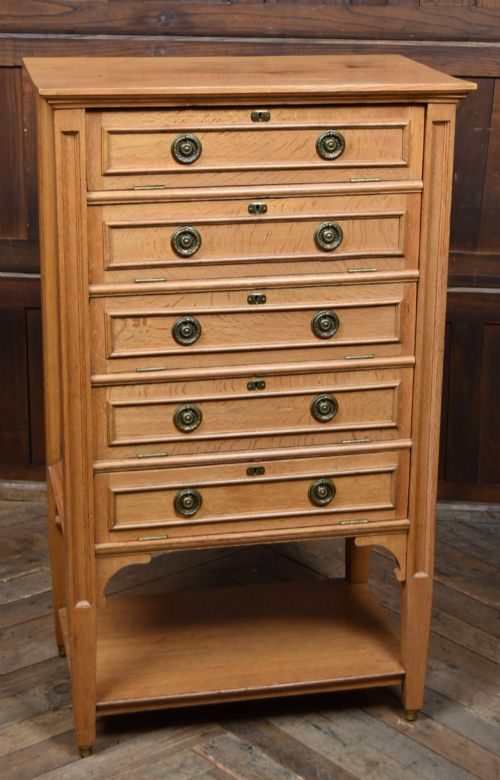
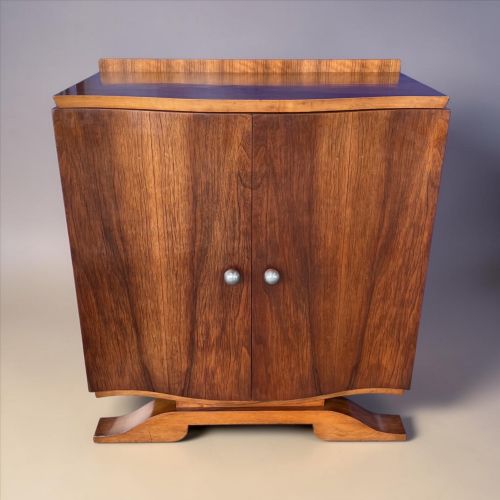
A vintage music storage cabinet serves to house sheet music, folios, and small scores within compartmentalised drawers or drop-front drop drawers. These pieces emerge across several periods, from late Victorian and Edwardian iterations through to Art Deco and 1930s designs.
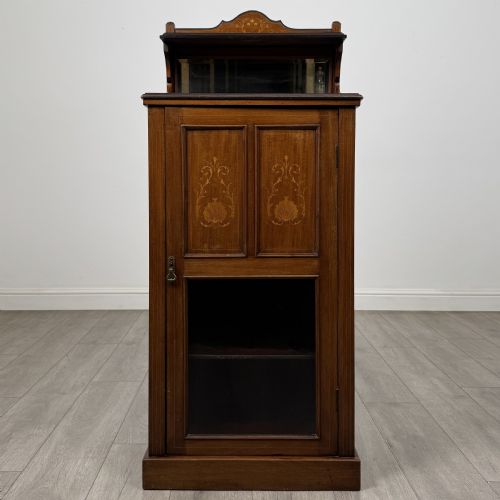
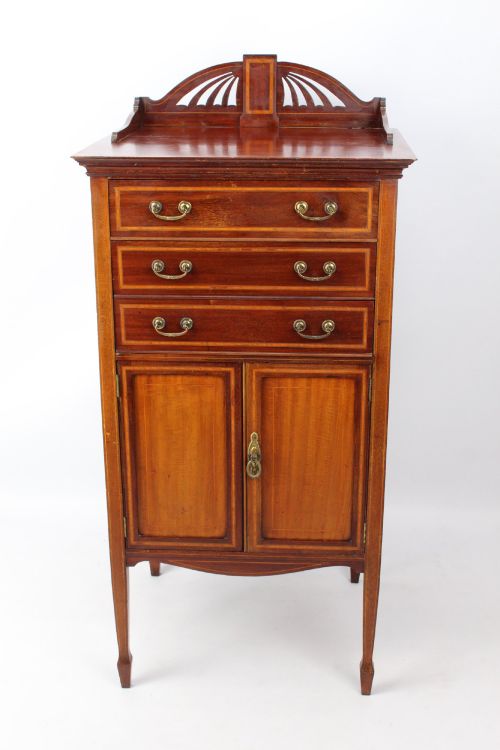
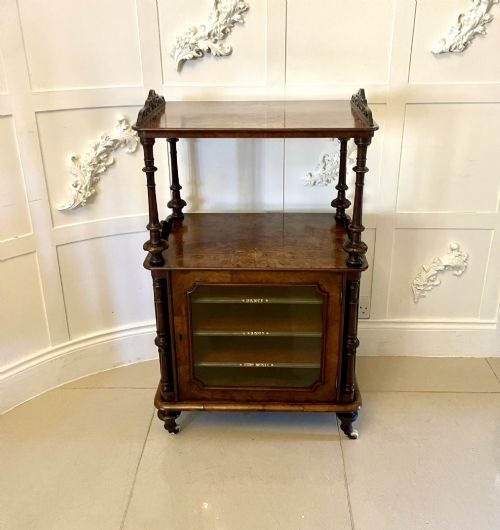
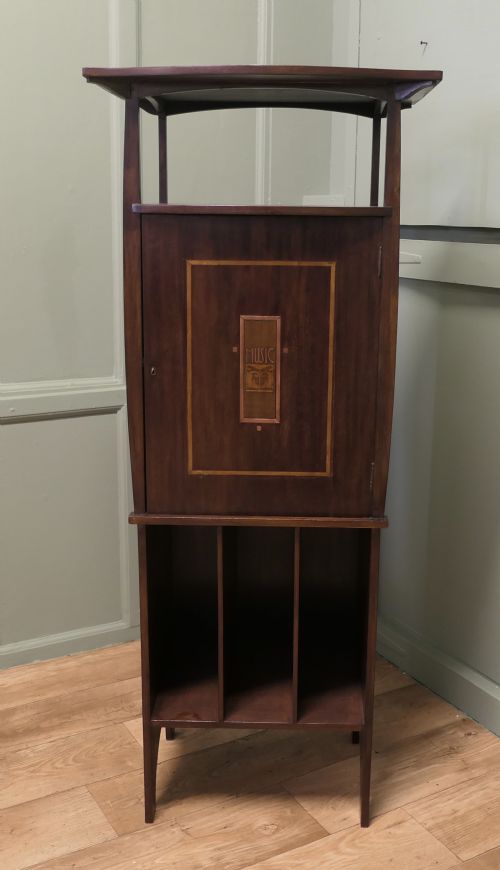
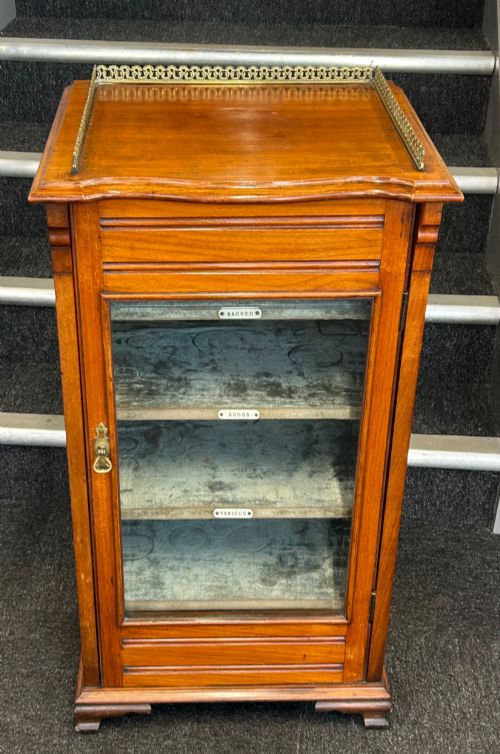
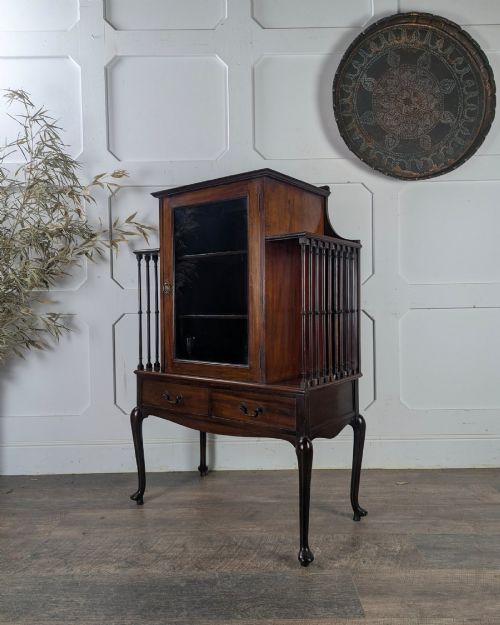
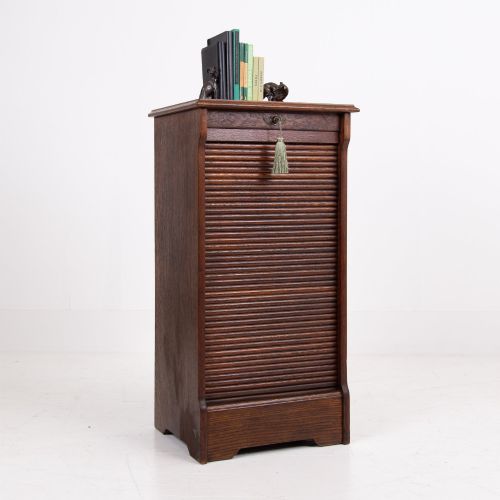
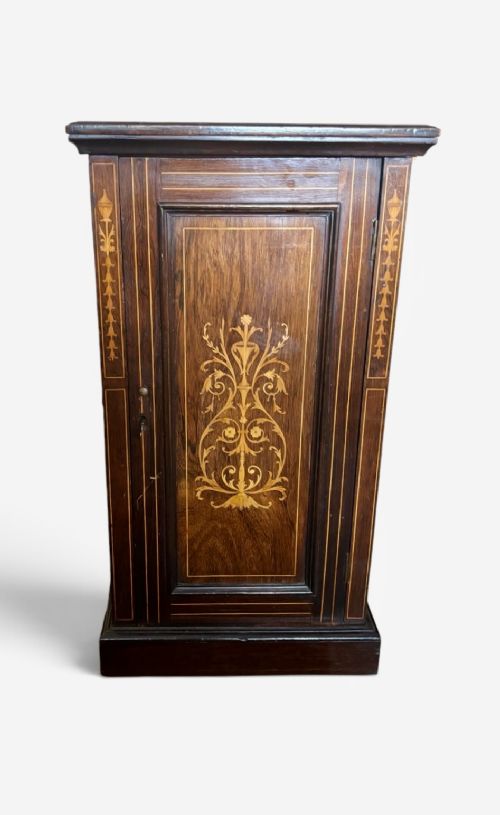
The version most commonly met on this page is the Edwardian mahogany music cabinet, frequently detailed with fine inlay, satinwood banding, or glazed doors. Alongside these, examples span oak, burr walnut, and rosewood, encompassing formats like narrow side cabinets, piano stools, and tambour-front filing furniture.
Makers and workshops of the era produced these cabinets to suit contemporary drawing rooms and music parlours, utilising timber carcasses fitted with dedicated shelving. Surviving examples reflect both utilitarian filing needs and decorative Arts and Crafts or Art Nouveau aesthetics.
Materials and construction methods
Cabinet makers constructed these pieces primarily using solid timbers and veneers of mahogany, walnut, and oak, frequently embellished with brass hardware and delicate stringing. Workshops employed traditional joinery techniques to build sturdy carcasses capable of supporting heavy paper collections.
Surface decoration involved marquetry inlay, painted motifs, and polished French polish finishes that highlighted the natural grain of mahogany and satinwood. Certain forms incorporated specialised elements such as tambour doors, drop fronts, and glazed display panels to secure the interior.
Vintage Music Storage Cabinet Retail Price Guide 2026
Typical asking prices for vintage music storage cabinet among the pieces listed under this phrase on Sellingantiques today, from the lower quarter to the upper quarter. They describe what is for sale here now, not the wider market.
Listings feature mahogany, oak, walnut, rosewood, and satinwood across Edwardian, Victorian, Arts and Crafts, and Art Deco styles.
Distinctions in craftsmanship and finish
Quality separates cabinets through the precision of their timber selection, such as figured mahogany or burr walnut, matched against simpler plain woods. Finer examples display meticulous marquetry inlay, original brass handles, and sophisticated interior fittings rather than basic utility construction.
The integrity of the internal drawer construction and the smoothness of drop-front mechanisms indicate higher standards of workshop production. Pieces bearing recognisable maker labels or distinct artistic styles like Arts and Crafts or Art Nouveau generally command greater attention.
GM Elwood for JS Henry·Denby & Spinks·Keeble London
The Vintage Music Storage Cabinet Glossary
- Tambour door
- A flexible door formed of narrow strips of wood glued to canvas, allowing it to slide smoothly around a curved track. This mechanism appears frequently on oak filing and music cabinets.
- Marquetry
- Decorative woodwork where pieces of contrasting veneer are fitted into a design on the carcass surface. Craftsmen applied this technique extensively on Edwardian and Victorian mahogany cabinets.
- Stringing
- Thin inlaid lines of contrasting timber used to outline panels, drawers, and borders on cabinet doors. This subtle detail defines much of the inlaid Edwardian furniture on this page.
- Folio cabinet
- A specialised piece of furniture designed to hold large, unbound sheets of paper or musical scores flat. These range from simple oak office pieces to elegant inlaid mahogany designs.
Vintage Music Storage Cabinet: Frequently Asked Questions
What fits inside a vintage music cabinet?
These cabinets suit sheet music, folios, and loose papers within their shallow drawers or drop-front compartments.
Collectors also utilise them to organise documents, art prints, and small household items while maintaining period character.
How do I distinguish Edwardian from Victorian models?
Victorian examples often employ darker rosewood or black walnut with heavier proportions and dense marquetry.
Edwardian pieces tend toward lighter mahogany and satinwood finishes with refined stringing and airier proportions.
Were these cabinets used only for music?
While originally built for sheet music and scores, many served multipurpose roles as filing cabinets or folio storage.
Their compartmentalised interiors adapted easily to offices and drawing rooms alike for general paper management.
How do I care for a polished timber cabinet?
Maintain the finish by dusting with a dry, soft cloth and avoiding placement near direct heat sources or strong sunlight.
Periodic application of appropriate wax polish preserves the lustre of mahogany, walnut, and oak surfaces.