


Vintage Mule Chest
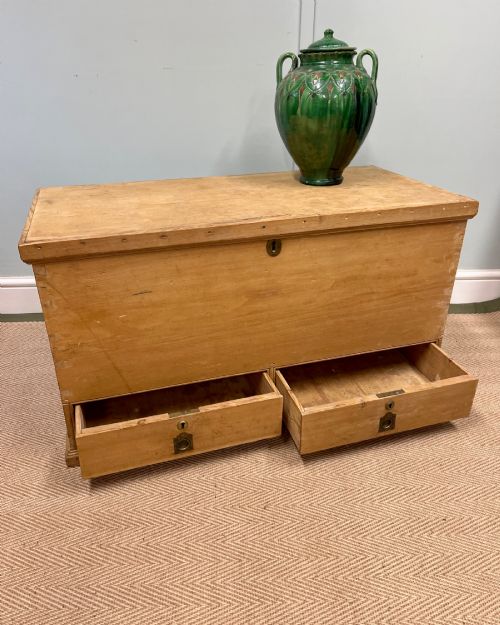
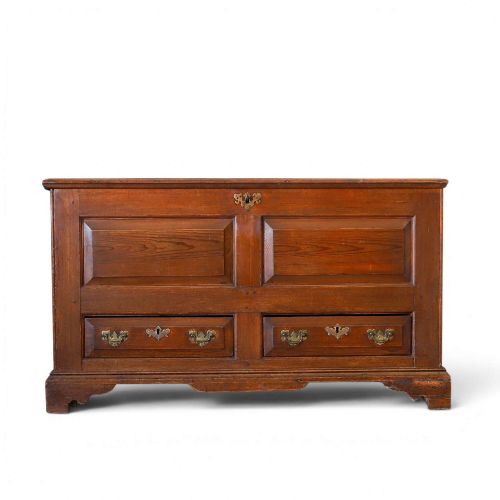
A vintage mule chest offers a deep storage box with drawers beneath, combining the utility of a coffer with the access of a chest of drawers.
Vintage Mule Chest
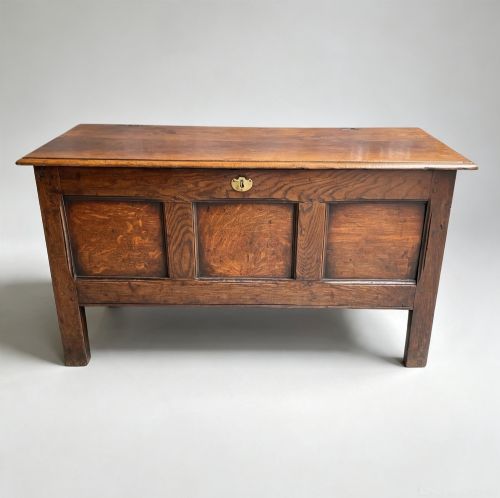
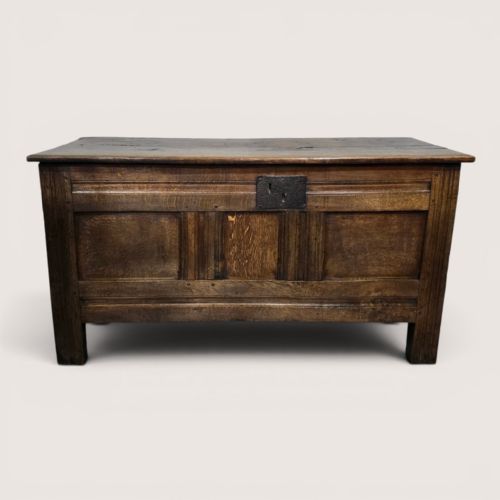
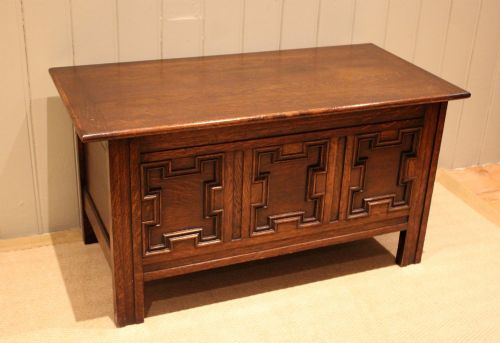
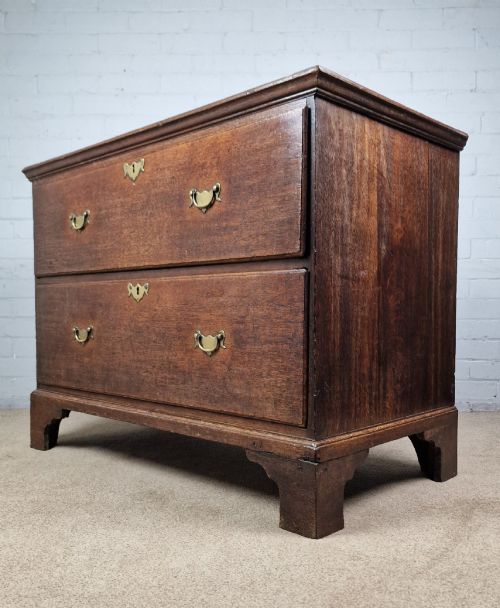
A vintage mule chest provides a substantial storage solution originating primarily from the eighteenth and nineteenth centuries. These pieces bridge the gap between a traditional blanket box and a chest of drawers by mounting one or more drawers beneath the main upper compartment.
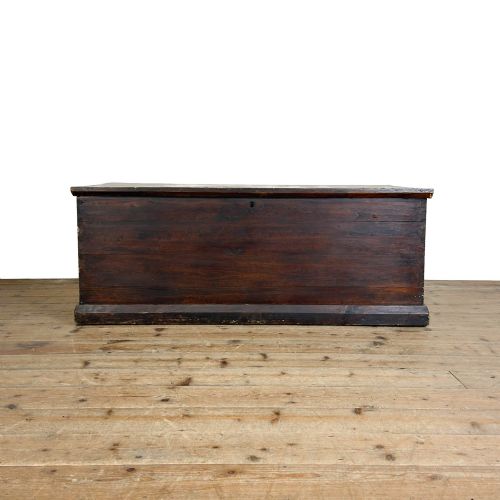
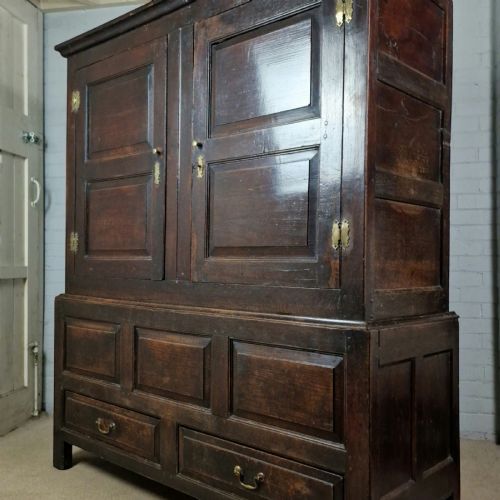
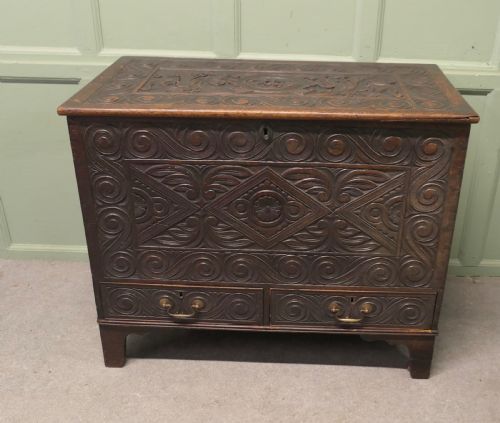
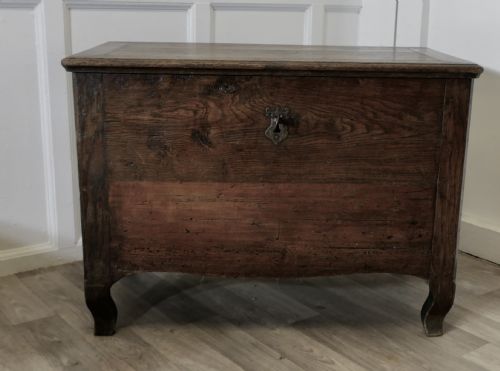
Most examples found in this selection are constructed from solid oak or pine, displaying regional English, Welsh, or French country characteristics. Forms range from compact cottage sizes to grander four-panel designs intended for heavy domestic storage.
The aesthetic leans towards functional utility, often incorporating straightforward carpentry alongside occasional decorative carvings such as green man motifs or panelled fronts. Collectors encounter these pieces functioning as fireside bins, blanket chests, or hallway storage.
How they were made
Construction relies heavily on solid oak and pine timbers, joined using traditional techniques suited to heavy domestic use. Carpenters utilised panels and frames to allow the wood to expand and contract naturally through changing seasons.
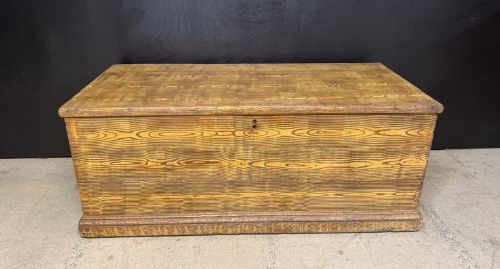
Hardware such as hinges, handles, and lock plates are typically forged from iron or brass, securing lids and drawer fronts. Surfaces were finished simply, leaving the natural grain of the timber exposed or occasionally treated with paint.
Structural integrity depended on robust joints, dovetailed drawer construction, and sturdy plinths or feet to support the weight of stored textiles and household goods.
What varies in quality
The standard of timber selection and the retention of original surfaces heavily influence the calibre of each piece. Superior examples display dense, well-figured grain and minimal replacement of structural parts over centuries of use.
The refinement of the joinery and carving separates utilitarian workshop pieces from finer country house commissions. Smooth drawer operation and well-fitted internal components indicate careful initial manufacture and considered upkeep.
The Vintage Mule Chest Glossary
- Mule chest
- A storage chest featuring one or more drawers placed beneath the main lifting lid compartment. This hybrid form emerged to provide easier access to belongings without disturbing items stacked on top.
- Coffer
- A heavy wooden box with a lid, used historically for storing valuables, documents, or textiles. These precursors to the mule chest often lacked bottom drawers.
- Panelling
- A method of constructing doors and box sides using framed wooden inserts that float within grooves to prevent splitting. This technique defines much of the cabinetry seen in seventeenth and eighteenth-century furniture.
- Pine
- A softwood commonly utilised in regional and country furniture production for its accessibility and workability. Welsh and continental pieces frequently employ this material alongside harder timbers.
- Dovetail
- A joint formed by interlocking wedge-shaped fingers, used primarily in drawer construction to ensure durable corners. Its presence indicates traditional hand-cut cabinet work.
Vintage Mule Chest: Frequently Asked Questions
What is a mule chest?
A mule chest is a traditional storage furniture piece that combines a top-opening coffer lid with one or more drawers situated at the base. This design allowed users to retrieve stored items from the lower drawers without having to lift objects off the top of the box.
Historically, these pieces served families for storing blankets, linens, and personal garments in bedrooms and living spaces.
How do I date a wooden chest?
Dating involves examining the construction methods, tool marks, and timber characteristics visible on the piece. Hand-cut dovetails, forged iron hardware, and panel construction styles offer clues to the century of manufacture.
Comparing the timber grain and wear patterns against known period examples helps narrow down the decade or era of origin.
Where should I place a chest?
These chests suit entryways, living rooms, and bedrooms where they provide both surface display space and concealed interior storage. Placing them away from direct heat sources and strong sunlight protects the antique timber from drying and splitting.
Ensure adequate floor clearance so that bottom drawers can open fully without obstruction from rugs or surrounding furniture.
How do I care for antique oak?
Maintain the timber by dusting regularly with a dry cloth and applying occasional quality beeswax to nourish the dry wood. Avoid using modern silicone polishes, which can build up on the surface and damage the historic finish.
Keeping the room at a stable humidity level prevents the timber from warping or cracking over time.