



Vintage Modernist Painting
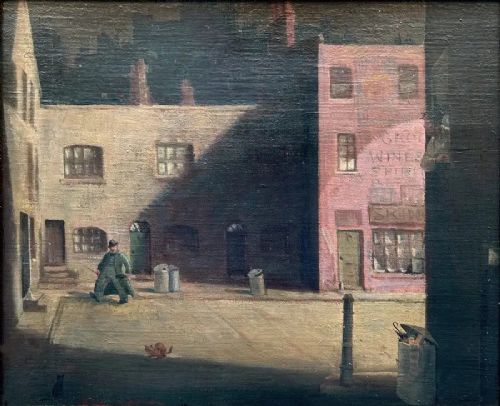
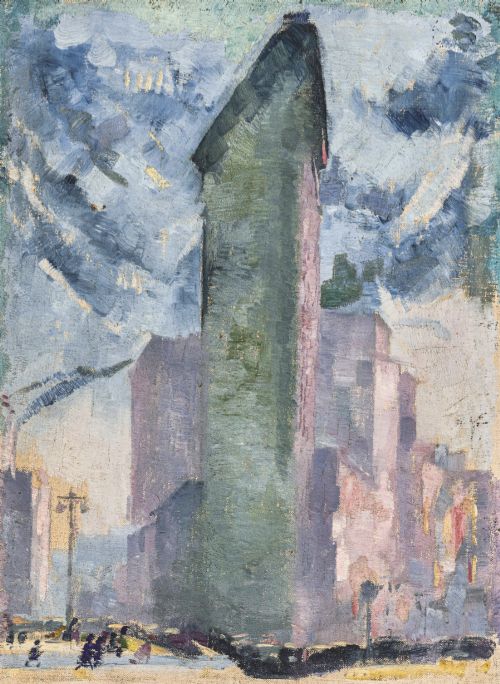
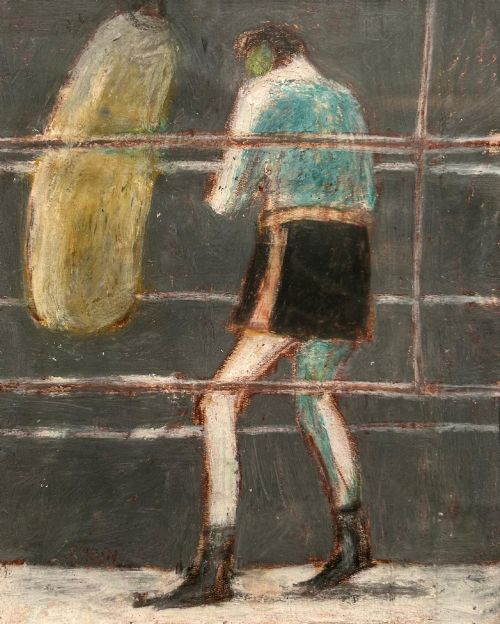
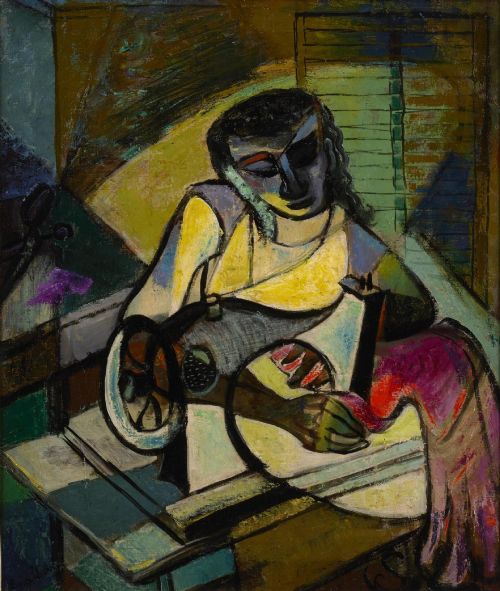
A vintage modernist painting captures the spirit of twentieth-century experimentation through bold brushwork and striking compositions.
Vintage Modernist Painting
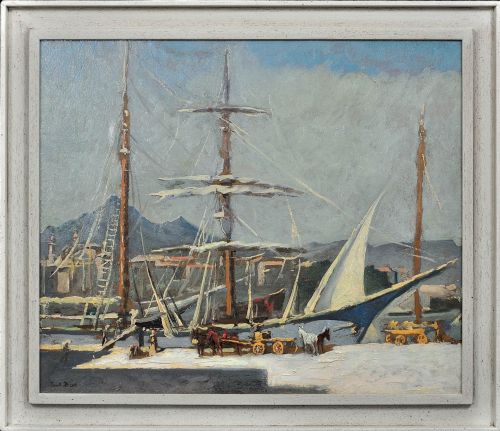
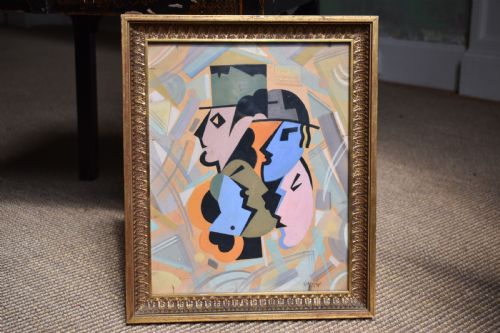
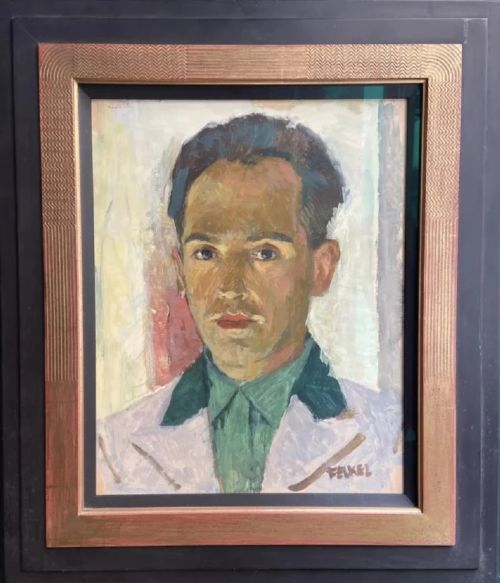
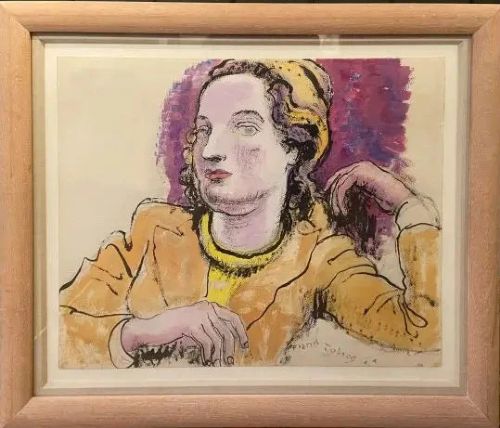
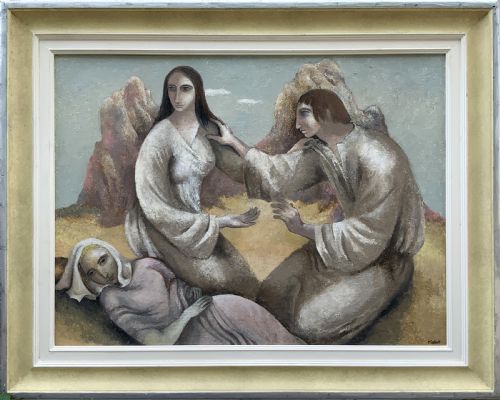
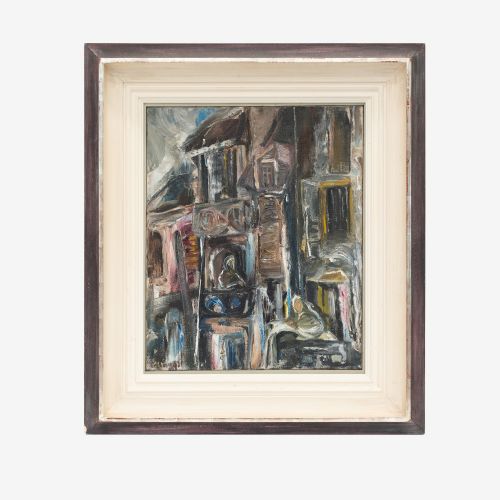
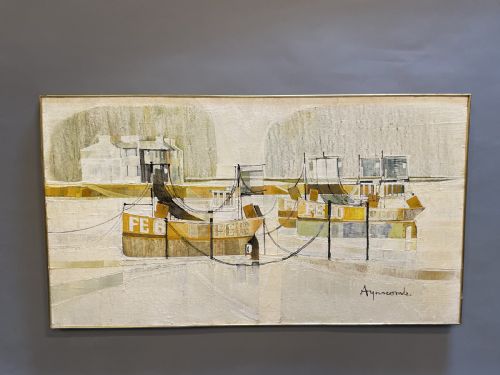
When searching for a vintage modernist painting, buyers encounter works spanning from the Edwardian and Victorian eras through the 1910s, 1920s, 1930s, 1940s, 1950s, and 1960s. These pieces include portraits, cityscapes, maritime scenes, and abstracted landscapes rooted in movements such as Cubism, Expressionism, and Modern British art.
The most common forms on this page are oil paintings and oil on canvas works, alongside oil on board and paper studies. Subjects range from intimate domestic interiors and still lifes to figurative nudes and avant-garde compositions.
Originating across Britain, France, and wider Europe, these paintings reflect the evolving aesthetic shifts of the mid-century modern era and earlier modernist schools.
Factors that separate the range
Quality rests in the confidence of the brushwork and the strength of the compositional geometry, distinguishing assured avant-garde execution from routine studio output. The depth of the artist's engagement with modernist abstraction or figuration defines the upper tier of the range.
Provenance and documentation also set works apart, particularly those tied to recognised regional schools or documented exhibitions.
Materials recorded across the selection include canvas, board, paper, glass, wood, and oil paint.
Paul Bret·Carl Felkel·Frank Dobson·Francisco Sancha·Alfred Wolmark·Samuel Rabin·Lena Gurr·Christine Nesbit·Lilian Colbourn·Raymond Moritz·Denis Mitchell·Gabriel Dauchot·Edward Carter Preston·Derek Latimer Sayer·William McCance·Peter Jackson·Pinchus Krémègne·Yo Mayer·Andre Delfau·Rowland Fade·Yetta Kane
The Vintage Modernist Painting Glossary
- Canvas
- A heavy woven fabric stretched across a wooden frame to serve as a painting support. It provides a resilient surface favoured for oil and impasto techniques.
- Impasto
- A technique where paint is laid onto a surface in very thick layers, standing out visibly from the canvas. This method adds tactile relief and physical depth to the composition.
- Encaustic
- A painting method involving heated beeswax mixed with coloured pigments. The molten mixture is applied to a surface and then reheated to fuse the layers.
- Gouache
- An opaque water-based paint that dries to a matte finish. It allows for vibrant, solid fields of colour distinct from translucent watercolour.
Vintage Modernist Painting: Frequently Asked Questions
How do I identify a modernist painting?
Look for departures from traditional realism, such as abstracted forms, non-naturalistic colour palettes, and an emphasis on geometric structure or expressive brushwork. These visual markers signal a shift away from academic representation toward modern interpretation.
Context also helps with identification, as many pieces bear dates or stylistic traits aligning with early to mid-twentieth-century avant-garde movements.
Where were these modernist paintings made?
These works originate from artistic centres across Britain, France, and Europe, reflecting local movements like the St Ives School or Parisian avant-garde circles. Artists frequently travelled or relocated, absorbing regional light and landscape into their practice.
Signatures, inscriptions, and subject matter often point directly to the specific locale where the work was executed.
How should I frame an unframed painting?
Select a frame that complements the era and aesthetic weight of the canvas without overpowering the composition. Simple wooden mouldings or period-appropriate frames often suit mid-century modern and modernist works best.
Ensure the canvas maintains proper tension and ventilation within the rebate to protect the paint layer over time.
How do I care for an oil painting on canvas?
Keep the painting away from direct sunlight, extreme temperature fluctuations, and high humidity to prevent the canvas from sagging and the oil paint from cracking. Gentle dusting with a soft, dry brush is usually sufficient for surface maintenance.
Avoid using water or chemical cleaners on the painted surface, and consult a professional conservator for deeper cleaning.