
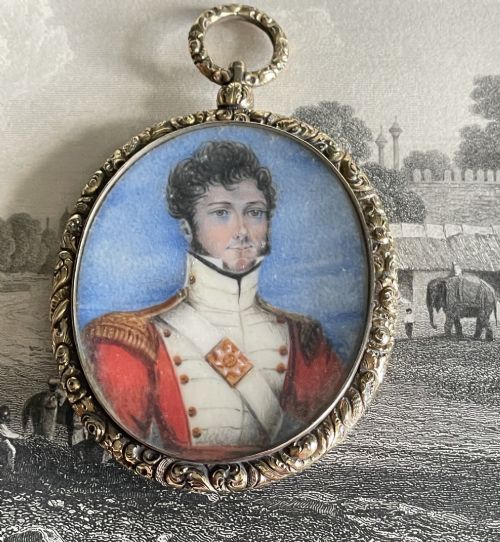
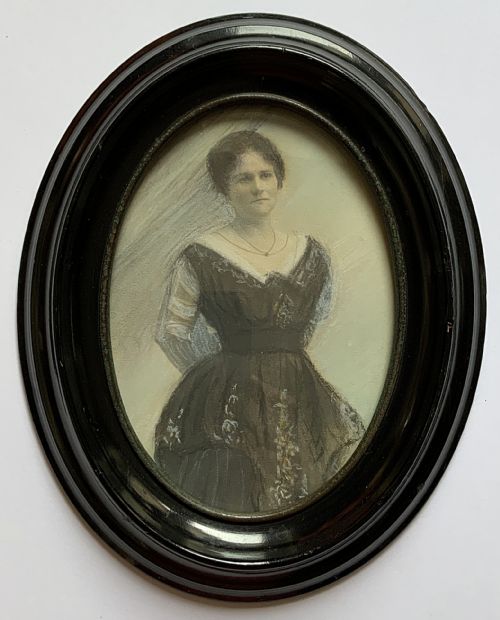


Vintage Miniature Picture
These vintage miniature pictures bring intimate portraits and delicate painted scenes into small spaces, offering remarkable detail in compact antique frames.
Vintage Miniature Picture
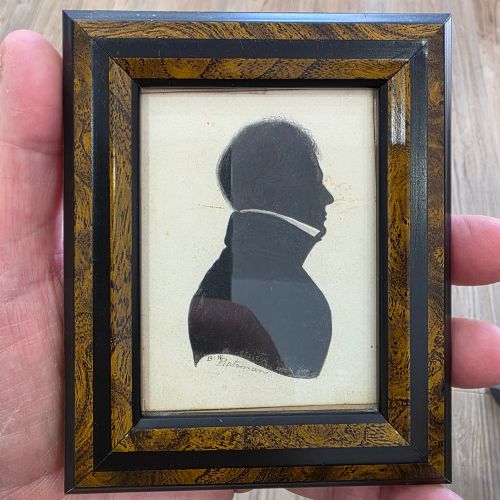
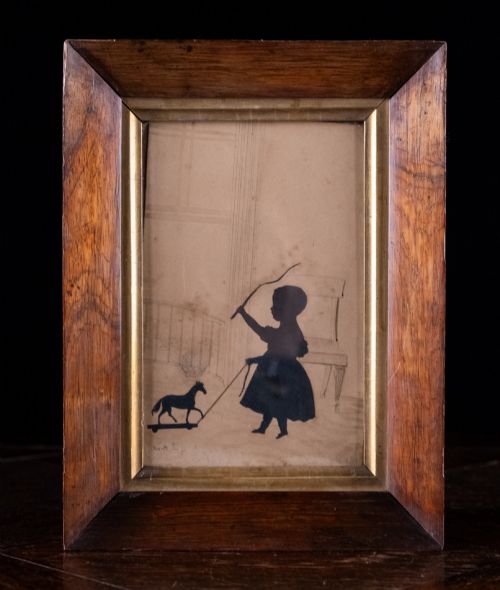
A vintage miniature picture encompasses small framed artworks, portrait miniatures, silhouettes, and painted enamel panels spanning the eighteenth, nineteenth, and early twentieth centuries. Buyers seeking a vintage miniature picture typically encounter framed watercolours, pencil sketches, and silhouettes rendered on paper, silk, or card.
The selection here draws from varied periods including the Regency, Victorian, and Edwardian eras, alongside pieces executed in Georgian and Art Deco styles. Subjects range from naval officers and gentlemen to courtly lovers, floral still lifes, and delicate landscape interpretations.
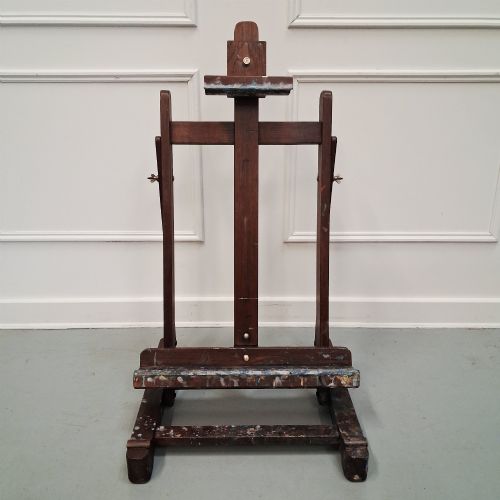
Forms extend beyond wall art to tabletop easels, picture frames, and small painted panels set into bracelets or cruciform mounts. These compact works reflect diverse global origins, from English silhouettes to Mughal school gouache paintings and Chinese silk table screens.
How they were made
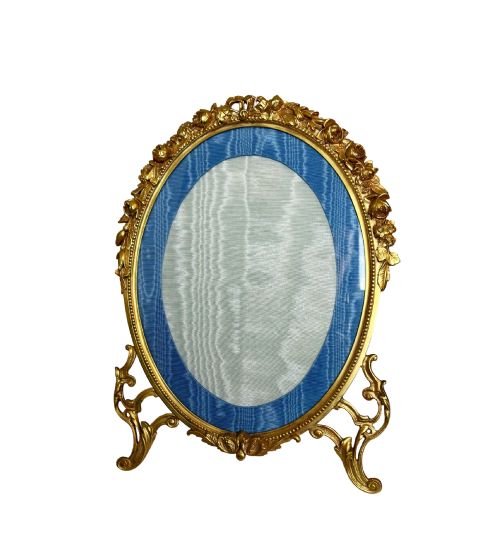
Frames and mounts employ materials such as gilt bronze, brass, wood including rosewood and oak, glass, and enamel. Enamel panels and silver mountings frequently accompany miniature paintings, while silhouettes rely on precise paper cutting or ink profile rendering.
One tiny portrait frame is cast in gilt bronze, perfectly sized to keep a stern-looking ancestor permanently judging your desk.
What varies in quality
The finesse of the brushwork or cutting defines the upper tier of these works, where facial expressions and textiles retain clarity despite the small scale. Superior pieces display confident handling of line in silhouettes and subtle tonal gradations in watercolours and oils.
Enclosure and mounting materials also distinguish the range, as heavier cast bronze frames, rosewood surrounds, and intact convex glass protect the delicate surfaces within. Original frames and signed compositions consistently elevate the standing of an individual piece.
Augustin Edouart·Elisabeth Vigee Le Brun
The Vintage Miniature Picture Glossary
- Silhouette
- A profile portrait filled in with a solid dark colour, typically cut from paper or painted in ink on card. These profiles gained popularity in the eighteenth and nineteenth centuries as an accessible form of likeness.
- Portrait miniature
- A small, highly detailed painting on ivory, vellum, card, or paper, often created as a personal keepsake. Artists employed fine brushes and magnifying lenses to achieve striking realism.
- Gouache
- An opaque water-based paint that dries to a matte finish, frequently used in Indian and Persian miniature paintings to achieve vibrant colour saturation. It allows for sharp lines and rich pigment application.
- Enamel
- A durable decorative coating created by fusing powdered glass to a metal substrate through firing. Miniature scenes painted in enamel appear on small plaques and jewellery panels.
- Table screen
- A decorative panel supported by a carved stand, designed for placement on desks or tables. These pieces often feature embroidered silk or painted panels.
Vintage Miniature Picture: Frequently Asked Questions
How were vintage miniature pictures displayed?
These small artworks were traditionally hung in intimate domestic spaces such as dressing rooms, boudoirs, or grouped closely together on drawing room walls in arrangements often called gallery walls. Many were also designed to be carried in pockets, worn as jewellery, or stood upon desks using small tabletop easels.
Today, they suit narrow wall spaces, bookshelves, or mantelpieces where larger canvases would overwhelm the proportions. Grouping several pieces together creates a striking focal point without cluttering a small room.
What subjects appear in miniature paintings?
Portraiture dominates the genre, featuring family members, naval officers, gentlemen, and children, sometimes copied from larger oil paintings hanging in public galleries. Beyond portraits, subjects include floral still lifes, romantic scenes with dogs, birds, and courtly figures.
Artists also recorded literary scenes and copies of classical works by painters such as Boucher. This variety allows collectors to focus on specific themes like silhouette profiles or botanical studies.
How do I care for antique watercolours and silhouettes?
Paper and silk miniatures are sensitive to direct sunlight, which causes watercolours to fade and paper to yellow over time. They should be hung away from bright windows and damp environments to protect the fragile pigments and supports.
When cleaning the surrounding frames, avoid getting moisture near the glass or paper edge, as trapped humidity encourages mould growth. Professional framing using conservation-grade materials helps preserve the paper underneath.
How can I tell a Regency silhouette from a Victorian one?
Regency silhouettes frequently emphasise fine facial bronzing, delicate eyelashes, and specific attire characteristic of the early nineteenth century, sometimes housed in simple papier-mâché or rosewood frames with brass acorns. Victorian examples often introduce more ornate gilt frames or incorporate photographic elements as the century progressed.
Examining the paper type, framing construction, and any signature or inscription on the reverse helps narrow down the period. Early pieces tend to rely on hand-cut paper or direct ink work rather than later mass-produced printing methods.