

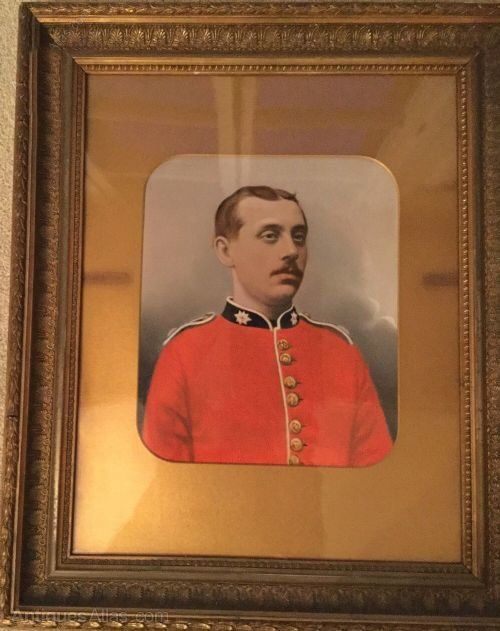


Vintage Military Portrait
Vintage military portrait pieces capture officers, soldiers, and monarchs across centuries through oils, watercolours, and engravings.
Vintage Military Portrait
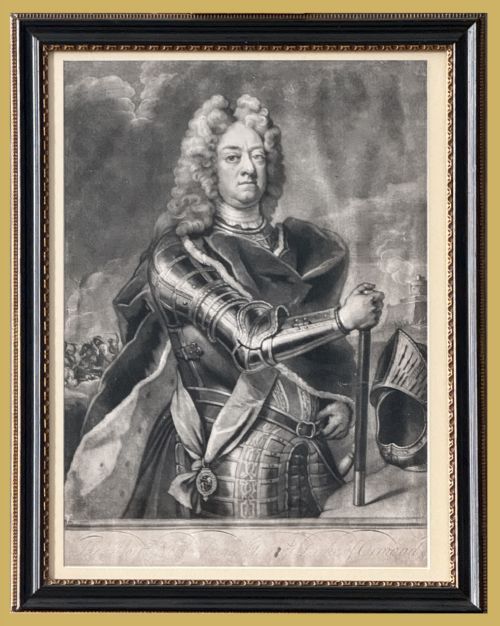
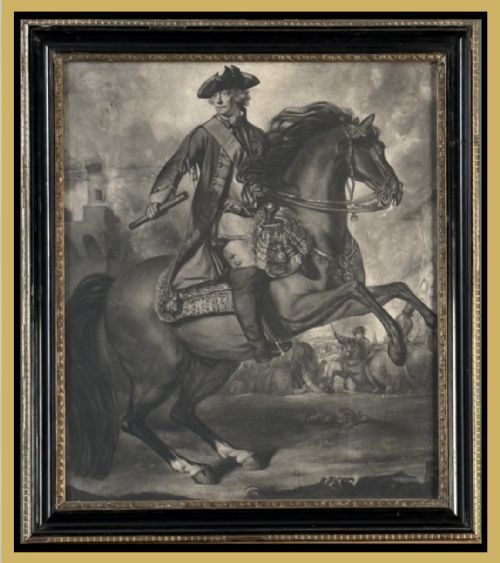
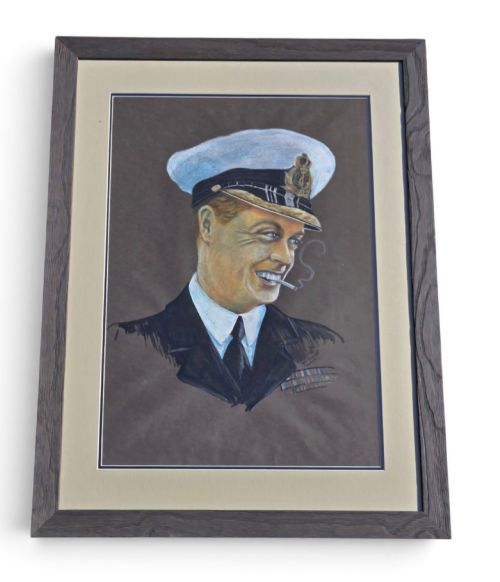
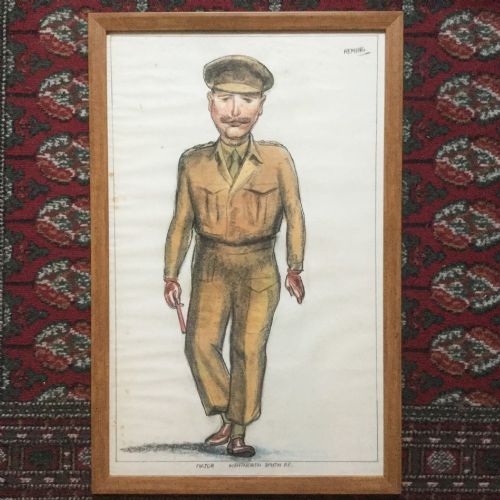
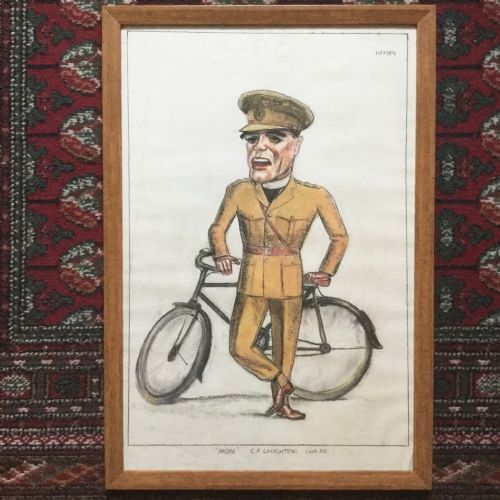
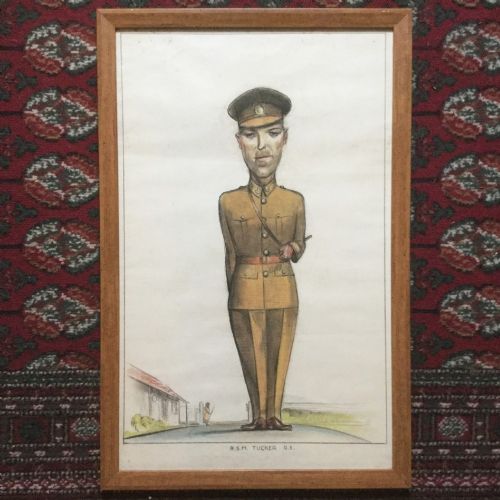
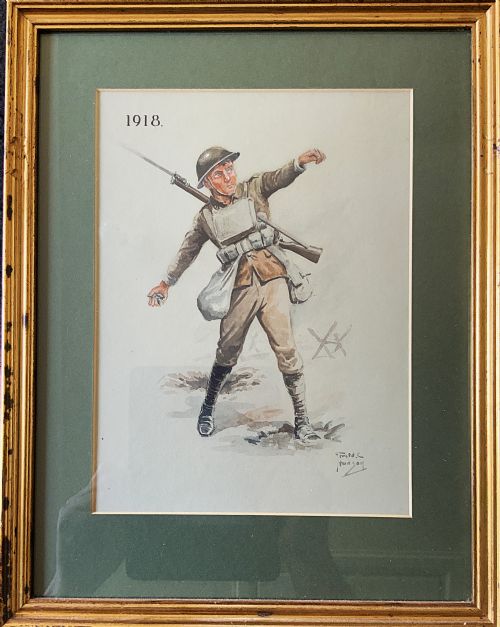
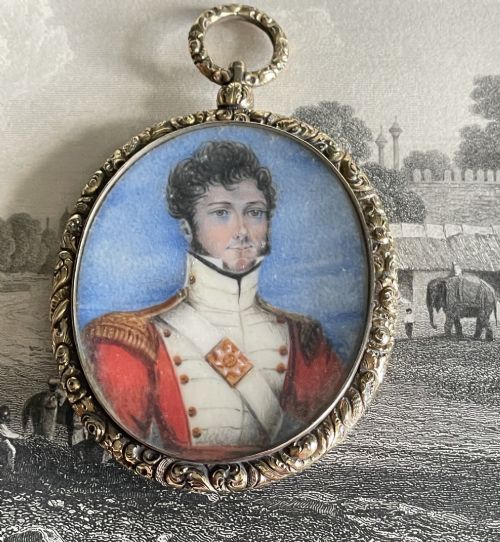
A vintage military portrait represents officers, generals, royalty, and enlisted men through centuries of artistic interpretation. The selections span media ranging from early 18th-century mezzotints to wartime pastels from the 1940s.
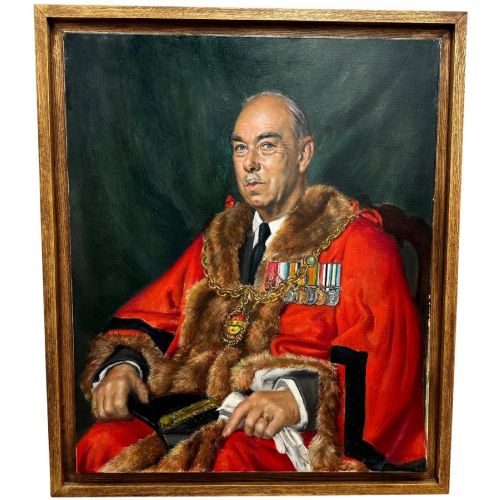
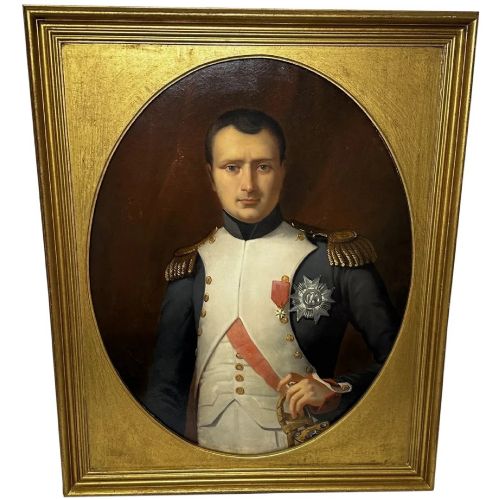
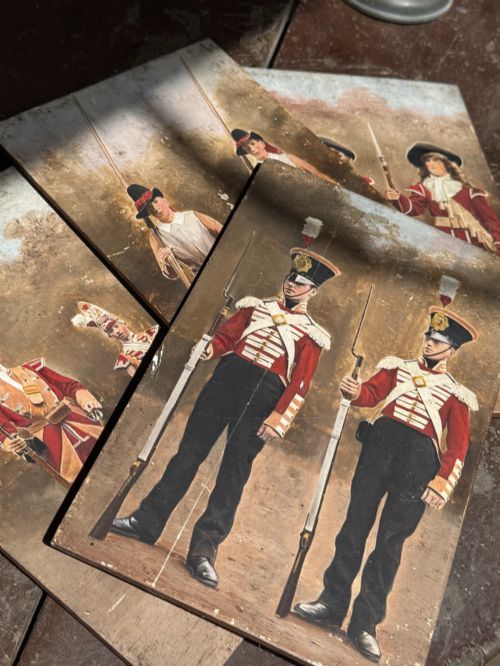
Buyers encounter oil paintings on canvas and board alongside watercolours, gouache sketches, and framed prints. These works document individuals from British, French, German, and Indian military contexts.
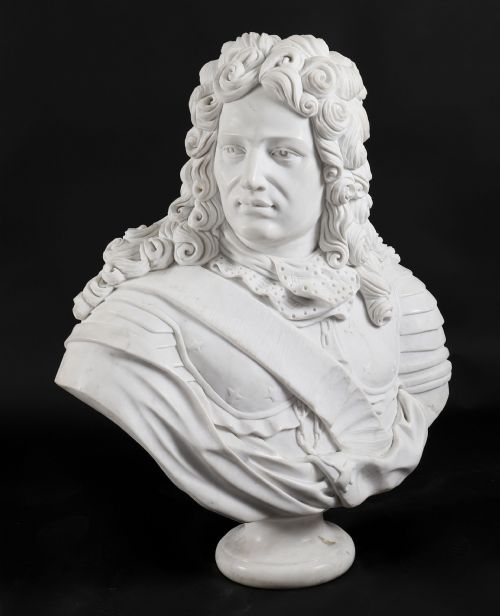
The assortment includes formal depictions of nobility in armour, active service drawings of engineers, and commemorative tributes to naval vessels.
How they were made
Artists utilised oil paint on canvas, wood panels, and paper supports to build deep, enduring likenesses. Watercolours and gouache provided fluid mediums for rapid wartime sketches and detailed naval tributes.
Specialist materials such as porcelain wall plaques and marble added sculptural dimensions to the commemoration of officers and noblemen.
The object types recorded include oil paintings, framed prints, wall art, porcelain plaques, and marble busts.
What varies in quality
The distinction between standard works and master creations rests on the precision of the likeness and the handling of uniform details. Superior artists capture the psychological weight of the sitter rather than merely recording regimental insignia.
Compositional strength and the integration of the subject within the canvas separate casual output from accomplished fine art. The crispness of line in engravings and the vibrancy of pigment in oils dictate overall visual impact.
John Simon·Michael Dahl·Edward Fisher·Sir Joshua Reynolds·John Smith·J Sommer·Bernard Hailstone·Herskind·Baruch Shalom Oskotsky·G Hindle·Snaffles·Francis Russell Flint·Aubrey Sykes·Kershaw Schofield
The Vintage Military Portrait Glossary
- Mezzotint
- A printmaking process of the intaglio family where the plate is roughened to produce tones of grey and black. This technique allowed for subtle gradations of light and shade in 18th-century portraiture.
- Gouache
- An opaque watercolour paint consisting of pigment, water, and a binding agent such as gum arabic. It dries to a dense, matte finish suited for detailed wartime sketches.
- Mezzotint
- A printmaking process of the intaglio family where the plate is roughened to produce tones of grey and black. This technique allowed for subtle gradations of light and shade in 18th-century portraiture.
- Armour
- Protective steel or iron covering worn by noblemen and military commanders in formal portraits. Its depiction denoted high status and martial lineage.
- Panel
- A rigid flat piece of wood used as a support for paintings instead of canvas. Panel paintings often indicate earlier or primitive methods of construction.
Vintage Military Portrait: Frequently Asked Questions
What periods do these portraits cover?
The selection spans from the 18th century through the Victorian and Edwardian eras up to the mid-20th century. Works record subjects from the Napoleonic Wars, World War I, and World War II.
Earlier pieces often feature mezzotints of nobility, while later pieces include wartime pastel sketches and oil paintings of contemporary officers.
How were these military portraits originally displayed?
Many works hung in regimental messes, public municipal buildings, or private aristocratic homes to commemorate service and lineage. Formal oil paintings and framed prints served as statements of status and historical record.
Smaller pastel sketches and watercolours often functioned as personal mementoes or active service records created during wartime deployments.
What materials are common in these artworks?
Oil on canvas and board form the primary medium for substantial formal portraits. Watercolours, gouache, and pastels appear frequently in works executed on paper during the 20th century.
Framing materials typically include original oak, carved wood, and glass elements to protect the delicate paper or canvas surfaces.
How do I identify a naval officer portrait?
Naval portraits often feature sitters in specific marine uniforms, sometimes accompanied by depictions of ironclad battleships or sea-going vessels. Inscriptions on mounts or frames frequently reference naval ranks or specific ships.
Artists utilised maritime motifs and blue tones to distinguish naval subjects from army officers and civilian nobility.