




British General Portrait
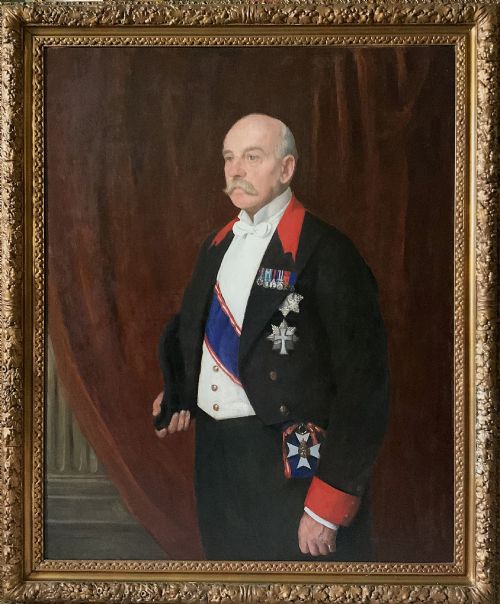
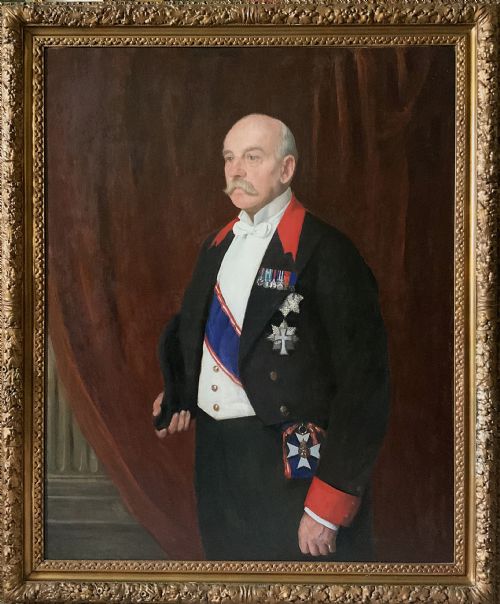
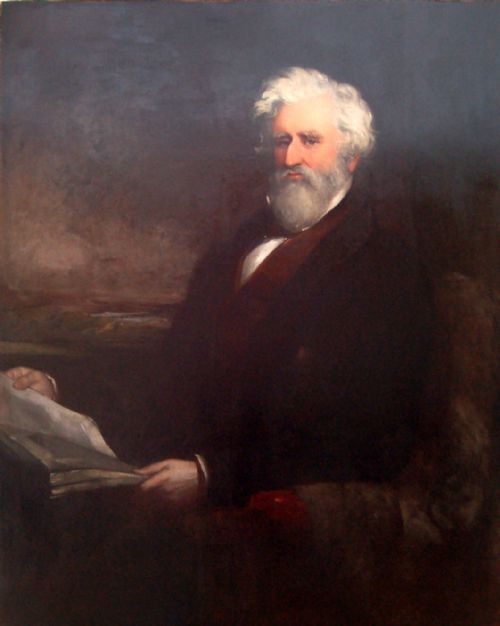
A british general portrait captures the formidable presence of military commanders through oils on canvas and ceramic figures.
British General Portrait
A british general portrait depicts military figures from the eighteenth, nineteenth, and early twentieth centuries in oil paintings, watercolours, and ceramic figurines. Buyers searching for a british general portrait encounter large canvas works, miniatures, and Staffordshire figures representing named commanders and officers.
The pieces span periods including Georgian, Regency, Victorian, and Edwardian eras, often showing subjects in full uniform. Many examples preserve the specific rank, honours, and regimental details of the sitter.
Elements of quality
Quality rests in the precision of the brushwork, the psychological depth of the sitter's expression, and the preservation of the canvas and original frame. Finer works capture the texture of military textiles, such as redcoat tunics and gold braided shoulder epaulettes, with distinct clarity.
Provenance and documented attribution to known artists elevate a piece, distinguishing accomplished studio portraits from standard works by lesser-known hands.
Listings feature works spanning from the seventeen hundreds through the nineteen thirties, encompassing Georgian, Regency, Victorian, and Edwardian aesthetic periods.
Arthur William Devis·George Frederic Watts·Henry Walton·Henry Hoppner Meyer·Ruth Cecil Latter·Leslie Moore·George Duncan Beechey
The British General Portrait Glossary
- Oil on Canvas
- Pigment mixed with drying oil applied to a woven fabric surface stretched over a wooden frame. This medium allowed artists to achieve rich colour depth and subtle tonal gradations in military uniforms.
- Giltwood
- Wood carved and coated with gold leaf or gold paint. Frames of this material enhanced the status of formal military portraits.
- Staffordshire Figure
- Ceramic sculpture produced in the pottery districts of England during the nineteenth century. These ceramic pieces commemorated prominent military figures for domestic display.
- Miniature Portrait
- A small-scale painting executed with fine detail on paper, ivory, or vellum. These portable artworks often commemorated specific officers.
- Swept Frame
- A picture frame featuring curved, scroll-like moulding corners. Such frames were popular for housing large nineteenth-century oil paintings.
British General Portrait: Frequently Asked Questions
How do I identify the rank in a british general portrait?
Look for specific uniform markers such as epaulettes, collar insignia, and medal ribbons depicted on the sitter. These elements generally correspond to the military regulations of the sitter's active period.
Historical inscriptions on the canvas or frame often record the subject's name and exact rank, assisting with identification.
Where should I display a large oil painting?
Large oil paintings require wall space away from direct sunlight and dramatic temperature fluctuations to protect the canvas and pigment. Rooms with stable indoor climates suit these substantial works best.
Ensure the wall structure can support the combined weight of the canvas and its heavy giltwood frame.
What is the difference between an oil painting and a Staffordshire figure?
Oil paintings are bespoke fine art portraits executed on canvas or panel by named artists, recording individual likenesses with complex detail. Staffordshire figures are mass-produced ceramic commemoratives designed for popular domestic display.
While paintings convey personal commission and academic technique, ceramic figures offer accessible sculptural likenesses of national heroes.
How do I care for a giltwood frame?
Dust giltwood frames gently with a soft, dry brush to prevent accumulation without disturbing the delicate gold leaf surface. Avoid liquid cleaners and moisture, which can damage the underlying gesso and wood.
Inspect the mitre joints and corners periodically to ensure the wooden structure remains stable.