



British Army Officer Artwork
British army officer artwork records the portraits of military figures across centuries through oil on canvas, watercolour, and pastel.
British Army Officer Artwork
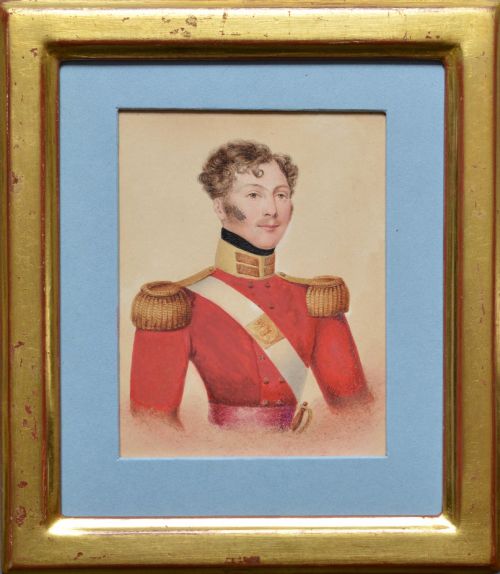
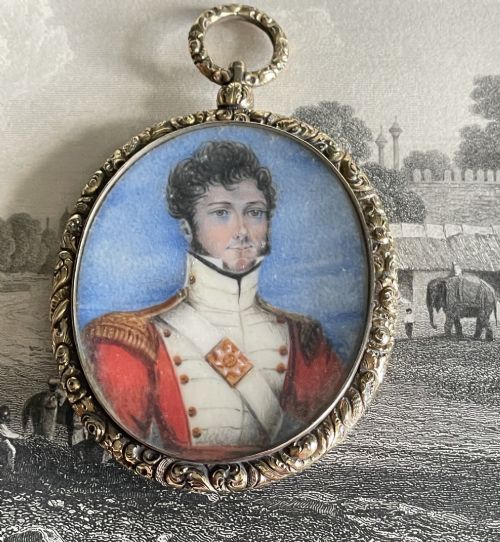
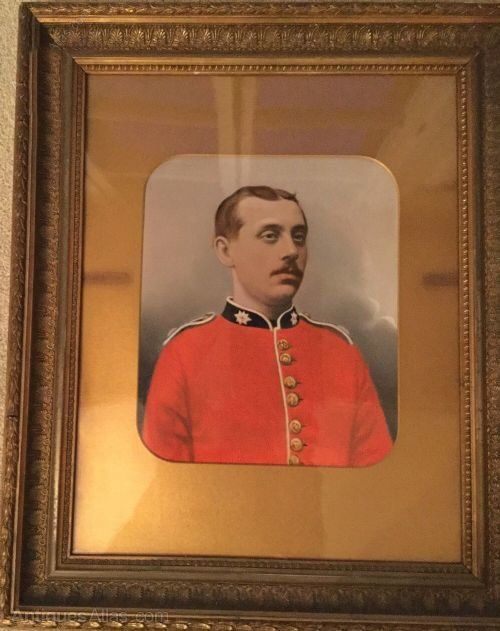
When you search for british army officer artwork, you encounter painted and drawn likenesses of military personnel ranging from subalterns to field marshals. These works document the visage of individuals who served in regiments such as the Staffordshire 80th Regiment of Foot and the Royal Engineers. The selection spans the eighteenth, nineteenth, and twentieth centuries, capturing the changing appearance of military dress and portraiture.
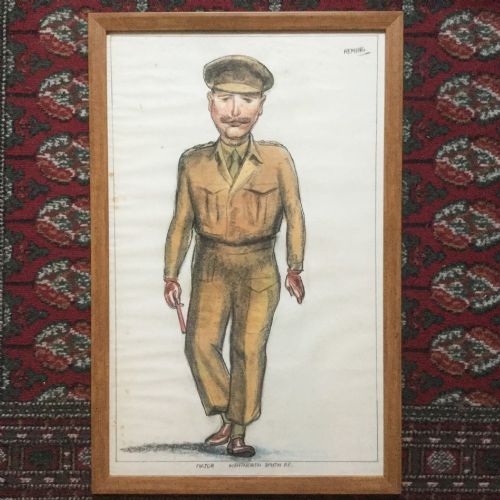
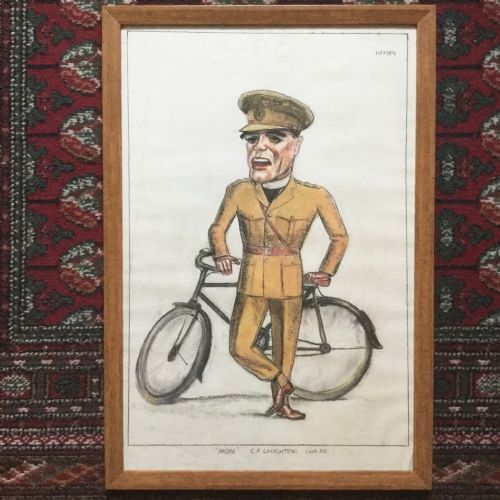
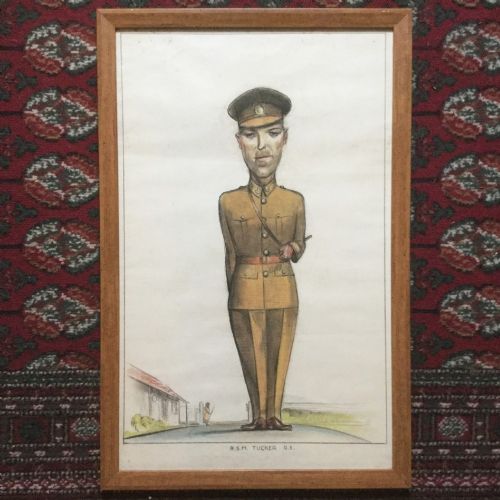
You meet both formal oil paintings on canvas and more intimate works on paper. The nineteenth century yields detailed watercolours and oils, while wartime pieces from nineteen forty utilise pastel and gouache to record officers like Major Wentworth Smith and Padre C.F. Laughton. Some pieces connect directly to named individuals, such as Sir Rufane Shaw Donkin and Earl Roberts.
The assortment includes full oil portraits, framed drawings, and portrait miniatures. Certain items place the officer alongside other subjects, as seen in the depiction of a bay horse with an army officer. The origins stretch from domestic British schools to Anglo-Indian commissions, reflecting the global reach of the forces.
How they were made
Watercolour and gouache on paper served for portable likenesses and campaign records. These media enabled artists to capture swift details of rank and expression, often finished with gum arabic to heighten the sheen on buttons and medals.
Listings feature works in oil on canvas, watercolour, gouache, and pastel spanning the eighteenth to the twentieth centuries.
What varies in quality
The capability of the hand defines the upper tier of these portraits. A skilled portraitist captures not merely the uniform and regiment, but the character and presence of the sitter through proportion and brushwork.
The preservation of the medium dictates the integrity of the piece. Works on paper require protection from light and moisture to maintain the vibrancy of watercolour and pastel, while oil paintings depend on stable canvas grounds and clean varnish layers.
Henry Walton·Henry Hoppner Meyer·Ruth Cecil Latter·William Edward Millner·Leslie Moore·George Duncan Beechey·Sir Richard Westmacott
The British Army Officer Artwork Glossary
- Watercolour
- A paint consisting of colour suspended in a water-soluble vehicle. It is applied to paper to create transparent washes and fine linear details.
- Gouache
- An opaque water-based paint containing pigment mixed with a binding agent and white filler. It provides solid, flat colour and bright highlights.
- Pastel
- A dry drawing medium composed of powdered pigment and a binder formed into sticks. It produces velvety textures on paper supports.
- Regiment
- A permanent unit of an army commanded by a colonel. Identifying the regiment helps date the uniform and locate the sitter's service.
- Miniature
- A small-scale portrait painted on ivory, vellum, or card. These intimate objects were designed to be carried or worn.
British Army Officer Artwork: Frequently Asked Questions
What periods do these artworks cover?
The works span from the eighteenth century through the Victorian era and into the twentieth century. They include pieces produced during the wartime period of nineteen forty.
This broad chronological range documents the evolution of military uniform and portrait styles over two hundred years.
How do I identify the officer's regiment?
Many listings record specific military units within the title, such as the Royal Engineers or the Staffordshire 80th Regiment of Foot. Uniform details, facings, and cap badges provide further clues.
Consulting military records for the named individual often confirms their exact service history and rank at the time of the portrait.
Are these works original period pieces?
The inventory consists of period works created during the lifetimes of the subjects or shortly thereafter. Materials and styles align with the recorded dates of the nineteenth and twentieth centuries.
Each listing attributes the work to its respective period, from Georgian oils to wartime pastel sketches.
How should I frame and display works on paper?
Watercolours and pastel drawings require conservation framing with acid-free mounts to prevent paper degradation. Glazing with UV-filtering glass protects the fugitive pigments from fading under ambient light.
Keep these artworks away from direct sunlight and damp environments to preserve the integrity of the paper and medium.