




Vintage Metal Teapot
A vintage metal teapot brings substance to the table, uniting domestic history with practical craft in copper, brass, and pewter.
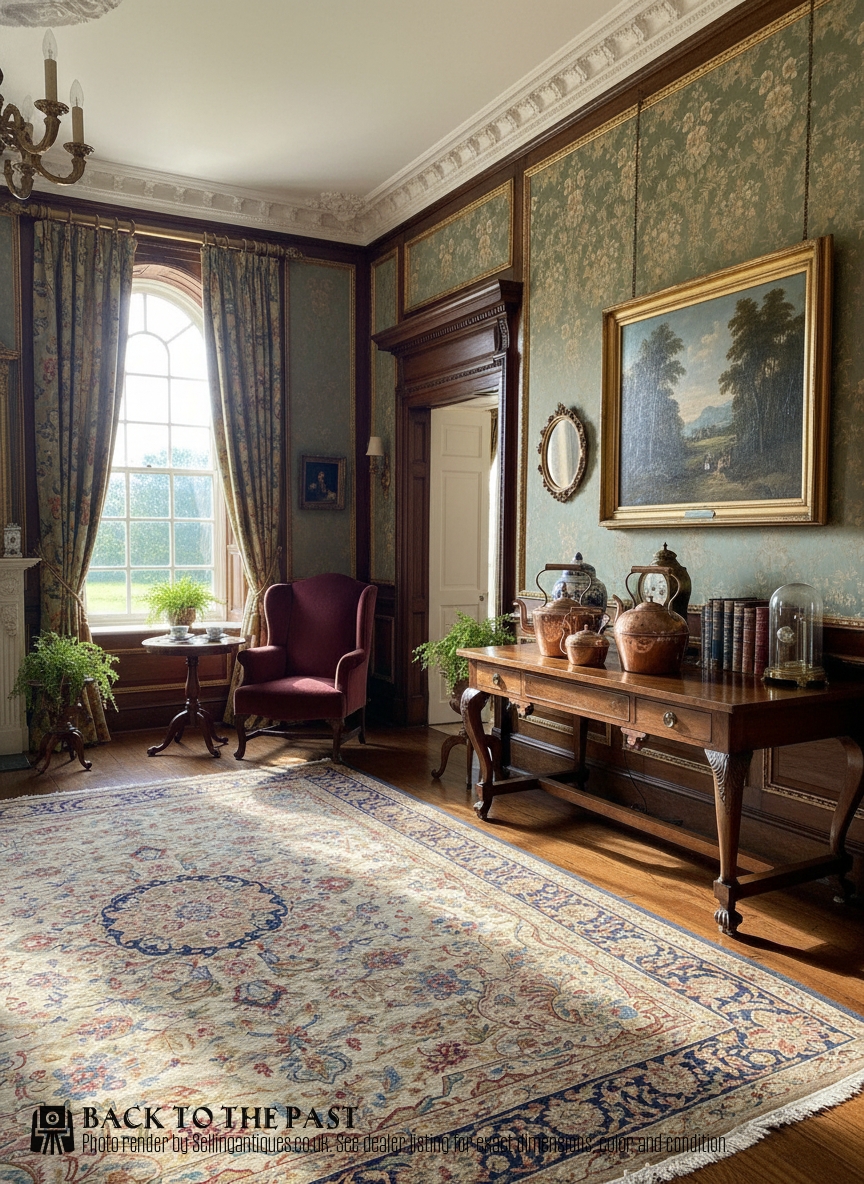
Vintage Metal Teapot
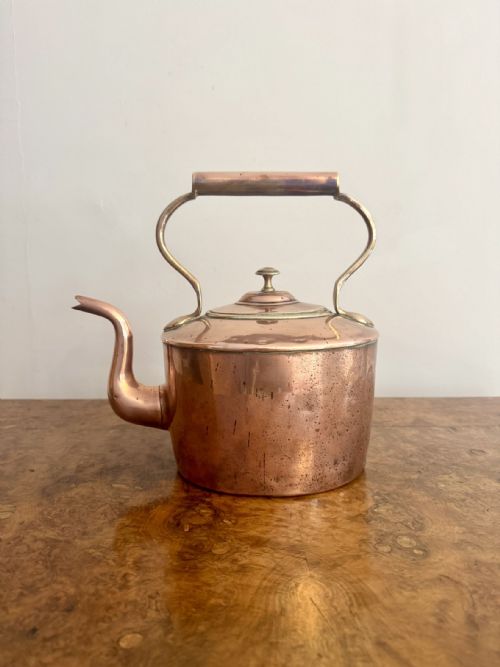
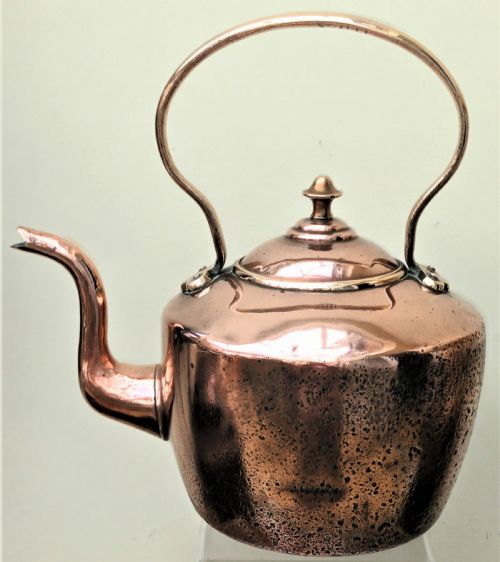
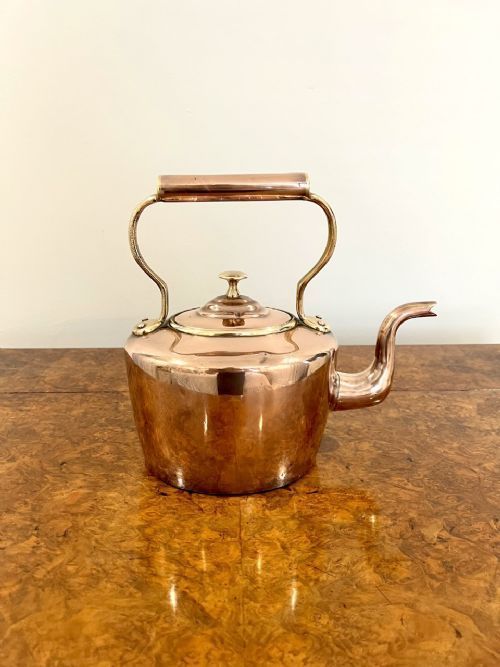
When you search for a vintage metal teapot, you encounter a range of vessels designed for boiling and serving water or tea, spanning George III, Victorian, and mid-century periods. The most common finds on this page are copper and brass kettles from the nineteenth century, alongside later pewter tea sets and enamel designs.
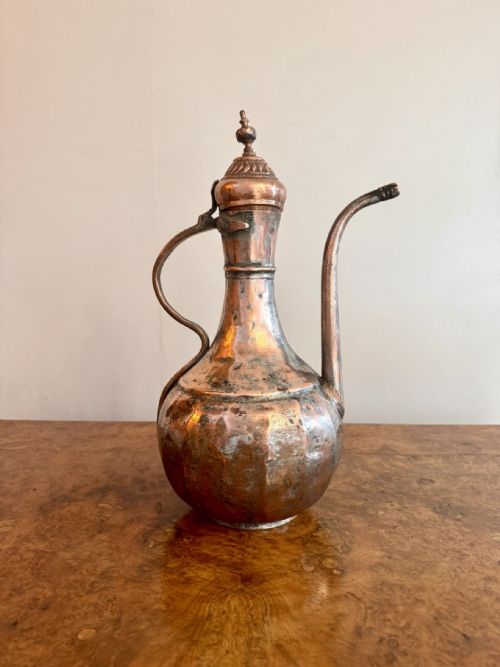
The selection includes specialised forms such as kettles on stands with spirit burners, alongside tea and coffee sets, pitchers, and ewers. These pieces originate from diverse stylistic traditions, including traditional Chinese work, Meiji period Japanese tetsubin, and Ottoman or Middle Eastern metalware.
Materials and construction
These vessels rely heavily on hammered or spun sheet copper and brass, frequently paired with cast components and wooden or ebonised handles for insulation. Pewter and cast iron also appear, particularly in twentieth-century sets and Japanese tetsubin.
Construction techniques involve dovetail joints, hand-beating, and riveting to secure spouts and handles to the body. Many pieces incorporate brass or copper detailing, while others utilise cloisonne enamel applied over metal bases.
Dutch pear-shaped kettles bring an unexpected fruit-inspired silhouette to the tea table.
Factors in quality
Quality rests on the weight of the metal and the crispness of the hand-beaten or cast details. Superior examples maintain balanced proportions, clean lines, and original handles made of wood or ebonised material.
The presence of matching stands, trivets, or complete sets elevates a piece, as does the preservation of original surface finishes and patination accumulated over centuries of use.
Armada Pewter·Kibundo
The Vintage Metal Teapot Glossary
- Tetsubin
- A Japanese cast iron kettle used for boiling water, often featuring detailed surface textures and integrated spouts. These pieces originate from skilled workshops such as Kibundo.
- Spirit kettle
- A kettle mounted on a metal stand above a small burner, designed to keep water hot at the table. Victorian examples frequently combine brass and copper in these setups.
- Cloisonne
- An enamelwork technique where metal wire is soldered to a metal body to create cells filled with coloured paste. This decoration appears on mid-century Chinese tea pots.
- Ebonised wood
- Timber treated to resemble ebony, frequently utilised for handles and insulators on metal teapots and kettles to prevent heat transfer.
Vintage Metal Teapot: Frequently Asked Questions
How do I date a copper kettle?
Dating relies on construction methods, handle materials, and shape, with early nineteenth-century pieces showing hand-beaten seams and dovetail joints. Later Victorian and twentieth-century items often display more standardised machine construction.
Comparing the form and any accompanying brass stands or trivets helps narrow the period between George III and mid-century styles.
Can I use an antique metal teapot?
Many vintage metal teapots and kettles remain structurally sound for boiling water or serving tea, particularly solid copper and brass examples. Some older vessels may have internal linings or historical repairs that make them better suited for display.
Checking the interior condition and handle stability clarifies whether a piece is practical for daily use or reserved for decorative purposes.
What is a spirit kettle?
A spirit kettle is a vessel mounted on a metal stand above a small adjustable burner fuelled by methylated spirits. This setup kept water hot throughout a long tea service without returning to the kitchen.
Victorian dining rooms frequently utilised these brass and copper combinations for formal hospitality.
How do I clean antique brass and copper?
Maintenance typically involves preserving the natural patination that develops over decades, removing only surface dust with a soft cloth. Aggressive polishing strips away the historic finish that collectors value.
Gentle care ensures the metal retains its rich colour and historical character without damaging the surface.