
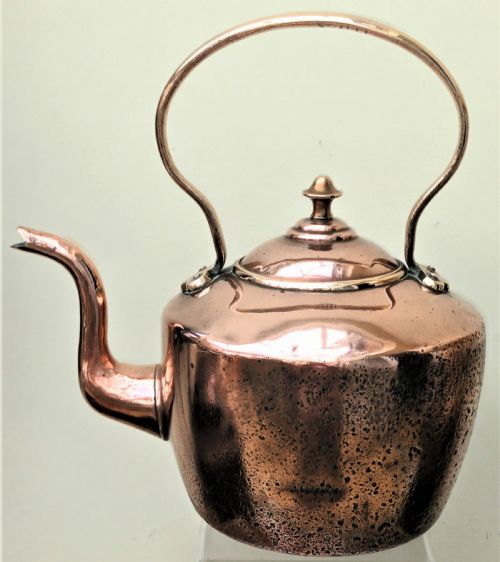


Rustic Copper Tea Kettle
These rustic copper tea kettle examples bring genuine hearthside character and warm metal tones straight into your kitchen.
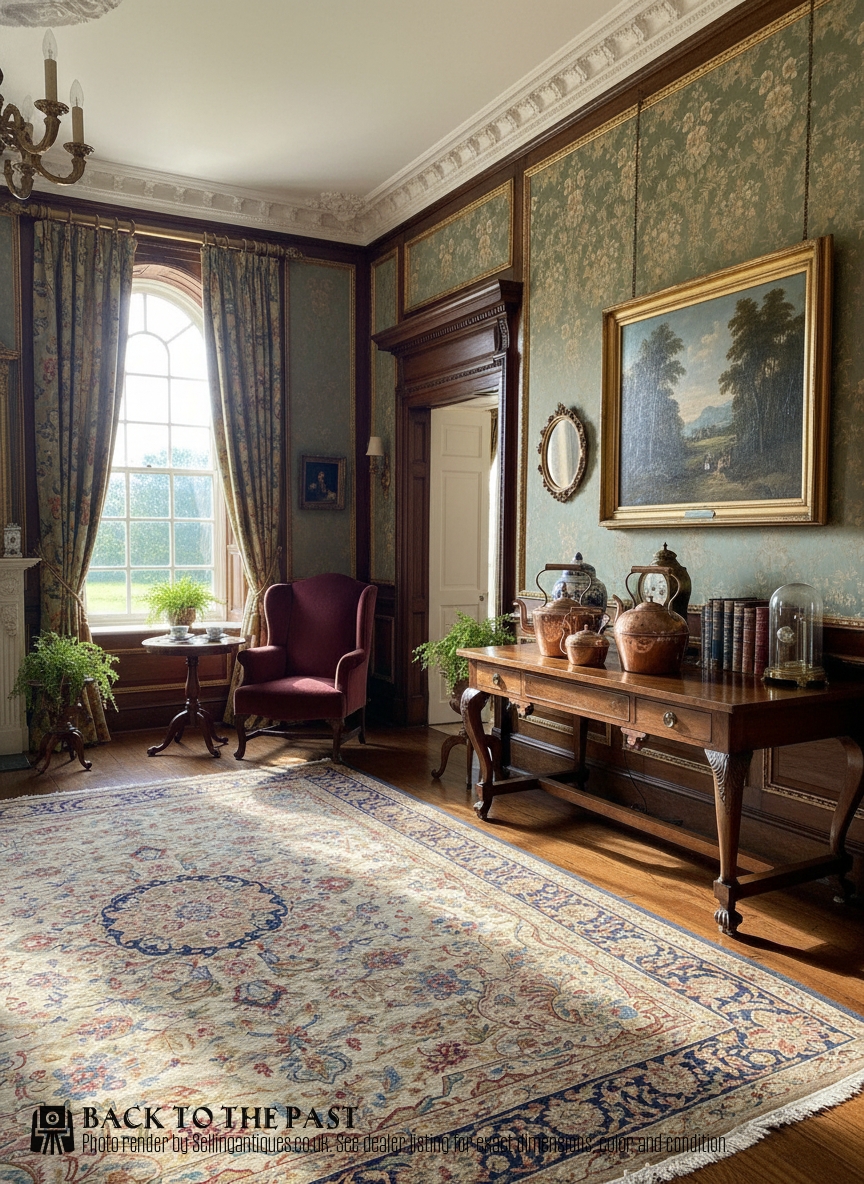
Rustic Copper Tea Kettle
A rustic copper tea kettle is a traditional vessel designed for boiling water, shaped by the domestic needs of past centuries. When you search for this phrase, you encounter authentic pieces originating from the Georgian and Victorian periods.
The versions most commonly met on this page date from the nineteenth century and the year eighteen hundred. These items appear in both standard sizes and large formats, occasionally offered as an antique collection of multiple kettles.
Makers fashioned these utilitarian objects for daily use over open fires and coal stoves. Their robust construction reflects an era when metalwork prioritised utility and durability above all else.
Construction and materials
Craftsmen built each rustic copper tea kettle primarily from sheet copper, hammering and joining the metal to withstand intense heat. Many examples incorporate contrasting brass elements, such as handles or fittings, adding structural strength.
Certain pieces also integrate wood components to provide insulated handling. The visible surface work displays the hand of the maker through subtle irregularities and traditional fabrication methods.
Materials recorded across these items include copper, brass, and wood, appearing in both single pieces and grouped collections.
Assessing quality and finish
Quality in a rustic copper tea kettle depends on the weight of the metal and the integrity of the original construction. Finer examples display careful forming and robust handles that remain secure after decades of use.
Some items arrive with a heavily polished surface that highlights the bright tone of the metal, while others retain a darker, untouched patina. The presence of well-executed brass and wood attachments distinguishes the better pieces from simpler utilitarian wares.
The Rustic Copper Tea Kettle Glossary
- Georgian
- The period spanning the reigns of the Hanoverian kings, noted in these listings around eighteen hundred. Pieces from this era often display classic proportions and early manufacturing techniques.
- Victorian
- The period of the nineteenth century associated with the reign of Queen Victoria. Kettles from this era frequently show the robust domestic output of British workshops.
- Copper
- A malleable, reddish-brown metal prized for its thermal conductivity. It forms the primary body of every kettle listed here.
- Brass
- An alloy of copper and zinc used for structural accents and fittings on these vessels. It provides a bright contrast to the darker copper body.
Rustic Copper Tea Kettle: Frequently Asked Questions
How were these kettles used?
These vessels sat directly on hearths or stoves to boil water for daily tea preparation in historic households. Their robust metal walls absorbed and held heat efficiently.
Over decades of service, they became central items in domestic kitchens before transitioning into decorative display pieces for modern homes.
How do I clean copper?
Maintenance depends entirely on the finish you prefer to keep on your vessel. Some owners apply specialised metal cleaners to maintain a bright, reflective shine.
Others simply dust the surface to preserve the dark, aged patina accumulated over the nineteenth century.
How do I date a kettle?
Dating relies on observing construction methods, handle attachments, and stylistic cues recorded in the titles. Georgian examples typically align with the year eighteen hundred, while Victorian pieces reflect later nineteenth-century manufacturing.
Comparing the weight, form, and joining techniques helps establish the general period of origin.
Can I still boil water in them?
These historical items are primarily acquired today as decorative antiques and collectables rather than working kitchen appliances. Historic soldering and interior wear mean they suit display better than daily boiling.
Enjoying them on a shelf or mantelpiece keeps the metal safe from modern heat sources.