
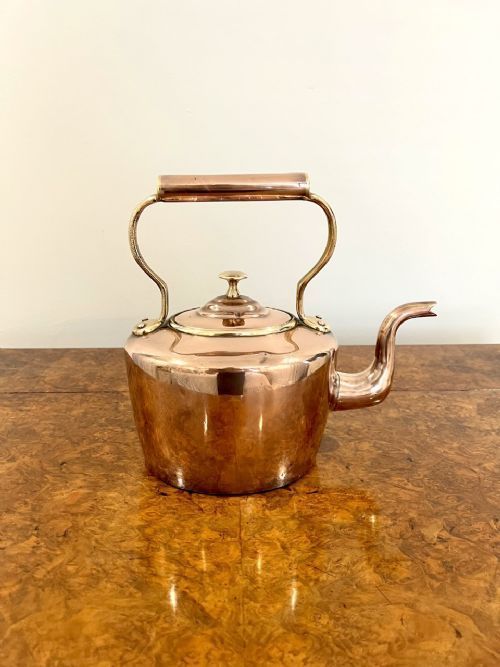


Antique Metal Water Kettles
These antique metal water kettles bring warmth and utility into a room, combining solid metal construction with practical service.
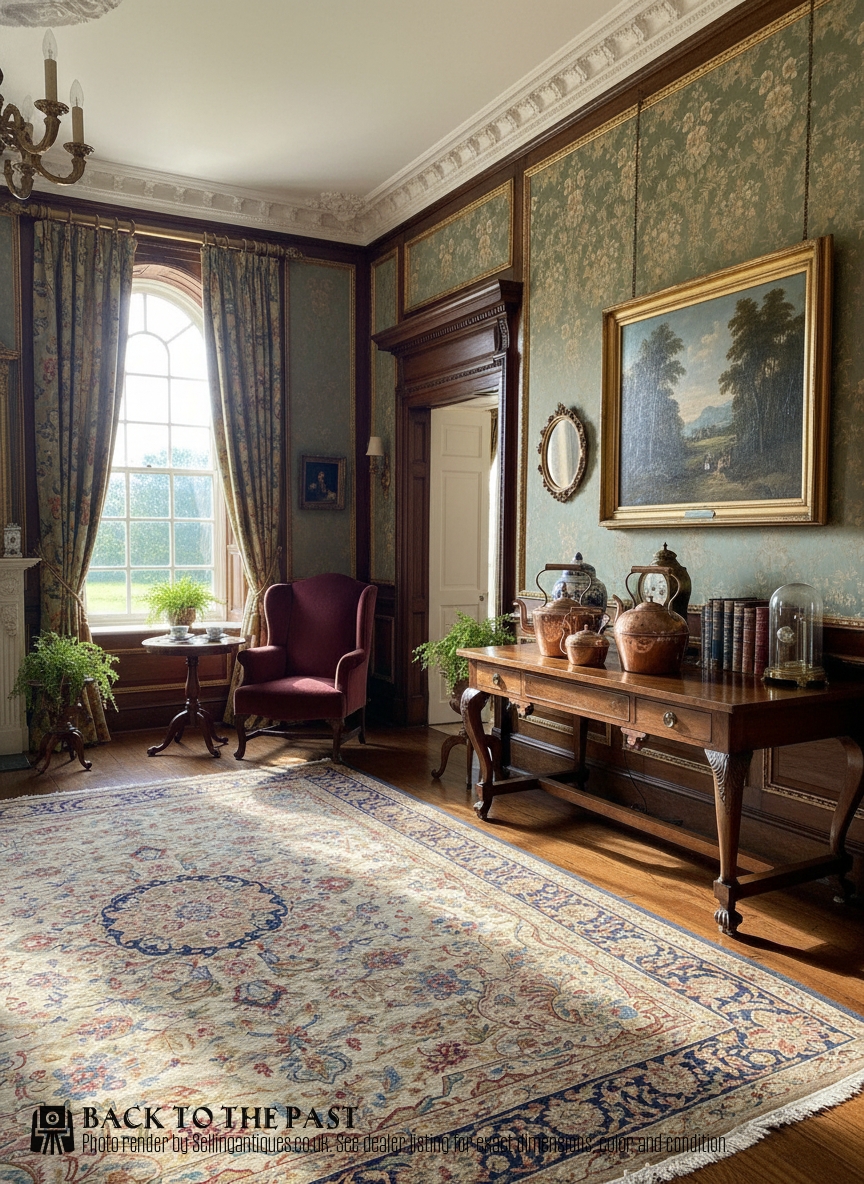
Antique Metal Water Kettles
Antique metal water kettles encompass a practical range of vessels designed for heating water, including standard kettles, spirit kettles on stands, and large samovars or tea urns.
The selections encountered here span from the George III period through the Victorian era, reaching into the early twentieth century alongside examples from the Meiji period and the Middle East.
Copper and brass dominate the offerings, frequently accompanied by bronze, silver plate, nickel silver, wood, and bone components to form handles and insulators.
Construction and Materials
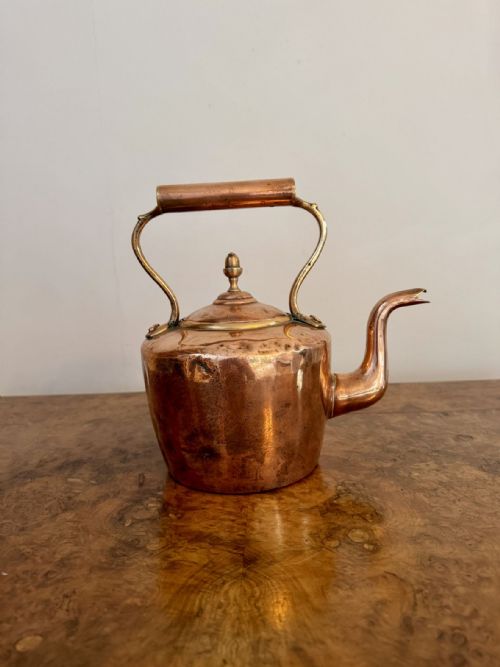
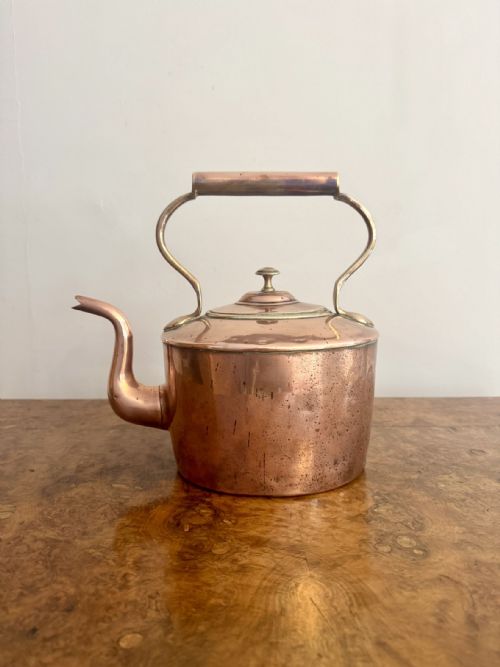
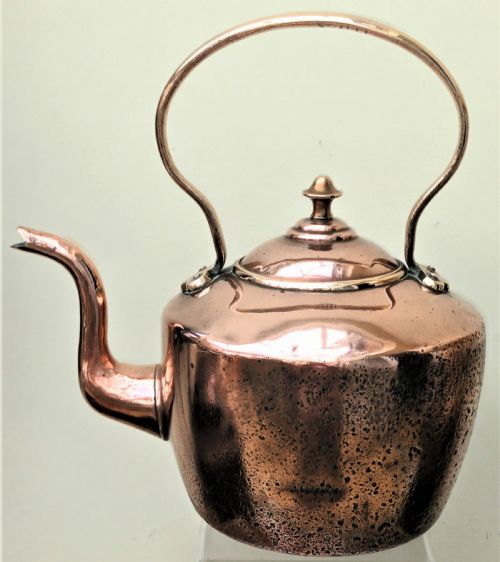
Metalworkers formed these vessels primarily from sheet copper and brass, employing hand-beaten techniques, secure riveted joints, and folded seams to contain boiling water safely.
Handles and finials incorporate turned wood, ebonised wood, or bone to provide heat insulation for the user while pouring from the kettle or operating the brass tap on a samovar.
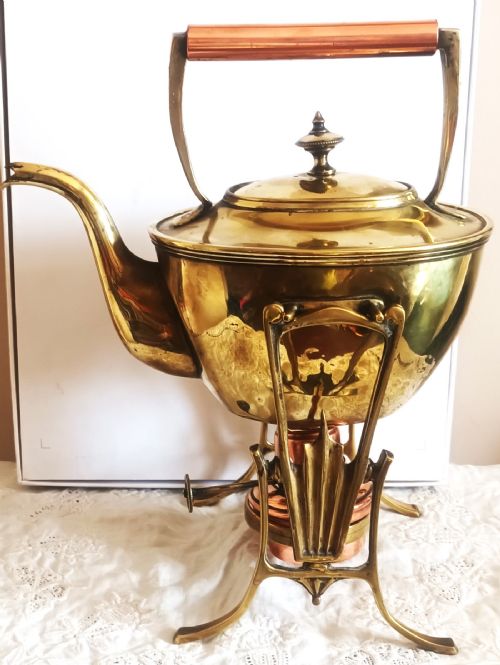
Stands and spirit burners utilise cast or wrought brass and bronze, integrating supporting frames that hold the water vessel steadily above an adjustable burner.
The listings span the George III period, Victorian era, and Arts and Crafts movement, predominantly utilising copper, brass, and wood.
Assessing Quality and Execution
Superior examples display crisp hammering marks, substantial gauge metal that maintains a heavy feel, and well-balanced handles that remain securely fixed to the body.
Lower tiers often show thin metal susceptible to denting, poorly fitted replacement parts, or plain construction lacking the refined proportions seen in George III and Victorian works.
William Soutter & Sons·Kibundo
The Antique Metal Water Kettles Glossary
- Spirit kettle
- A water kettle mounted upon a metal stand above a small spirit burner. This arrangement kept water hot at the tea table.
- Tetsubin
- A Japanese cast iron or bronze kettle used for boiling water. These often display textured surfaces and detailed craftsmanship.
- Ebonised wood
- Wood treated to imitate ebony, providing a dark, durable surface for kettle handles and knobs.
- George III
- The stylistic period spanning the late eighteenth and early nineteenth centuries, known for clean lines and robust proportions.
Antique Metal Water Kettles: Frequently Asked Questions
What is a spirit kettle?
A spirit kettle is a water vessel suspended over a small burning lamp on a metal frame.
This setup allowed users to keep water hot during long tea gatherings without returning to the kitchen.
How do samovars work?
Samovars hold water in a large metal chamber and utilise a central metal cylinder or external burner to heat the contents.
Users draw hot water through a small tap fitted near the base of the vessel.
How do I clean an antique copper kettle?
Traditional copper kettles respond well to gentle cleaning pastes formulated for copper and brass.
Avoid harsh abrasives that remove the historic patina accumulated over centuries of use.
Are these kettles safe to use?
Many antique kettles serve primarily as decorative objects due to historical interior linings and age.
Those intending to boil water in them should inspect the interior for tinning and structural integrity.
How do I date a copper kettle?
Dating relies on observing construction methods, handle attachments, and overall stylistic markers associated with periods like George III or Victorian.
Hand-beaten seams and dovetailing generally point towards earlier manufacturing dates before industrial pressing became common.