




Vintage Metal Relief Plaque
A vintage metal relief plaque brings depth and texture to a wall, offering sculpted detail that flat pictures simply cannot match.
Vintage Metal Relief Plaque
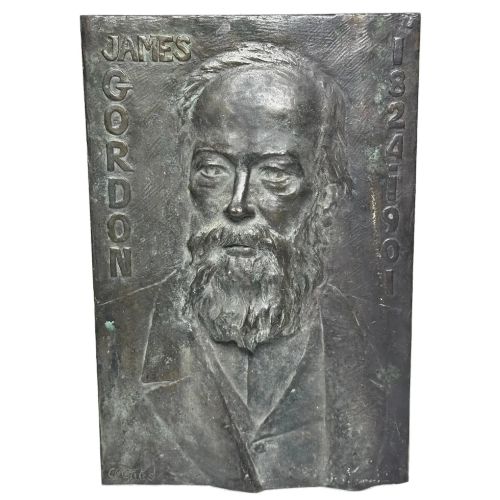
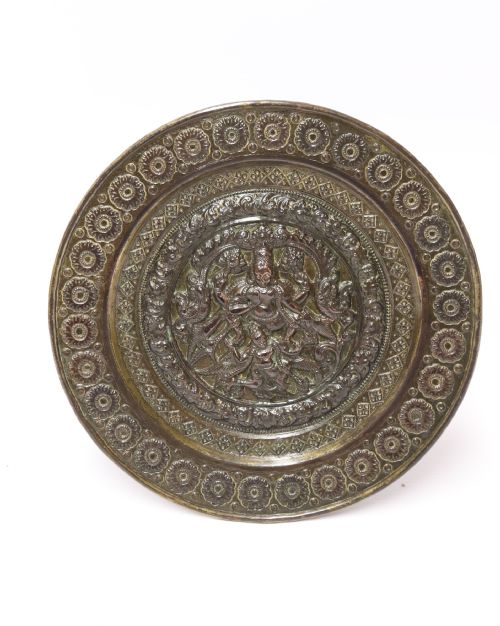
When you search for a vintage metal relief plaque, you are looking at cast, beaten, or chased sculptural works designed for wall hanging or display. These pieces range from intimate portrait studies to large commemorative items and architectural hardware.
The selections available span multiple periods, touching upon Victorian, Edwardian, and Art Deco aesthetics. Common forms include commemorative subjects, heraldic designs, and figurative scenes cast in copper, bronze, brass, or iron.
You are most likely to encounter works originating from the nineteenth and early twentieth centuries, alongside later mid-century examples. Many pieces incorporate wooden mounts such as oak backings to support the heavier metal elements.
Materials and construction methods
The primary construction relies on durable metals, predominantly bronze, copper, and brass, which are cast or hand-beaten to create raised sculptural surfaces. Cast bronze and iron allow for sharp, enduring details in heraldic and figurative subjects.
Listings feature metal relief plaques spanning the nineteenth century through to the mid-twentieth century, utilising copper, bronze, brass, and iron.
Assessing quality in relief work
The weight of the material and the integration of any wooden backing board influence the overall integrity of the piece. Superior examples maintain clear maker signatures, distinct casting stamps, or attribution marks that confirm their origin.
Alice Gates·Gustav Grohe
The Vintage Metal Relief Plaque Glossary
- Relief
- Sculpture in which figures project from a background. Low relief flattens the projection while high relief stands out more fully.
- Chasing
- The art of finishing metal by indenting with a hammer and small punches. This technique sharpens details on cast metal plaques.
- Maquette
- A small scale preliminary model or sketch. Artists create these before casting the final bronze piece.
- Polychrome
- Decorated in a variety of colours. This surface treatment appears on specific painted metal or wooden tableaux.
- Heraldic
- Pertaining to armorial bearings and family crests. These designs signify lineage, allegiance, or official authority.
Vintage Metal Relief Plaque: Frequently Asked Questions
What is the best way to clean antique copper?
Antique copper generally benefits from minimal intervention to preserve its natural aged patina and historical surface character. Dusting with a soft, dry cloth is usually sufficient for routine maintenance.
Avoid aggressive metal polishes or chemical cleaners that strip away age and diminish the visual depth of the relief. Consult a professional conservator if the surface requires deeper cleaning or corrosion removal.
Can I date a plaque without a maker mark?
Dating relies heavily on stylistic clues, framing methods, and the specific type of metalworking technique employed. Victorian and Edwardian pieces often display distinct design motifs that correspond to known artistic movements.
Examining the reverse side, including screw types, backing wood, and mounting hardware, offers further chronological evidence. Comparative analysis with dated examples helps narrow down the production era.
Why are some metal plaques mounted on oak?
Oak backings provide structural rigidity and a stable foundation for displaying heavy metal relief castings. The wood frames the metal artwork and offers a convenient surface for wall attachment.
Historically, contrasting dark oak complemented the warm tones of copper, bronze, and brass. This combination was particularly favoured for commemorative tablets and display plaques during the Victorian and Edwardian periods.