




High Relief Plaque
A high relief plaque brings sculptural depth and commanding presence to a wall, offering rich narrative scenes carved or cast in deep dimension.
High Relief Plaque
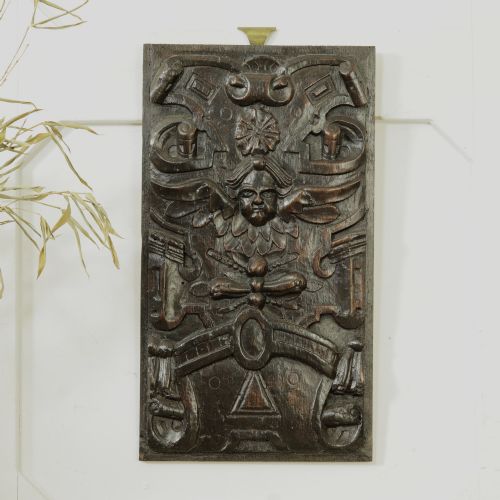
When you search for a high relief plaque, you encounter pieces that project boldly from their background, spanning centuries of craftsmanship from the seventeenth century through the Victorian era.
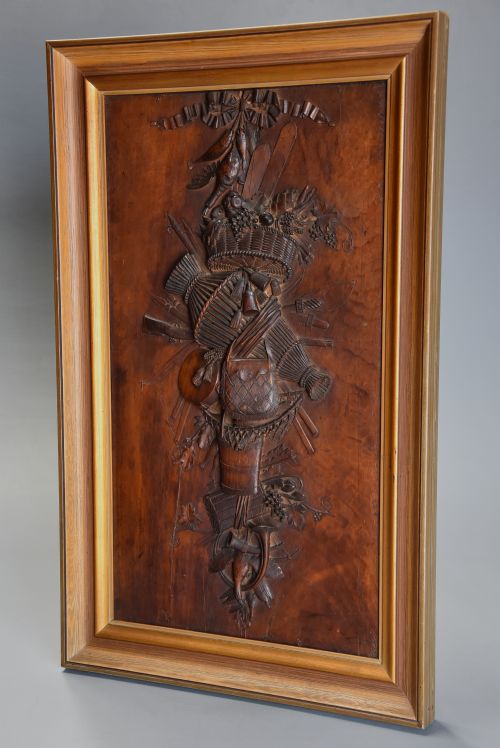
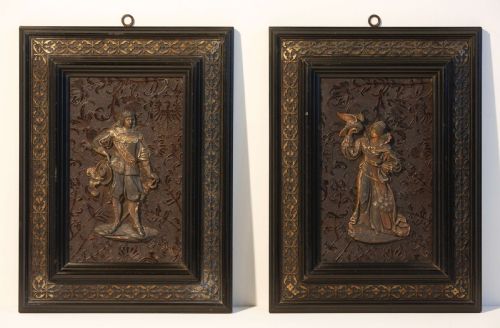
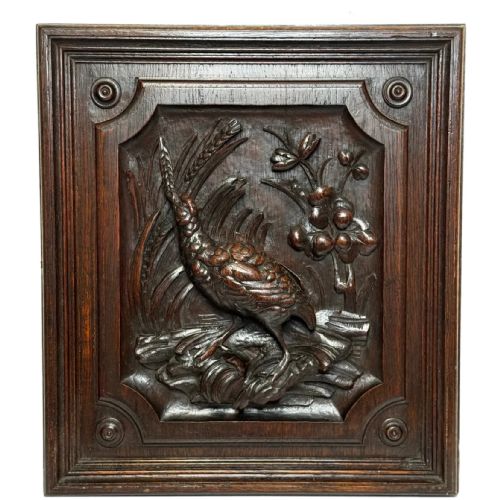
The selections here range from carved oak panels and fruitwood trophy carvings to metal plaques, shell cameos, and wooden wall sculptures.
You are most likely to meet carved wooden panels and classical or figural reliefs produced across British, Continental, and classical traditions.
Materials and methods
Carving in timber utilises oak, fruitwood, and tiger oak, where makers manipulate the grain to achieve deep undercut details in panels and sculptures.
Metalwork pieces employ bronze, white metal, and gilded bronze, often combined with mounts or backing materials like velvet to frame the relief.
Specialised media such as shell cameos and gilt tableaux demonstrate meticulous handwork executed in miniature scale.
Listings feature works spanning the seventeenth century, the eighteenth century, and the Victorian era, utilising oak, bronze, fruitwood, and shell.
Distinctions in quality
Depth of carving and sharpness of execution separate standard decorative objects from exhibition quality pieces, where the sculptor commands total control over anatomy and expression.
The selection of timber or metal dictates the crispness of the final form, with dense fruitwoods and cast bronzes retaining finer lines than coarser woods.
R. Pernice
The High Relief Plaque Glossary
- High relief
- Sculptural technique where the figures project significantly from the background, often undercut to appear almost fully detached. This creates strong shadow play and dramatic depth.
- Fruitwood
- Dense, fine-grained wood such as pear or apple used by carvers for intricate detail. It accepts sharp chisel work exceptionally well.
- Trophy carving
- An ornamental arrangement of symbolic objects, often including game, musical instruments, or weapons. These displays demonstrate the carver's technical virtuosity.
- White metal
- An alloy of low-melting-point metals used for casting decorative plaques and figures. It provides a stable base for subsequent plating or gilding.
- Cameo
- A method of carving an object such as a shell or stone utilising layers of contrasting colours. This technique highlights the raised motif against a darker background.
High Relief Plaque: Frequently Asked Questions
What is a high relief plaque?
A high relief plaque is a sculptural wall piece where the carved or cast design projects far out from the backing surface. It captures three-dimensional form much like a freestanding statue attached to a panel.
These works frequently depict historical, allegorical, or naturalistic scenes designed to draw the eye in interior settings.
How were these plaques originally displayed?
Historically, wooden panels and metal reliefs were integrated directly into architectural woodwork, wall panelling, or displayed as standalone works of art in reception rooms and lodges.
Smaller items like cameos and tabletop ornaments served as cabinet pieces or were mounted for prominent viewing on walls and surfaces.
How do I date a carved wooden panel?
Dating relies on examining tool marks, the choice of timber species, stylistic clues from the period such as Jacobean or Victorian Gothic Revival motifs, and general wear.
Earlier seventeenth-century pieces often show coarser hand-tooling and heavier oak construction, whereas nineteenth-century revival pieces display greater precision.
Are these pieces suitable for modern walls?
These plaques add immense texture and historical character to contemporary interior spaces, contrasting effectively against plain plastered walls.
Ensure proper wall fixings are used to support the weight of denser materials like solid oak, bronze, or framed metal plaques.