



Vintage Metal Hearth Screen
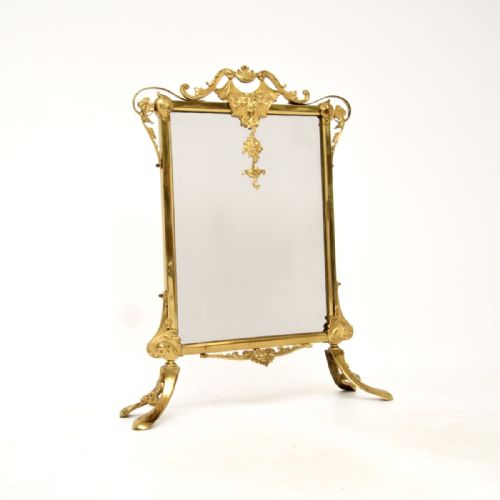
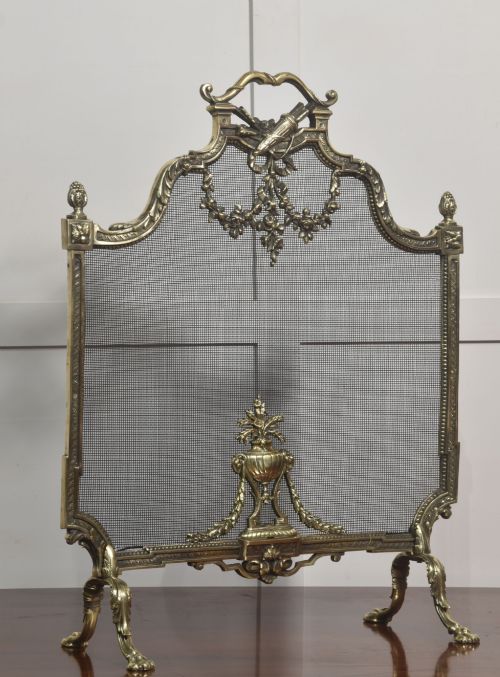
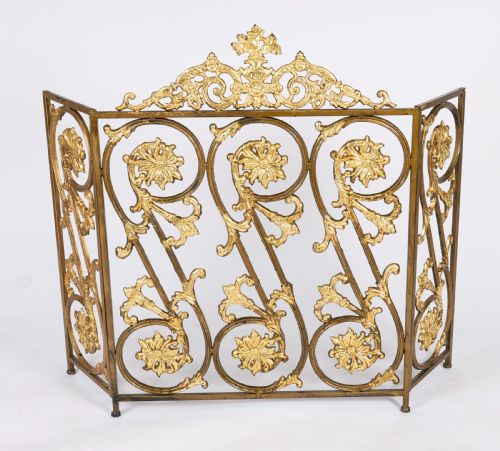
A vintage metal hearth screen guards the room from stray sparks while anchoring the fireplace with polished brass or dark iron.
Vintage Metal Hearth Screen
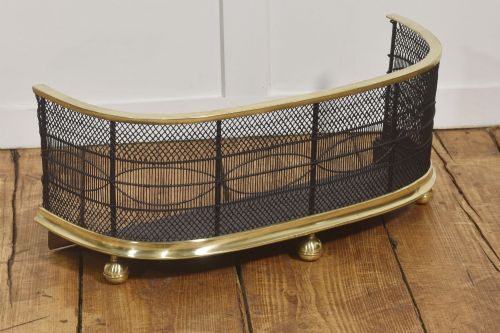
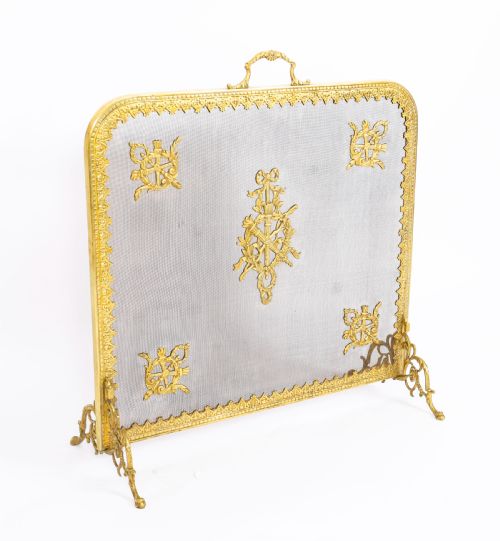
A vintage metal hearth screen is a practical barrier designed to sit before an active fire, protecting the room from sparks and embers. These pieces function primarily as fire guards, spark guards, and nursery fenders while serving as a decorative focal point for the hearth.
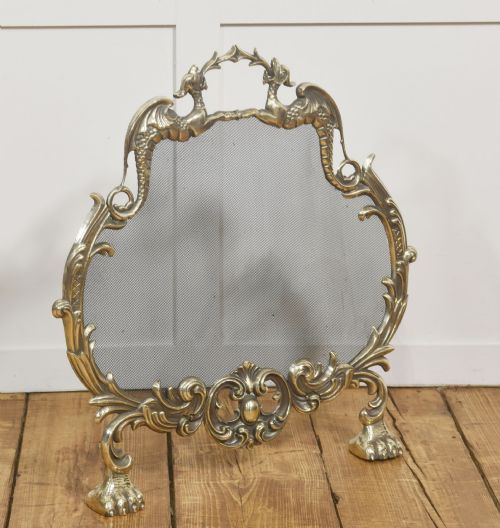
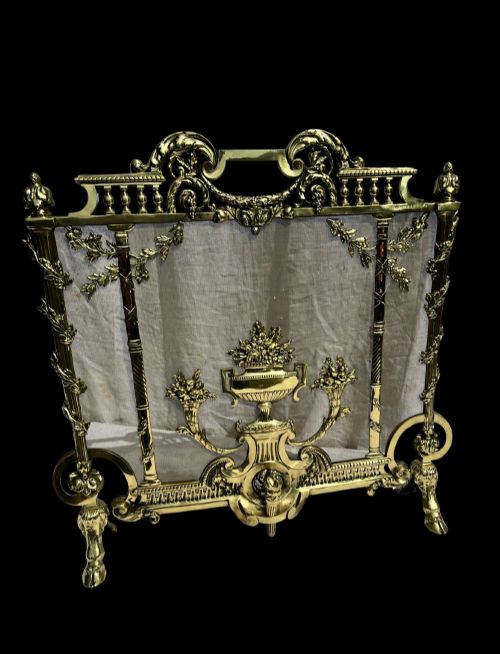
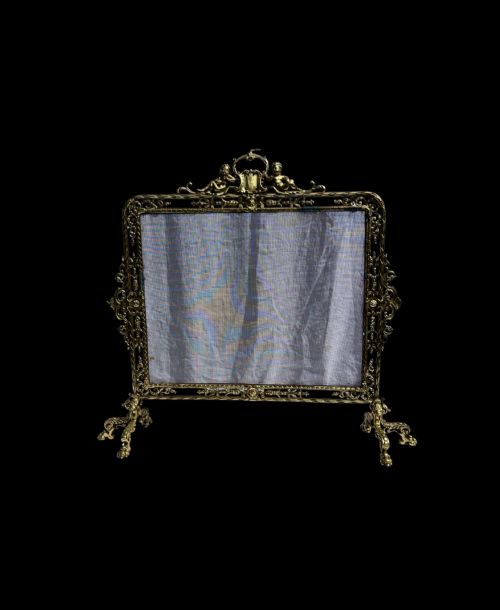
The selection here draws heavily from nineteenth-century and early twentieth-century examples, spanning Victorian, Edwardian, and revival aesthetics. Buyers encounter everything from simple folding wire mesh guards to ornate French Rococo and Gothic revival brass panels.
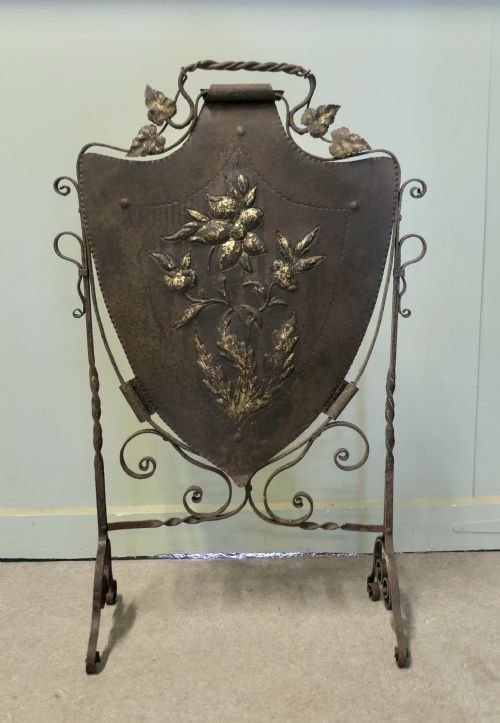
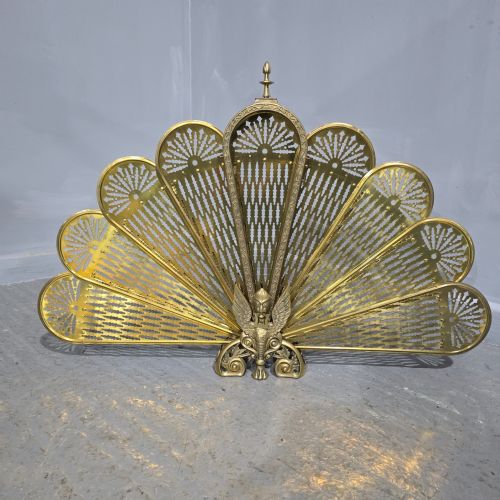
Makers and designers from these periods utilised diverse forms, including tripartite folding frames, peacock fan configurations, and heavy iron shields. Copper panels and oak-framed screens also appear alongside traditional cast and wrought iron structures.
Materials and construction methods
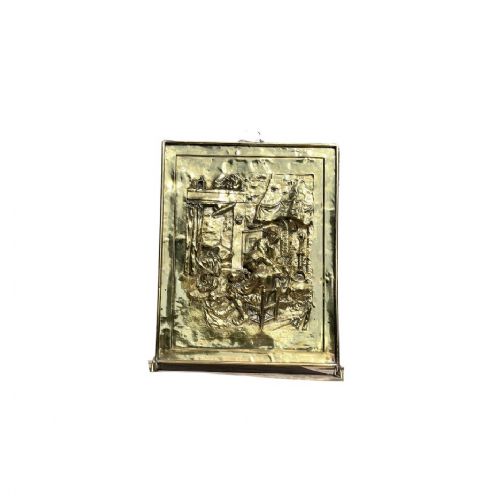
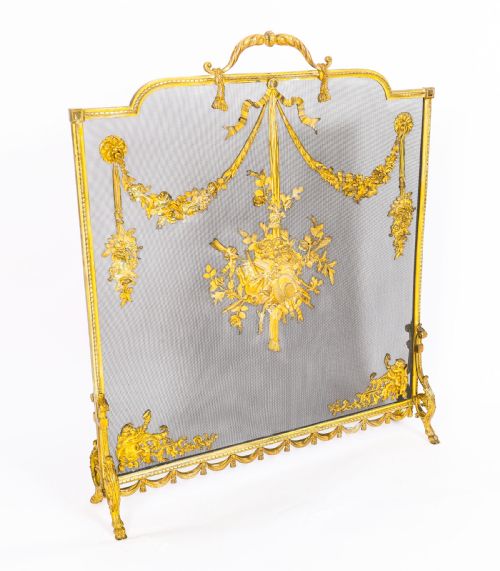
Brass, copper, iron, and steel form the structural foundation of these screens, often combined with fine wire mesh or wrought iron frames. Metalworkers employed techniques such as embossing, chasing, piercing, and gilt finishing to embellish the surfaces of brass and bronze.
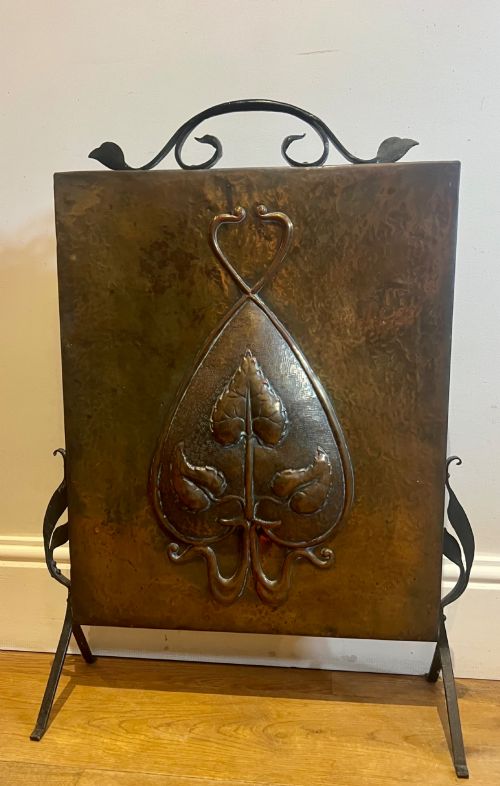
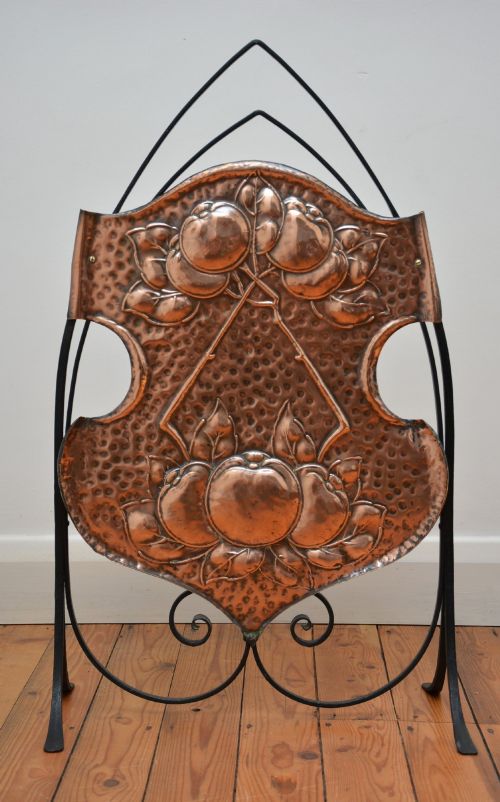
Copper panels frequently display hand-beaten textures associated with the Arts and Crafts movement and Newlyn style work. Folding sections rely on sturdy hinges and handles, while heavier fire guards incorporate rigid wrought iron and protective mesh screens.
Vintage Metal Hearth Screen Retail Price Guide 2026
Typical asking prices for vintage metal hearth screen among the pieces listed under this phrase on Sellingantiques today, from the lower quarter to the upper quarter. They describe what is for sale here now, not the wider market.
Some nursery fenders included integrated clothes rails, turning the hearth guard into a makeshift Victorian laundry dryer.
Assessing quality in metal hearth screens
Quality rests upon the weight of the metal, the crispness of chased or embossed details, and the integrity of the hinges on folding panels. Substantial gauge brass and heavy wrought iron indicate superior durability compared to thinner, stamped alternatives.
Fine craftsmanship shows in pierced brass fretwork, securely woven wire mesh, and well-executed revival styling that remains structurally stable when freestanding before a hearth.
The Vintage Metal Hearth Screen Glossary
- Spark guard
- A fine wire mesh screen designed specifically to catch embers flying from an open fire. These often feature folding side panels for adjustable coverage.
- Nursery fender
- A low, protective metal barrier enclosing the hearth area to keep children and pets at a safe distance from the flames.
- Fireplace reflector
- A polished metal panel designed to project radiant heat back into the room. Copper and brass examples are common.
- Repoussé
- A metalworking technique where the artisan hammers the design from the reverse side to create a raised relief on the front. This appears frequently on decorative copper panels.
- Chasing
- The complementary process of refining embossed metal details from the front using small punches and hammers. It sharpens lines and adds texture.
Vintage Metal Hearth Screen: Frequently Asked Questions
How do I choose the right size?
Measure the width and height of your fireplace opening to ensure the screen covers the entire hearth span safely. Freestanding and folding models offer flexibility for different hearth dimensions.
Consider whether you need a flat panel or a multi-section folding screen that angles around the fire opening.
Can I use these with an active fire?
Most of these metal and wire mesh screens are built to withstand hearth heat and block sparks effectively. Ensure the mesh and frame are sturdy enough for daily use.
Folding spark guards and heavy iron screens are particularly suited for containing active coal or wood fires.
How do I clean brass and copper?
Gentle dusting and mild soapy water preserve the aged patina on vintage metal surfaces. Avoid harsh chemical polishes that strip historical character.
Light application of appropriate metal care keeps brass bright without erasing the depth accumulated over decades.