

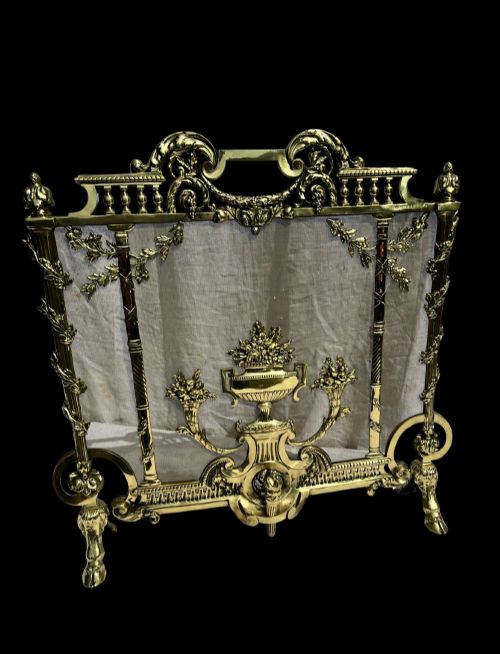
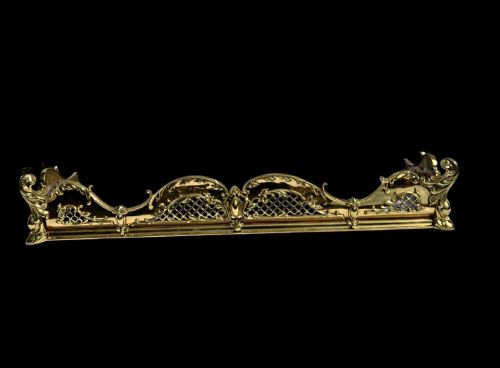
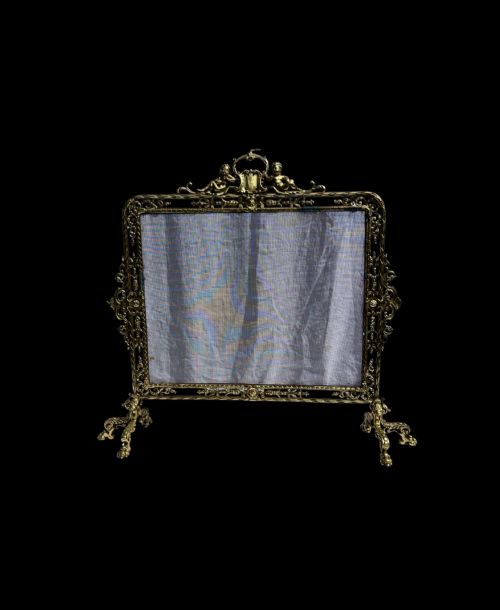
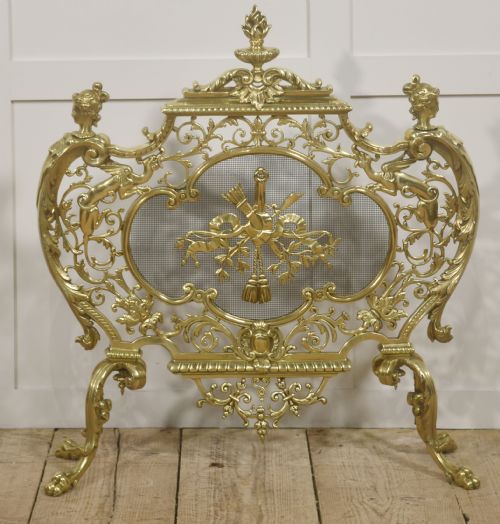


Rococo Brass Fireguard
A rococo brass fireguard brings exuberant French curves and polished metalwork to a fireplace, protecting a room from stray embers while defining a hearth.
Rococo Brass Fireguard
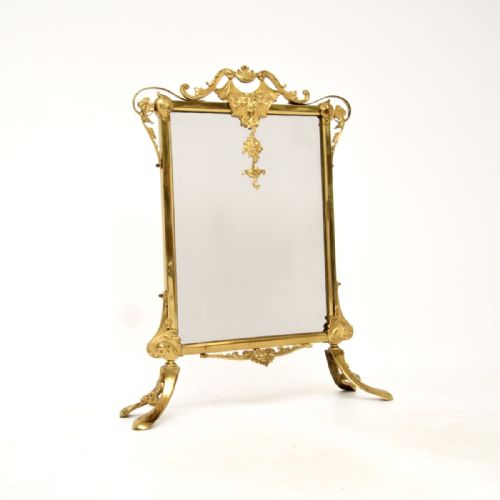
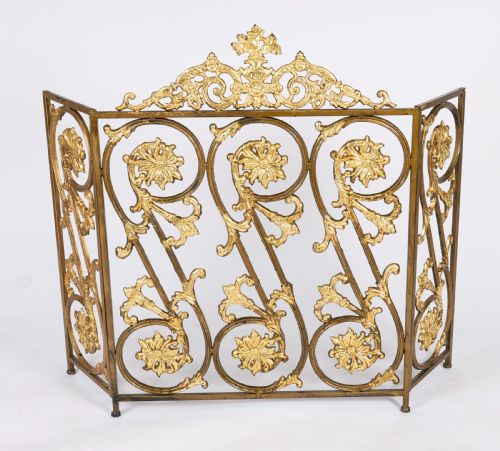
When you search for a rococo brass fireguard, you are looking at fireplace accessories designed to shield a room from sparks while adding ornamental presence to a hearth. The examples gathered here span from the mid-nineteenth century into the early twentieth century, drawing heavily on French design idioms.
How they were made
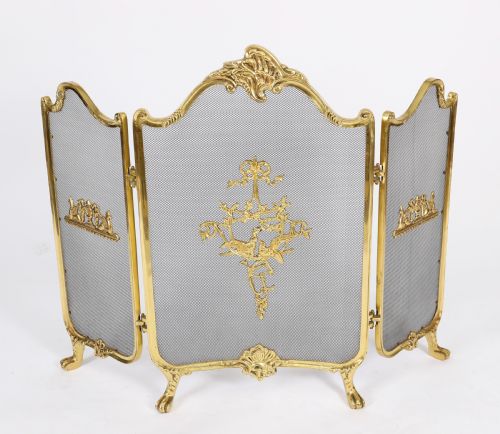
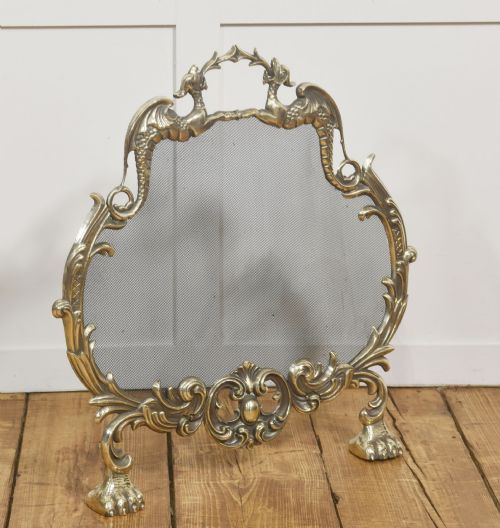
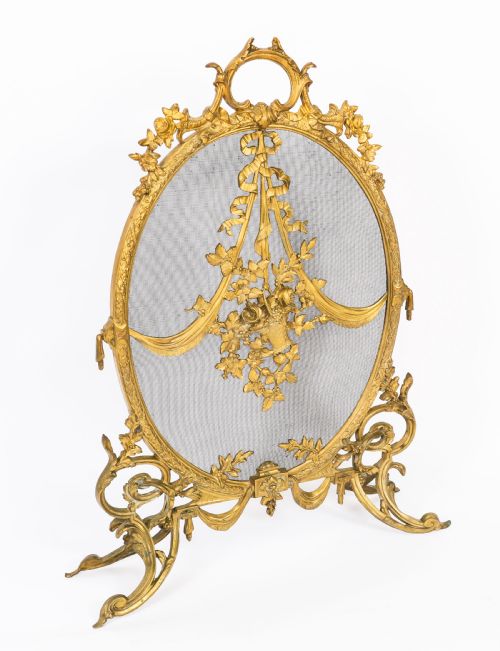
The primary materials recorded in these listings are brass, gilt bronze, and gilded brass, often combined with wire mesh to catch flying embers. Metal mesh and cast brass elements provide both the structural integrity needed near a hearth and the surface for decorative chasing.
Workshops utilised casting and piercing techniques to achieve asymmetrical scrollwork, floral motifs, and figurative details such as dolphins. Gilding and bronze finishes were applied to surfaces to catch the flickering light of an open fire.
Rococo Brass Fireguard Retail Price Guide 2026
Typical asking prices for rococo brass fireguard among the pieces listed under this phrase on Sellingantiques today, from the lower quarter to the upper quarter. They describe what is for sale here now, not the wider market.
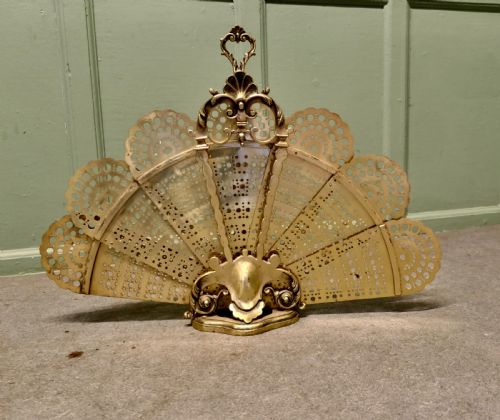
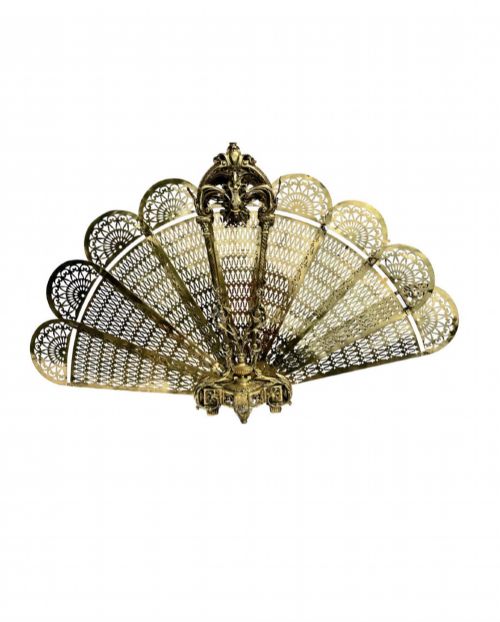
Some folding brass screens open up like a peacock's tail to spread warmth and colour across the hearth.
What varies in quality
Quality in these fireguards rests upon the crispness of the casting and the depth of the chased detail across the brass or gilt bronze. Simpler stamped frames sit at one end, while heavy, intricately pierced castings with hand-finished scrolls and mounts sit at the other.
The choice of materials also marks a distinction, as solid gilt bronze and substantial cast brass retain their structural rigidity and finish far better than lighter wire mesh constructions supported by thin sheet metal.
The Rococo Brass Fireguard Glossary
- Rococo Revival
- A nineteenth-century design movement that revived the ornate, asymmetrical scrollwork and shell motifs of the eighteenth-century French court. It dominates the decorative vocabulary of these fire screens.
- Gilt Bronze
- An alloy of copper and zinc coated with a layer of gold, providing a rich metallic sheen that resists tarnishing near the heat of a fire. It is frequently found on finer French examples.
- Fire Screen
- A movable panel placed before a fireplace to guard against radiant heat or sparks when the fire dies down. Many variations include folding panels or integrated mesh guards.
- Pierced Brass
- Metalwork that has been cut through to create decorative patterns and openwork designs. This technique lightens the visual weight of heavy brass fenders and screens.
- Fender
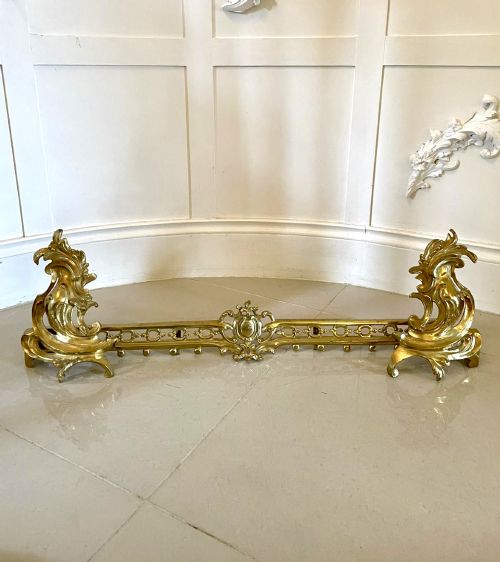
- A low metal guard placed on the hearth around the base of a fireplace to contain rolling logs and ash. Extending versions allow the width to be adjusted to the hearth.
Rococo Brass Fireguard: Frequently Asked Questions
How do I clean a brass fireguard?
Dust the metal regularly with a soft cloth to prevent soot accumulation. Avoid harsh commercial abrasive cleaners that strip away the aged patina and any remaining surface gilding.
For stubborn marks, use a mild soapy solution and dry the metal thoroughly immediately afterwards. Preserving the mellow tone of the brass maintains the historic character of the piece.
Are these fireguards safe for a working fireplace?
Many of these pieces incorporate sturdy wire mesh specifically designed to contain sparks and embers from an open fire. However, vintage screens should be inspected for stability before being placed near active flames.
Lighter folding screens function primarily as decorative room furniture when the hearth is unlit. Heavier cast brass and bronze models offer greater physical substance near burning fuel.
How do I distinguish Rococo Revival from Louis XIV style?
Rococo Revival pieces rely on asymmetrical C-scrolls, flowing natural forms, and shell motifs without strict symmetry. They feel playful and dynamic.
Louis XIV style pieces lean towards grander, highly symmetrical designs featuring classical architectural symmetry and formal strapwork. Both styles were enthusiastically revived during the nineteenth century.
Can an extending fender fit any fireplace?
Extending brass fenders are designed with adjustable sliding sections to accommodate varying hearth widths. Measuring your hearth opening carefully ensures the fender spans the required distance.
They sit directly on the floor or hearthstone in front of the fire grate. The adjustable mechanism allows for straightforward positioning without permanent installation.