

Vintage Metal Figures
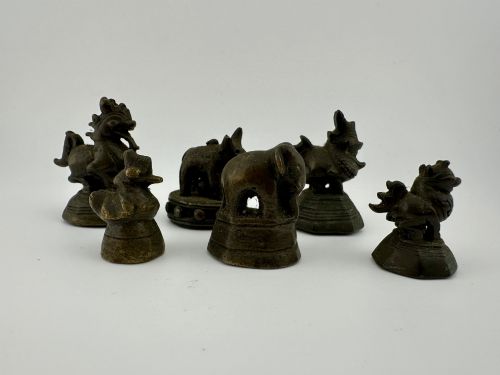
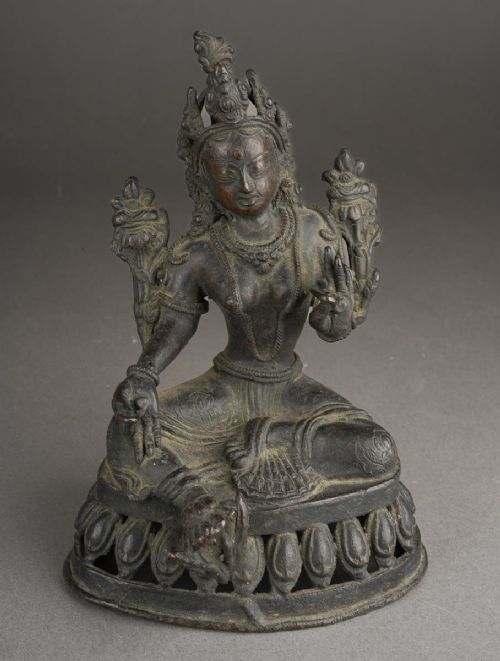
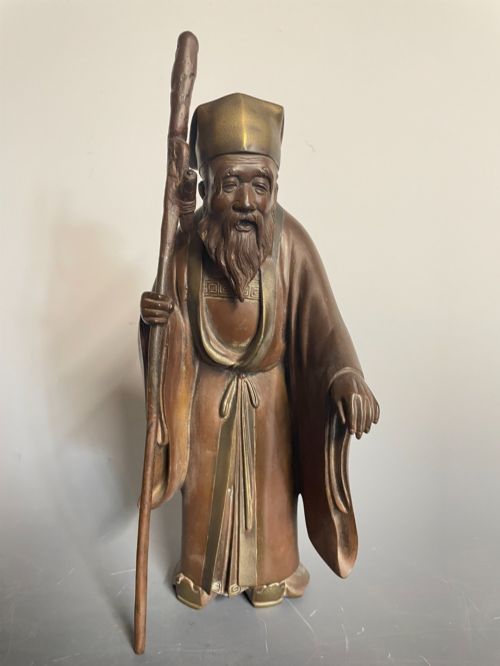
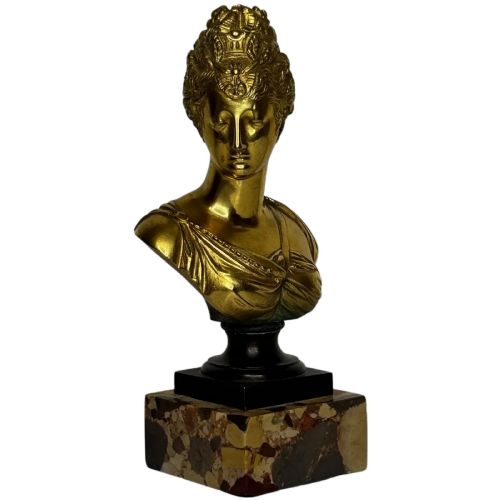
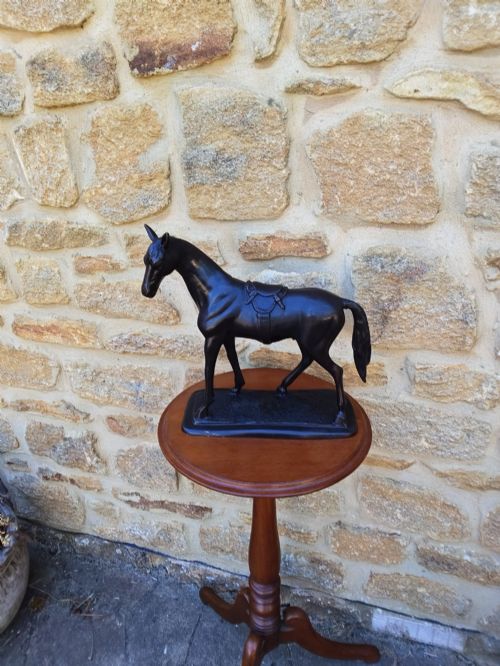
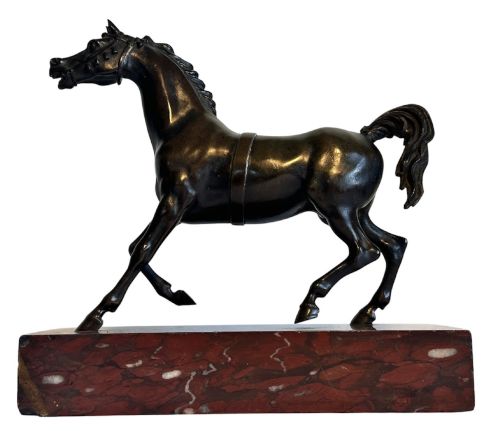
Vintage metal figures bring home the weight and detail of past centuries, offering solid bronze, brass and spelter forms for the desk or mantel.
Vintage Metal Figures
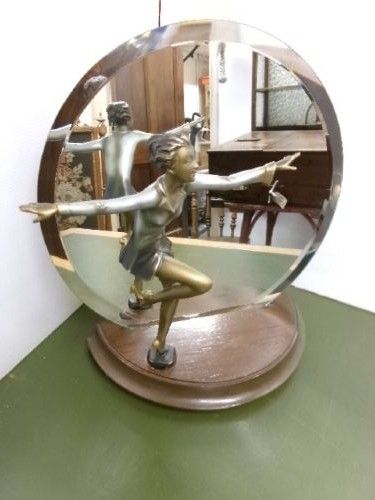
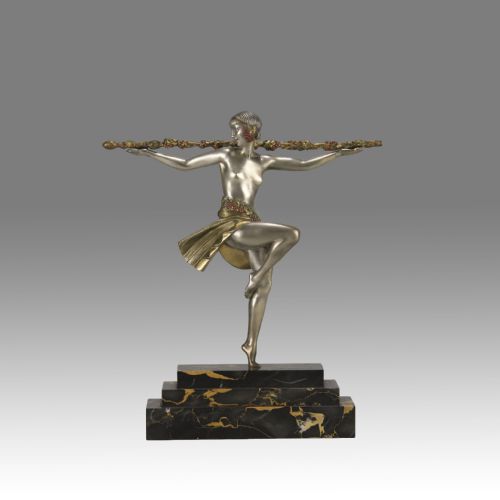
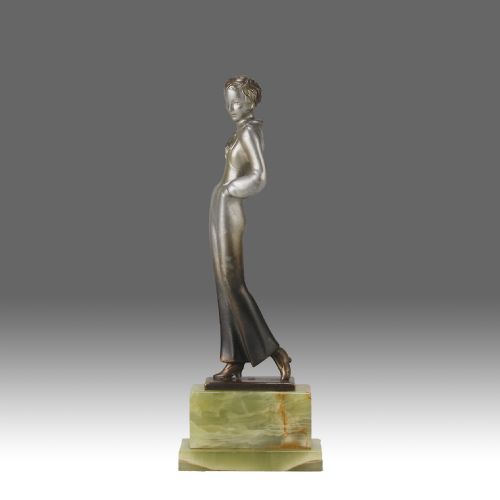
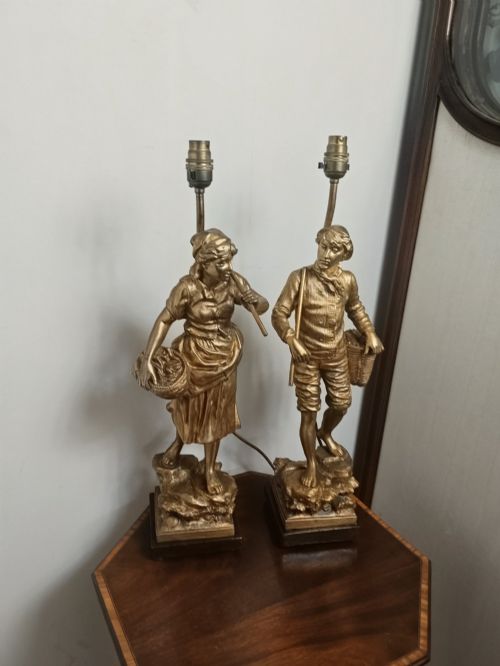
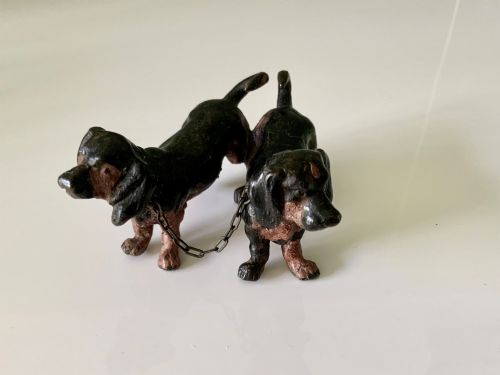
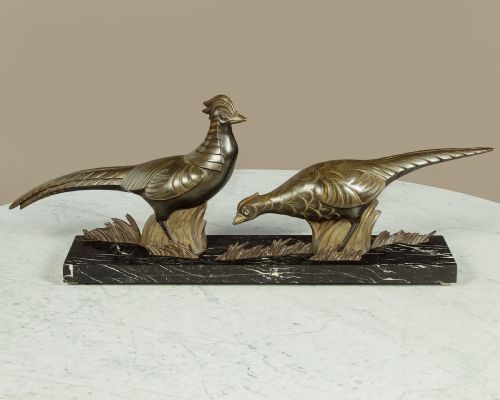
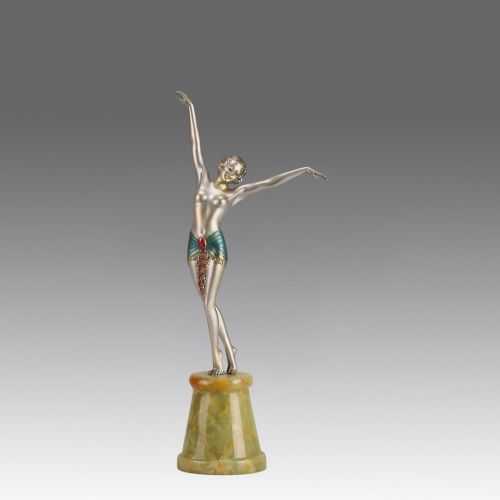
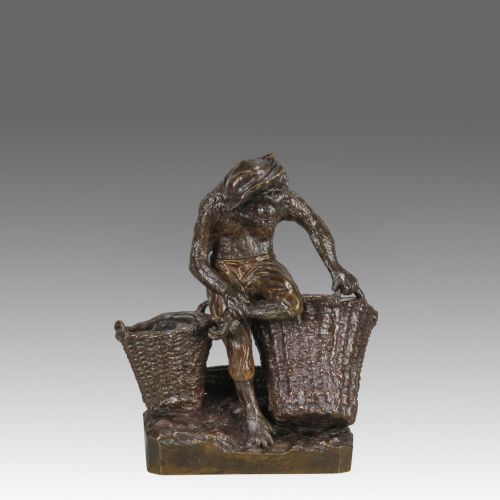
Vintage metal figures span utilitarian items like doorstops and door porters alongside decorative sculptures, animalier studies and figural table lamps. Buyers seeking this phrase encounter subjects ranging from Art Deco dancers and mythological portraits to cast iron animals and Victorian mantel clock figures.
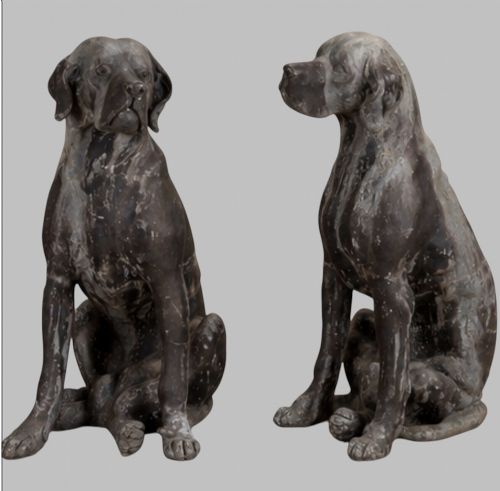
The objects derive from periods including the Victorian and Edwardian eras, with a strong representation of Art Deco designs from the 1920s and 1930s. Formats vary from diminutive paperweights and desk tidies to life-size lead hounds and cast iron statues.
Materials extend beyond standard bronze to include spelter, brass, cast iron, silver plate and chrome. Origins stretch across Britain, France, Italy, Austria, Japan and China, reflecting diverse manufacturing traditions from foundry work to folk art.
Materials and casting methods
Foundries utilised traditional techniques such as lost-wax casting for bronze sculptures and sand casting for heavier items like cast iron doorstops and lead planters. Spelter provided a more accessible metallic alternative for French figural sculptures and Art Deco animal groups.
Surface treatments define many pieces, seen in the cold-painted polychrome finishes of Austrian animal bronzes and the gilt or ormolu surfaces applied to French candelabras and table lamps. Bases incorporate contrasting natural materials like marble, alabaster, onyx and wood to support the metal weight.
Listings feature metal figures cast in bronze, brass, spelter, cast iron and lead across Victorian, Edwardian and Art Deco periods.
Distinctions in execution
The choice of base materials and the weight of the metal alloy dictate structural solidity. Integrated signatures from known sculptors or foundry marks from establishments like Val d'Osne elevate the standing of a piece within its period.
Pierre le Faguays·Josef Lorenzl·Christophe Fratin·P. Sega·C Masson
The Vintage Metal Figures Glossary
- Spelter
- A zinc alloy utilised as a less costly substitute for bronze in decorative sculptures and mantel clock garnitures. It accepts patination and metallic paint finishes readily.
- Animalier
- A nineteenth-century artistic genre dedicated to the realistic portrayal of animals, particularly predators, horses and birds in action. These studies often appear in bronze.
- Cold-painted bronze
- A technique where bronze figures receive polychrome paint applications that are left to dry naturally rather than fired in a kiln. This finish appears frequently on Austrian desk accessories and animal figures.
- Ormolu
- Gilt bronze produced by applying a mercury and gold amalgam to a bronze base and heating the metal to vaporise the mercury. The process yields a rich golden surface found on French decorative objects.
- Door porter
- A heavy weighted metal figure fitted with a handle, designed to keep interior doors open. Nineteenth-century examples often take the form of lions or historical characters.
Vintage Metal Figures: Frequently Asked Questions
What are vintage metal figures made of?
These pieces are cast from a variety of metals including bronze, brass, spelter, cast iron, lead, silver plate and chrome. Many incorporate secondary materials for their bases, such as marble, onyx, alabaster or wood.
Foundries selected specific metals depending on the intended function and cost of the object, utilising heavy iron for doorstops and ductile bronze for detailed sculptural work.
How do I identify Art Deco metal figures?
Art Deco examples, typically dating from the 1920s and 1930s, often feature stylised female dancers, streamlined animal groups and geometric motifs. They frequently utilise spelter or chrome-plated metal alongside painted details.
Signatures from sculptors or the distinct posture of dancers and leaping gazelles help confirm the period aesthetic of these items.
Where were these metal figures produced?
Production centres spanned across Europe and Asia, with notable works originating from British, French, Italian, Austrian, Japanese and Chinese workshops. French foundries specialised in decorative spelter and ormolu, while Austrian makers excelled in cold-painted bronze.
Asian pieces often comprise traditional bronze or brass plates and figures reflecting Meiji period craftsmanship.
How were figural table lamps used?
Figural table lamps combined illumination with sculptural art, placing bronze, gilt or alabaster figures at the centre of the design. They functioned as functional lighting fixtures for parlours, desks and drawing rooms.
These pieces integrate electrical wiring or original lamp fittings while retaining decorative metal figures as their primary visual element.