





Vintage Metal Dishes
These vintage metal dishes span centuries of global craft, offering tactile weight and decorative presence for the home.
Vintage Metal Dishes
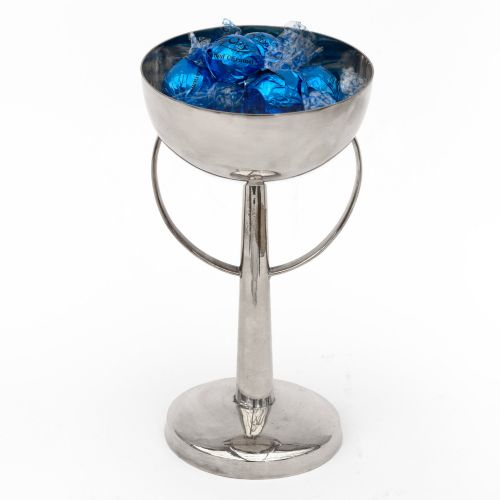
The objects originate from diverse global traditions, ranging from English pewter plates and Arts and Crafts copper trays to Japanese cloisonne enamel chargers and Middle Eastern inlaid vessels. Forms vary from simple serving dishes to elaborate display plaques and bon bon dishes reflecting periods like Art Nouveau and Art Deco.
How they were made
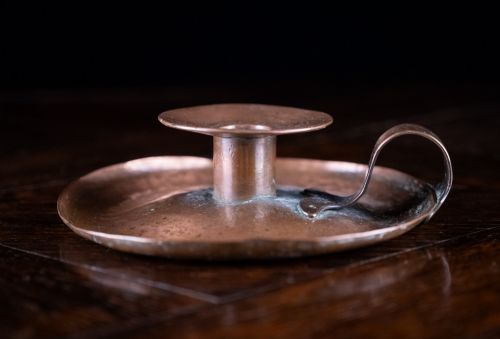
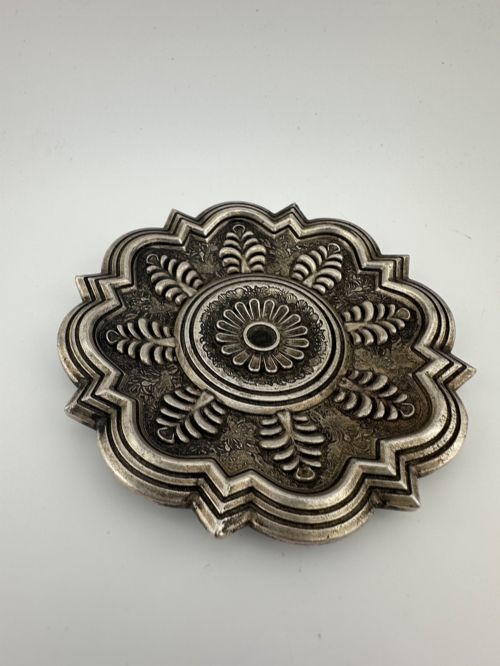
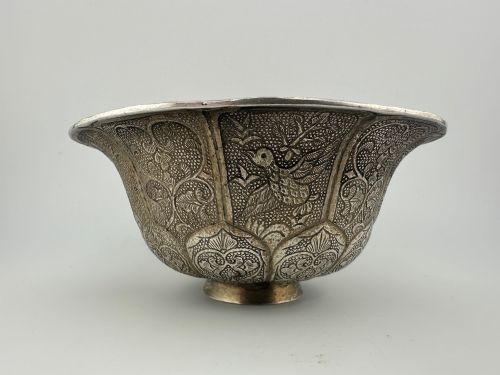
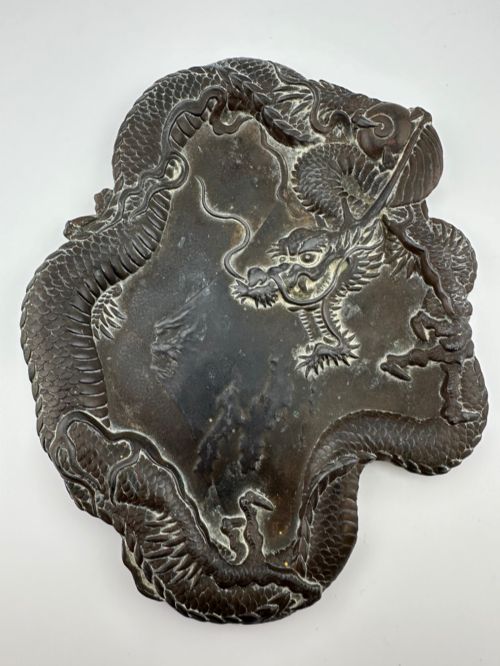
Many metal dishes rely on traditional forming techniques including hammering, spinning, and casting, often finished with repousse decoration where patterns are pushed out from the reverse side. Copper and brass pieces frequently display hand-engraved details or applied mixed-metal inlays of gold and silver.
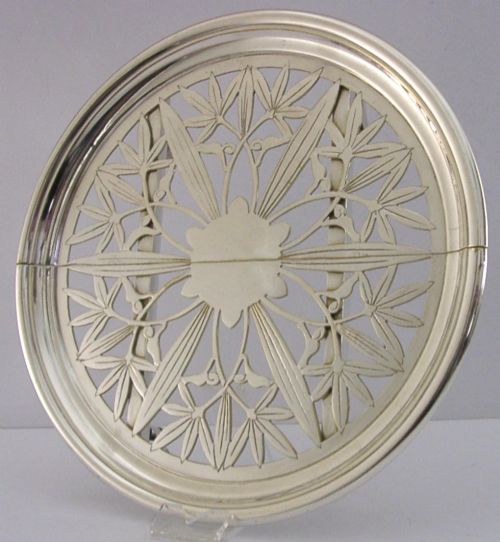
Enamelling techniques such as cloisonne involve creating compartments with wire soldered to a metal base, which are then filled with coloured enamel pastes and fired. Pewter items are typically cast in moulds and finished with hand-beating or reeded rims, while silver plated items utilise electroplating over base metals.
Vintage Metal Dishes Retail Price Guide 2026
Typical asking prices for vintage metal dishes among the pieces listed under this phrase on Sellingantiques today, from the lower quarter to the upper quarter. They describe what is for sale here now, not the wider market.
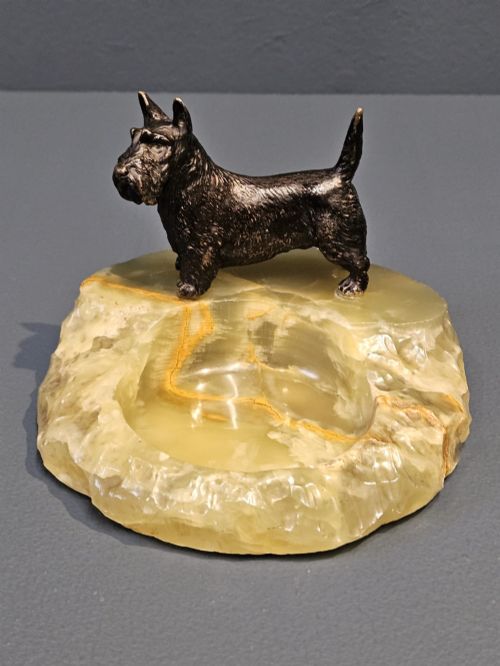
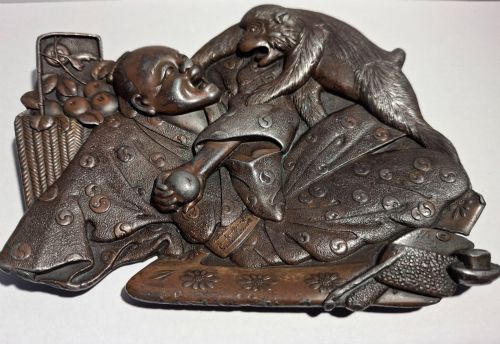
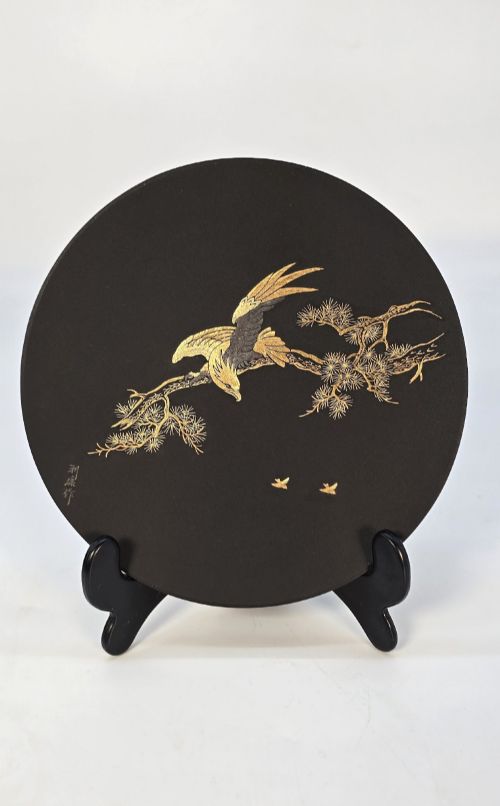
Several metal dishes double as miniature menageries, populated by leaping koi, vigilant owls, shrinking shrimp, and mounted samurai.
What varies in quality
Quality rests in the precision and depth of the handwork, whether through crispness in repousse relief, the complexity of wirework in cloisonne, or the weight and gauge of the metal itself. Superior examples demonstrate confident execution by the artisan without mechanical shortcuts.
The integrity of decorative surfaces, such as the richness of patination on bronze or the intactness of enamels, distinguishes finer pieces. Maker attribution and stylistic coherence within movements like Arts and Crafts or Art Nouveau also elevate the standing of an individual dish.
Christofle·T & H Compton·John Tubb·Robert Moulins II·Humphrey Evans II·WMF·Liberty & Co.
The Vintage Metal Dishes Glossary
- Charger
- A large decorative plate or platter intended for display rather than table service. These substantial vessels often feature elaborate engraved or repousse scenes.
- Repousse
- A metalworking technique where the artisan hammers the metal from the reverse side to form a raised design in relief on the front. Fine examples show crisp detail and careful chasing on the finished side.
- Cloisonne
- An enamelwork method where thin metal wires form raised barriers on a metal body to hold coloured vitreous pastes before firing. This technique produces intricate patterns across plates and bowls.
- Pewter
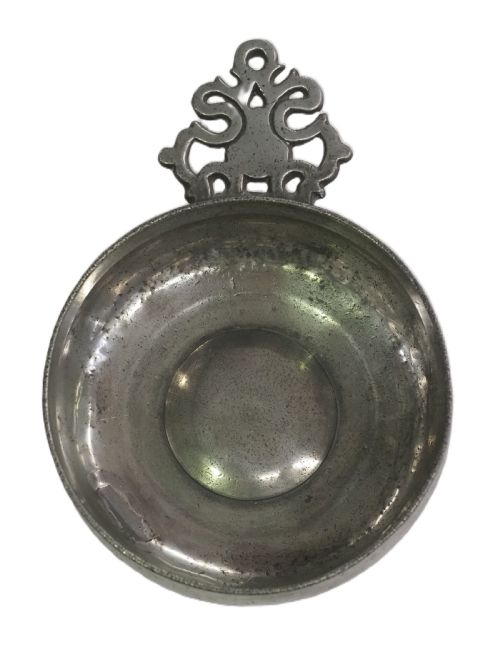
- A malleable alloy historically composed chiefly of tin combined with copper, lead, or antimony. English examples often feature reeded rims or maker touchmarks.
- Cairoware
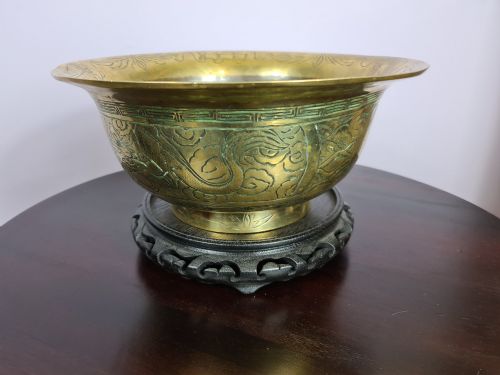
- Metalware produced in Egypt, typically brass inlaid with silver and copper to create complex Islamic geometric or calligraphic designs. These decorative bowls and dishes date predominantly to the nineteenth century.
Vintage Metal Dishes: Frequently Asked Questions
What were metal dishes used for?
While some vessels served functional roles for food, dining, or holding small items, many larger chargers and plaques were purely ornamental. They were designed to be displayed on walls, sideboards, or tables to showcase wealth and taste.
Over time, utilitarian pieces like pewter plates transitioned into decorative objects collected for their historical associations and craftsmanship. Lighter dishes functioned as card trays or desk tidies in domestic interiors.
How do I clean vintage metal dishes?
Care depends entirely on the specific metal and surface finish of the dish. Unlacquered brass and copper respond well to traditional polishes, though many collectors prefer to leave an aged patina untouched.
Enamelled pieces, silver plate, and patinated bronzes require gentle dusting with a soft cloth rather than chemical cleaning. Aggressive polishing can permanently strip delicate finishes or maker marks.
How can I tell pewter ages apart?
Early pewter relies on the thickness of the metal, hammer marks, and the style of the rim, such as multiple reeded edges found on seventeenth-century pieces. Maker touchmarks stamped into the metal provide crucial clues regarding the decade of production.
Later nineteenth and twentieth-century pewter often exhibits machine finishing or distinct guild stamps associated with the Arts and Crafts movement. Comparing the alloy weight and surface texture helps distinguish older domestic wares.
Where were Japanese cloisonne dishes made?
Japanese cloisonne enamel dishes originated primarily during the Meiji period from specialised workshops and regional centres. These works gained international acclaim for their technical mastery and naturalistic motifs.
Artists utilised silver and brass wire to delineate intricate designs of flora, fauna, and symbolic figures against dark enamel grounds. The precision of the wirework indicates the skill level of the maker.