



Vintage Meissen Porcelain
Vintage meissen porcelain brings historic European artistry into your home through finely modelled figures and hand-painted tableware.
Vintage Meissen Porcelain
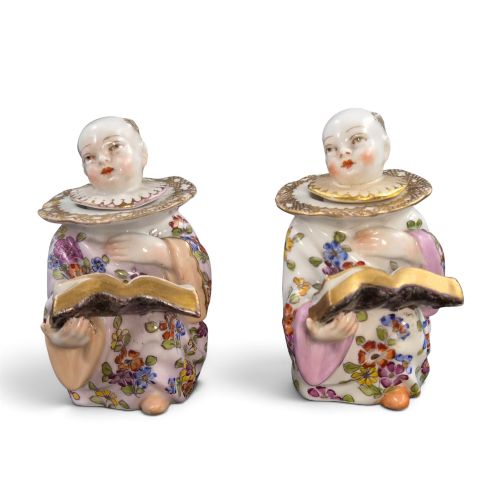
Vintage meissen porcelain encompasses a diverse array of decorative objects spanning the eighteenth, nineteenth and early twentieth centuries. Collectors encounter functional items such as plates, bowls, platters, gravy boats, inkwells and jugs alongside sculptural forms.
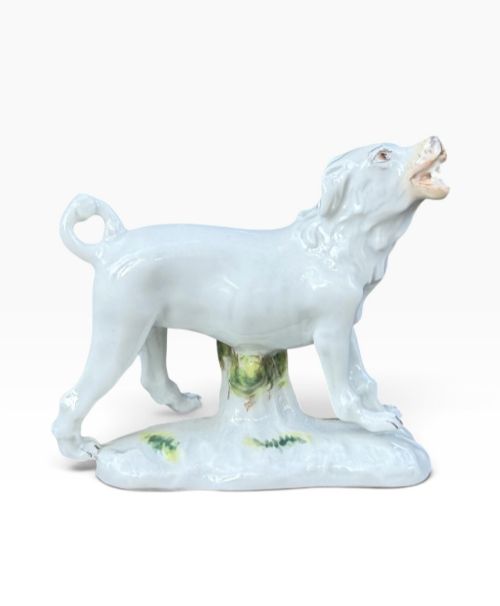
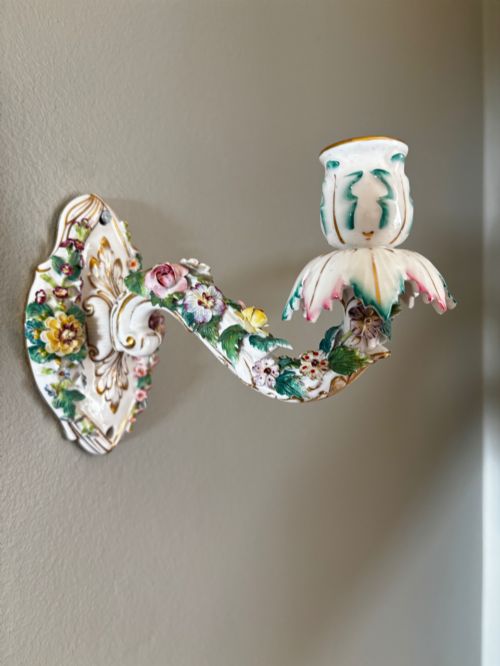
Figurines form a significant portion of these selections, ranging from street traders and dancers to animals and allegorical groups. Decorative lighting pieces like candelabras and wall sconces also appear alongside urns and centrepieces.
Pieces originate from different eras, including eighteenth-century productions from the Marcolini period, nineteenth-century revival styles and twentieth-century designs. Related items by other European makers such as Edmé Samson and Sitzendorf occasionally accompany the German works.
How they were made
Items utilise hard-paste porcelain fired at high temperatures to create a durable base body. Craftsmen apply delicate enamels, hand-painted motifs and glaze before subsequent firings to seal the colours.
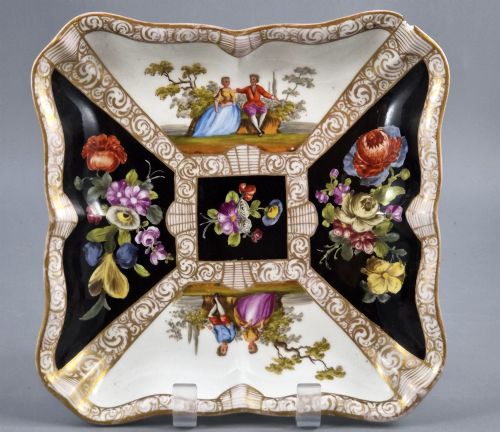
Gilding and gold leaf accent borders, handles and figural details, while metal mounts in ormolu or gilt-metal occasionally secure components together. Hand-painted birds, insects, Watteau scenes and floral patterns decorate the surfaces.
A porcelain leopard caught mid-attack on a snake shares the listings with delicate dancing cherubs and grape-harvesting girls.
What varies in quality
The precision of hand-painted details separates standard items from exceptional examples. Finer brushwork on complex scenes, birds and floral motifs demonstrates superior artistic control by the decorator.
Sculptural sharpness in moulded forms defines the visual appeal of figures and animals. Crisper details in facial expressions, drapery and botanical elements indicate careful production standards during shaping and firing.
Edmé Samson·Sitzendorf·Erich Oehme
The Vintage Meissen Porcelain Glossary
- Hard-paste porcelain
- A dense, vitrified ceramic material composed of kaolin and petuntse fired at very high temperatures. This substance forms the robust foundation for traditional European figures and vessels.
- Marcolini period
- An era of production associated with Count Marcolini's direction of the Meissen factory during the late eighteenth century. Pieces from this time often bear specific factory marks.
- Watteau scenes
- Pastoral landscape paintings depicting figures in theatrical or courtly attire, inspired by the works of painter Antoine Watteau. These motifs frequently decorate fine plates and dishes.
- Ormolu
- Finely chased and gilt bronze used as decorative mounts for porcelain objects. It adds structural support and ornamental framing to candelabras and urns.
Vintage Meissen Porcelain: Frequently Asked Questions
What is vintage meissen porcelain?
Vintage meissen porcelain refers to ceramic tableware, decorative vessels and figures produced by the historic German factory and related European makers across multiple centuries.
The items encompass functional tablewares like platters and gravy boats alongside sculptural figures, animals and candelabras decorated with hand-painted enamels.
How do I identify different periods?
Periods are identified through stylistic cues, decorative motifs and factory marks where present. Eighteenth-century items often show Rococo influence, while nineteenth-century pieces frequently adopt revival styles.
Changes in palette, subject matter and moulding precision also help distinguish earlier productions from twentieth-century items.
How were these pieces used?
Many items served practical functions in upper-class households, including dining table service with plates, gravy boats and dessert dishes. Inkwells and work basket dishes served desktop and sewing room needs.
Figurines, candelabras and urns were purely decorative, intended to adorn mantelpieces, tables and drawing rooms.
How should I clean porcelain?
Cleaning requires gentle handling, warm water and mild soap for glazed surfaces. A soft cloth or sponge prevents scratching the enamel and hand-painted details.
Avoid harsh abrasives and soaking pieces with metallic mounts or gilt-metal parts to preserve the finish.