


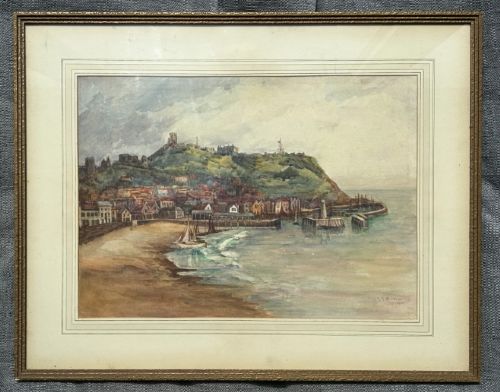

Vintage Maritime Watercolour Art
Vintage maritime watercolour art captures the enduring spirit of coastal and naval history through delicate pigments on paper.
Vintage Maritime Watercolour Art
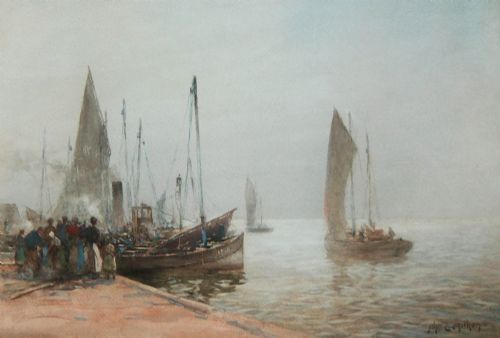
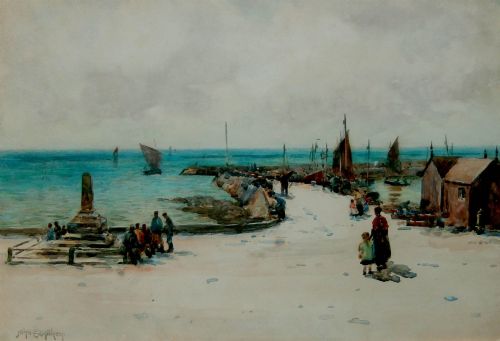
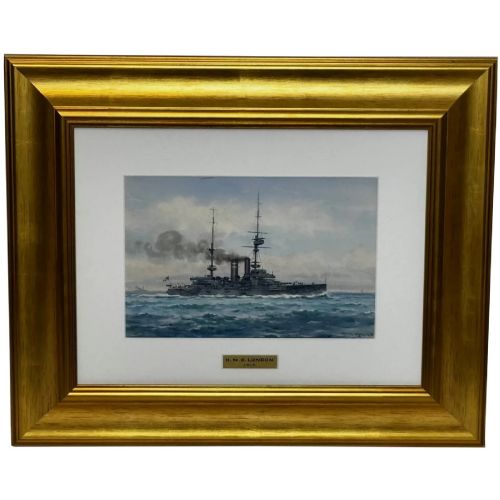
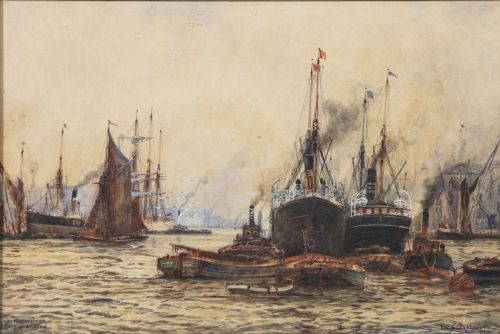
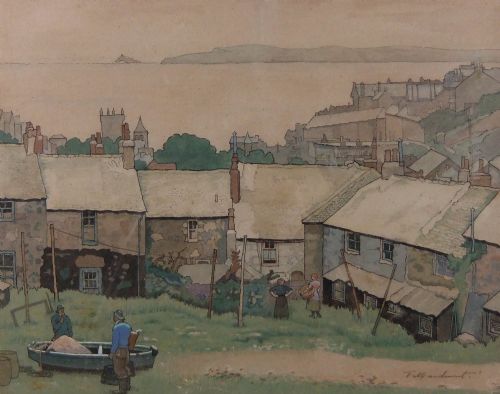
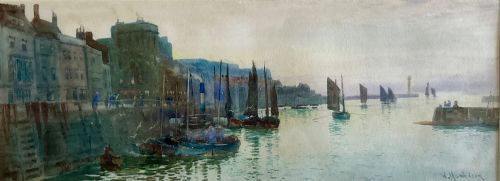
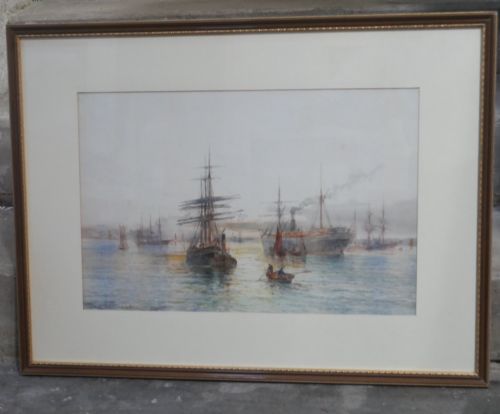
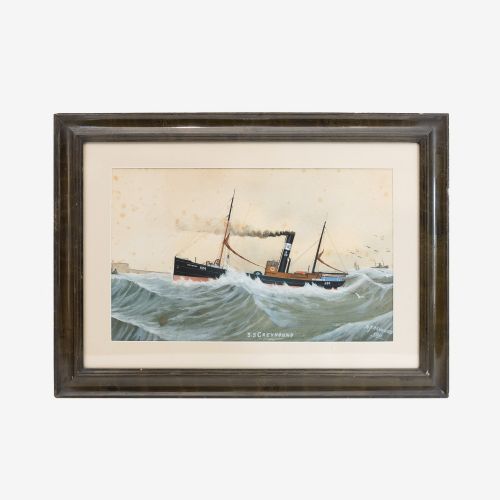
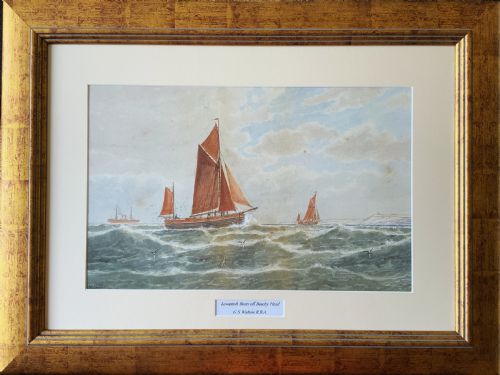
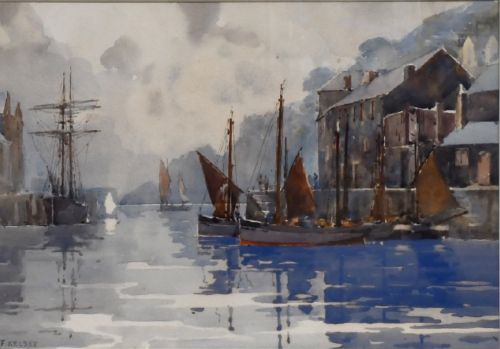
Vintage maritime watercolour art encompasses original works executed on paper, capturing seascapes, working harbours, and historical vessels across the nineteenth and twentieth centuries. These paintings record specific coastal locations from St Ives and Whitby to international waters, reflecting a period when maritime trade and naval power shaped global connections. Buyers seeking vintage maritime watercolour art encounter framed works ranging from intimate coastal sketches to detailed depictions of naval vessels.
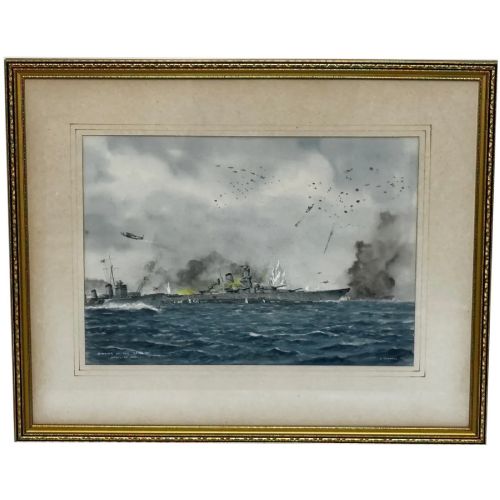
The selections available lean heavily towards British and European coastal scenes created during the Edwardian era and the interwar decades. Painters of these periods documented traditional fishing craft, bustling ports, and dramatic coastal weather with direct observation. Works span from quiet estuary scenes to turbulent naval engagements, offering a tangible link to historical seafaring life.
Materials and Techniques
Artists working within vintage maritime watercolour art relied primarily on water-soluble pigments applied to prepared paper supports, frequently augmented with ink or bodycolour to build opacity and detail. The transparency of the medium allowed creators to capture shifting atmospheric conditions, cloud formations, and the translucent quality of water. Pigments were brushed onto paper mounted within protective frames, often preserved behind glass to shield the delicate medium from moisture and fading.
Featured locations range from local British fishing ports like St Ives and Whitby to international naval harbours in Sydney and the East China Sea.
Distinguishing Quality in Maritime Watercolours
Quality in these works rests upon the artist's command of light, proportion, and nautical accuracy. Superior examples demonstrate a precise understanding of vessel construction, rigging, and maritime topography, whereas lesser works rely on generic formulas for waves and hulls. The handling of the paper's white space to create natural highlights indicates the technical ability of the creator.
Compositional strength and atmospheric depth further separate standard decorative paintings from accomplished fine art. Masterful works convey motion and scale within a confined space, capturing the weight of water and the rigidity of timber or iron vessels. The preservation state of the pigment and the paper also influences standing, as unfaded colours retain the intended immediacy of the coastal scene.
James E. Aitken·Charles Edward Dixon·Eric Tufnell·Frank Watson Wood·Thomas William Morley·Frank William Scarbrough·George Stanfield Walters·William Frederick Settle·Edward Seago·Thomas Bush Hardy
The Vintage Maritime Watercolour Art Glossary
- Watercolour
- A painting method in which the paints are made of pigments suspended in a water-based solution. This medium is valued for its luminous qualities and transparent washes.
- Gouache
- An opaque watercolour medium containing pigment mixed with a binding agent and white filler. Artists utilise this to add solid highlights and dense areas of colour to paper works.
- Lugger
- A traditional two-masted fishing vessel carrying lug sails, frequently depicted in coastal scenes from Cornwall and Yorkshire. These boats formed the backbone of regional fishing fleets.
- Man-of-War
- A powerful armed sailing warship used by the Royal Navy from the sixteenth through the nineteenth centuries. Such vessels are often rendered in detailed historical marine art.
- Staithe
- A landing stage or elevated platform used for loading and unloading ships, commonly referenced in East Anglian coastal scenes. The term denotes specific working maritime locations.
Vintage Maritime Watercolour Art: Frequently Asked Questions
How should I hang vintage maritime art?
Protect these works from direct sunlight to prevent the watercolour pigments from fading over time. Keep them away from damp environments such as unheated kitchens or bathrooms to safeguard the paper support.
Use professional framing services that utilise acid-free mounts to prevent chemical damage to the paper. Ensure the piece is securely hung using appropriate wall fixings suitable for the weight of the framed glass and wood.
What subjects appear in these watercolours?
These paintings frequently depict working fishing ports, coastal cliffs, and bustling harbours across Britain and Europe. Common motifs include sailing vessels, steamships, and naval craft ranging from nineteenth-century frigates to mid-century carriers.
Scenes often capture specific regional identities, such as Yorkshire cobles or Cornish luggers at sea. Artists also recorded historical events, coastal landscapes, and quiet tidal estuaries during different times of day.
How do I identify the date of a painting?
Examine the visible signature, dates inscribed by the artist, and any contemporary framing or backing materials. Stylistic clues within the depicted vessels, such as the transition from sail to steam, provide chronological markers.
Researching the active dates of the named artist or specific naval vessels depicted offers a reliable timeframe. Maritime history records often note when particular ships were built, commissioned, or decommissioned.
Why are these works painted on paper?
Paper offered artists a portable, responsive surface suited for capturing transient weather and light conditions while travelling along the coast. Watercolour pigment behaved predictably on prepared paper, allowing for rapid sketching outdoors.
Unlike heavy canvas supports, watercolours on paper could be easily stored in portfolios before being framed for domestic display. This medium allowed creators to achieve delicate atmospheric effects unattainable with heavy oils.