
Vintage Mahogany Storage
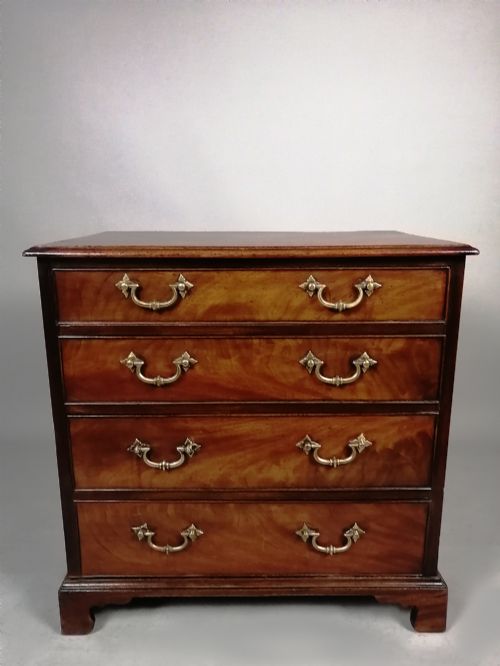
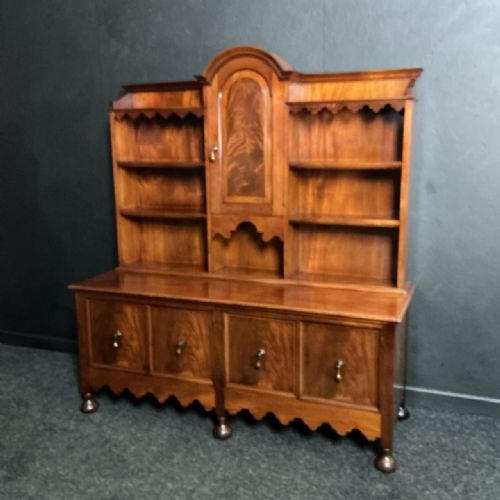
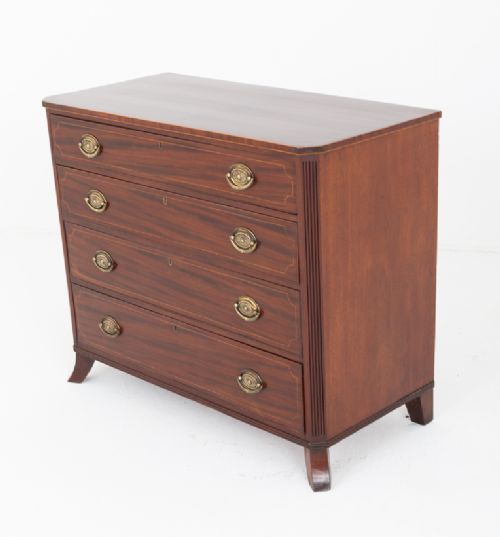
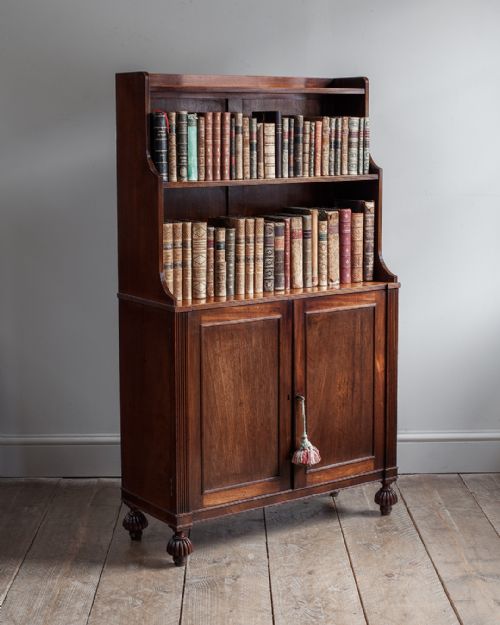
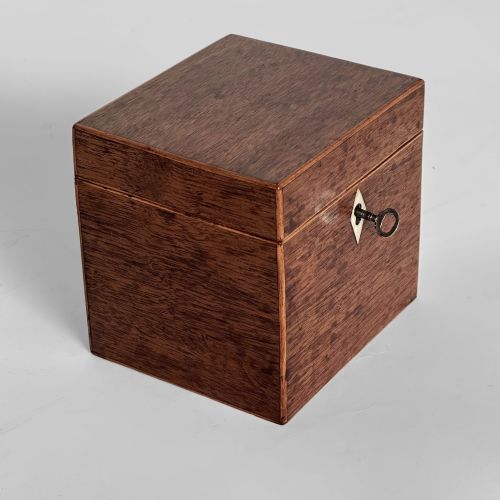
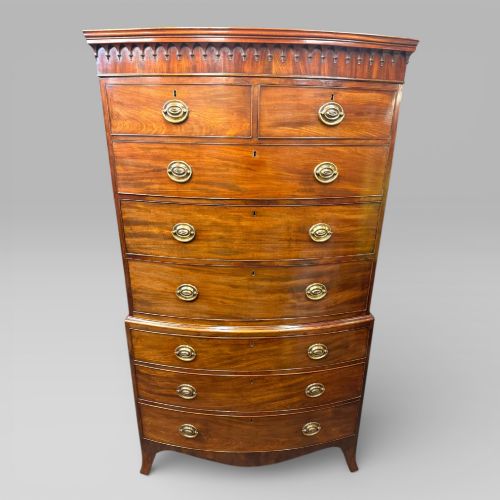
Vintage mahogany storage brings together dark timber and practical rooms, offering everything from tallboys to document boxes across periods from the Georgian era to the Edwardian decades.

Vintage Mahogany Storage
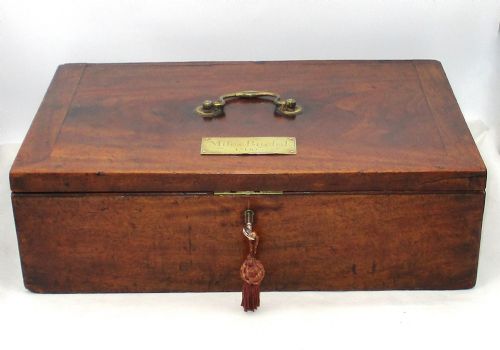
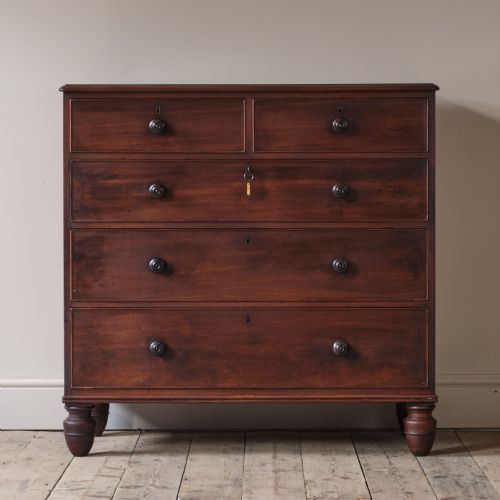
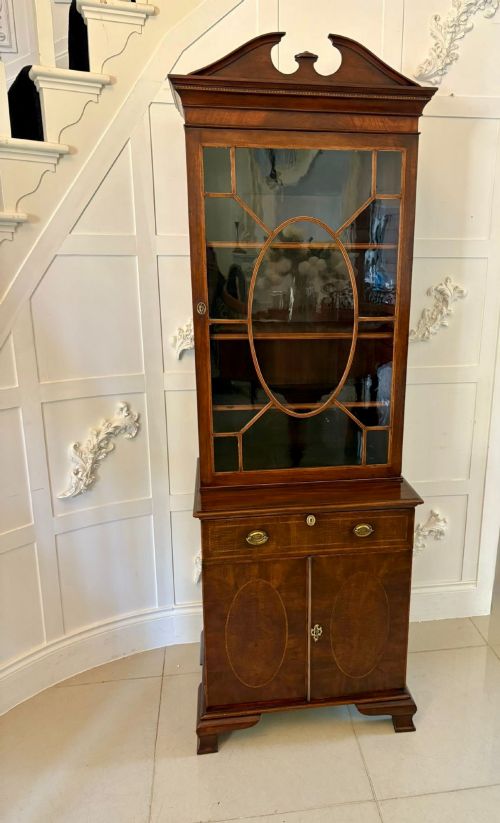
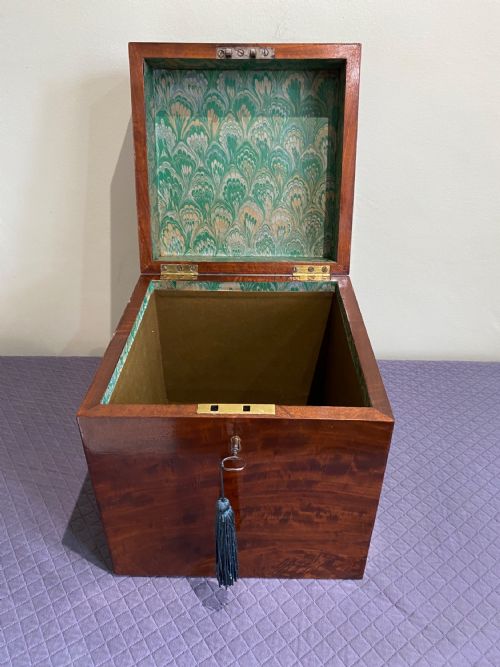
Vintage mahogany storage encompasses practical items designed to hold household goods, clothing, and documents, spanning periods from the 18th century through the Edwardian years. Buyers searching this phrase meet numerous chests of drawers alongside sideboards, bookcases, wardrobes, and smaller pieces like document boxes and tea caddies.
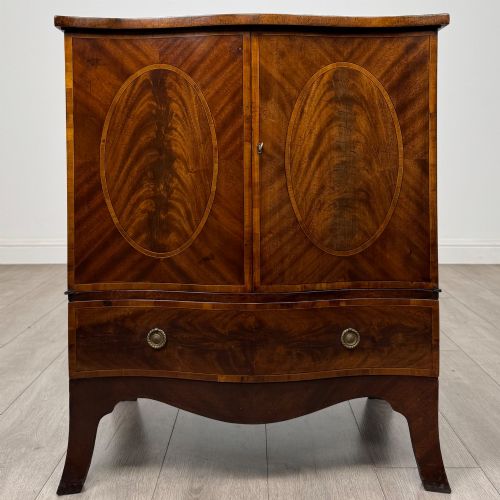
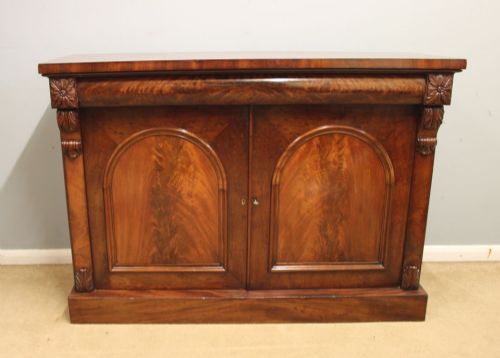
The material unites diverse forms, appearing in simple box construction as well as grander pieces like linen presses and serpentine cupboards. Pieces originate across several centuries, showing styles from strict Georgian proportions to the lighter ornamentation of the Edwardian period.
Materials and construction
Joinery methods range from traditional hand-cut dovetails on drawer boxes to tongue and groove panelling on larger storage units. Cabinetmakers selected figured veneers for drawer fronts and primary surfaces to create visual depth while maintaining robust structural integrity.
Vintage Mahogany Storage Retail Price Guide 2026
Typical asking prices for vintage mahogany storage among the pieces listed under this phrase on Sellingantiques today, from the lower quarter to the upper quarter. They describe what is for sale here now, not the wider market.
Listings feature storage items spanning the 18th, 19th, and 20th centuries, utilising solid mahogany, flame mahogany veneer, brass, and satinwood.
What separates the grades
Quality rests in the choice of timber and the precision of the veneer work, where deeply figured flame mahogany commands greater appreciation than plain stock. The refinement of secondary details, such as hand-cut dovetailing and original brass hardware, elevates a piece above standard utility items.
Proportion and stylistic restraint also define the upper tier, distinguishing bespoke cabinetmaker output from mass-produced later revival pieces. Surviving original finishes and well-preserved interior surfaces maintain the integrity expected by discerning collectors.
T & G Seddon·GM Elwood for JS Henry·maples & co·Denby & Spinks
The Vintage Mahogany Storage Glossary
- Flame mahogany
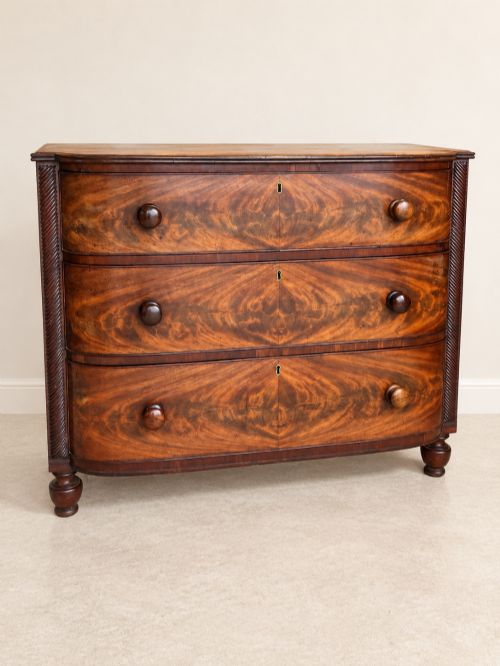
- A veneer figure resembling flickering flames, created by cutting across the branch junction of the tree.
- Banded
- An inlaid border of contrasting timber, such as satinwood, running parallel to the edges of a drawer front or tabletop.
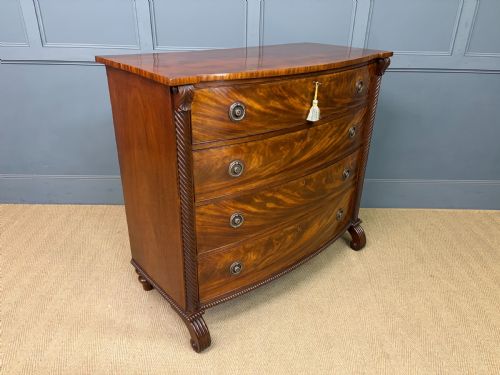
- Bow-front
- A convex curved front profile popular on chests of drawers and sideboards during the Regency and Georgian periods.
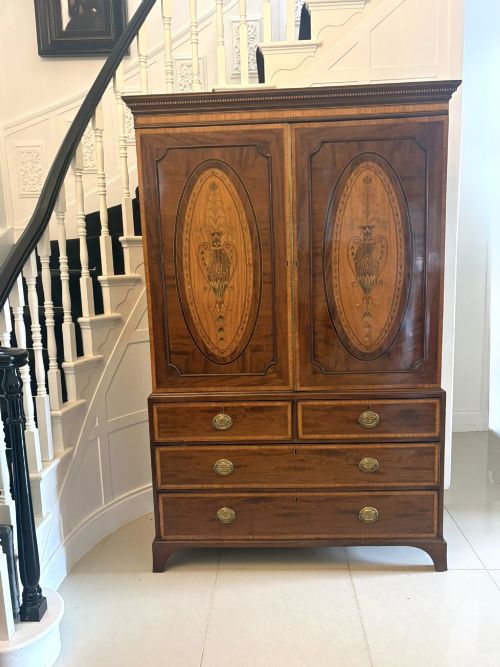
- Linen press
- A tall storage cupboard containing sliding trays or shelves above drawers, originally designed for storing household linens.
- Wellington chest
- A tall, narrow chest of drawers secured by a hinged locking side flap that fastens with a padlock.
Vintage Mahogany Storage: Frequently Asked Questions
What is flame mahogany?
Flame mahogany is a decorative veneer sliced from the point where a branch joins the main trunk of the tree. This specific cut yields a distinctive, rippling grain pattern that resembles flickering fire.
Cabinetmakers reserved this prized timber for the most visible surfaces, such as drawer fronts and top panels. It adds rich optical movement and visual depth to formal storage furniture.
How should I care for mahogany storage?
Maintaining vintage mahogany involves keeping pieces away from direct sunlight and steady heat sources to prevent the wood from drying out. Regular dusting with a soft, dry cloth preserves the polished surface without building up residue.
Occasional application of traditional beeswax helps nourish the timber and maintain its natural lustre. Avoid using modern silicone sprays, which can damage the historic finish.
Are these pieces suitable for modern homes?
Mahogany storage items offer practical compartments and robust construction that suit contemporary living spaces. Chests of drawers, bookcases, and sideboards provide functional storage while introducing historic warmth and character to a room.
Their classic proportions allow them to sit comfortably alongside modern interior design schemes. Selecting the right scale ensures the furniture serves daily needs without overwhelming the floor plan.