
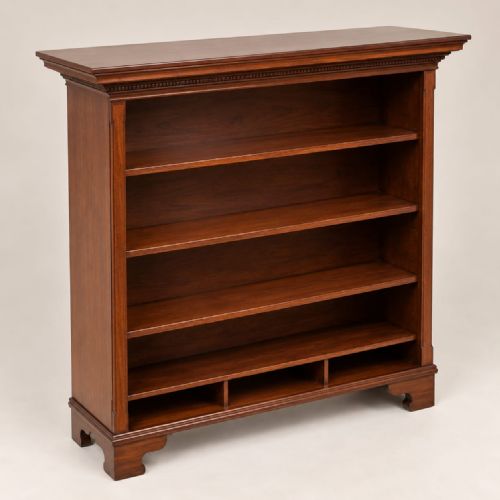
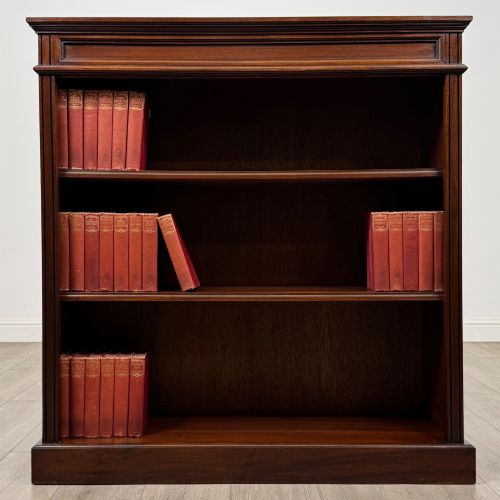
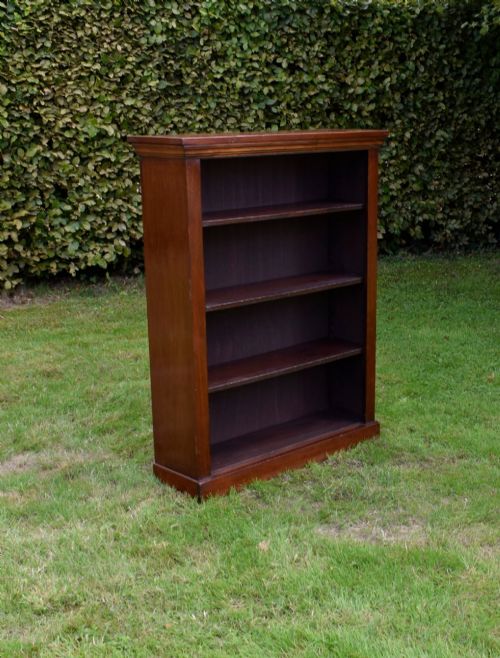
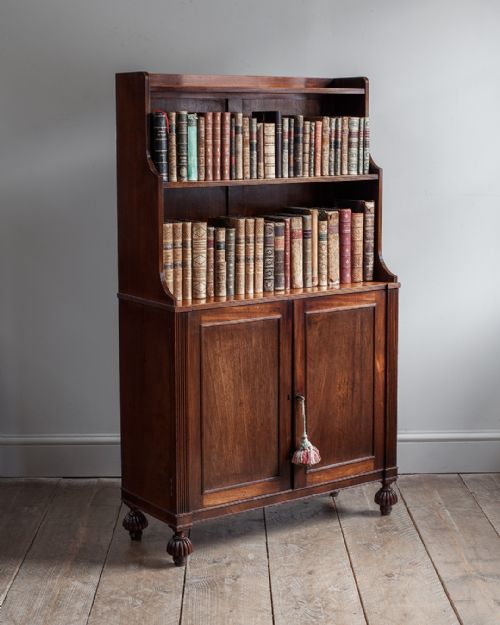
Vintage Mahogany Shelving Unit
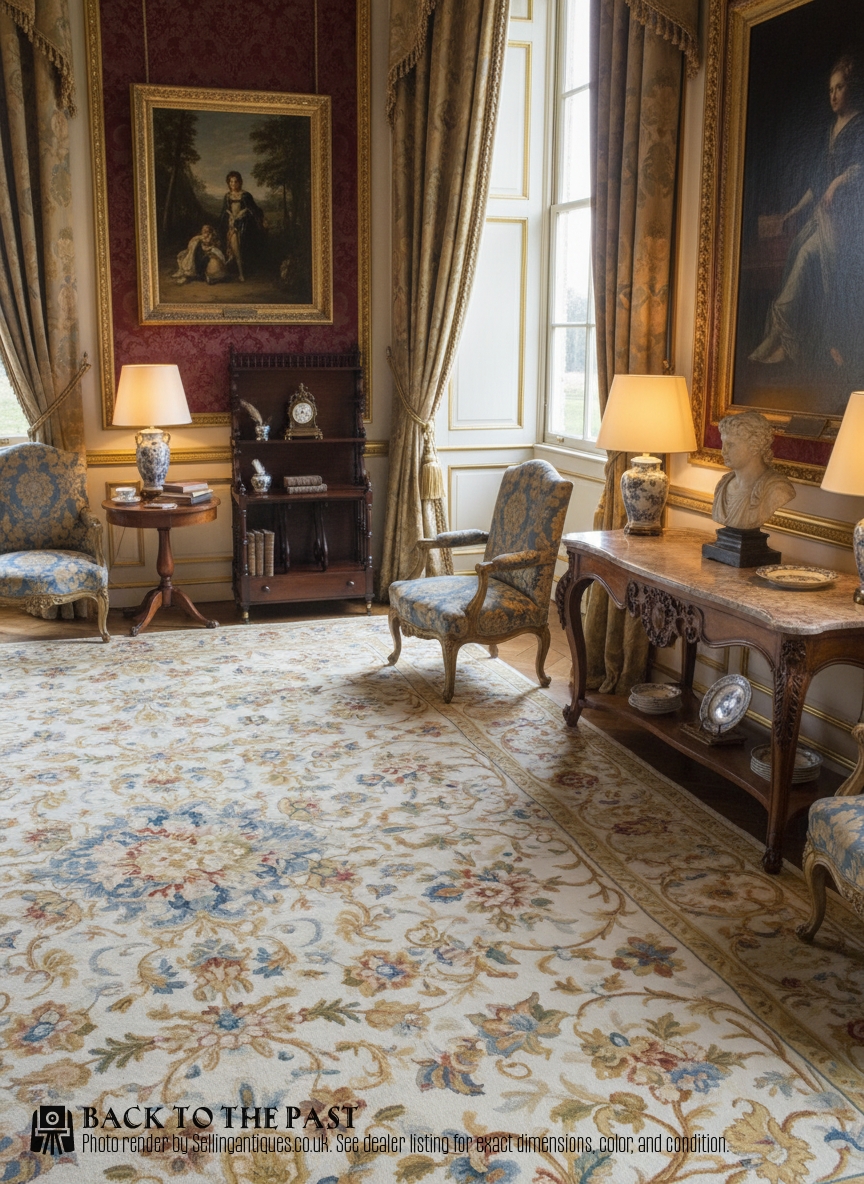
A vintage mahogany shelving unit brings warmth and architectural presence to a room, offering practical display space for books and objects through versatile tiered forms.
Vintage Mahogany Shelving Unit
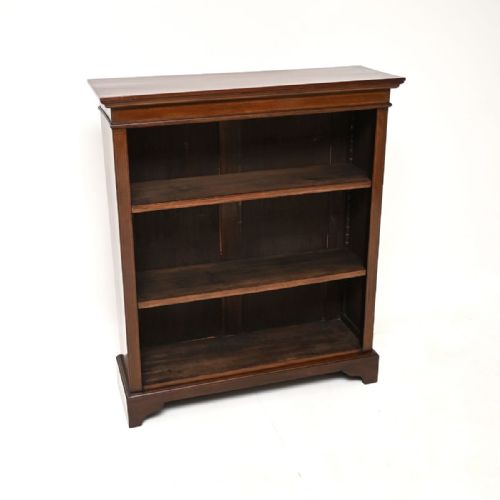
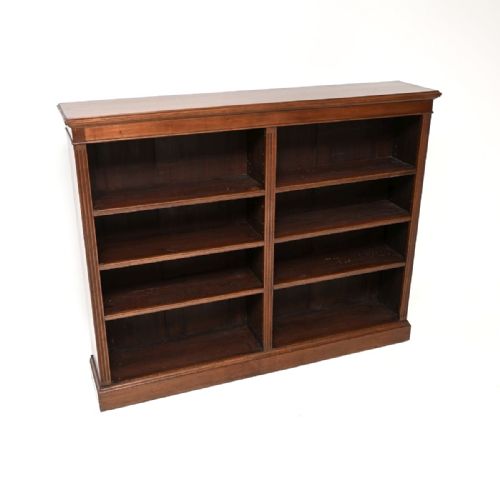
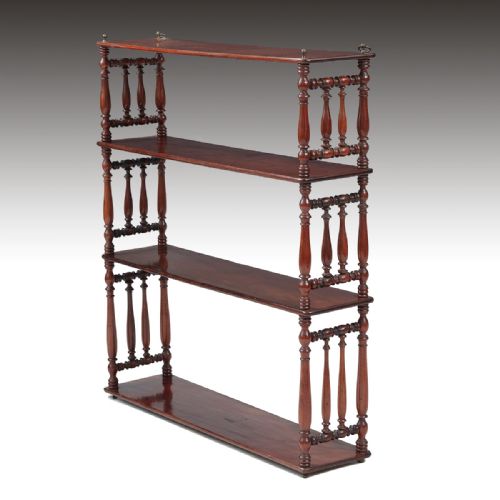
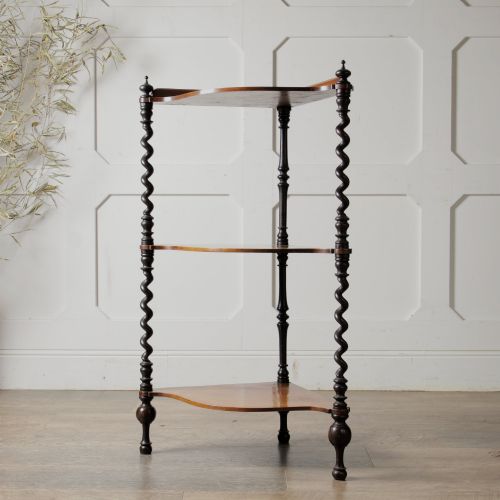
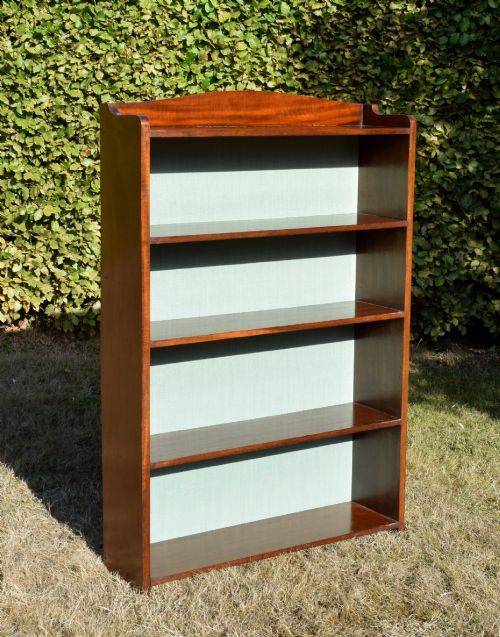
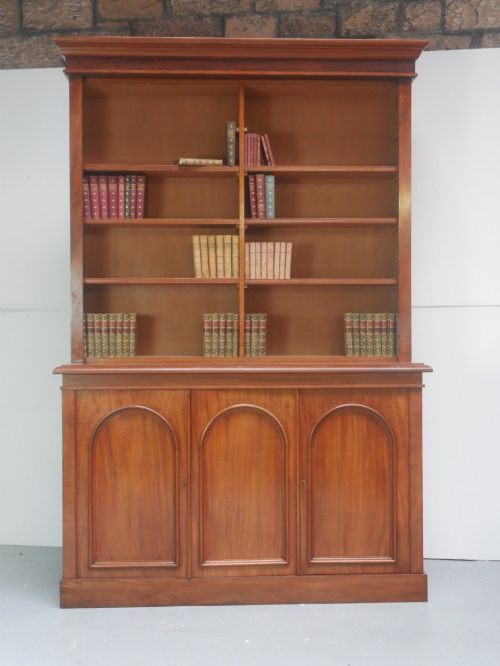
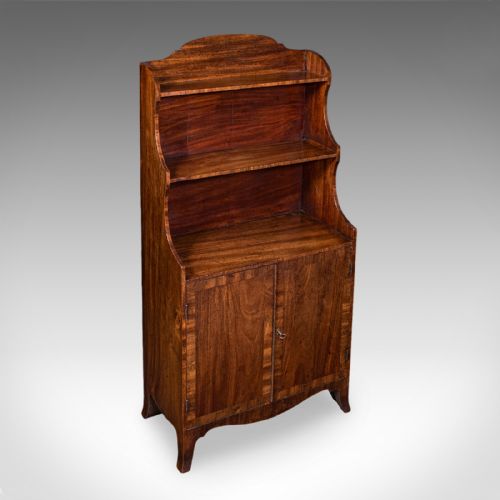
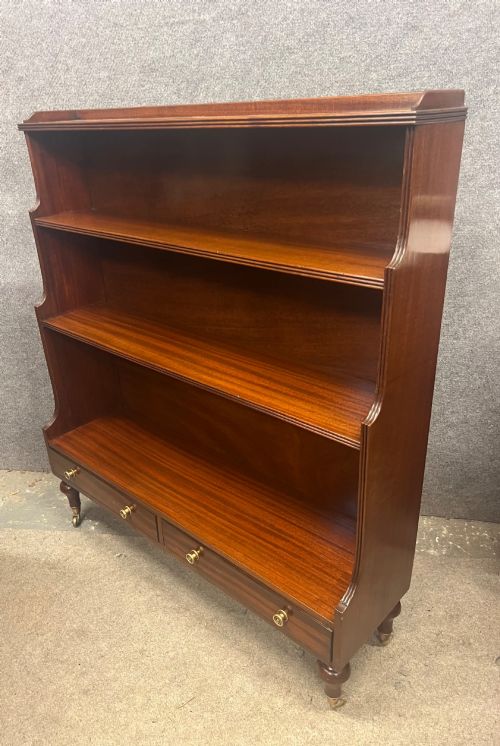
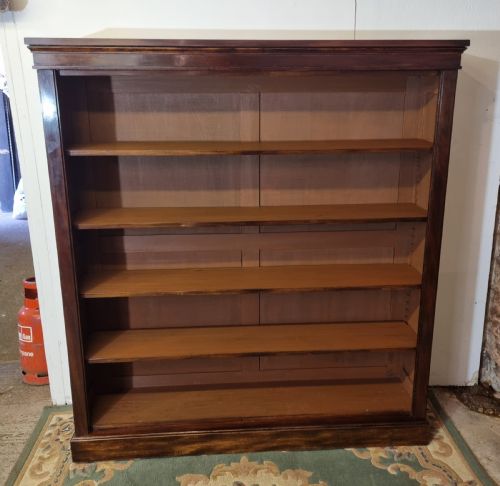
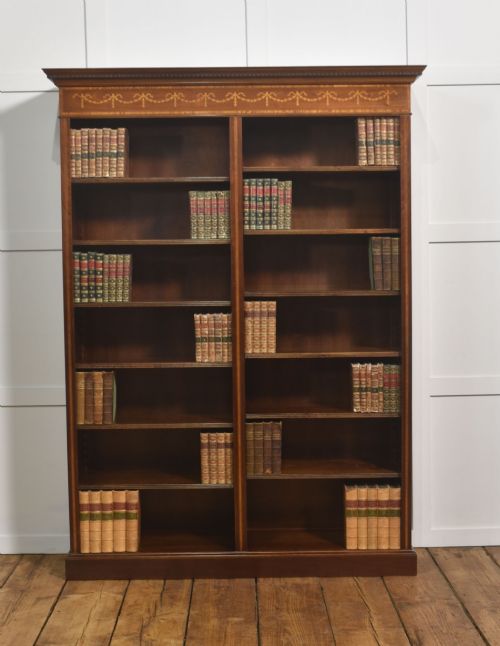
A vintage mahogany shelving unit spans open bookcases, tiered whatnots, and hanging wall shelves originating from the nineteenth and early twentieth centuries. These pieces reflect Georgian, Regency, Victorian, and Edwardian design traditions through architectural proportions and functional open storage.
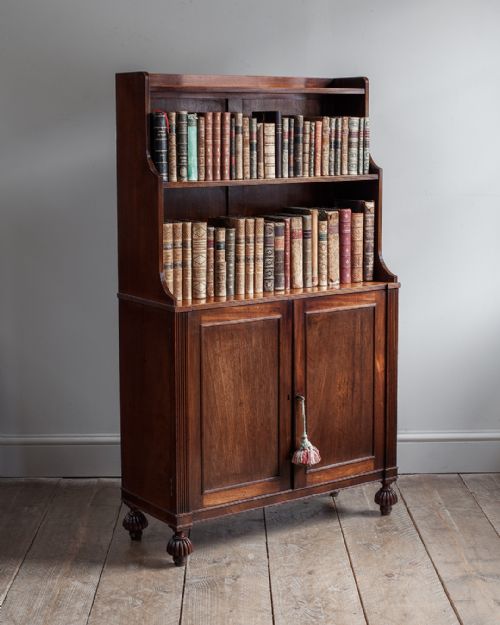
Bookcases and waterfall designs dominate the selection, often featuring graduated tiers or multiple shelves supported by slender uprights. Many examples incorporate details such as brass castors, satinwood inlay, or small lower cupboards.
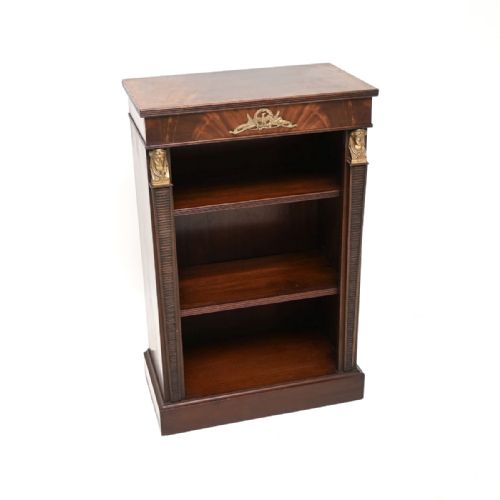
The materials centre on solid and veneered mahogany, frequently augmented by contrasting secondary timbers like satinwood, pine, and oak. Hardware typically consists of brass fittings, reflecting the standard manufacturing practices of their respective periods.
Quality factors
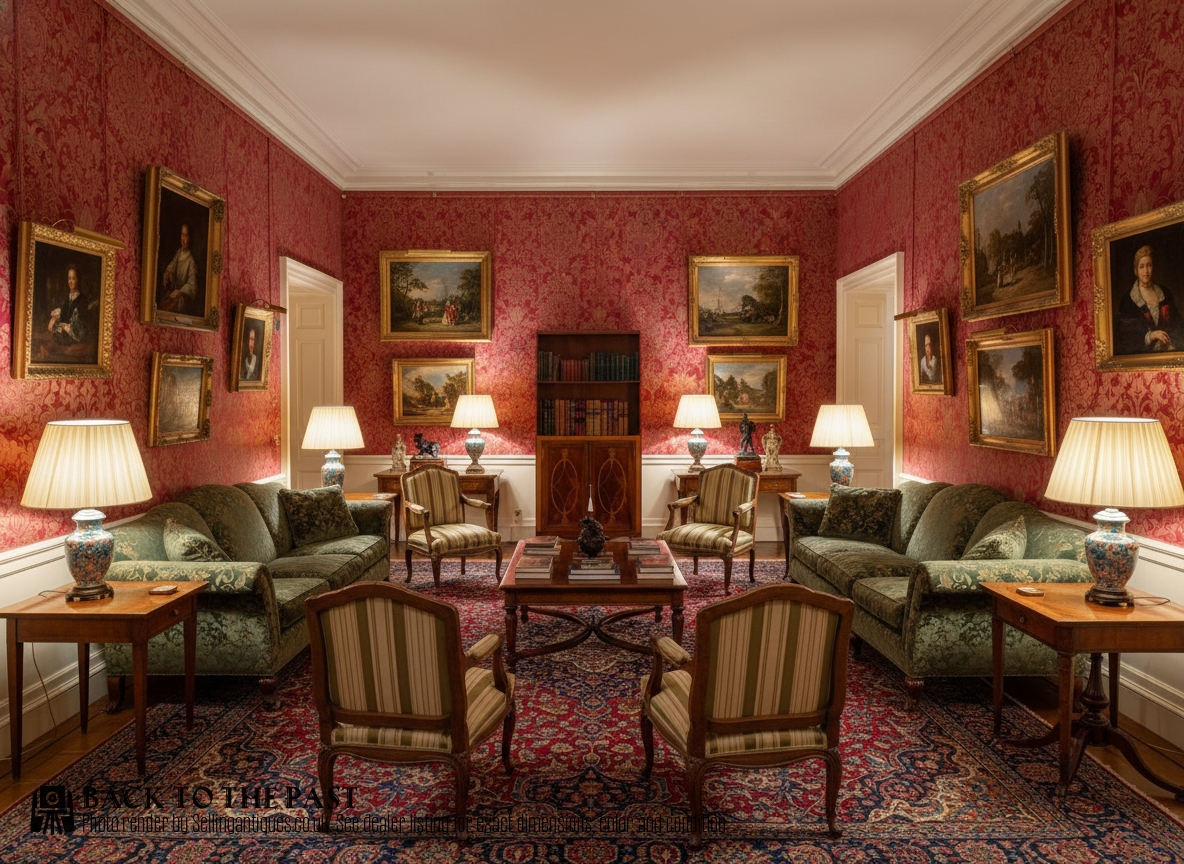
The calibre of a piece depends heavily on the crispness of its inlaid details, the selection of mahogany veneer, and the structural integrity of the tier joints. Superior items maintain balanced proportions and retain their original brass hardware.
Materials appearing across the inventory include mahogany, satinwood, brass, glass, pine, oak, and ormolu.
Waring and Gillows·Lamb of Manchester
The Vintage Mahogany Shelving Unit Glossary
- Waterfall bookcase
- A set of open shelves that steps back progressively from bottom to top, creating a profile resembling descending water. This form gained popularity during the Regency period.
- Whatnot
- A multi-tiered piece of freestanding furniture designed for displaying ornaments, books, or small objects. They often feature three or four open shelves supported by turned columns.
- Satinwood
- A durable, hard timber with a golden-yellow lustre used extensively for contrasting inlay and bandings on mahogany furniture. It provides sharp visual definition against darker woods.
- Breakfront
- A cabinet or bookcase whose central section projects forward from the flanking wings. This architectural layout creates depth and shadow across the front elevation.
- Ormolu
- Gilded bronze ornamentation applied to furniture mounts and details during the Neoclassical and Empire periods. It adds metallic contrast to the dark mahogany surfaces.
Vintage Mahogany Shelving Unit: Frequently Asked Questions
How do I style a vintage mahogany shelving unit?
Balance the deep reddish tones of the timber by pairing the unit with neutral walls and varied book bindings. Mix vertical book groupings with small decorative objects across the open tiers to avoid visual heaviness.
Allow breathing room on the shelves so the mahogany grain remains visible. Taller pieces work effectively against plain architectural backgrounds where their proportions can anchor the room.
What is the difference between a whatnot and a bookcase?
A whatnot is primarily designed as an open display stand featuring multiple tiers supported by slender uprights, intended for ornaments and small items. Bookcases are engineered specifically for storing volumes, often featuring fixed or adjustable shelves.
Many waterfall designs bridge both categories, offering tiered display surfaces suitable for books and decorative objects alike.
How do I identify a Regency period piece?
Regency pieces often display clean architectural lines, classical proportions, and dark mahogany surfaces occasionally accented with brass inlay or castors. The design vocabulary draws inspiration from ancient Greek and Roman forms.
Look for distinctive waterfall silhouettes and restrained ornamentation that emphasise the natural grain of the timber rather than heavy carving.
Are these units suitable for modern homes?
The compact footprints of Edwardian and Victorian open shelves make them adaptable for contemporary living spaces and hallways. Their open construction maintains light flow through a room while providing vertical storage.
Solid mahogany construction ensures these structures remain robust for daily use, handling modern book collections and display items comfortably.