
Vintage Mahogany Glass Mirror
These vintage mahogany glass mirror pieces combine deep timber frames with reflective glass, bringing warmth and light to a room.
Vintage Mahogany Glass Mirror
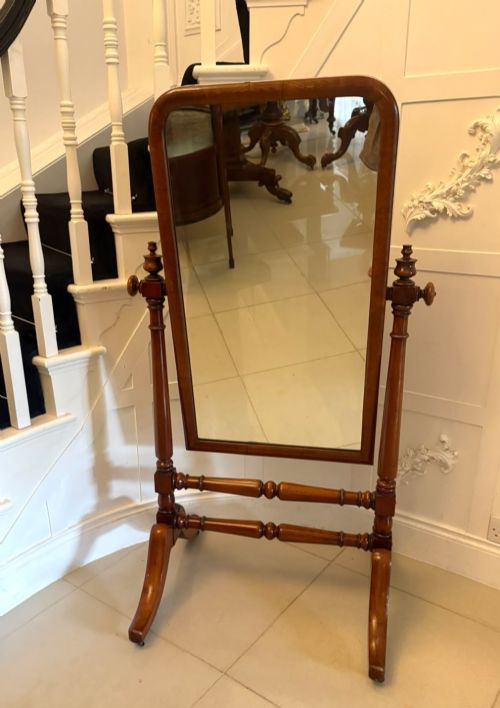
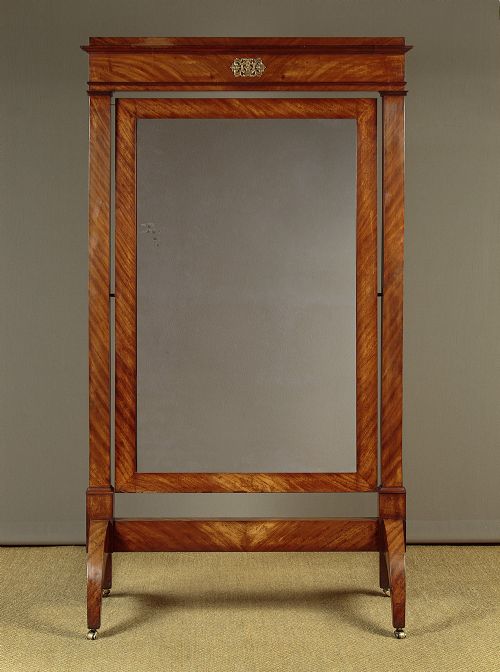
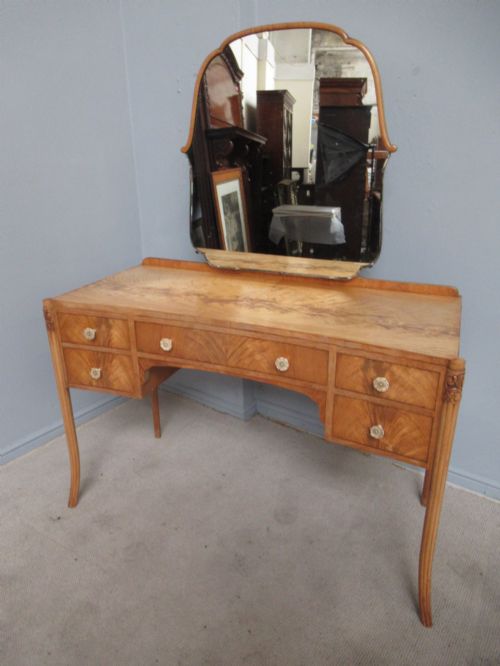
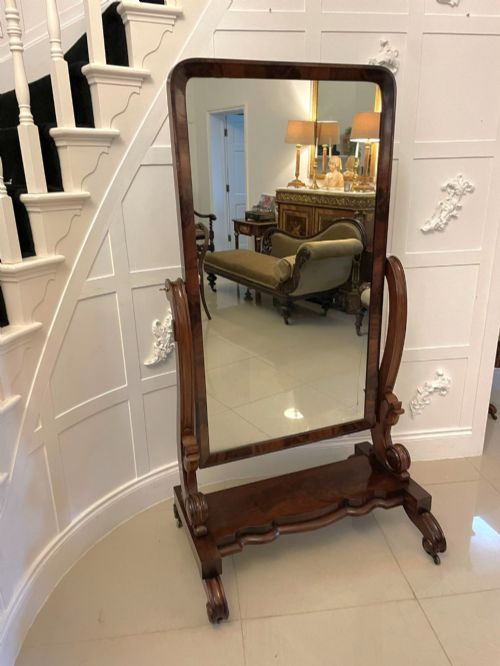
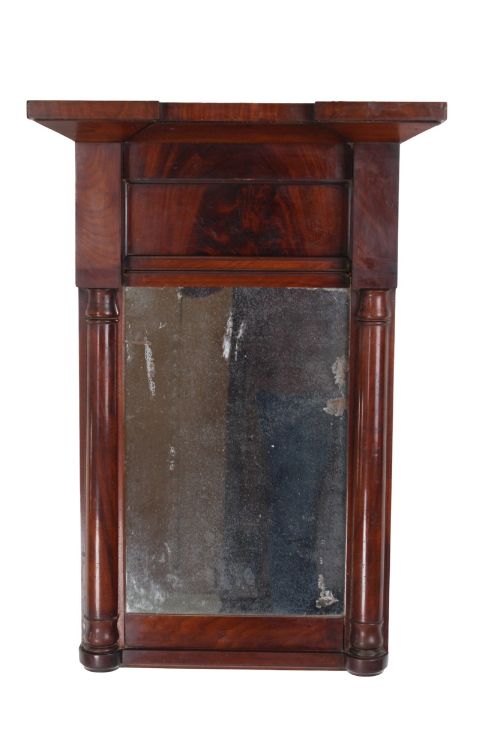
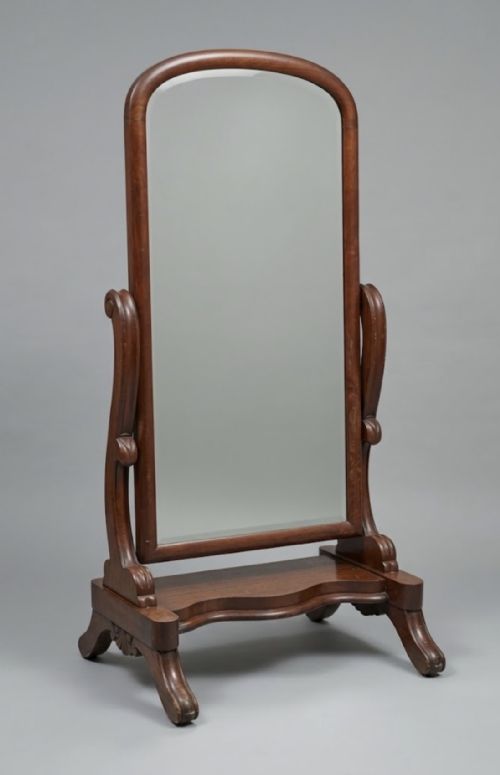
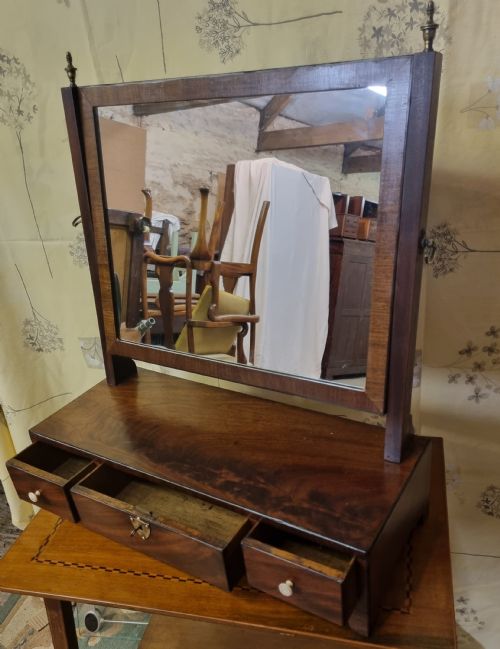
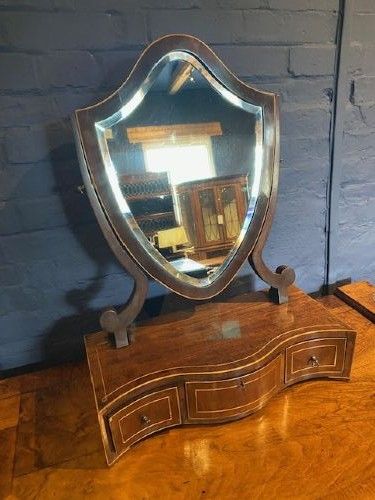
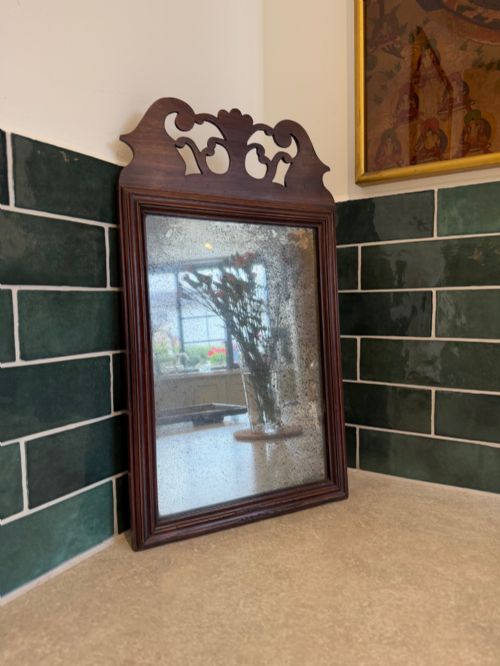
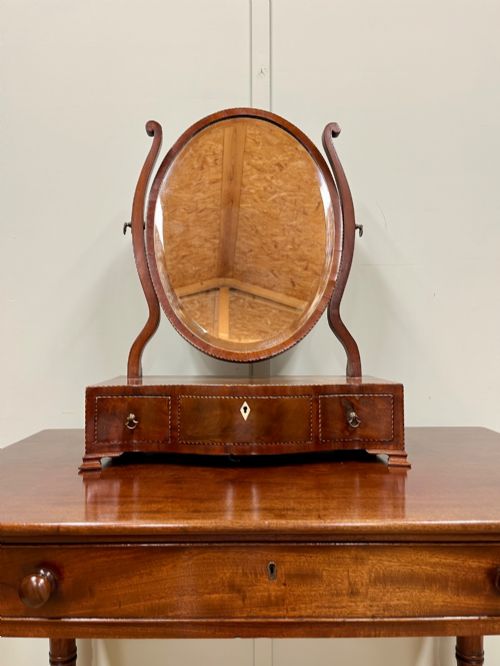
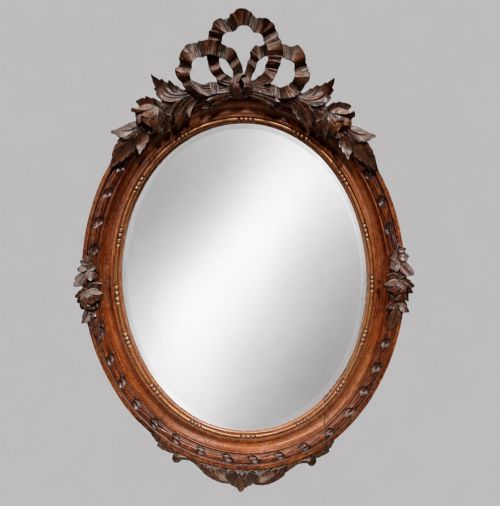
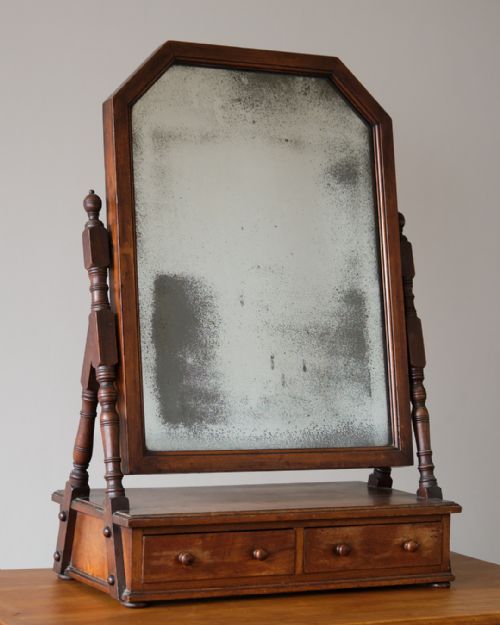
A vintage mahogany glass mirror encompasses several distinct forms designed for different domestic uses, from large freestanding cheval mirrors to smaller dressing table versions. When searching for a vintage mahogany glass mirror, buyers frequently encounter floor-standing cheval designs alongside compact oval wall mirrors.
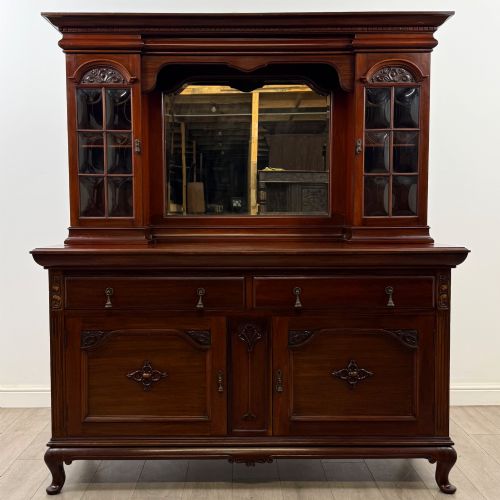
The selections span multiple historical periods, with Victorian and Georgian examples appearing regularly alongside Edwardian and Regency pieces. Makers constructed these items primarily for bedrooms and living spaces, incorporating functional stands, drawers, or adjustable brackets into the timber frames.
Materials and construction techniques
Craftsmen utilised solid mahogany and veneers, often selecting rich timber grains to form the primary structure of the frame. Secondary woods like maple, alongside brass fittings and bone details, frequently appear in the construction of mounts and decorative accents.
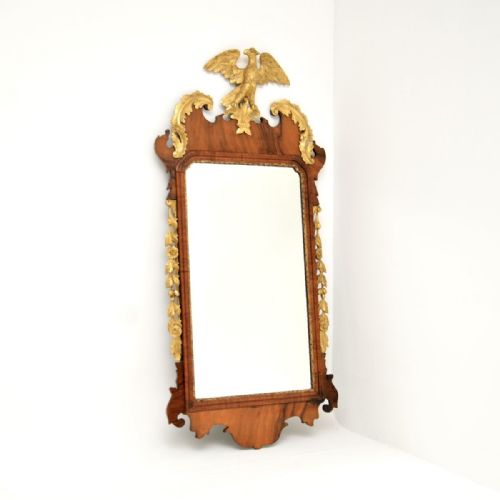
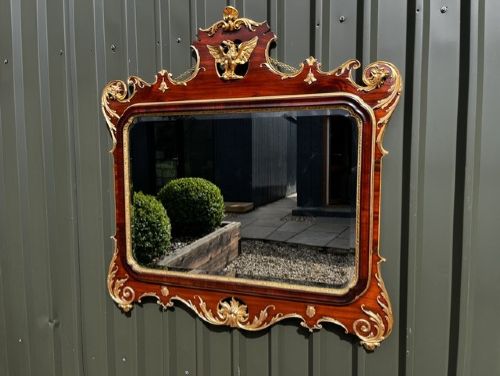
Makers applied traditional joinery techniques to secure the glass within the wooden surrounds, sometimes adding parcel gilt highlights, crossbanding, or intricate inlay work. Support structures ranged from simple barley twist uprights to heavy floor-standing bases fitted with adjustable pivots.
The listings feature mahogany combined with glass, brass, mirror glass, giltwood, satinwood, and bone across Victorian, Edwardian, and Georgian periods.
Distinguishing quality across the range
The depth of the timber grain and the precision of the cabinetwork set finer examples apart from simpler utilitarian pieces. Superior items display careful matching of mahogany veneers and refined carving around the mirror bezels.
The original condition of the glass plate and the integrity of the pivoting mechanism heavily influence the overall standard of the object. Heavier floor-standing frames require robust construction to support the weight of the glass safely.
Heal And Sons
The Vintage Mahogany Glass Mirror Glossary
- Cheval mirror
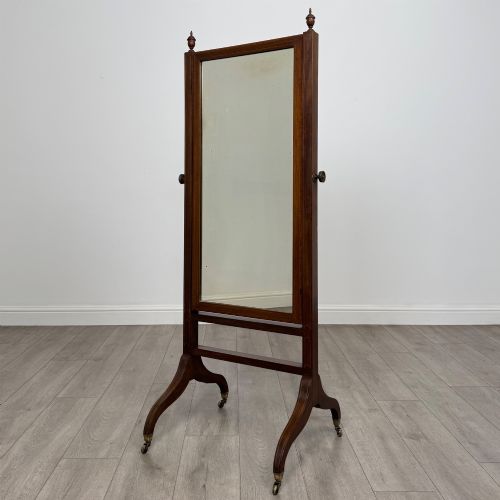
- A large freestanding mirror supported on a frame with vertical pivots allowing the glass to swing. These tall floor-standing pieces became popular for full-length dressing during the eighteenth and nineteenth centuries.
- Pier mirror
- A tall wall mirror designed specifically to hang on the narrow wall space between windows. They often feature decorative giltwood or mahogany frames.
- Parcel gilt
- Partially gilded with thin gold leaf applied to specific carved details on a wooden surface. This technique highlights particular ornamental areas against the dark mahogany.
- Crossbanding
- A border technique where thin strips of veneer are laid across the grain of the main timber. This decorative framing method adds visual contrast to dressing table surrounds.
- Overmantel mirror
- A large mirror designed to hang directly above a fireplace mantelpiece. These pieces frequently incorporate architectural styling and wide wooden frames.
Vintage Mahogany Glass Mirror: Frequently Asked Questions
What is a cheval mirror?
A cheval mirror is a tall, freestanding glass plate mounted on a pivoted frame that tilts back and forth. These pieces allow a full-length view and typically stand on four supportive legs.
Craftsmen built them for bedrooms and dressing rooms during the Georgian and Victorian periods, often utilising heavy mahogany to counterbalance the weight of the pivoting glass.
How do I date a mahogany mirror?
Dating relies on examining the timber species, construction methods, and secondary woods used within the frame. Georgian and Regency pieces often feature hand-cut joints and distinct veneer patterns.
Later Victorian and Edwardian examples may show machine-sawn elements or different inlay styles, such as satinwood banding and contrasting maple details.
Where should I place a dressing table mirror?
These smaller mirrors sit neatly atop matching chests of drawers or dressing tables to provide a functional surface for daily grooming. Many include small built-in storage drawers at the base for personal items.
Positioning them near a natural light source helps maximise their reflective qualities within a bedroom or dressing area.
Are these mirrors heavy to hang?
Wall-mounted versions require secure fixings into structural wall studs because solid mahogany frames carry significant weight. Larger pier and overmantel mirrors demand sturdy support to bear the load safely.
Freestanding varieties avoid wall attachment entirely, relying instead on stable wooden floor bases and secure side pivots.