


Vintage Mahogany Dresser Base
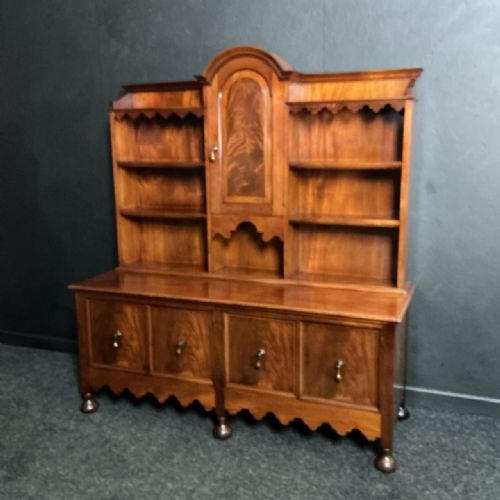
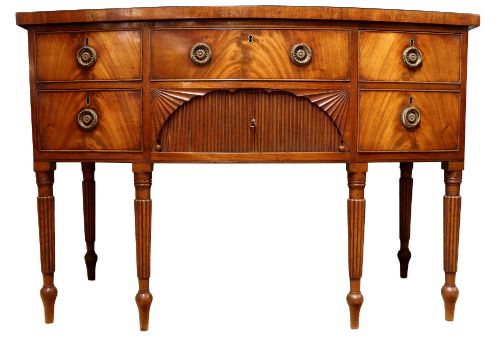
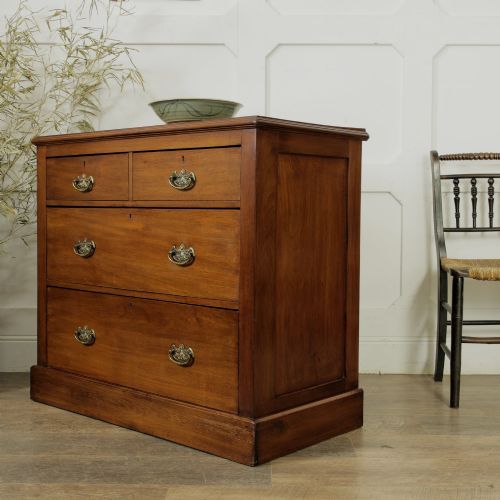
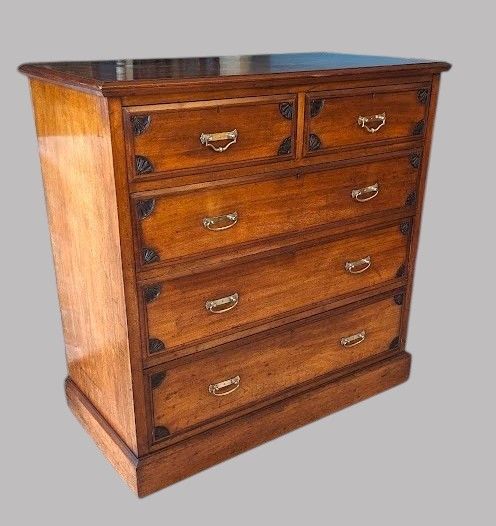
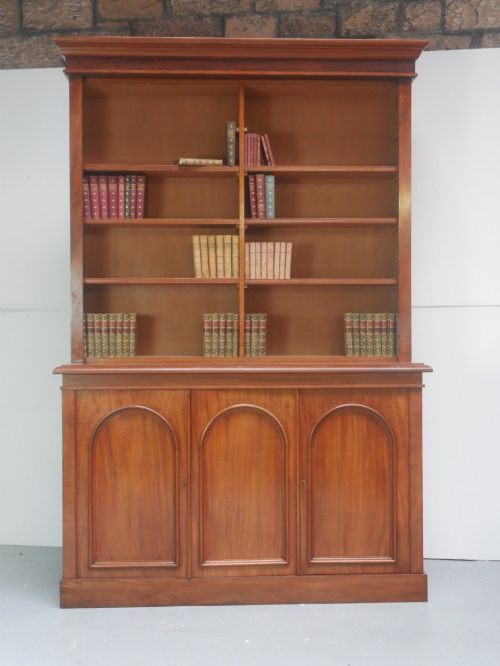
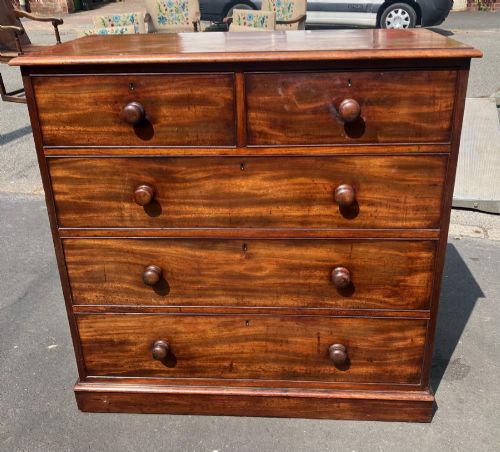
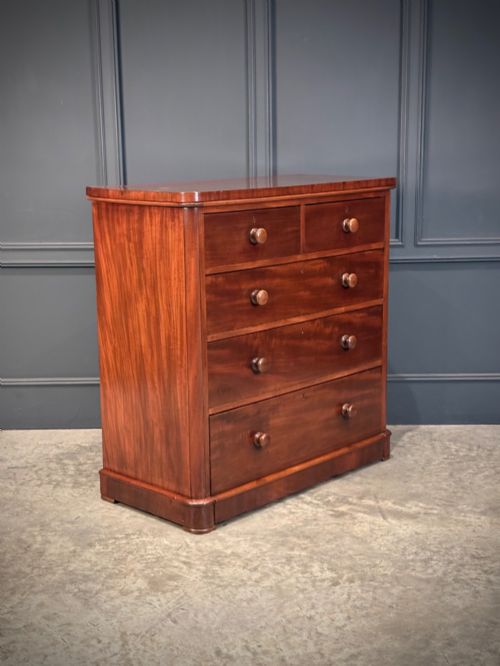
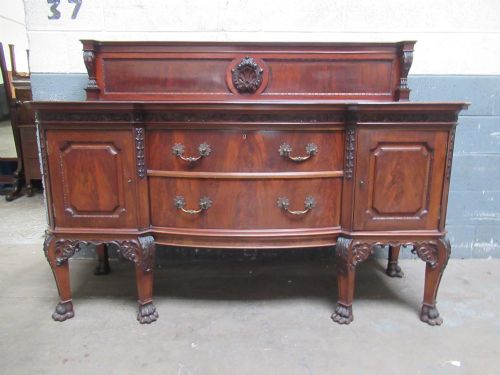
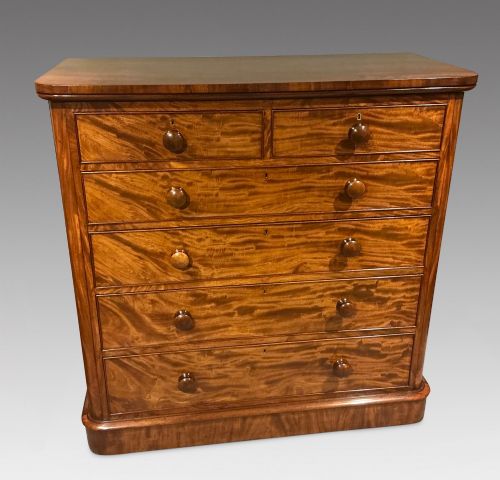
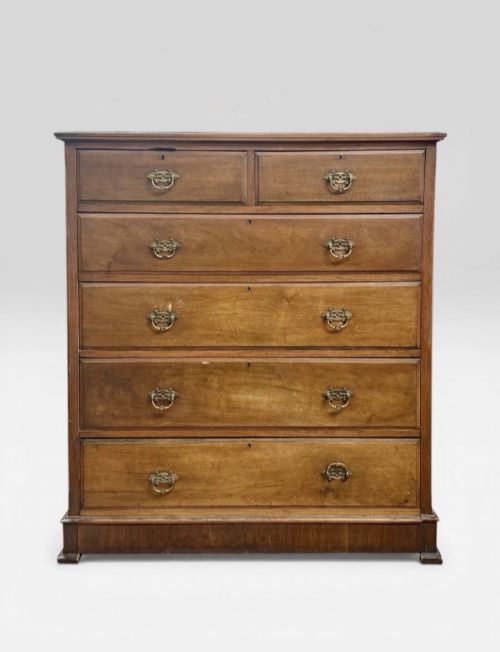
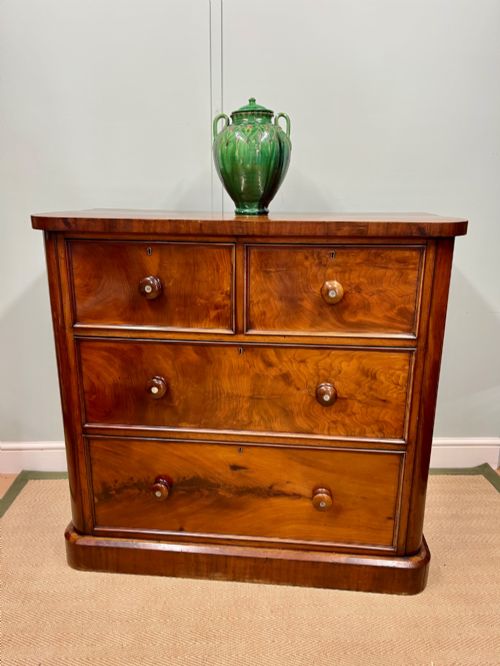
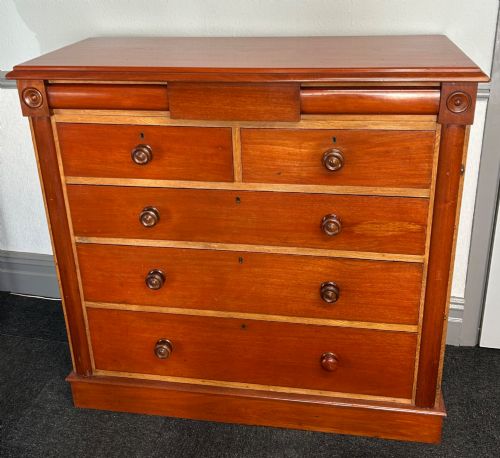
A vintage mahogany dresser base brings warmth and practical storage to a room, spanning periods from George III to Edwardian times.

Vintage Mahogany Dresser Base
When searching for a vintage mahogany dresser base, buyers encounter sideboards, chests of drawers, and chiffoniers originating from the nineteenth and early twentieth centuries. These forms reflect the functional storage needs of Georgian, Victorian, and Edwardian households.
The pieces listed here showcase a variety of styles, including Regency, Art Nouveau, and classical Late Victorian designs. Sideboards and drawer units dominate the selection, offering substantial timber presence and traditional craftsmanship.
What varies in quality
The choice of timber creates a distinct difference across the selection, with figured flame mahogany veneer representing the more decorative end of cabinet work. Solid mahogany and secondary structural woods demonstrate varying degrees of selection by the maker.
Execution of fine details such as inlay work, brass hardware, and carved decoration distinguishes standard utility furniture from pieces associated with named workshops. The integrity of the timber ground and the precision of the joinery define the standard of execution.
Chestnut and cedar find unexpected use here, hiding quietly inside mahogany drawers like well-kept secret ingredients.
Mawer & Stephenson·Maple & Co
The Vintage Mahogany Dresser Base Glossary
- Flame mahogany veneer
- A thin slice of timber cut from the fork of the mahogany tree to create a distinctive flickering flame pattern.
- Chiffonier
- A compact sideboard or low cabinet equipped with drawers and doors, popular during the nineteenth century.
- Bow fronted
- A convex curved cabinet front that projects outward in a smooth arc.
- Escutcheon
- A protective plate surrounding a keyhole, often cast in brass on period furniture.
- Secondary wood
- Timber used for internal components like drawer linings and carcases that remains hidden from view.
Vintage Mahogany Dresser Base: Frequently Asked Questions
What is a vintage mahogany dresser base used for?
These pieces serve as functional storage furniture in living rooms, dining rooms, and hallways. Cupboards and drawers provide space for tableware, linens, and household items while offering a solid surface on top.
Their robust timber construction allows them to endure daily use while functioning as decorative focal points within traditional and eclectic interiors.
How do I tell a Victorian piece from an Edwardian one?
Victorian examples often display heavier proportions and rich, dark mahogany tones associated with mid to late nineteenth-century cabinet making. Details lean toward classical revival and robust functional forms.
Edwardian pieces frequently incorporate lighter wood tones, delicate inlay work, and Art Nouveau influences. Mirror backs and asymmetrical cupboard arrangements also signal the turn-of-the-century shift in domestic taste.
Are these pieces made of solid mahogany?
Many items combine solid mahogany with flame mahogany veneers applied to structural carcases. Secondary woods such as oak and pine commonly appear in drawer linings and internal framing.
This method of construction allowed cabinet makers to display decorative wood grain on exterior surfaces while maintaining structural stability using durable timbers.
How should I care for mahogany furniture?
Keep the wood away from direct heat sources and strong sunlight to prevent the timber and veneer from drying out or fading. Regular dusting with a soft, dry cloth preserves the finish.
Application of traditional wax polish maintains the moisture and sheen of the mahogany surface without building up synthetic residues.