
Vintage Mahogany Accent Chair
A vintage mahogany accent chair brings warmth and historic character to a room, offering practical seating shaped by centuries of cabinet-making tradition.
Vintage Mahogany Accent Chair
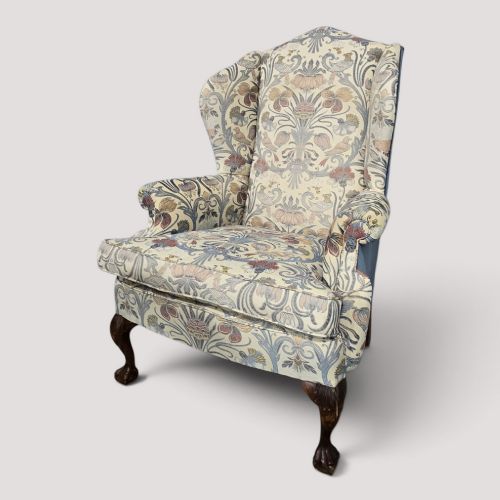
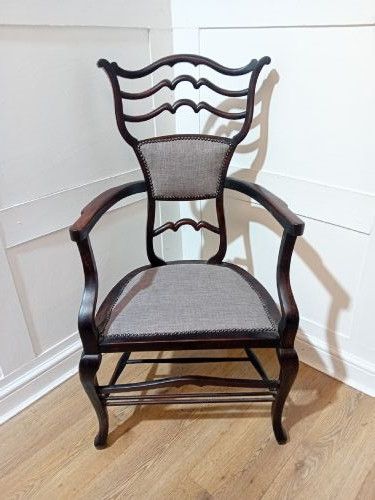
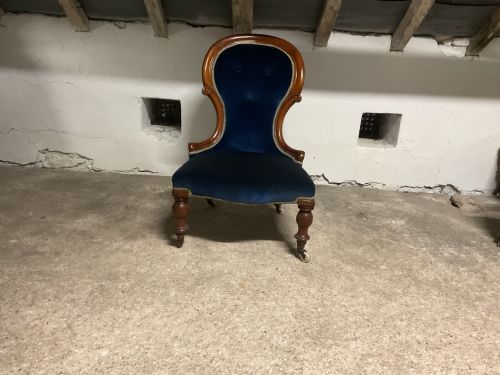
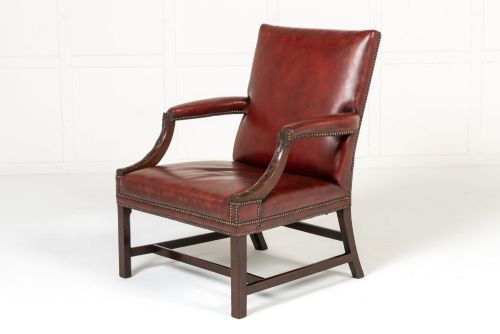
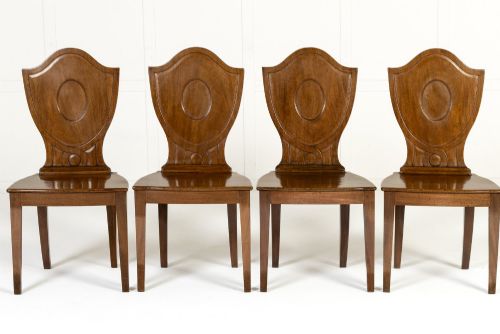
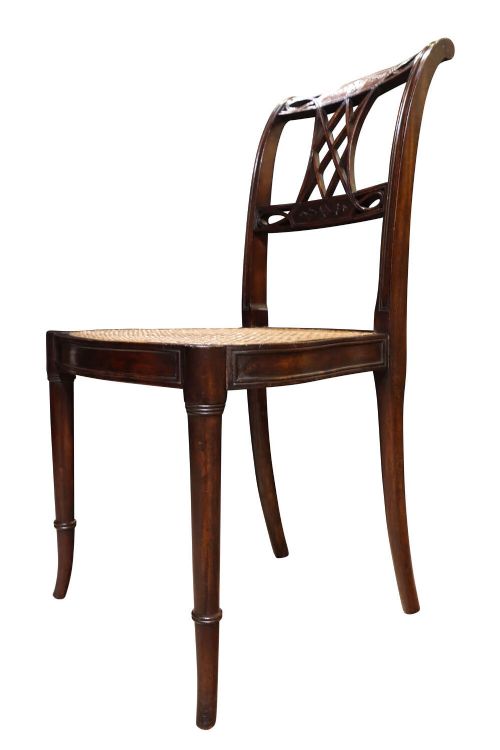
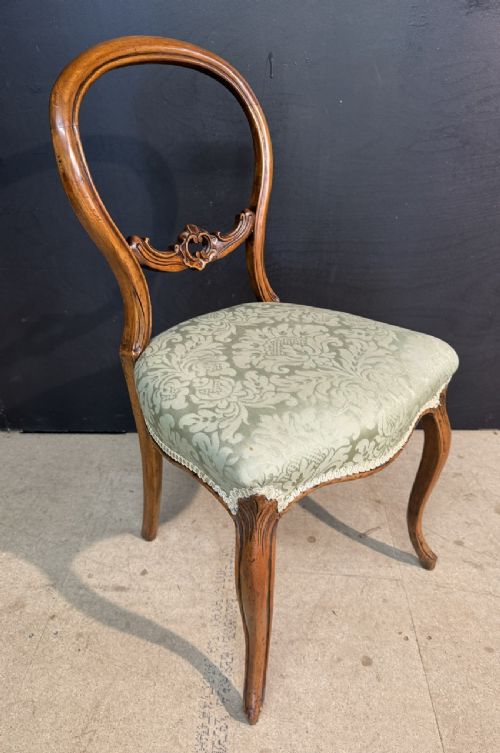
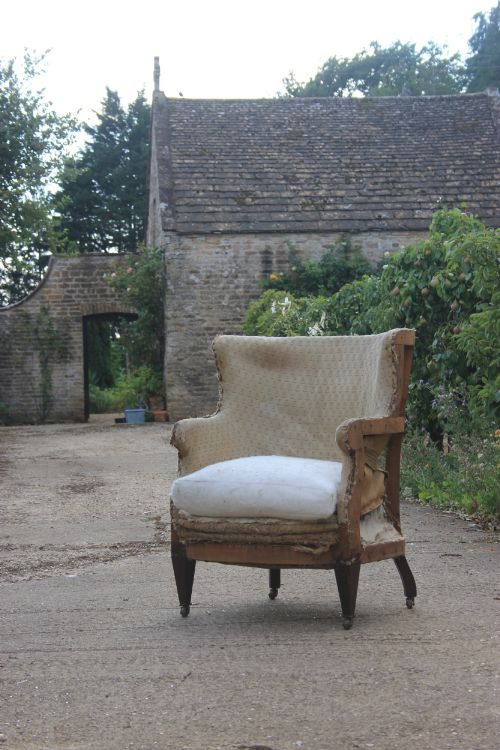
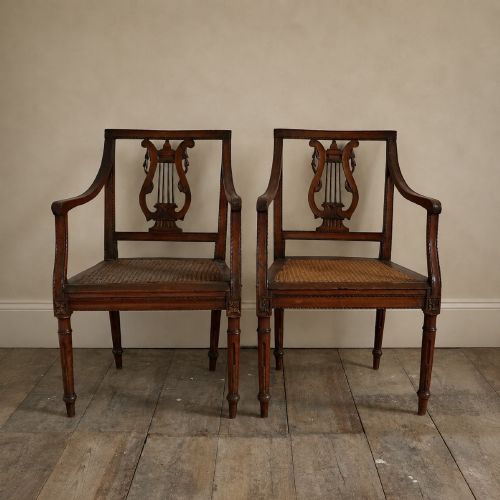
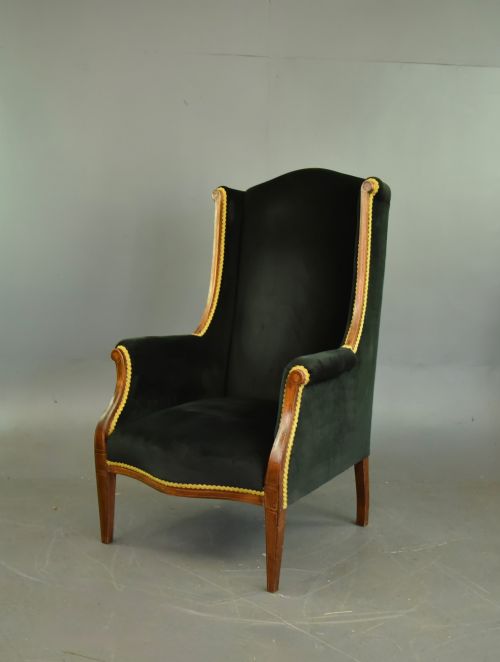
A vintage mahogany accent chair encompasses a diverse group of seating forms designed to provide a distinct focal point within a room. When you search for a vintage mahogany accent chair, you encounter forms ranging from library armchairs and Gainsborough chairs to slender bedroom chairs, nursing chairs, and occasional salon seats.
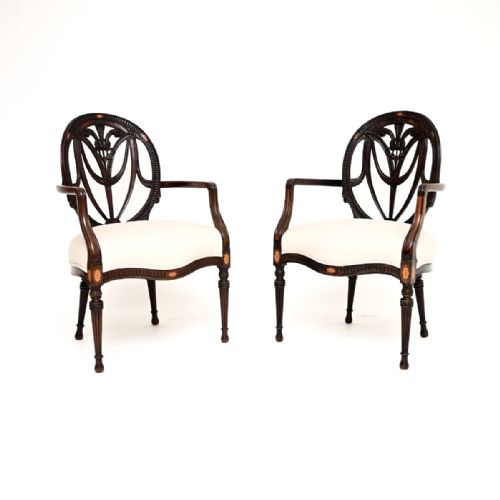
The pieces on this page span several distinct eras, notably the Edwardian period, the Victorian era, the eighteenth century, and various revival styles such as Regency Revival, Georgian Revival, and Sheraton Revival. Alongside these British examples, the selection includes pieces influenced by French Empire, Louis XVI, and Swedish designs.
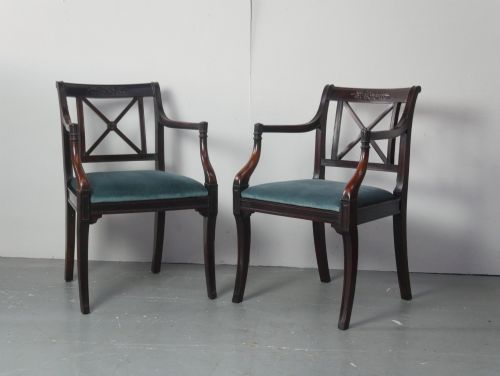
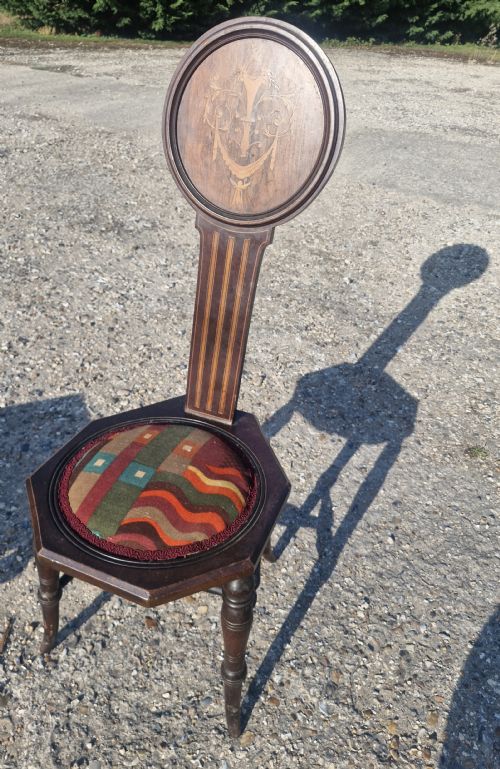
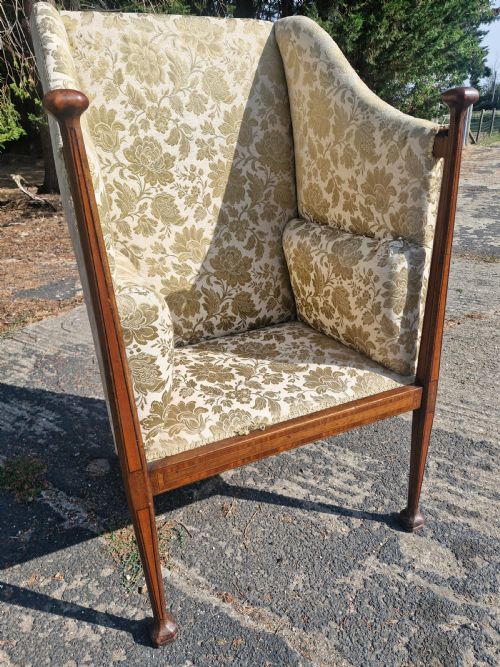
Among these variations, you frequently meet Edwardian inlaid mahogany armchairs, nineteenth-century side chairs, and twentieth-century tub chairs. These smaller seating types function well in corners, hallways, and bedrooms where space is at a premium.
Materials and construction
Makers utilised solid mahogany and mahogany veneers for the structural frames, valuing the timber for its rich colour and durability. Satinwood appears frequently as an inlay material, creating contrasting decorative details on Edwardian and Sheraton Revival pieces.
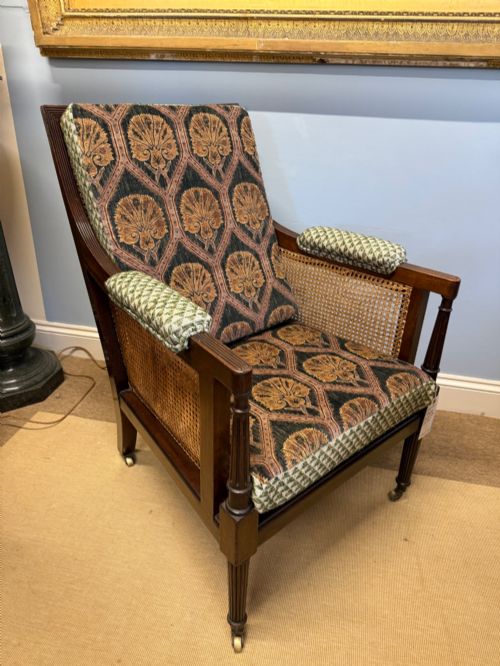
Seating surfaces incorporate a range of traditional materials depending on the chair type, including cane, leather, velvet, and various woven upholstery fabrics. Brass accents and gilt bronze mounts appear on specific revival and continental armchairs, while cane panels provide a lighter texture on bergères and bedroom chairs.
Listings feature mahogany frames paired with diverse materials including cane, velvet, leather, and satinwood inlay across multiple historical periods.
Assessing craftsmanship
The standard of a chair rests significantly on the precision of its joinery and the integrity of its timber frame. Solid mahogany structures that retain tight joints and crisp carving represent superior cabinet-making compared to looser, heavily restored frames.
Decorative elements such as hand-carving, inlay work, and button-backed upholstery distinguish finer pieces from simpler utilitarian seating. Subtle details in the shaping of cabriole legs, lyre backs, and scroll-carved frames reflect the care invested by the original maker.
Whytock and Reid
The Vintage Mahogany Accent Chair Glossary
- Bergère
- An enclosed upholstered armchair with wooden framing, often featuring cane work on the sides and back. This French style became popular in various forms throughout the nineteenth and twentieth centuries.
- Gainsborough chair
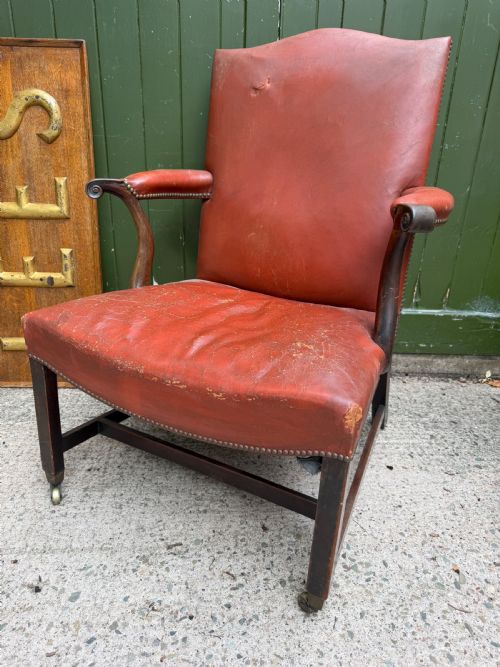
- A wide, open-armed armchair with a padded back and seat, typically upholstered in leather. Eighteenth-century examples set the template for later revival models.
- Carver chair
- An armchair designed to match a set of smaller dining or side chairs, usually featuring open arms. They often sat at the head of a dining table.
- Satinwood
- A pale, durable hardwood prized for its luminous quality and grain. Makers utilised it extensively for contrasting stringing and marquetry in inlay work.
- Tub chair
- A comfortable seating form characterised by a continuous curved back and armrest shaped like a rounded tub. They often appear in low lounge or bedroom heights.
Vintage Mahogany Accent Chair: Frequently Asked Questions
What is a vintage mahogany accent chair used for?
These chairs serve as functional seating and decorative additions in living rooms, bedrooms, and hallways. Their compact scale allows them to fit into empty corners or act as occasional seats.
They bring historic character and texture to an interior without dominating a room's layout.
How do I identify an Edwardian mahogany chair?
Edwardian chairs often feature delicate proportions, satinwood inlay, and lighter frames compared to heavier Victorian predecessors. They frequently incorporate cane seats or Edwardian fabric upholstery.
Many examples reflect revival styles that drew inspiration from eighteenth-century Sheraton and Hepplewhite designs.
Can I use these chairs in a modern interior?
The rich tone of mahogany and classic silhouettes pair easily with contemporary furniture schemes. An occasional chair or library armchair adds warmth and a sense of history to minimalist spaces.
Mixing historical periods creates a layered, collected look in a modern home.
What is the difference between a side chair and a carver chair?
Side chairs are built without arms, making them compact enough to tuck neatly around a table or along a hallway wall. Carver chairs feature open arms and generally occupy the ends of a seating arrangement.
Both forms share matching decorative styles when produced as a matched set.