

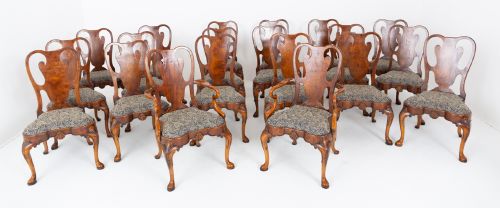
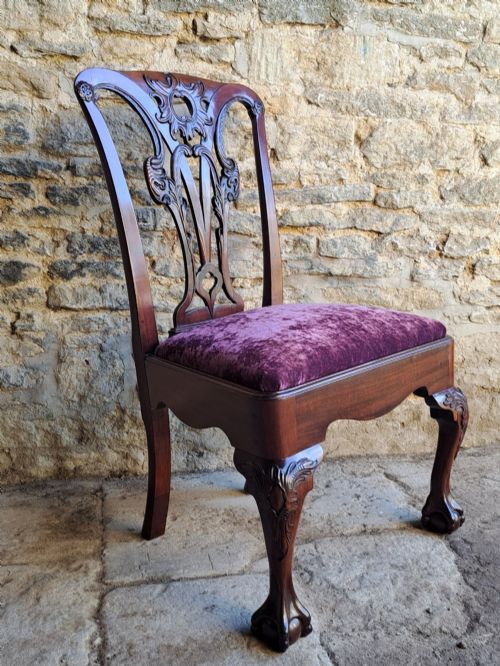
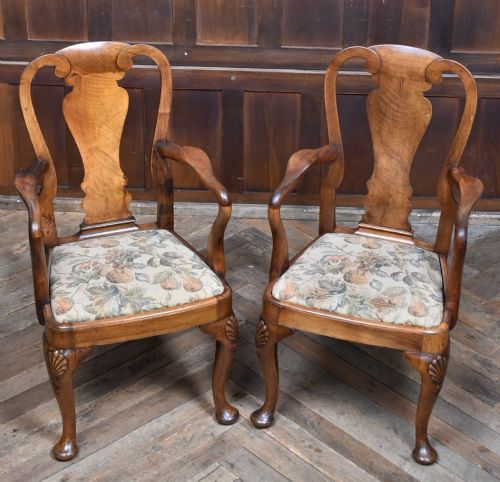




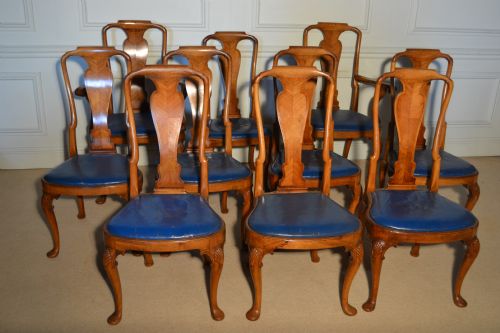
Carved Knee Cabriole Chair
These carved knee cabriole chair examples combine historic form with sturdy timber frames, offering collectors distinct seating options from multiple centuries.
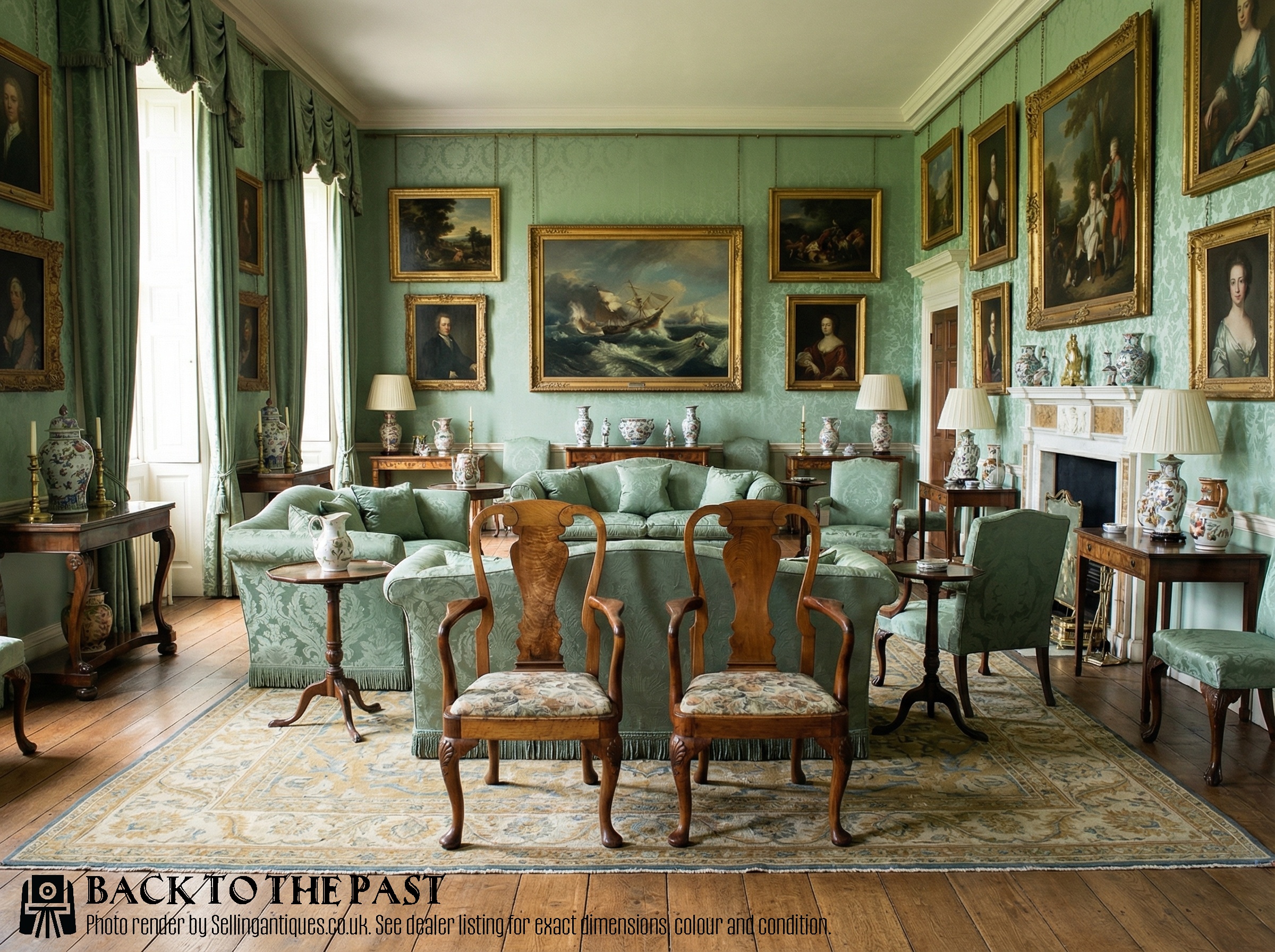
Carved Knee Cabriole Chair
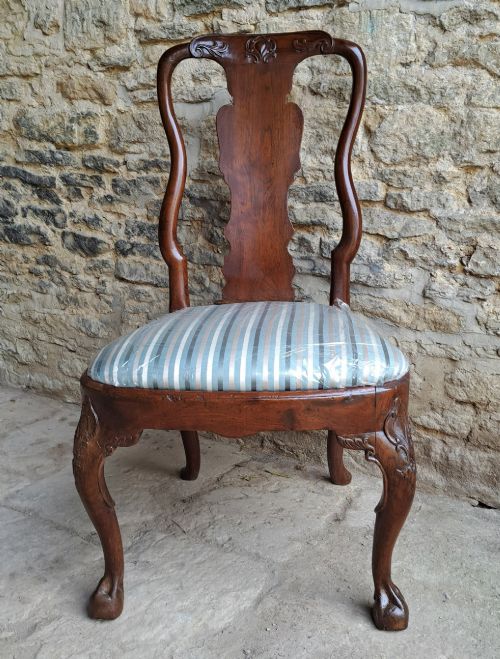
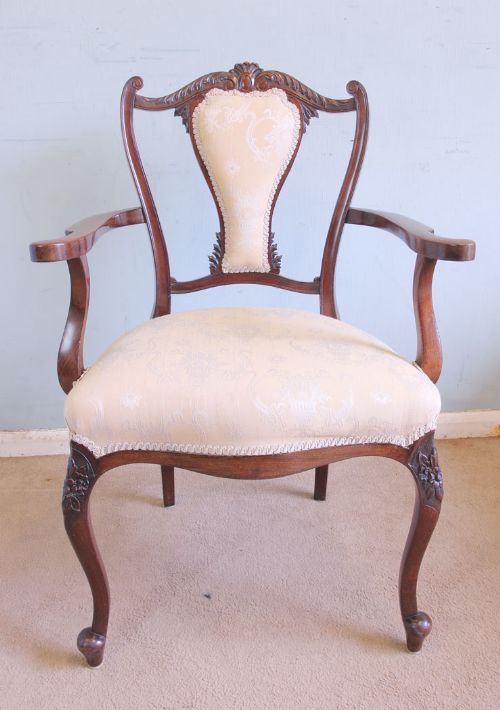
A carved knee cabriole chair brings together classic seating forms such as armchairs, side chairs, and dining chairs. The selection spans distinct periods, ranging from mid-eighteenth century pieces to later revivals.
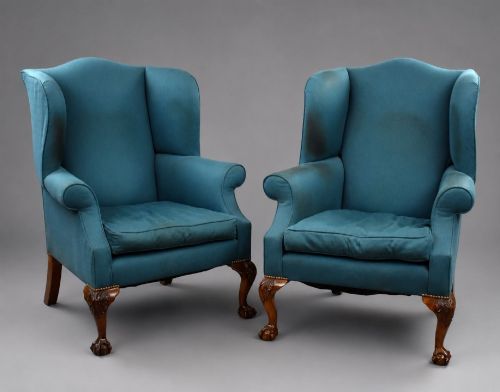
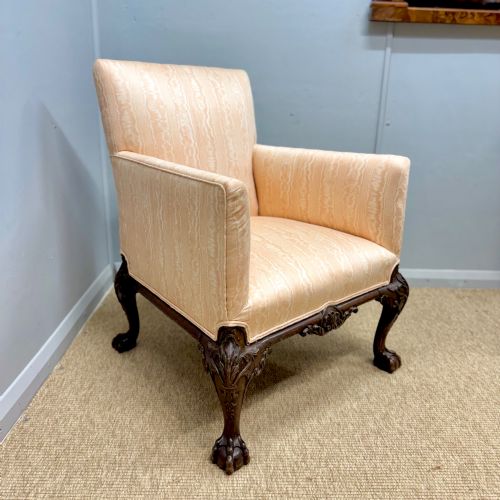
Makers utilised traditional furniture layouts, including library chairs and wing back armchairs, often incorporating hipped cabriole legs. The range accommodates diverse room settings through distinct historical styles.
How they were made
Craftsmen shaped structural elements from dense timbers like walnut, mahogany, and elm, relying on the natural grain for both strength and appearance. Workshops occasionally added brass elements for functional or decorative emphasis.
Upholstered versions integrated supportive textiles, fabric, and velvet across seats and backs. Woodcarvers shaped the prominent knee details directly into the timber frame to achieve the characteristic cabriole silhouette.
Carved Knee Cabriole Chair Retail Price Guide 2026
Typical asking prices for carved knee cabriole chair among the pieces listed under this phrase on Sellingantiques today, from the lower quarter to the upper quarter. They describe what is for sale here now, not the wider market.
Some chairs sport knees carved so boldly they seem ready to leap off the dining room rug.
What varies in quality
The refinement of the carved knee ornament distinguishes standard production from superior examples. Crisp execution of surface detail reveals the skill applied to the timber during shaping.
The choice of primary wood affects the overall presence of the piece, with choice cuts of walnut and red walnut exhibiting superior figure. The retention of original upholstery materials and stable frame construction further differentiates the grade.
The Carved Knee Cabriole Chair Glossary
- Cabriole leg
- A furniture leg that curves outward at the knee and tapers inward toward the ankle, mimicking animal limbs. This form appears frequently on eighteenth-century seating and later revival pieces.
- Walnut
- A hard, dark timber prized for its rich grain patterns and durability in cabinetmaking. It served as a primary material for high-status seating across multiple periods.
- Side chair
- A chair without arms, designed primarily for dining or occasional use around a room. These pieces form a large part of period seating sets.
- Mahogany
- A durable, reddish-brown tropical hardwood utilised extensively for carved frames and structural integrity. Its fine grain supports intricate detailing.
- George II
- An architectural and furniture style spanning the mid-eighteenth century, known for robust proportions and carved ornamentation. Pieces from this era establish key design precedents.
Carved Knee Cabriole Chair: Frequently Asked Questions
How do I date a cabriole chair?
Dating relies on examining the timber species, construction methods, and tool marks visible on the underside of the frame. Earlier examples display distinct joinery techniques compared to twentieth-century revivals.
Stylistic shifts in the knee carving and foot design also provide reliable chronological indicators for identification.
Were these chairs used for dining?
Many examples function as dining seating, particularly when found in large matched sets dating from revival periods. Individual pieces served specific social roles in libraries and drawing rooms.
Armchairs and side chairs fulfilled different domestic requirements within historic household layouts.
What timber is best for these?
Walnut and mahogany represent the primary hardwoods chosen by historic makers for their strength and visual depth. Red walnut variants offer particular warmth in grain and colour.
Elm also appears in certain large sets, providing robust utility for heavy use.
How do I care for old walnut?
Maintain stable indoor humidity levels to prevent timber shrinkage and subsequent joint stress. Avoid placing pieces in direct sunlight to protect the natural finish and grain.
Gentle dusting with a soft cloth preserves the surface without abrasive chemical intervention.