


Mid 18th Century Seating
Mid 18th century seating brings tactile history into a room, offering robust mahogany chairs and carved walnut armchairs built to last.
Mid 18th Century Seating
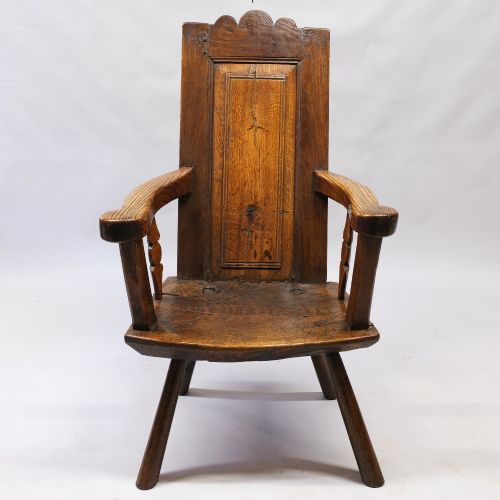
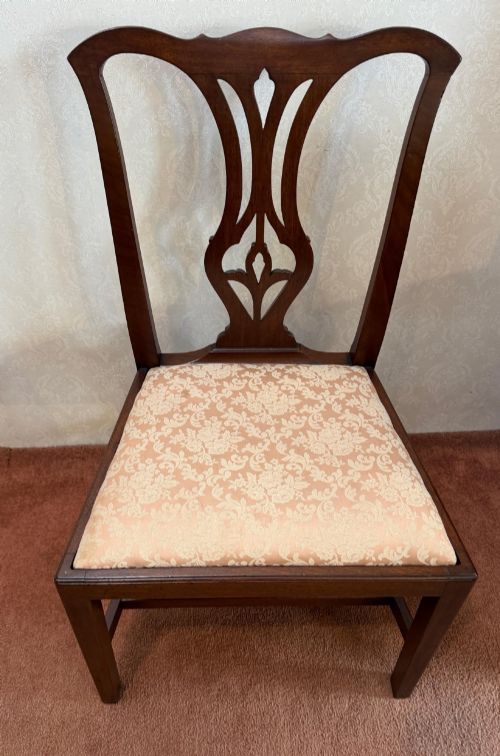
Mid 18th century seating spans formal dining chairs, side chairs, and substantial armchairs designed for comfort and display. A buyer searching this phrase encounters robust mahogany sets, walnut side chairs, and distinctive regional forms like panel-backed Windsor chairs and oak wainscot armchairs.
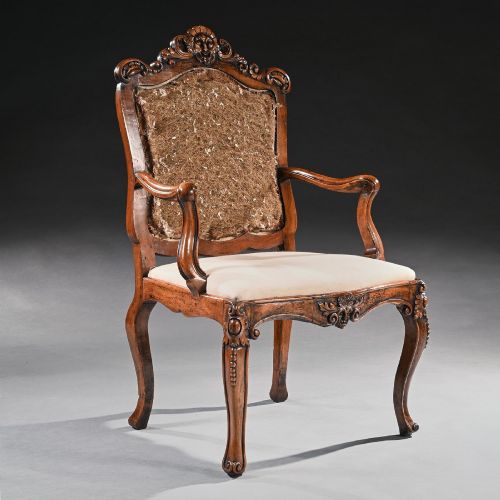
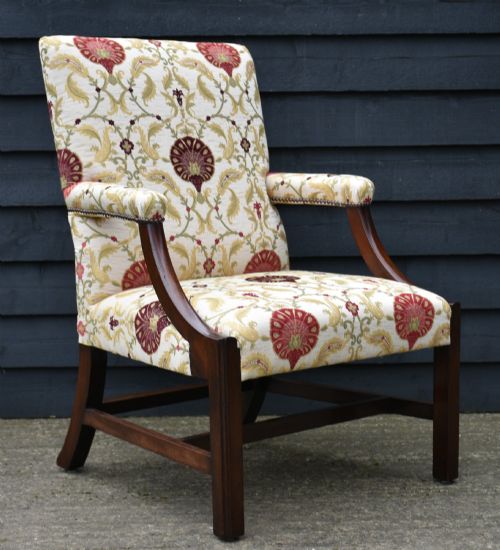
The selection frequently includes George II mahogany pieces alongside French and Italian rococo armchairs featuring carved head rails. Functional hall chairs with sgabello designs and serpentine stools appear alongside large wing armchairs upholstered in silk.
Originating largely from Georgian workshops, these pieces bridge domestic utility and high design. The forms vary from vernacular oak seating to elaborate frames upholstered in silk and velvet.
Materials and construction methods
Makers relied on dense hardwoods such as mahogany, walnut, and oak to build structural frames that survive centuries of use. Joinery techniques involved precise tenoning and pegged joints, particularly in vernacular pieces like Windsor and wainscot chairs.
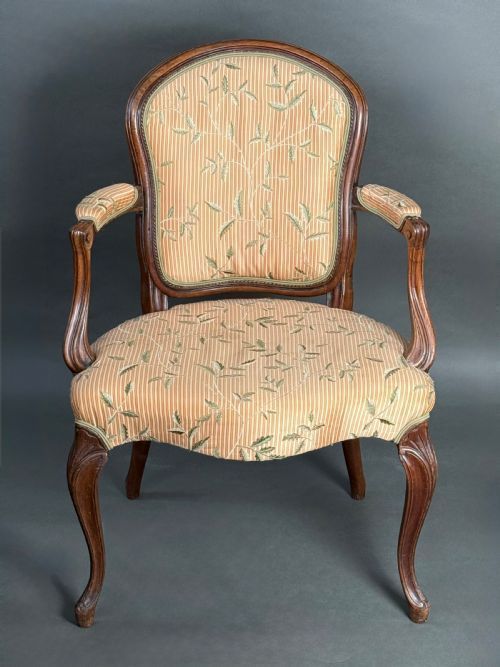
Carving was executed directly into the timber on head rails, splats, and cabriole legs, defining styles from Georgian vernacular to Italian rococo. Upholstery materials such as silk, velvet, and textile coverings were secured over webbing and stuffing to complete upholstered armchairs and stools.
The listings span the 17th, 18th, and early 19th centuries, showcasing mahogany, walnut, oak, and silk upholstery.
Distinctions in quality
Quality rests upon the crispness of the timber carving and the integrity of the original construction. Superior pieces display deeply sculpted details on mahogany and walnut frames without soft edges or later timber replacements.
Proportion and wood selection distinguish high-status seating from simpler vernacular items. Dense grain in the mahogany, sophisticated serpentine shaping, and intact structural joins mark the upper tier of these historical chairs.
The Mid 18th Century Seating Glossary
- Sgabello
- A light wooden chair with a narrow back and trestle supports, often used in hallways during the period. These functional seats usually feature carved panels.
- Cabriole leg
- A furniture leg that curves outward at the knee and tapers inward toward the foot, imitating an animal's limb. This shape dominates mid-Georgian seating designs.
- Splat
- The vertical wooden strip down the centre of an open chair back. It provides structural support while offering a canvas for decorative carving.
- Wainscot chair
- An early form of wooden armchair constructed with panelled backs and heavy framing. They utilise oak and reflect traditional joinery methods.
- Serpentine shape
- A line that curves outward and then inward in a continuous wave, frequently seen on the edges of stools and chair rails.
Mid 18th Century Seating: Frequently Asked Questions
How do I care for antique mahogany chairs?
Keep wooden seating away from direct heat sources and sudden humidity changes to prevent the timber from splitting. Apply natural wax polish sparingly to nourish the surface.
Avoid synthetic sprays that can damage historic finishes. Dust regularly with a soft, dry cloth to protect the grain.
Are these chairs suitable for daily use?
Most sturdy mahogany and oak pieces remain robust enough for regular sitting when checked for structural stability. Lighter rococo frames require more careful handling.
Heavily upholstered silk armchairs suit gentle usage rather than heavy family dining. Assess each frame individually before putting it to work.
What defines George II seating?
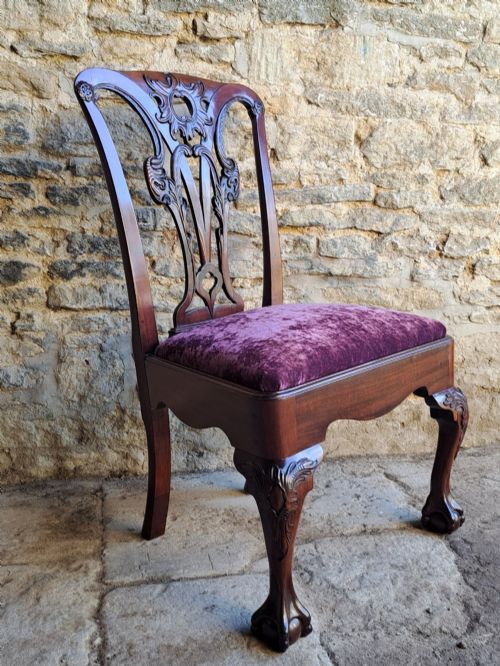
George II seating often employs rich mahogany with vigorous carving, scroll arms, and cabriole legs ending in pad or claw-and-ball feet. Proportions are typically generous and grounded.
These pieces reflect a transition towards heavier, more sculptural forms before the lighter neoclassical styles emerged later in the century.
How do I identify a Windsor chair?
Windsor chairs feature a solid wooden seat into which the legs and back spindles are directly wedged. They often incorporate panel backs or bowed crest rails.
Originating in vernacular workshops, they rely on traditional timber framing rather than formal cabinet-making joints.