

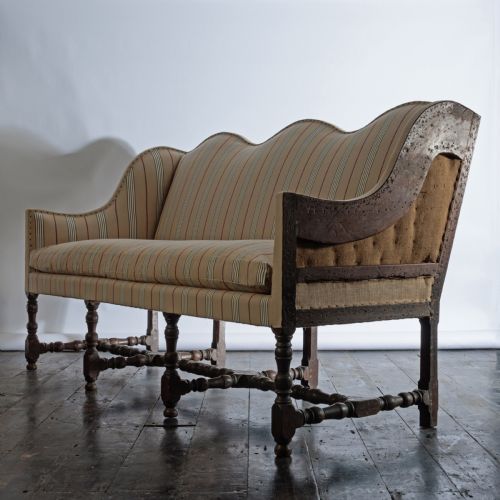
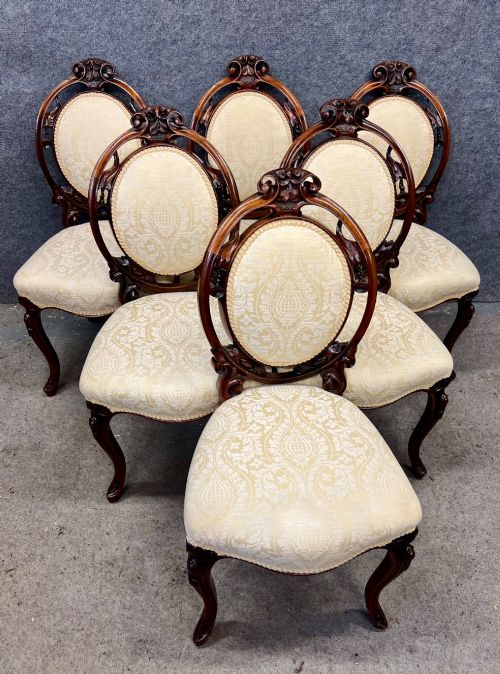

Period Walnut Seat
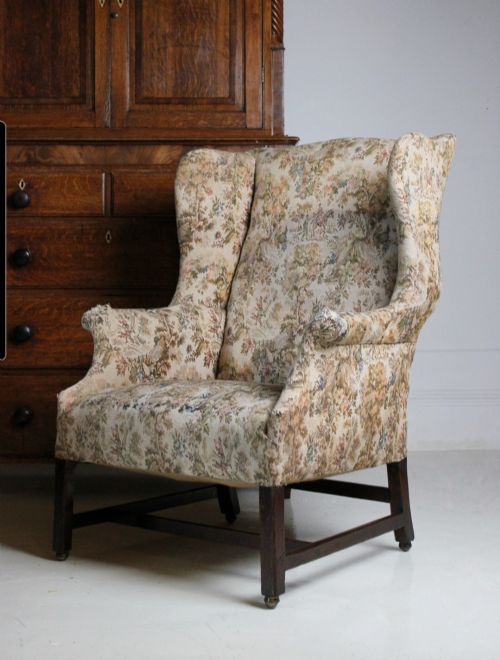
When you select a period walnut seat, you bring home centuries of timber and upholstery shaped into dining chairs, armchairs, and settees.
Period Walnut Seat
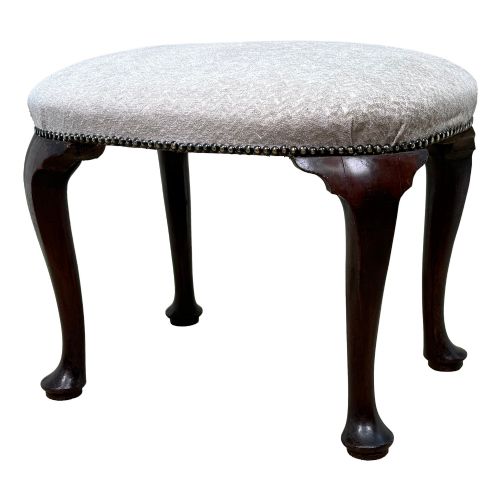
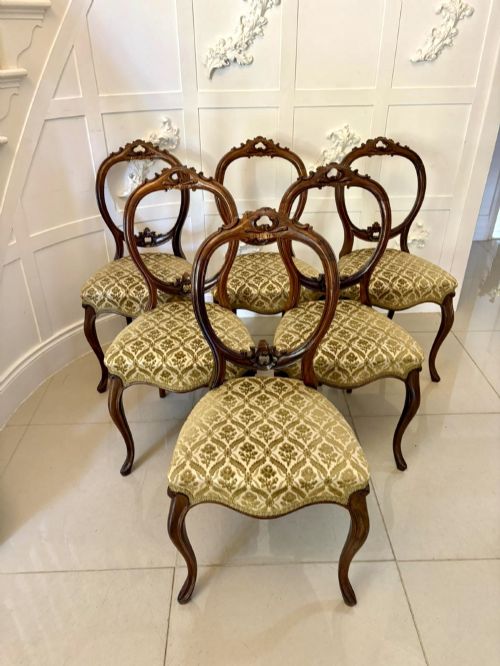
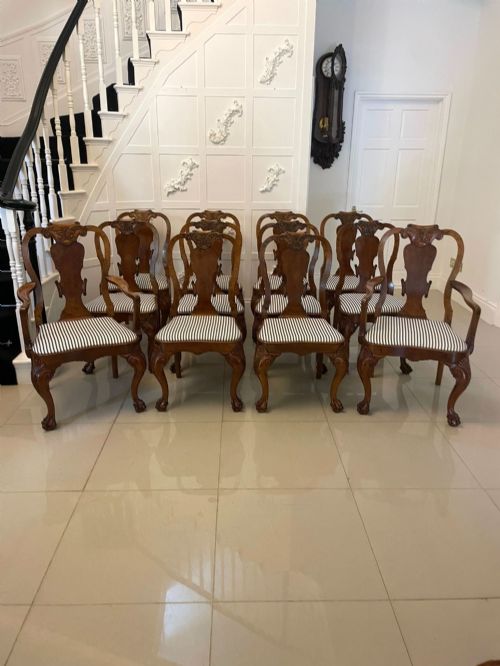
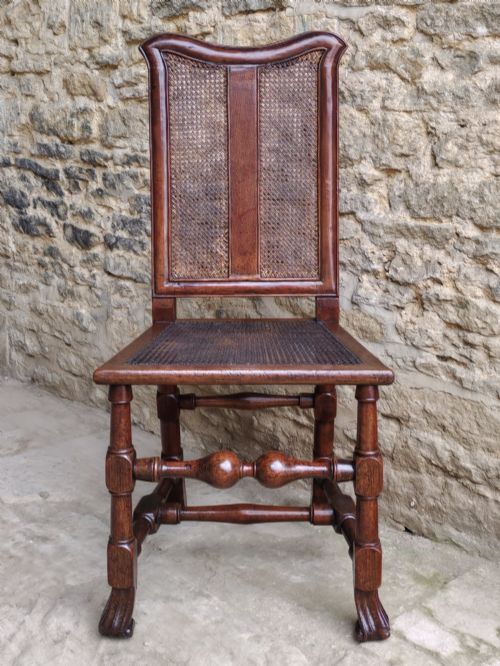
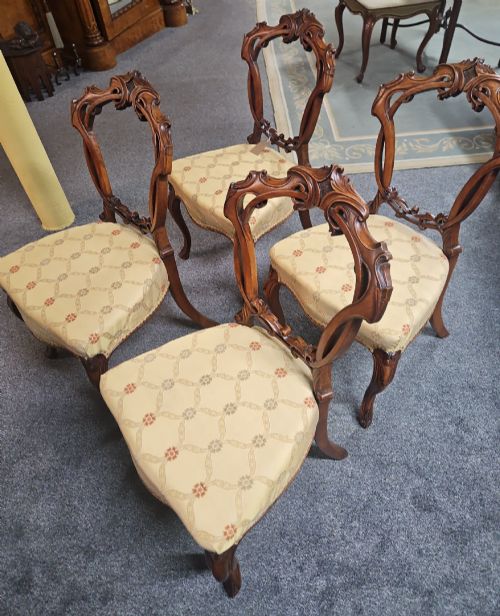
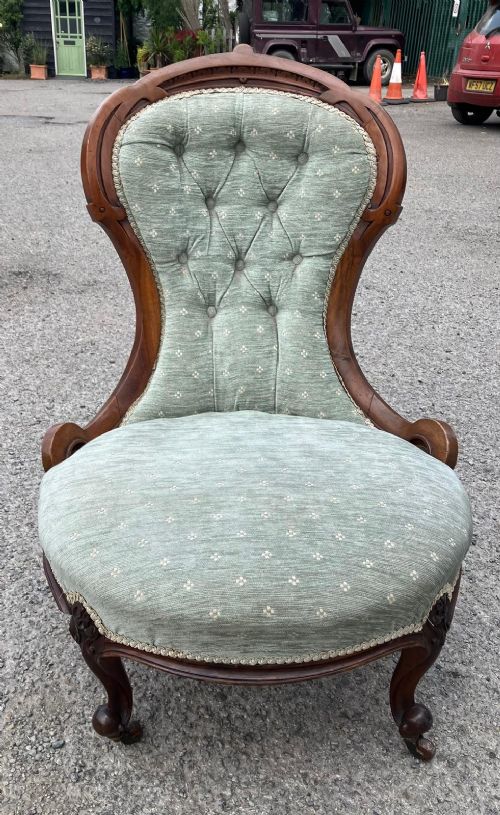
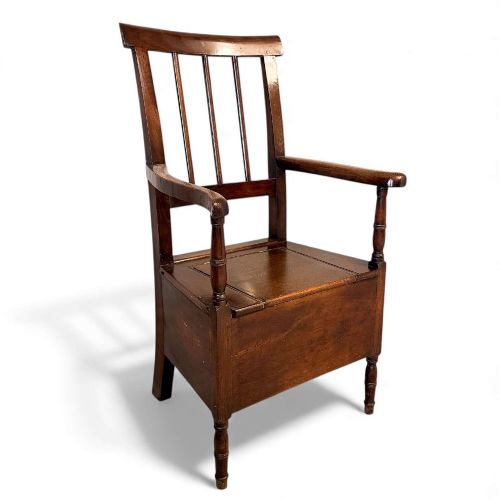
The most common examples on this page are dining chairs and side chairs originating from the 18th century or the Victorian era. Buyers encounter everything from single footstools to large matching sets of twelve.
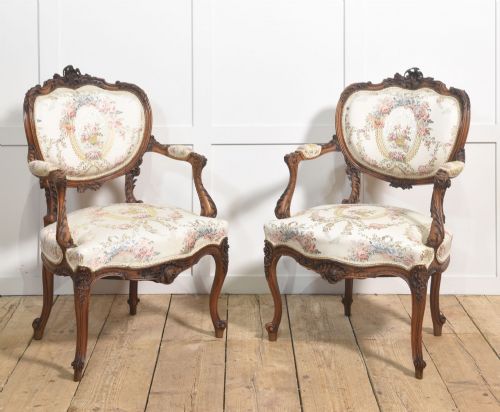
Origins range across English, French, and Scottish workshops, utilising styles such as Queen Anne, George I, Georgian, and Victorian Rococo Revival. Each form serves a specific domestic function, from formal dining to bedroom dressing.
How they were made
Carpenters utilised solid walnut and burr walnut for structural frames, sometimes turning to oak or other timbers for internal bracing. Timber selection determined the depth of grain and the capacity for intricate carving.
Upholstery relied on traditional textiles including fabric, leather, tapestry, needlepoint, and brass detailing. These coverings were secured to webbing and stuffing within stools, armchairs, and settees.
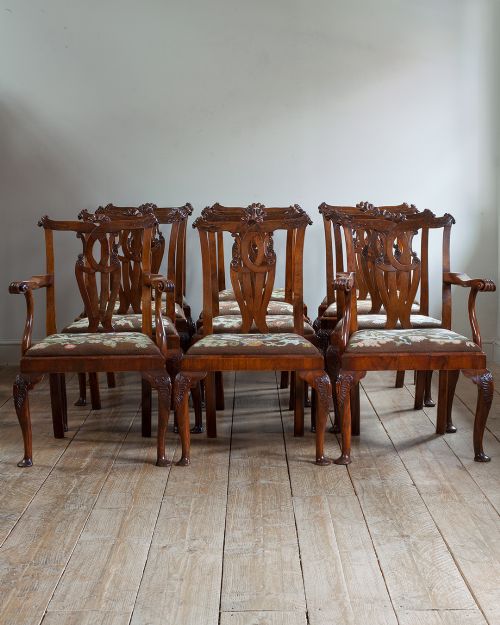
Joinery techniques involved mortise and tenon joints alongside cabriole legs and ribbon back designs. Makers shaped the timber using hand tools to achieve curved stiles and carved ornamentation.
Listings feature walnut seating spanning from the 17th century through the Victorian era and into 1930s revivals.
What varies in quality
The sophistication of the timber grain marks the division between standard examples and exceptional pieces. Burr walnut veneers and deeply figured surfaces command greater visual presence than plain walnut boards.
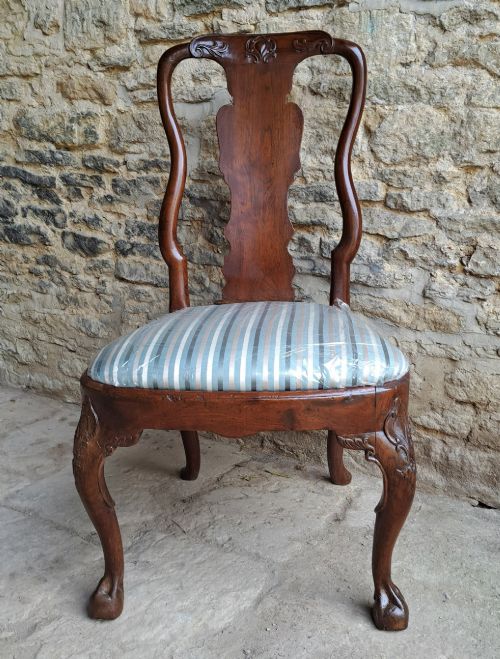
Carving execution defines the artisan's hand, separating routine production from master craftsmanship. Crisp relief work on cabriole legs, splats, and crest rails shows a higher degree of execution.
Originality of upholstery materials and structural framing preserves the integrity of the piece. Retained period textiles or intact joinery without excessive timber replacement elevate historical worth.
Charles Tozer·Lamb of Manchester
The Period Walnut Seat Glossary
- Cabriole leg
- A furniture leg that curves outward at the knee and tapers inward to an ankle. This form mimics animal limbs and appears frequently on 18th-century designs.
- Ribbon back
- A chair back featuring an openwork splat carved to resemble intertwined ribbons or scrolls. This style appears on Georgian seating.
- Settee
- A long wooden or upholstered seat with a back and arms, designed for more than one person. These pieces provide extended seating in reception rooms.
- Needlepoint
- Hand-stitched canvas embroidery utilising wool or silk yarn. This textile frequently covers the seats of period chairs and footstools.
- Burr walnut
- Timber sliced from walnut tree growths, producing an intricate swirling grain pattern. Cabinet makers used this veneer on high-status furniture surfaces.
Period Walnut Seat: Frequently Asked Questions
What is a period walnut seat?
A period walnut seat is an antique chair, stool, or settee constructed primarily from walnut wood during past centuries. These functional items range from simple side chairs to elaborate Victorian dining sets.
Craftsmen built these pieces for dining rooms, libraries, and parlours. They combine structural woodwork with textiles like leather, tapestry, and fabric.
How do I identify a Queen Anne walnut chair?
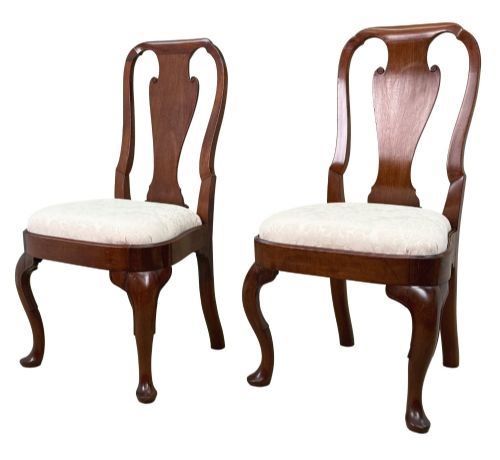
Queen Anne walnut chairs typically feature rounded top rails, solid vase-shaped splats, and cabriole legs ending in pad feet. The timber displays warm brown tones with distinctive grain patterns.
These chairs often lack heavy carving, relying instead on smooth flowing lines and proportion. Side and dining chairs from this period date back to the early 18th century.
Where were these seats used historically?
Historically, these seats belonged in formal dining rooms, grand halls, and private drawing rooms. Dining chairs served around large tables, while armchairs and settees furnished reception spaces.
Smaller items like footstools and nursing chairs served bedrooms and dressing areas. Each seating form fulfilled a specific domestic requirement for comfort and social status.
How should I care for antique walnut wood?
Care for antique walnut involves keeping wooden frames away from direct sunlight and extreme temperature shifts. Gentle dusting with a dry cloth preserves the finish without harming the timber.
Upholstered sections require careful vacuuming using low suction attachment tools. Avoid harsh chemical polishes that can degrade historical surface patinas.