


Vintage Low Table
A vintage low table brings useful surface space and period character close to the floor, drawing on styles from Edwardian oak to Art Deco walnut.

Vintage Low Table
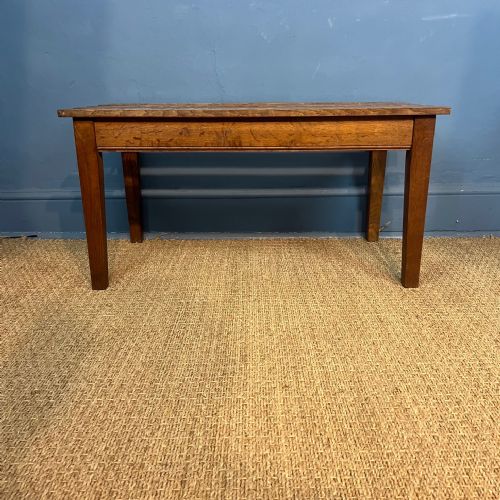
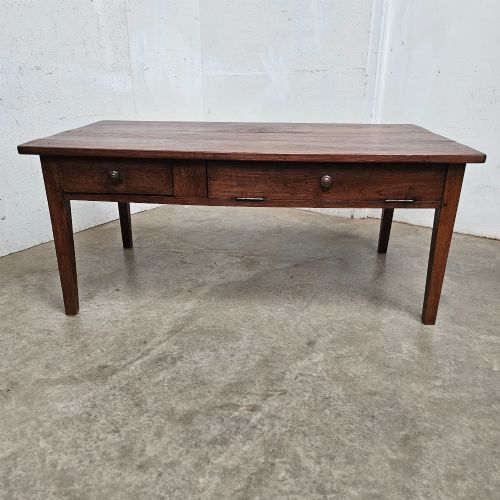
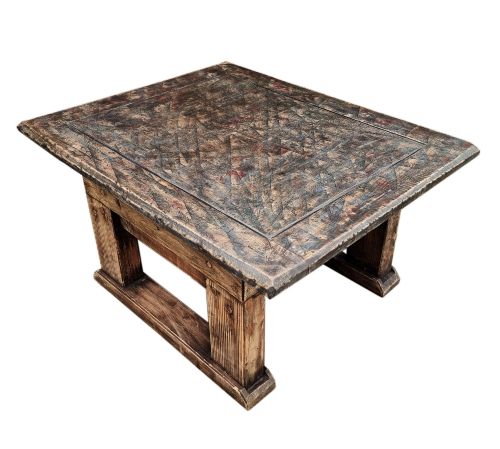
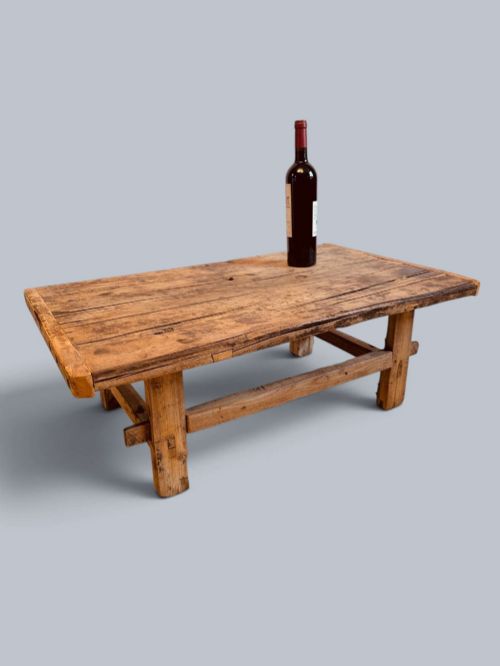
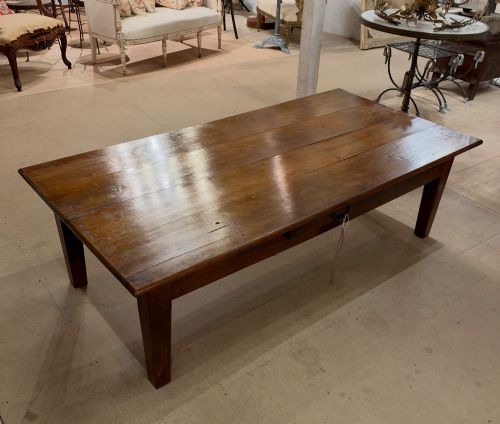
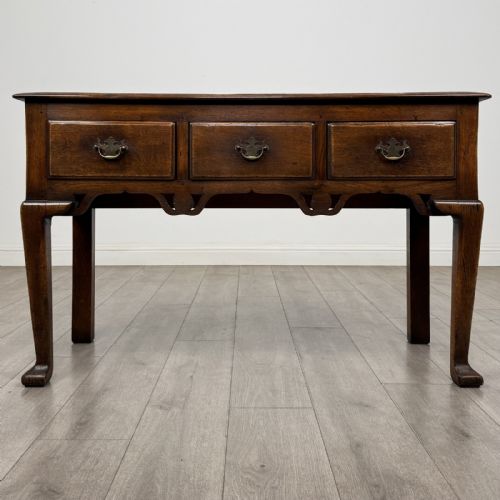
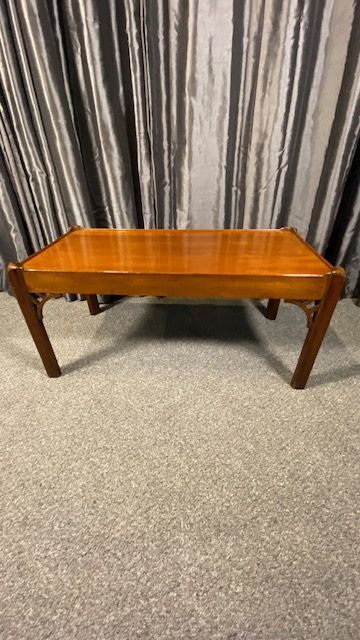
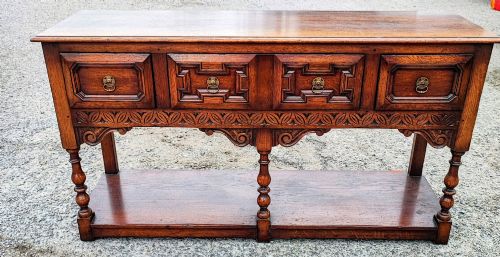
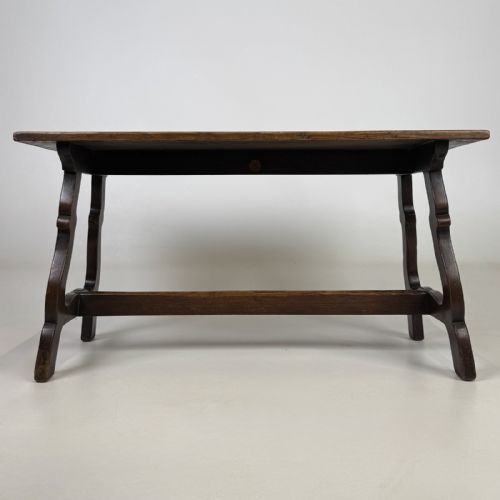
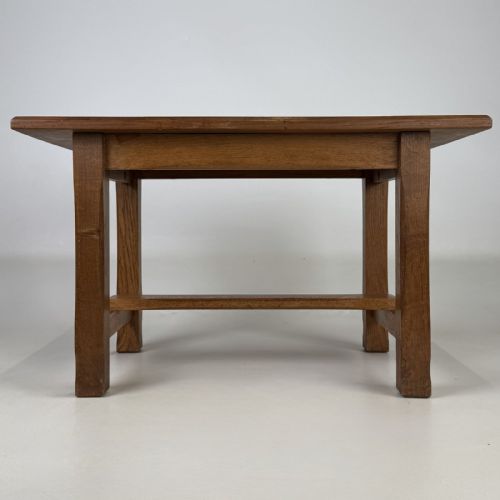
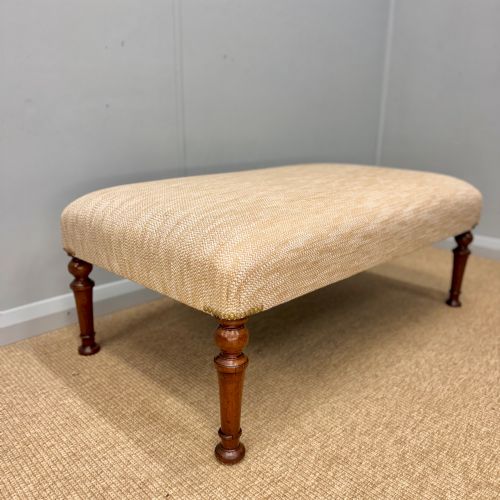
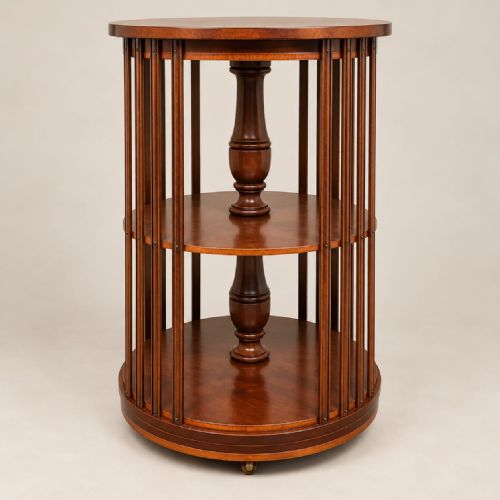
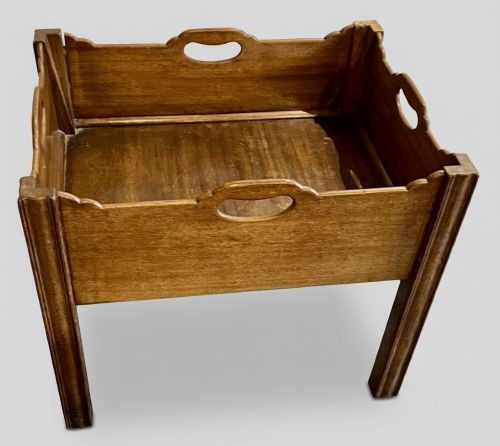
A vintage low table encompasses low-slung coffee tables, adapted stools, and occasional pieces originating from periods including the nineteenth century, the Edwardian era, and the nineteen-thirties. You will frequently encounter oak coffee tables, walnut designs, and low tables featuring marble tops or intricate parquetry.
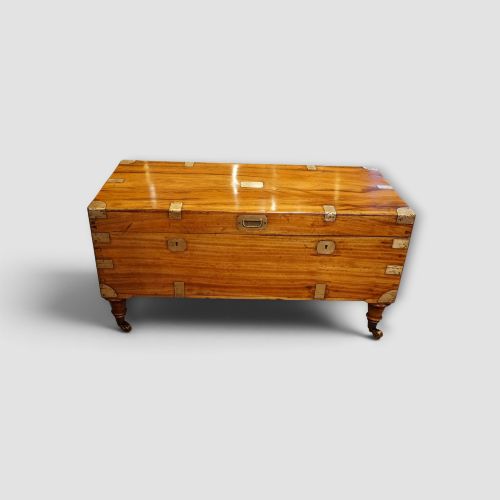
Origins stretch from English workshops to French makers and Anglo-Indian or Chinese studios, ensuring a wide variety of proportions and decorative details. These pieces serve modern living rooms by offering compact, grounded surfaces with distinct historical provenance.
Materials and construction methods
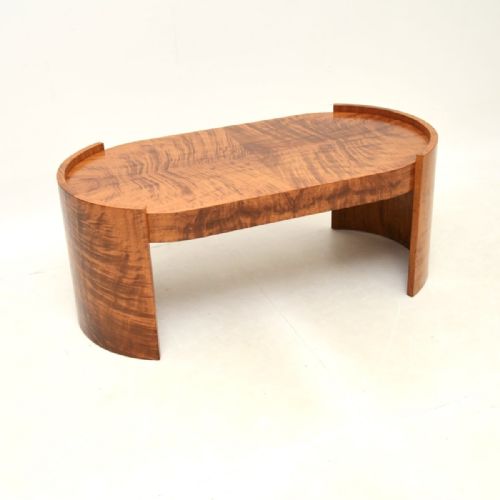
Makers utilised solid and veneered timbers, selecting walnut, oak, mahogany, and pine for their structural durability and grain pattern. Burr walnut and burr maple veneers appear frequently on nineteen-thirties pieces, providing decorative surfaces with rich figuring.
Inlay techniques such as marquetry and parquetry demonstrate meticulous craftsmanship on French and continental examples, while brass, marble, and leather add contrasting textures. Joinery relies on traditional methods, including turned legs, cross stretchers, and pie crust edging.
Vintage Low Table Retail Price Guide 2026
Typical asking prices for vintage low table among the pieces listed under this phrase on Sellingantiques today, from the lower quarter to the upper quarter. They describe what is for sale here now, not the wider market.
Styles range from Art Deco and rustic farmhouse to Queen Anne, Chippendale, and Anglo-Indian designs.
Distinguishing quality in low tables
Quality rests upon the selection of timber and the precision of surface decoration, such as figured walnut veneers or inlaid parquetry. Superior examples exhibit refined carving, well-chosen marble inserts, and robust joinery that withstands daily use.
Proportion and execution separate ordinary conversions from purpose-built or finely executed period pieces. Tables featuring balanced turned legs, crisp mouldings, and intact original finishes demonstrate superior craftsmanship.
The Vintage Low Table Glossary
- Parquetry
- Geometric patterns formed by small pieces of wood veneer laid down on a surface. It is often seen on French tables from the nineteen-thirties.
- Marquetry
- Elaborate pictorial designs created using various woods and veneers applied to furniture surfaces. This technique frequently graces continental occasional tables.
- Burr walnut
- Wood grain taken from a growth or burl on a walnut tree, producing swirling patterns. It was favoured by Art Deco makers for tabletops.
- Pie crust
- A decorative raised and shaped edge carved around the perimeter of a tabletop. This detail appears on select walnut coffee tables.
- Hibachi
- A traditional Japanese heating device often adapted into a low occasional table. These pieces bring distinctive Asian craftsmanship to interiors.
Vintage Low Table: Frequently Asked Questions
What is a vintage low table used for?
These tables provide a practical surface for everyday living room tasks, holding books, drinks, or decorative objects close to seating.
Because they sit lower than standard dining furniture, they help maintain an open sightline across a room while offering reliable utility.
How do I identify an Art Deco low table?
Art Deco pieces typically date from around nineteen-thirty and often feature burr walnut, maple, or contrasting two-tier designs.
Look for clean geometric lines, sleek veneers, and minimal carving compared to earlier Victorian or Edwardian iterations.
Are marble topped low tables fragile?
Marble tops provide a durable, heat-resistant surface that adds weight and stability to the table.
While the stone is robust, it requires sensible care to avoid chipping the polished edges or staining porous areas with acidic liquids.
How can I tell an Edwardian table from a nineteenth century one?
Edwardian tables often display lighter oak construction and simplified revival styles such as Chippendale or Jacobean influences.
Nineteenth-century pieces frequently utilise heavier mahogany or walnut, featuring deeper hand-carving and darker patination developed over longer use.