



Vintage London Artwork
Vintage london artwork captures the capital through maritime watercolours, street scenes, and topographical etchings from past centuries.
Vintage London Artwork
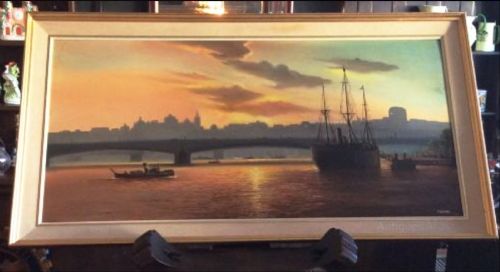
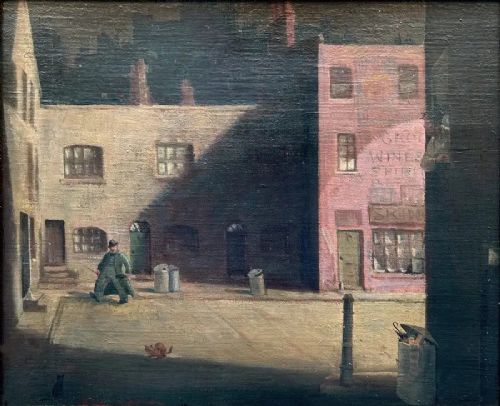
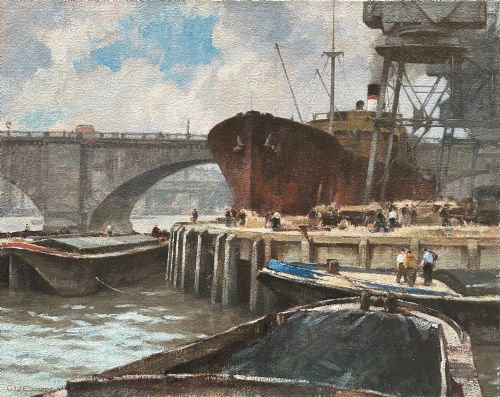
Vintage london artwork encompasses a broad range of paintings, framed prints, and drawings depicting the capital's landmarks, river views, and streets. Buyers searching this phrase encounter depictions of the River Thames, St Paul's Cathedral, and London Bridge rendered across multiple decades.
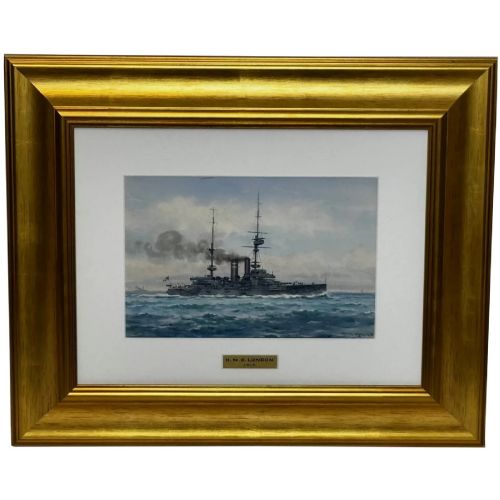
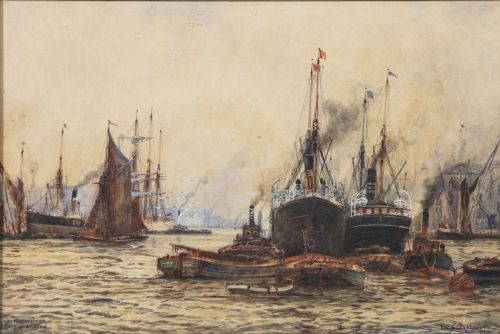
The selections span various periods including the Victorian era, Edwardian period, and mid-century modern movements. Watercolour paintings and etching prints dominate the visual record, often focusing on maritime traffic, shipping, and urban parks.
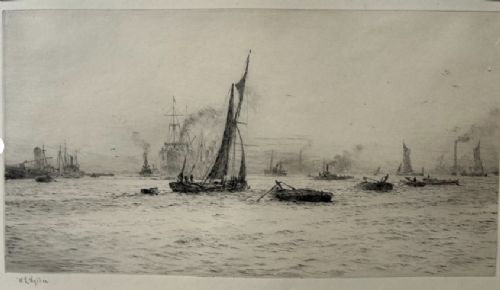
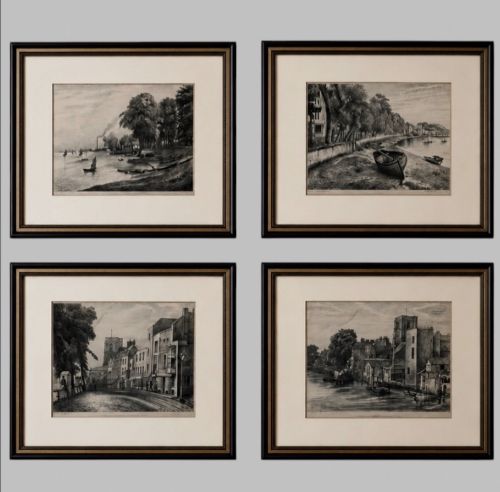
Topographical watercolours and pencil-signed etchings capture the changing architecture and daily atmosphere of the city. These works frequently record specific locations such as Westminster Bridge, Leicester Square, and the Pool of London.
How they were made
Artists utilised traditional materials such as paper, canvas, watercolour pigments, and oil paint to record cityscapes. Etchings and engravings on paper required inked metal plates pressed to produce detailed architectural lines.
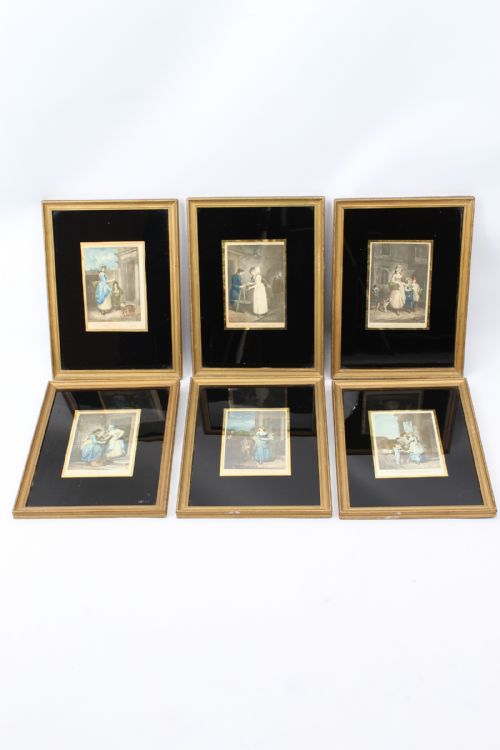
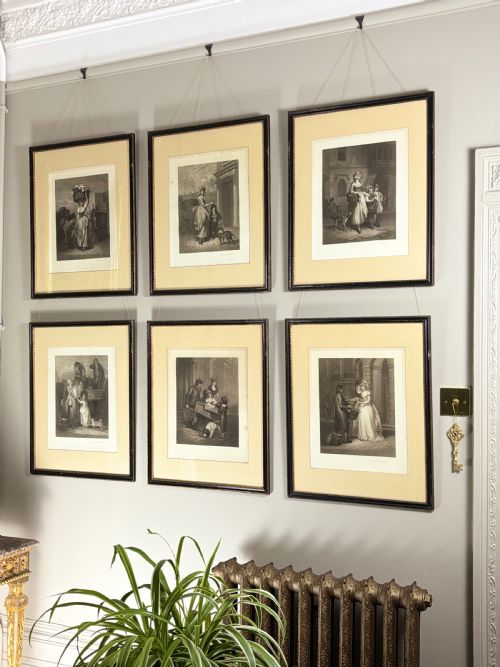
Framing materials typically involve wood and glass to protect delicate watercolours and paper prints from environmental moisture. Hand-colouring was occasionally applied directly onto printed etchings to enhance atmospheric details.
Materials span paper, glass, watercolour, wood, ink, oil paint, and canvas across multiple decades.
What varies in quality
The strength of the composition and the precision of the topographical detail separate accomplished works from standard decorative prints. Hand-signed etchings and original watercolours demonstrate greater artistic engagement than mass-produced lithographs.
The condition of the paper support and the clarity of the ink or pigment influence the visual presence of each piece. Works maintaining their original framing materials and clean, unblemished surfaces display superior preservation.
Frank Watson Wood·William Lionel Wyllie·Frank William Scarbrough·Pablo Picasso·Thomas G Appleton·Charles James Lauder·Samuel Henry Alken·Edgar J. Maybery·Rowland Henry Hill·Beatrice Parsons·Frances E Nesbitt·William A. Macdonald·Herbert John Finn
The Vintage London Artwork Glossary
- Etchings
- An intaglio printmaking process where lines are incised into a metal plate with acid before being inked and pressed onto paper. This technique allows for fine, intricate lines suitable for architectural views.
- Watercolour
- A painting method where paint is made from pigments suspended in a water-based solution applied to paper. It remains a primary medium for capturing light and atmosphere in landscape scenes.
- Mezzotint
- A tonal printmaking method allowing smooth gradations of light and shade without using line. It was frequently utilised for reproducing portraits and large topographical scenes.
- Drypoint
- A printmaking technique where an image is scratched directly onto a metal plate with a sharp needle. The resulting burr holds ink to create soft, velvety lines.
Vintage London Artwork: Frequently Asked Questions
What subjects appear most frequently?
Depictions of the River Thames, bridges, shipping vessels, and famous city monuments dominate the selections. Artists frequently recorded landmarks such as St Paul's Cathedral and Westminster Bridge across various lighting conditions.
Views of urban parks and bustling commercial streets also feature prominently among the recorded materials, reflecting everyday life in the capital over successive decades.
How should paper artworks be displayed?
Watercolours and etchings on paper require placement away from direct sunlight to prevent fading of pigments and discolouration of the support. Acid-free mounting materials help protect fragile paper over extended periods.
Maintaining stable indoor humidity levels prevents warping of the wooden frames and protects the paper surface behind the glass enclosure.
How can I tell etchings from prints?
Original etchings display a distinct indentation in the paper where the metal plate was pressed under heavy pressure during printing. Examining the surface under magnification reveals raised lines of dried ink rather than flat photographic dots.
Signed works in pencil near the lower margin typically indicate limited printing runs handled directly by the artist.
What distinguishes mid-century pieces?
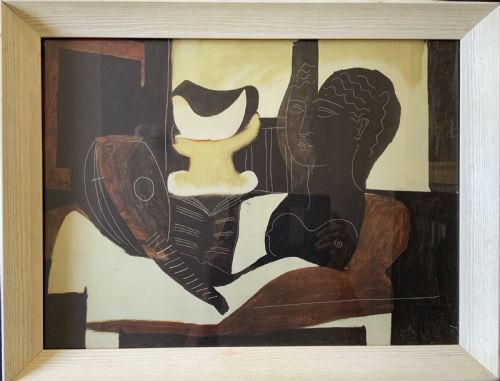
Mid-century works often embrace abstract forms and modernist printmaking techniques that contrast with traditional Victorian topographical views. These later pieces reflect shifts in artistic interpretation and gallery distribution.
Materials from this era include lithographs and canvas paintings associated with established London galleries and publishing houses.