


Vintage Letter Rack Desk
A vintage letter rack desk keeps correspondence sorted, and these oak, mahogany and brass pieces bring proper order to any desktop.
Vintage Letter Rack Desk
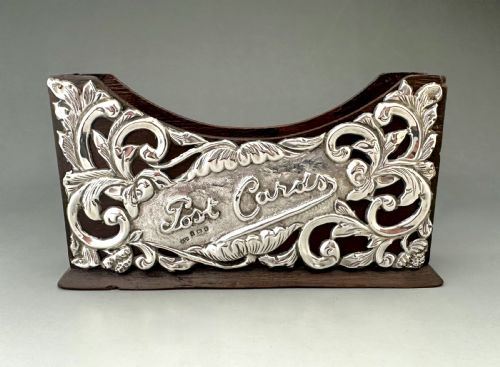
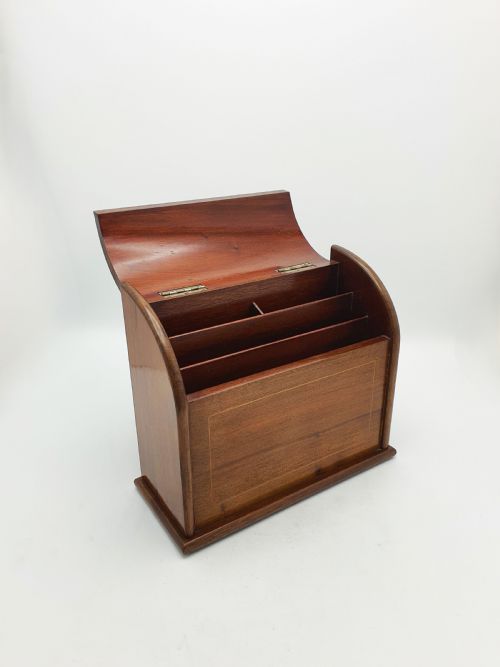
When searching for a vintage letter rack desk, buyers find desktop accessories designed to hold correspondence, stationery and papers in an orderly fashion. These pieces include stationery cabinets, fall-front desks, correspondence boxes and tiered letter holders originating from the Victorian, Edwardian and Georgian periods.
The versions most commonly met on this page span the nineteenth and early twentieth centuries, constructed in regional British workshops and larger international houses. They range from simple oak desk tidies to elaborate brass and mahogany stationery boxes equipped with hinged lids and internal pigeonholes.
How they were made
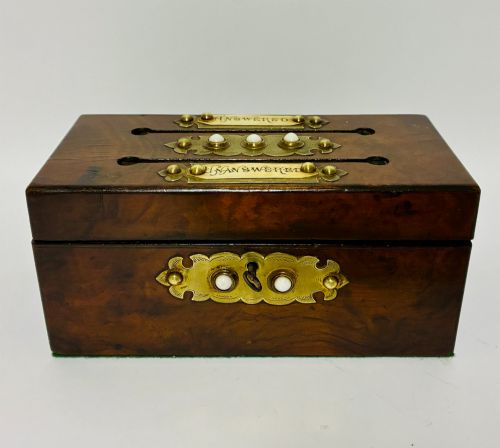
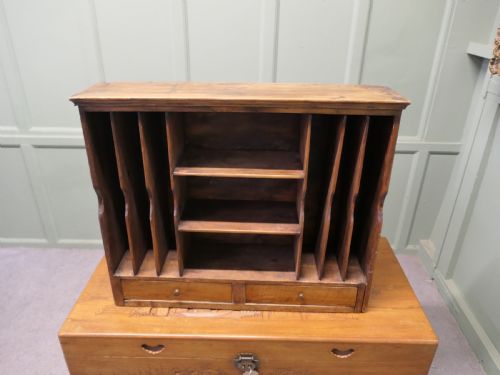
Cabinet makers utilised solid timber such as oak, mahogany, walnut and pitch pine, often joining them with traditional dovetails for structural strength. Desk boxes and stationary cabinets frequently incorporated hinged lids, fall-front panels and internal pigeonholes to partition incoming post.
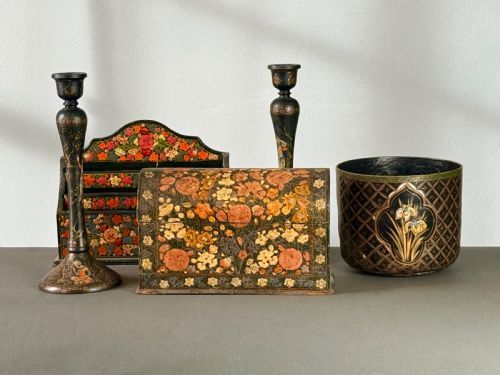
Metal components relied on cast brass, copper and silver plating, sometimes paired with glass, lacquer, paint or papier-mâché for decorative effect. Arts and Crafts examples display hand-beaten metalwork, while Chinoiserie and lacquer pieces feature applied surface decoration.
The inventory spans multiple eras, including Georgian, Victorian, Edwardian, and the 1920s and 1930s.
What varies in quality
The distinction between standard utility items and superior examples lies in the selection of timber and the precision of the joinery. Finer pieces display carefully chosen mahogany grain, intricate inlay and substantial brass hardware that remains firmly seated in the wood.
Design complexity also separates pieces, with top-tier stationary boxes featuring secret drawers, extending mechanisms, double-opening lids and matched interior compartments. Simpler desk tidies rely on straightforward construction without specialised internal fittings.
Elkington
The Vintage Letter Rack Desk Glossary
- Stationery cabinet
- A desktop box designed to hold writing paper, envelopes and correspondence upright or in stacked shelves. These cabinets often feature fall-front doors or hinged lids.
- Desk tidy
- A compact organizer fitted with compartments for pens, inkwells, stamps and letters. They sit directly on the desktop to keep writing materials accessible.
- Pigeonholes
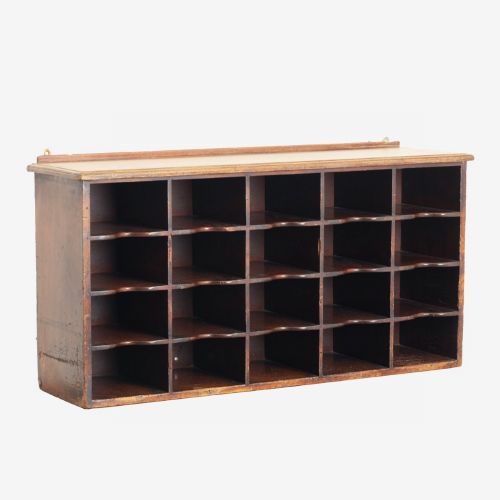
- Small, stacked open compartments inside a desk or cabinet used to sort letters and documents. They form an essential part of nineteenth-century desktop organisation.
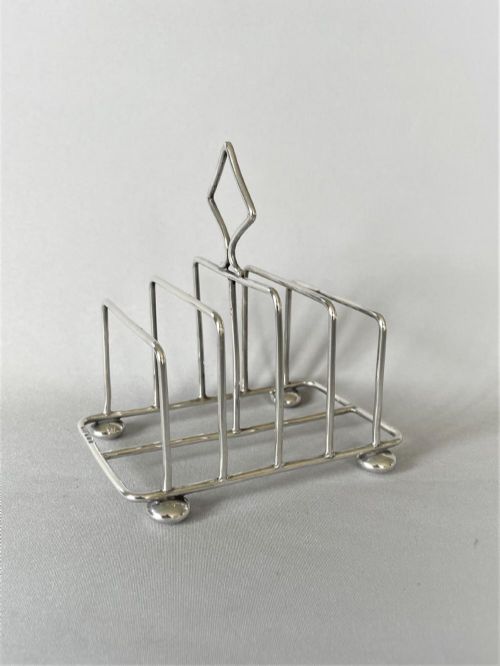
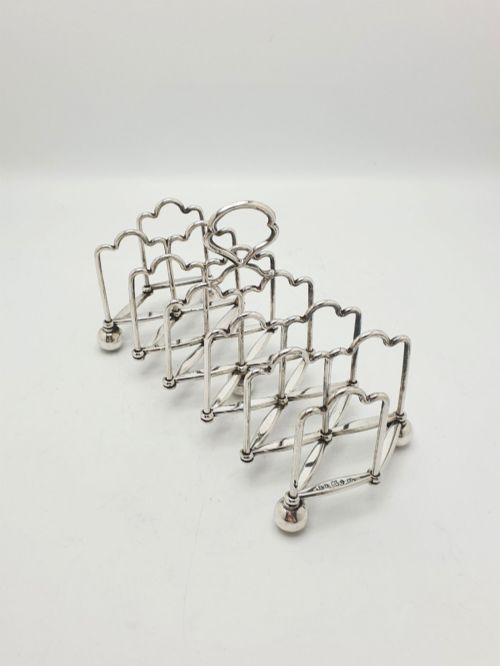
- Toast rack
- A metal frame with vertical dividers, originally designed for the breakfast table but frequently repurposed on desks to hold letters and envelopes.
- Fall-front
- A hinged panel that drops forward to reveal an internal writing surface or compartments for stationery. This mechanism protects the contents when closed.
Vintage Letter Rack Desk: Frequently Asked Questions
What is a vintage letter rack desk?
A vintage letter rack desk refers to desktop accessories and small cabinets designed to organise letters, envelopes and writing materials. These pieces include stationary boxes, correspondence chests and desk tidies.
They originated primarily in the Victorian and Edwardian eras, serving both home studies and professional offices to keep daily post sorted.
How were stationery cabinets used?
Stationery cabinets sat on top of larger desks or tables to hold blank paper, envelopes and incoming mail in an upright position. The fitted compartments ensured that different sizes of paper remained separate.
Many featured lockable doors or fall-front lids to keep confidential correspondence private when the owner stepped away from the desk.
What materials are common on these desks?
Solid timbers such as oak and mahogany form the primary structure for the majority of these pieces. Brass and copper appear frequently as structural dividers, hinges and decorative mounts.
Finer examples incorporate specialist finishes including lacquer, papier-mâché, silver plating and glass panels to enhance the appearance on a library table.
How do I date an antique desk tidy?
Dating relies on observing the timber species, construction methods, and prevailing architectural styles of the period. Victorian and Edwardian pieces often display machine-sawn elements alongside hand-cut dovetails.
Stylistic cues such as Arts and Crafts hand-beaten copper or elaborate Rococo Revival brass scrollwork also help narrow down the decade of manufacture.