

Vintage Leather Luggage
Vintage leather luggage comprises robust travel cases, trunks, and hat boxes designed for transit across the nineteenth and twentieth centuries.
Vintage Leather Luggage
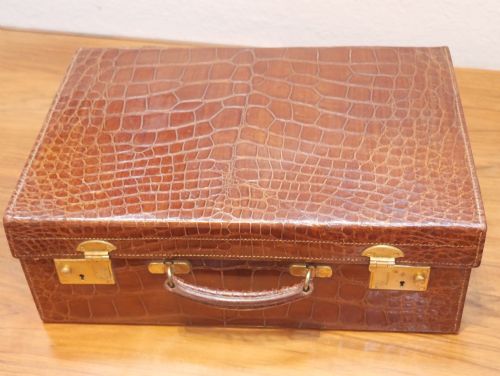
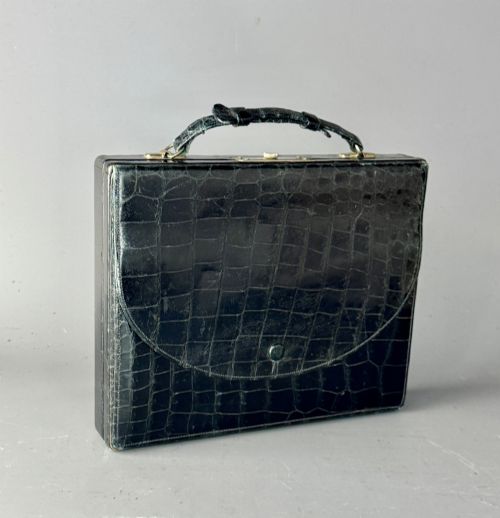
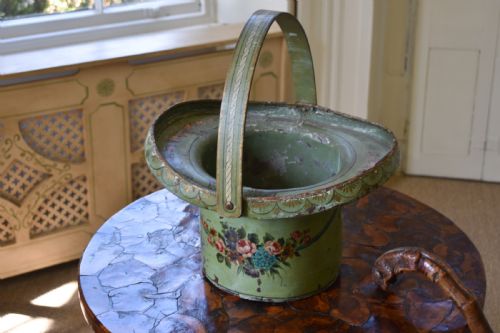
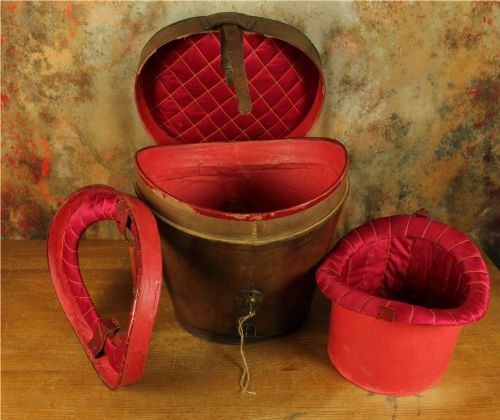
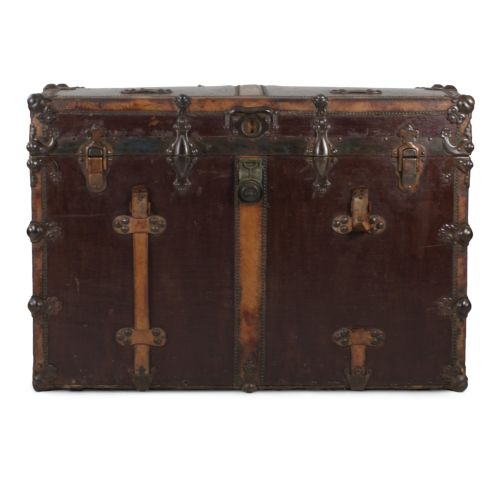
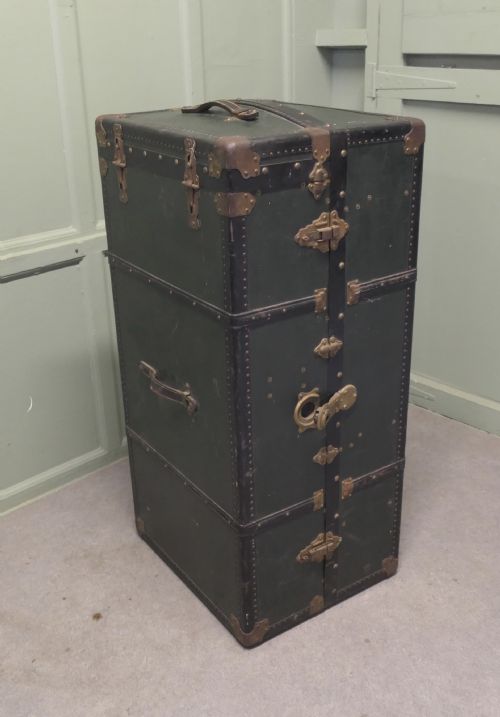
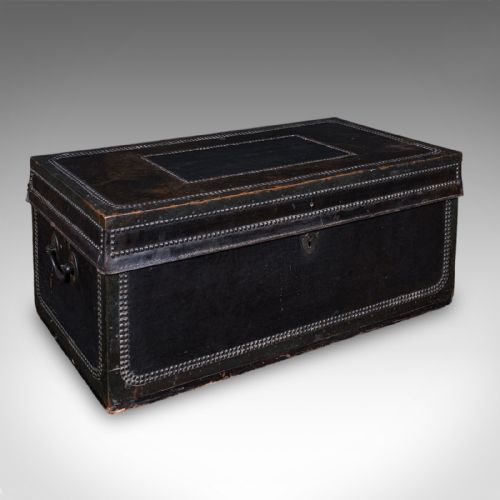
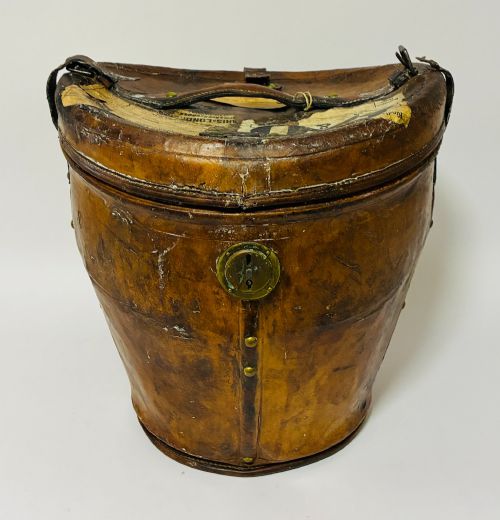
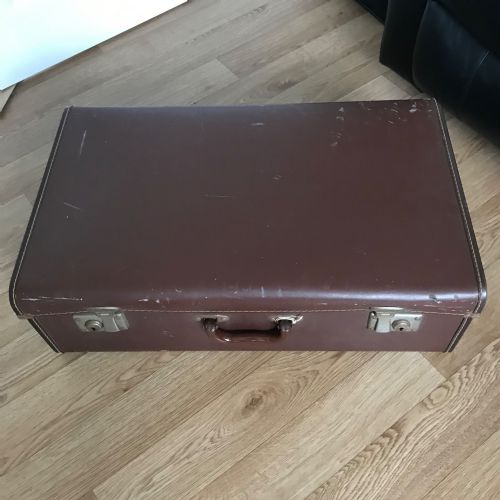
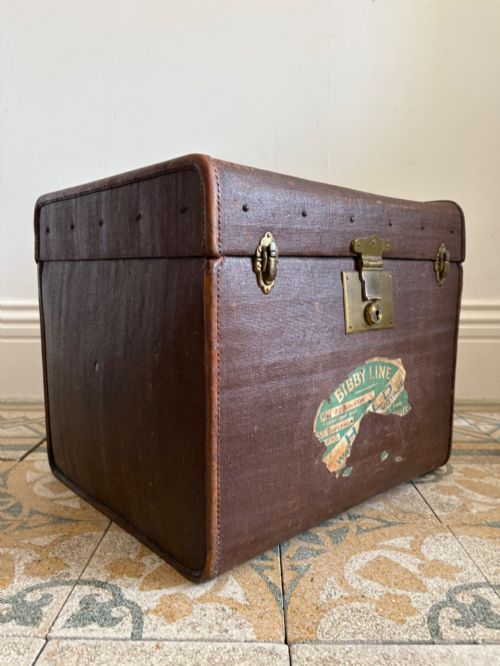
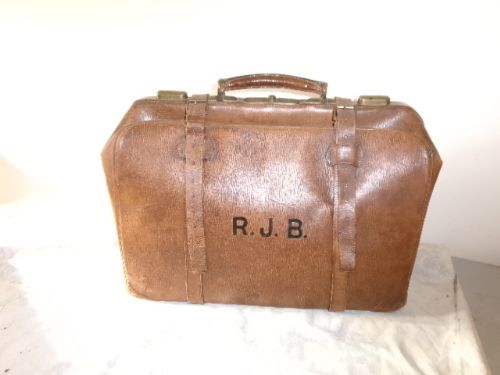
Vintage leather luggage covers a diverse assortment of travelling equipment, including heavy-duty trunks, compact suitcases, Gladstone bags, vanity cases, and specialised hat boxes. Pieces range from Georgian painted leather cases and Victorian brass-bound coaching trunks to Edwardian steamer trunks and Art Deco vanity sets.
The objects originate from various periods spanning the nineteenth century through to the mid-twentieth century, utilising forms built for carriages, ocean liners, and early railways. Buyers frequently encounter traditional English and French travel chests, alongside robust canvas and leather combinations designed for heavy transit.
How They Were Made
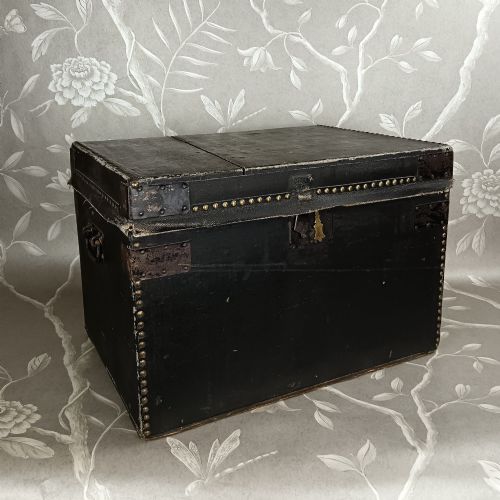
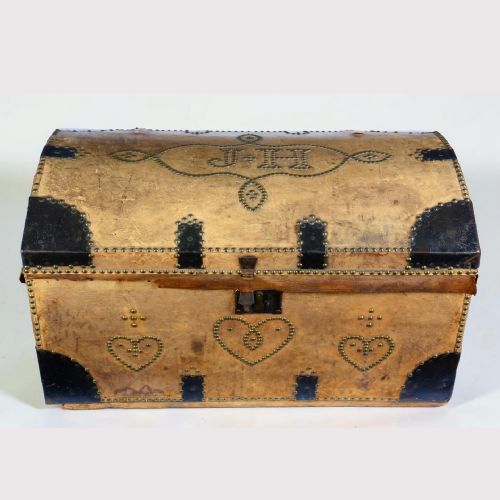
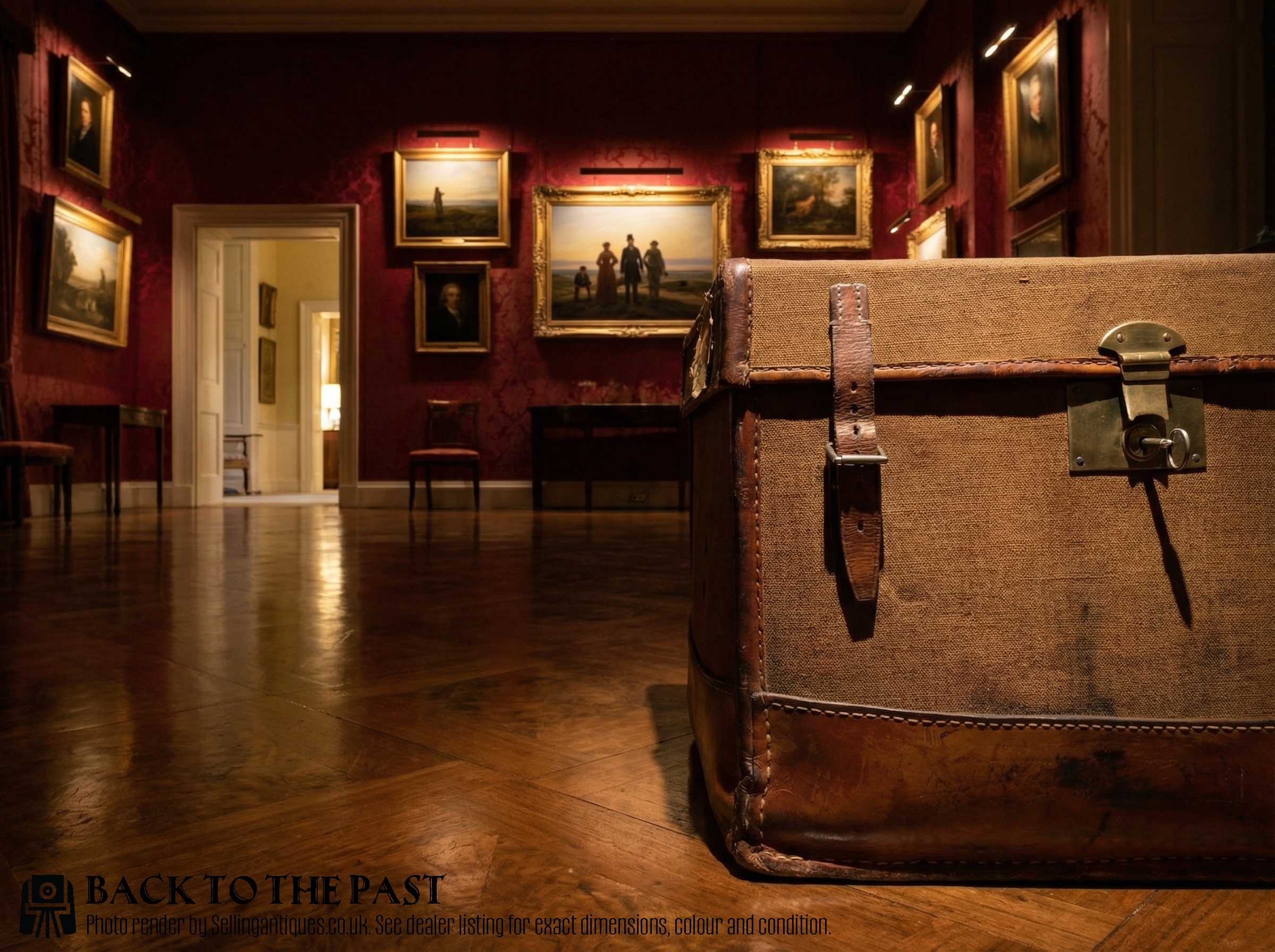
Construction relies heavily on thick animal hides and treated leathers, frequently reinforced with sturdy wooden frameworks, pine carcases, or camphorwood chests. Metal components such as brass studwork, iron bindings, locks, and metal corners provide structural integrity to withstand long journeys.
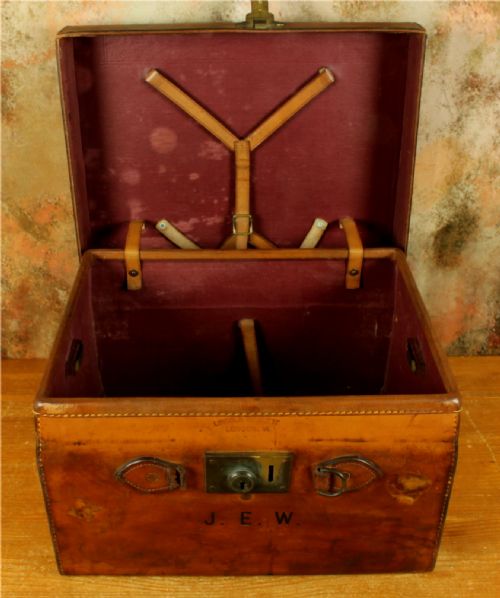
Many examples incorporate secondary materials like canvas, vellum, and paper linings, combined with hand-stitched seams and fitted internal compartments for personal items, bottles, or headwear.
Vintage Leather Luggage Retail Price Guide 2026
Typical asking prices for vintage leather luggage among the pieces listed under this phrase on Sellingantiques today, from the lower quarter to the upper quarter. They describe what is for sale here now, not the wider market.
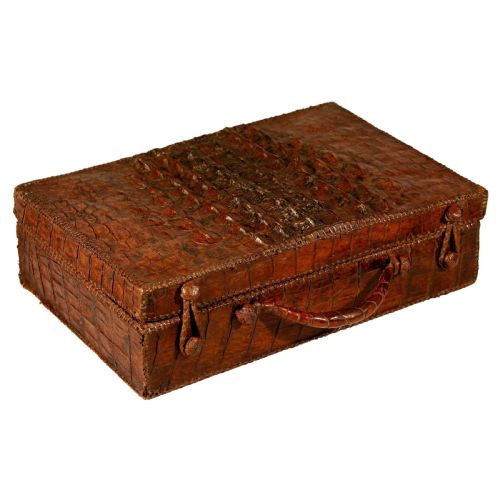
Materials span traditional leather, brass, wood, canvas, iron, crocodile leather, vellum, and paper across the recorded pieces.
What Varies in Quality
The grade of leather and the robustness of the underlying wooden or metal framework determine the resilience and prestige of individual pieces. Fine construction involves heavy brass hardware, secure locks with working keys, and intricate internal fittings tailored for specific travel needs.
Maker attribution and provenance elevate certain items significantly, especially those bearing stamps or labels from prominent retailers and trunk makers. Original elements like travel labels, fitted compartments, and well-preserved linings further distinguish superior examples from standard utility luggage.
Wm. Insall of Bristol·Arthur Wannop·Lincoln Bennett·Pioneer·Army and Navy·Finnigan's Manchester·JW Allen·Drew & Sons·Louis Vuitton·Aux Etats Unis·John Pound·Norris Luggage of England·Bick Bros
The Vintage Leather Luggage Glossary
- Steamer trunk
- A lower-profile travel trunk specifically designed to fit beneath the cabin berth of an ocean liner. These pieces often feature durable canvas or leather coverings over wood.
- Portmanteau
- A large travelling case or suitcase, typically made of leather, that opens into two distinct compartments. The term historically referred to a case used for carrying cloaks.
- Vellum
- A fine parchment material derived from calfskin, used historically to cover luxury trunks and suitcases for a smooth, resilient finish. It often ages to a warm tone.
- Camphorwood
- An aromatic wood traditionally used for the internal carcase of travel chests and trunks to protect stored garments from insects and dampness.
Vintage Leather Luggage: Frequently Asked Questions
How do I care for vintage leather luggage?
Keep these items away from direct sunlight and excessive moisture to prevent the hide from drying out or cracking. Regular conditioning with a suitable leather balm maintains flexibility and preserves the historic surface.
Dust interiors gently with a soft brush, especially in pieces with original fabric linings or fitted compartments. Avoid harsh chemical cleaners that might strip the historic patina or damage brass and iron hardware.
Can I use these trunks for modern travel?
Many sturdy trunks and suitcases remain entirely functional for modern storage, home display, or light transit. However, historical locks may lack security, and antique materials require gentle handling compared to modern synthetic luggage.
Consider utilising larger pieces as coffee tables or blanket chests within the home. This allows you to appreciate the craftsmanship daily while protecting the structure from the rigours of contemporary transit.
What is a steamer trunk?
A steamer trunk is a relatively flat-topped travel chest built to fit easily beneath the berth inside a ship's cabin. These cases emerged to meet the demands of ocean liner travel during the late nineteenth and early twentieth centuries.
They frequently feature reinforced wooden slats, waterproof canvas or leather exteriors, and robust brass hardware. Their compact height distinguishes them from taller wardrobe trunks.
How do I identify the period of a trunk?
Dating relies on examining the construction techniques, hardware styles, materials, and any maker stamps or labels present. Victorian pieces often display heavy brass studwork and elaborate ironmongery, while Edwardian and later examples tend toward lighter framing and fitted internal trays.
Travel labels and railway stickers applied to the exterior can also provide clues regarding the active lifespan of the piece. Comparing construction methods against documented maker timelines helps narrow down the decade of manufacture.