

Brown Leather Travel Case
A brown leather travel case is a practical piece of luggage or fitted container built for mobility, offering sturdy construction and classic appeal.
What a brown leather travel case is
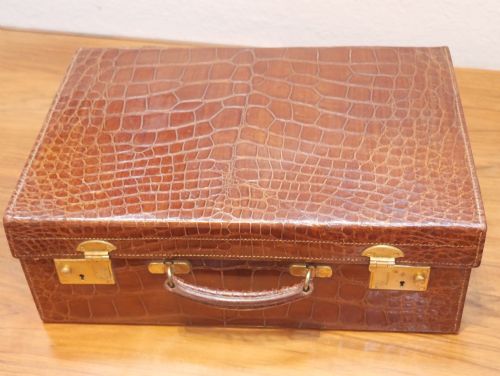
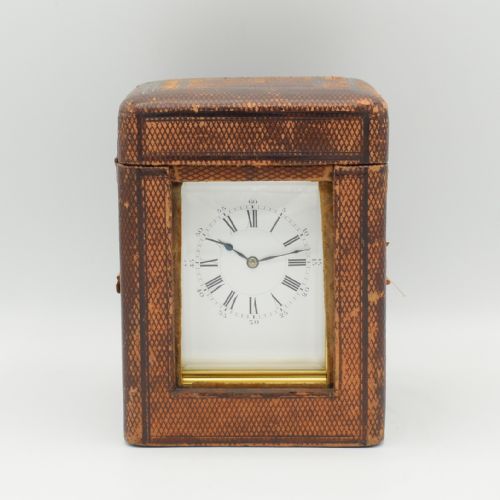
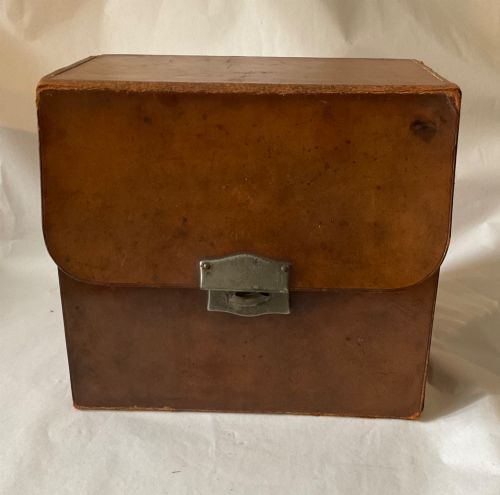
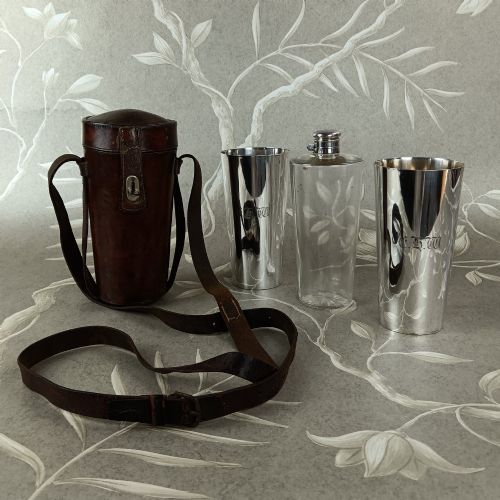
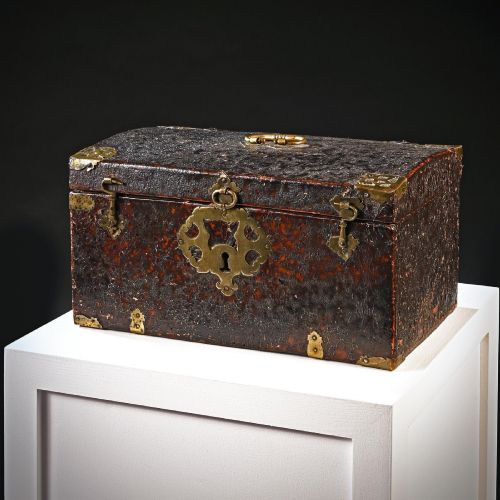
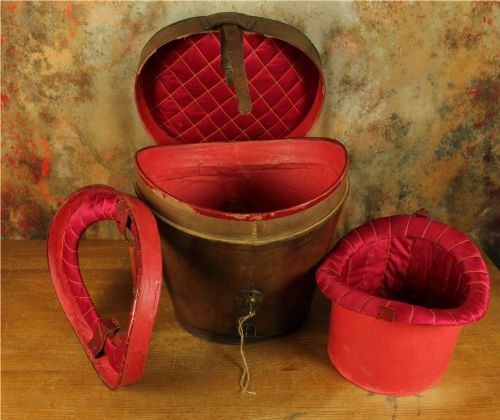
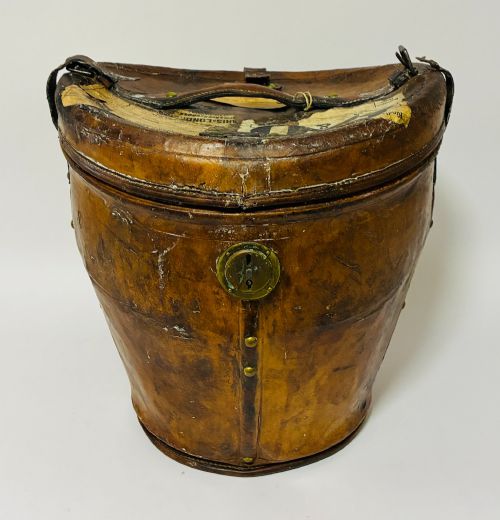
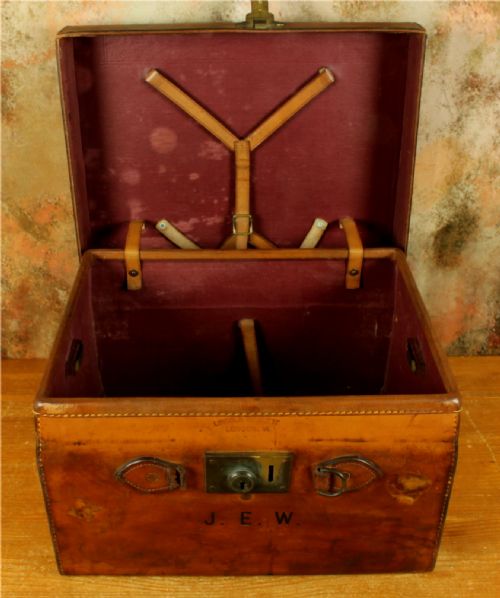
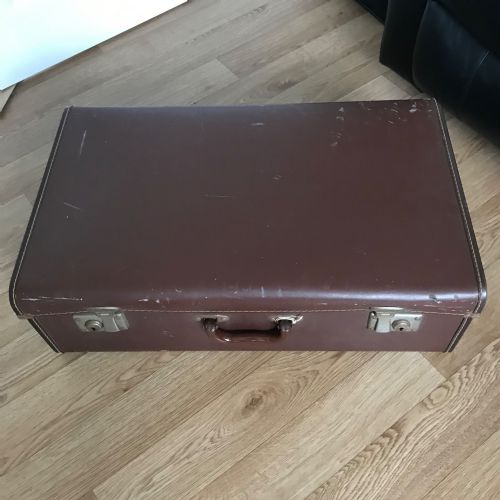
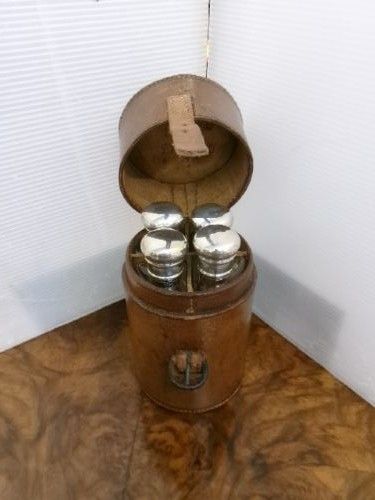
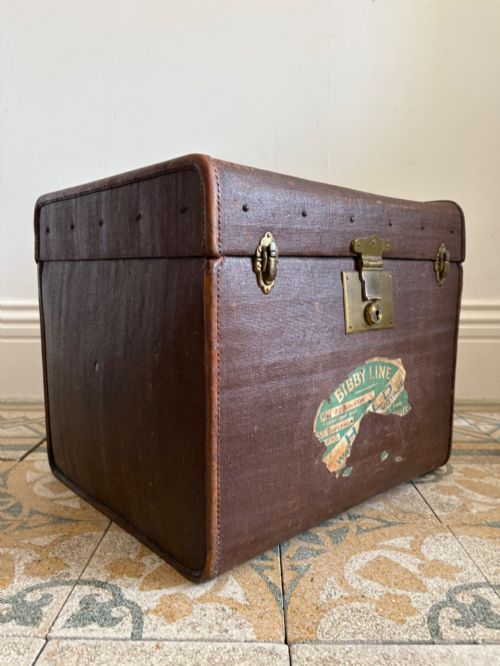
When you search for a brown leather travel case, you encounter functional baggage and fitted containers spanning the Victorian, 19th Century, 1920, and 1930 periods. The forms range from suitcases and luggage to smaller travelling pieces like top hat cases and miniature clocks.
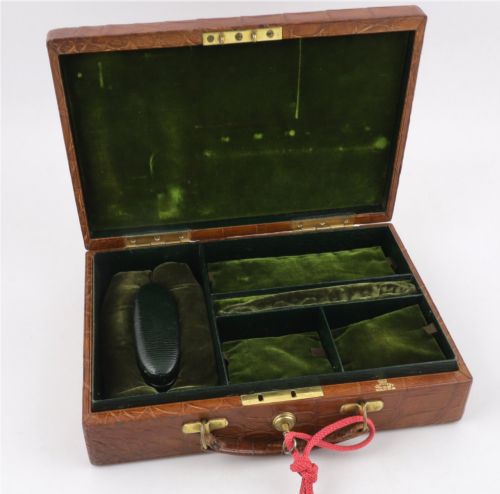
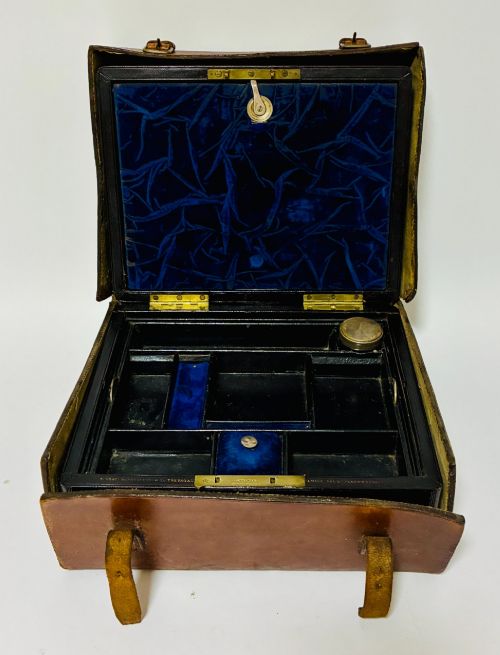
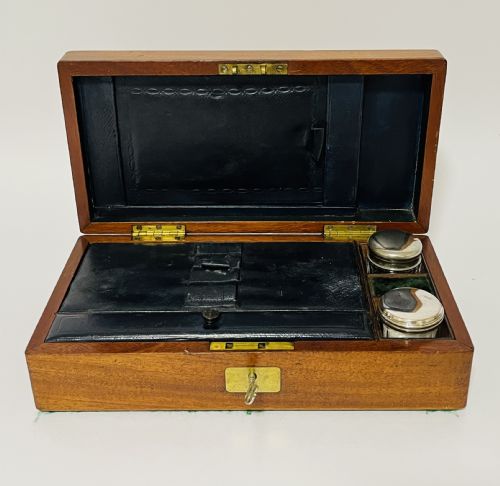
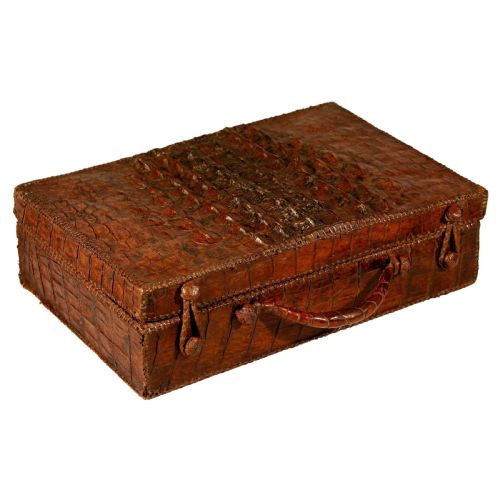
The pieces on this page include handmade suitcases, crocodile or alligator leather hornback storage cases, and travelling items equipped with brass interiors or fitted clocks. Origins span British and French workshops, showing the varied domestic and continental uses for portable belongings.
How they were made
Construction relies primarily on leather, including standard cowhide and exotic crocodile or alligator leather hornback hides, shaped over rigid frameworks. Wood provides internal structure for suitcases and hat cases, while metal components reinforce corners and edges.
Hardware incorporates brass for locks, clasps, and ornate interiors, alongside silver, glass, and enamel details found in fitted travel clocks and inkwells. Hand-stitched seams and manual assembly methods define the production across Victorian and mid-century examples.
Retail Price Guide 2026
Typical UK retail prices for brown leather travel case, calculated from the Sellingantiques database of over a million retail prices indexed since 2003. This retail price guide relies exclusively on Sellingantiques data; no external sources or auction records are used, so the figures do not describe the wider market.
Listings feature items from the Victorian period, 19th Century, 1920, and 1930, utilising brass, glass, enamel, silver, wood, and leather.
What varies in quality
The standard of a brown leather travel case rests on the grade of hide selected and the complexity of its internal fittings. Superior examples feature robust hornback crocodile leather or finely stitched handmade construction with complete, intricate brass interiors.
Execution of hardware and secondary materials distinguishes utilitarian baggage from luxury travelling accessories. Fine details such as integrated enamel dials, silver components, and intact original travel cases elevate the sophistication of carriage and boudoir clocks.
Henri Jacot·Pioneer·Au Depart Paris
The Brown Leather Travel Case Glossary
- Carriage clock
- A small, spring-driven timekeeper originally designed for transport during the 19th century. These pieces often include a dedicated travel case for protection on journeys.
- Hornback
- Leather derived from the ridgeback section of a crocodile or alligator skin. This material provides pronounced, bony scutes across the surface of a suitcase or storage case.
- Travelling inkwell
- A small, secure container designed to hold ink without spilling while in transit. Victorian iterations frequently feature ornate brass interiors and fitted leather outer shells.
- Top hat case
- A rigid container shaped specifically to store and protect tall headwear during travel. These specialised cases utilise sturdy leather and wood construction.
Frequently Asked Questions
What items are classed as a brown leather travel case?
The category encompasses a variety of portable containers used for journeys, including full-sized suitcases, top hat cases, and specialised storage trunks.
It also includes smaller fitted items designed for transit, such as travelling inkwells and carriage clocks housed in leather outer cases.
Were these cases used for daily storage?
While originally built for transit and journeys, many of these pieces now function effectively as decorative storage in domestic interiors.
Suitcases and hat cases provide practical spaces for keeping items tidy while adding period character to a room.
What is the difference between standard leather and hornback?
Standard leather offers a smooth, uniform surface derived from hide, commonly utilised for general luggage and suitcases.
Hornback leather incorporates the rigid, bony ridges of a crocodile or alligator hide, creating a highly textured and tactile exterior.