
Vintage Leaf Side Table
A vintage leaf side table brings compact folding agility and rich period timber into small domestic spaces.
Vintage Leaf Side Table
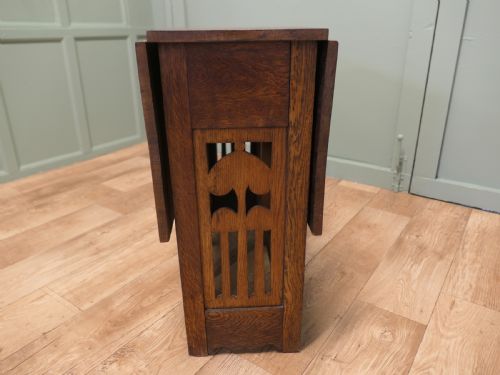
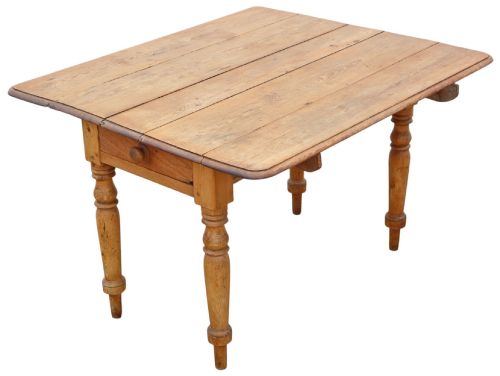
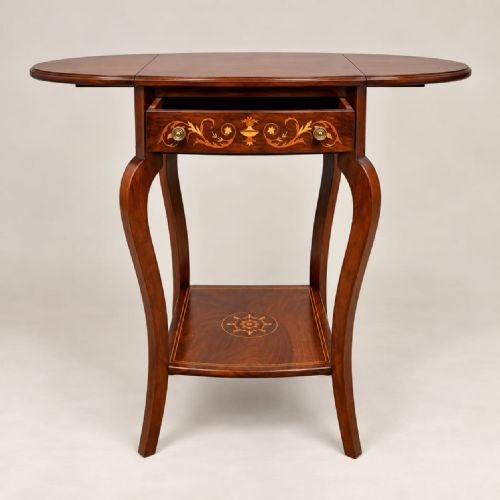
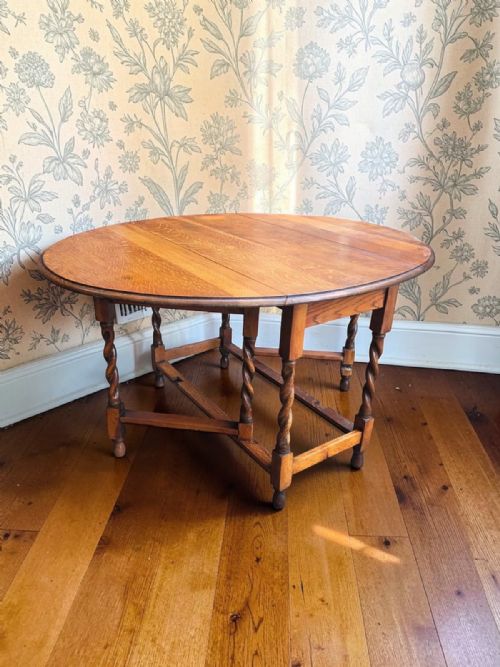
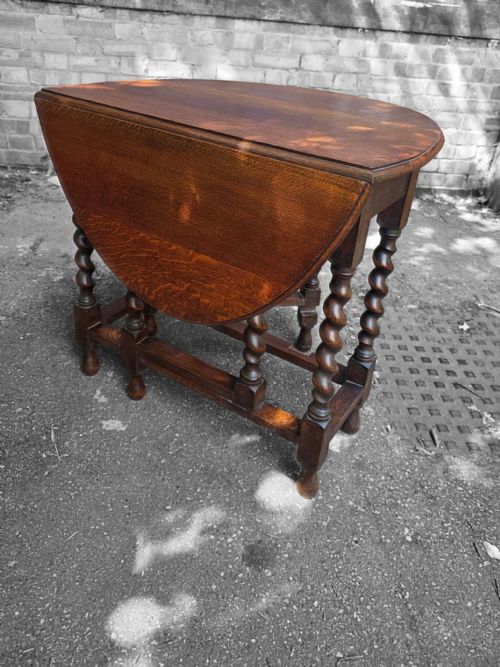
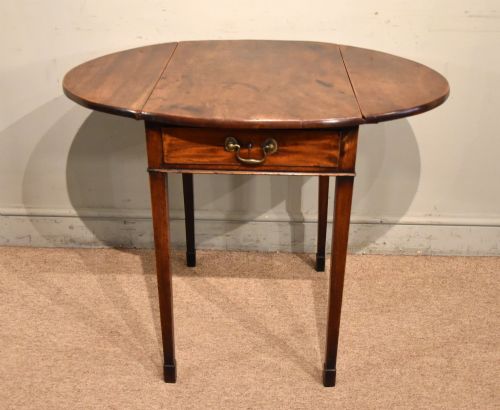
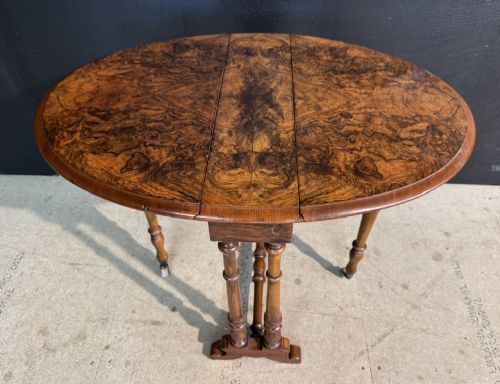
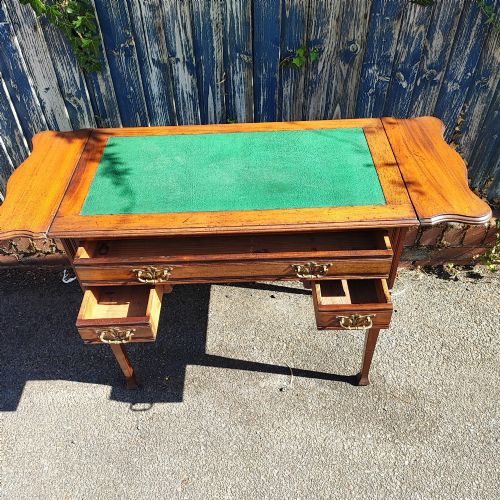
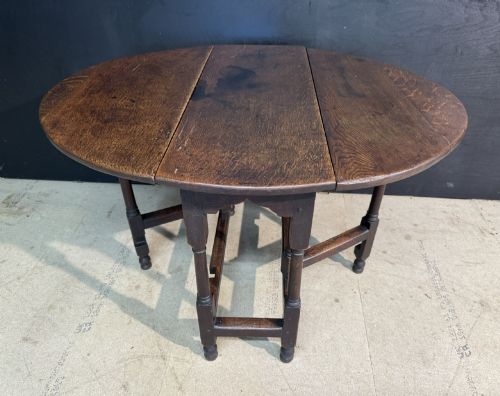
When you search for a vintage leaf side table, you encounter a versatile group of drop-leaf, gateleg, and Pembroke formats designed to expand surface area when needed. These domestic pieces appear across the seventeenth, eighteenth, nineteenth, and early twentieth centuries, serving as side tables, occasional tables, and compact dining furniture.
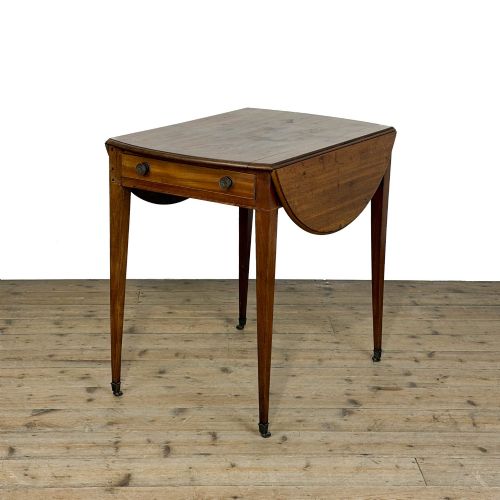
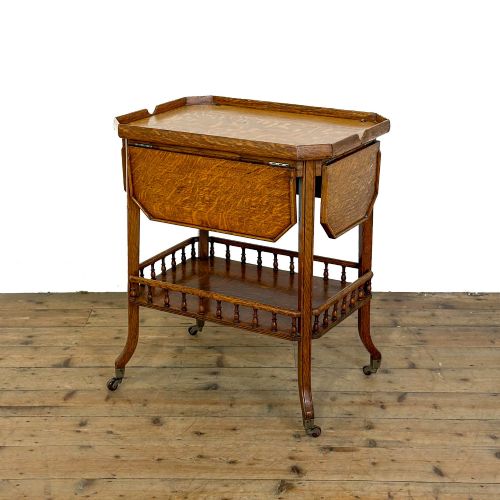
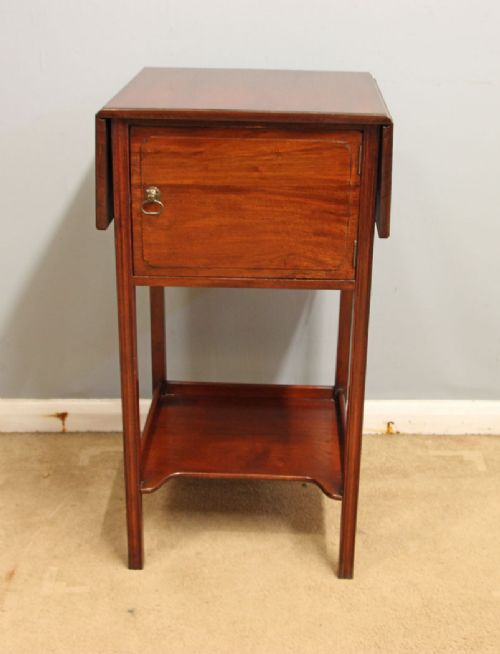
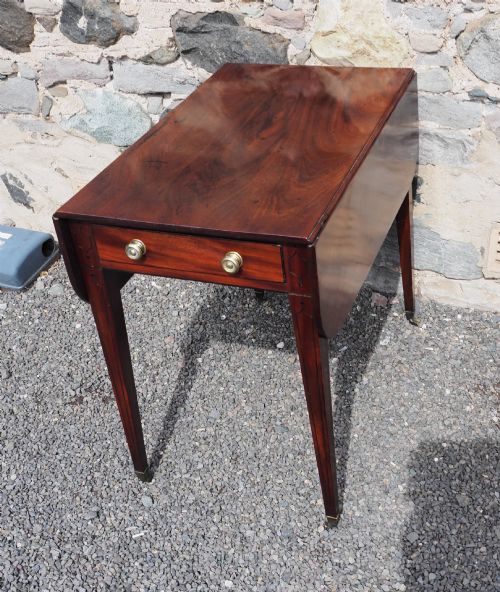
The most common iterations on this page are nineteenth-century mahogany Pembroke tables and early twentieth-century oak gateleg side tables. Makers across various periods engineered these folding surfaces to tuck neatly against walls or beside seating until drop flaps or swing legs supported an expanded tabletop.
Materials and construction methods
Cabinetmakers utilised solid timbers and selected veneers such as mahogany, oak, walnut, pine, and rosewood, often pairing them with brass hinges, casters, or iron fixings. The structural integrity relies on sturdy framing, whether through traditional gateleg swing actions, Pembroke flap brackets, or drop-leaf hinges.
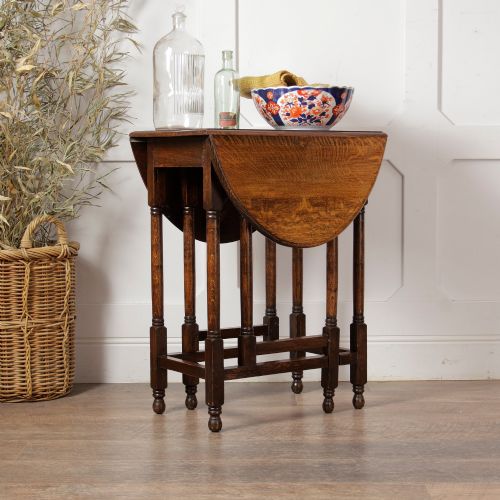
Turning techniques defined many supporting legs, displaying bobbin-turned, barley twist, or tapered profiles depending on whether the piece originates from the seventeenth-century revival or the Edwardian era.
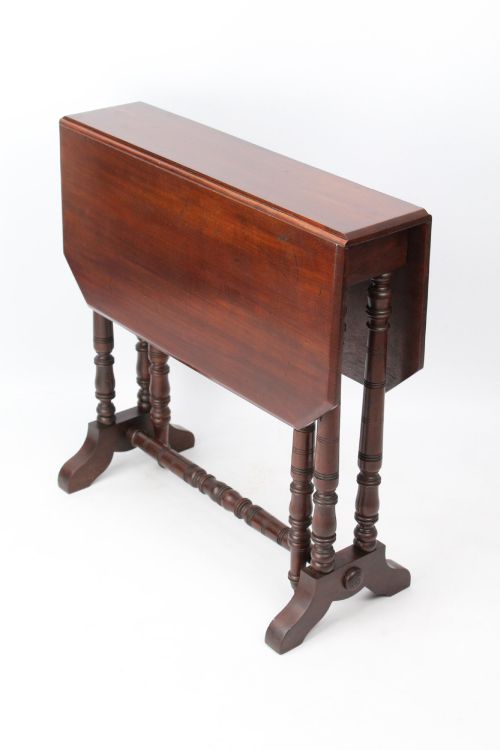
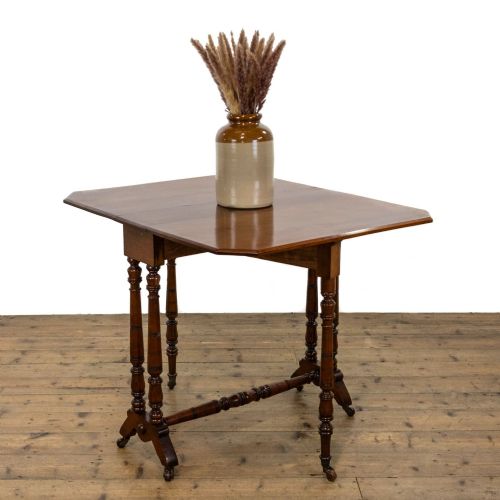
Some miniature Sutherland tables exist simply to test a cabinetmaker's skill, offering full folding mechanics in miniature.
Distinctions in quality and execution
Quality rests in timber selection and the precision of the drop-leaf hinge mechanism, where superior pieces use figured mahogany, burr walnut, or dense quarter-sawn oak with seamless joint alignment. Finer examples display careful proportion in small-scale proportions, well-matched wood grain across folding flaps, and original patination on the polished surfaces.
Lesser items may show heavy timber replacement, loose gateleg pivot joints, or uneven fading between the fixed top and the drop leaves that sit exposed when folded.
The Vintage Leaf Side Table Glossary
- Drop-leaf table
- A table with hinged flaps on one or both sides that fold down to save space or lift up to enlarge the surface area. These leaves rest on pivoting brackets or swing legs.
- Gateleg table
- A table featuring hinged legs that swing outward like a gate to support folding drop leaves. This construction provides robust support beneath extended tabletops.
- Pembroke table
- A small rectangular table featuring two hinged drop leaves on opposing sides and frequently a single drawer. It gained popularity during the eighteenth century for versatile placement near seating.
- Sutherland table
- A narrow drop-leaf table characterised by exceptionally slender leaves and a gateleg mechanism that allows it to fold down into a very thin footprint. These often appear in Victorian and Edwardian interiors.
- Barley twist
- A decorative turning style resembling a twisted rope, carved into wooden table legs during the seventeenth century and revived in later periods. It adds distinct tactile texture to vertical supports.
Vintage Leaf Side Table: Frequently Asked Questions
How do I use a drop leaf table in a small room?
Keep the drop leaves folded down against the wall to maintain open floor space in compact rooms. Raise one or both flaps whenever you require extra surface area for dining, reading, or placing lamps.
Position the table beside a sofa or beneath a window so the folding mechanism operates without obstruction from surrounding furniture.
What is the difference between a gateleg and a Pembroke table?
A gateleg table relies on hinged legs that swing outward from the central frame to physically hold up the large drop leaves. This design creates a sturdy, expanded surface suitable for heavier use.
A Pembroke table typically uses hinged wooden brackets or sliding arms beneath the flaps rather than swinging legs, and often incorporates a small drawer in the frieze.
How do I identify the age of an antique oak table?
Examine the timber grain, construction marks, and leg turning styles to estimate the period of manufacture. Seventeenth-century examples often display heavy oak construction with bobbin-turned or rectangular framing, while twentieth-century revivals utilise lighter machinery cuts and standardised fixings.
Look at the underside of the leaves and drawer joints for hand-cut joinery or peg construction, which point toward earlier crafting traditions.
Can these tables support daily dining use?
Many drop leaf and gateleg designs served as functional dining tables in past centuries and remain structurally sound for everyday meals. Robust oak and mahogany versions withstand regular weight when the leaves are securely supported by their swing legs or brackets.
Check the stability of the hinge joints and the firmness of the leg pivot points before placing heavy items on the extended flaps.