


Vintage Landscape Picture Frame
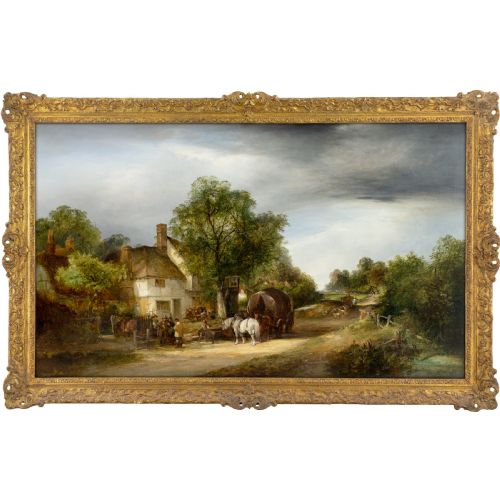
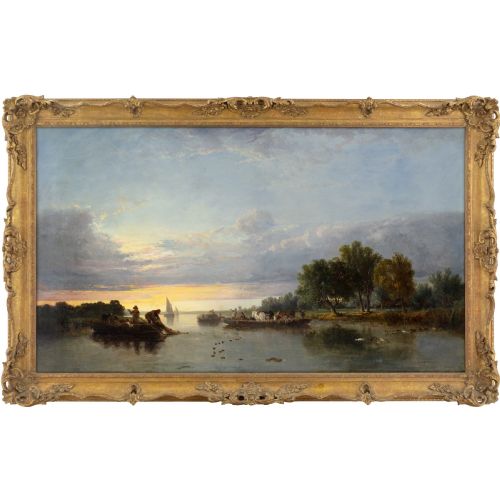
A vintage landscape picture frame brings together period painted scenes and framing craftsmanship, offering a window into traditional countryside and marine subjects.
Vintage Landscape Picture Frame
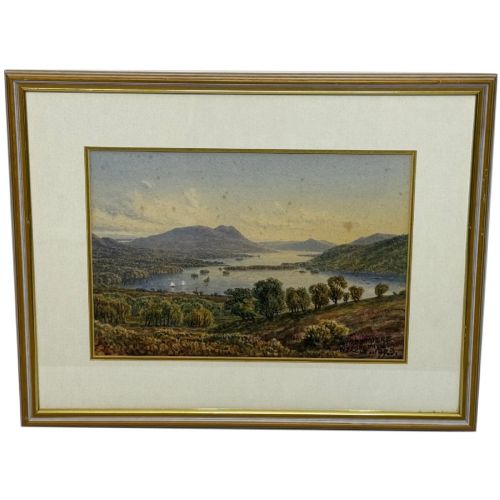
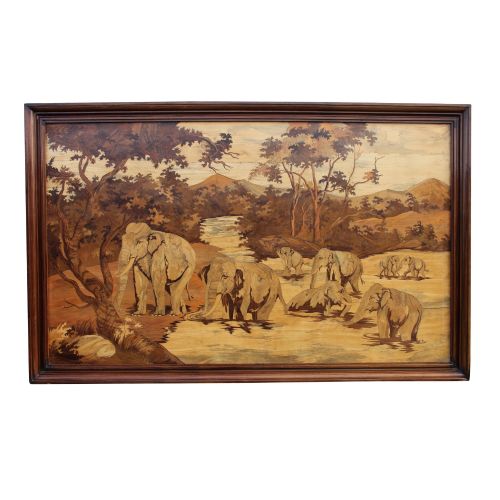
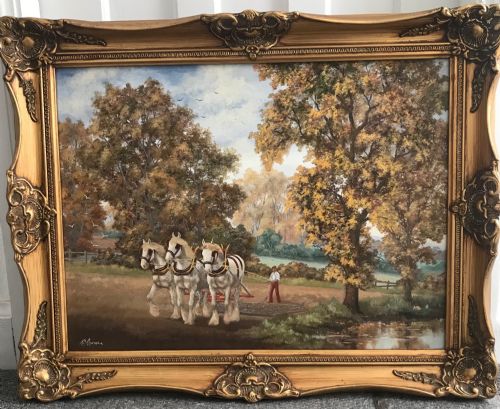
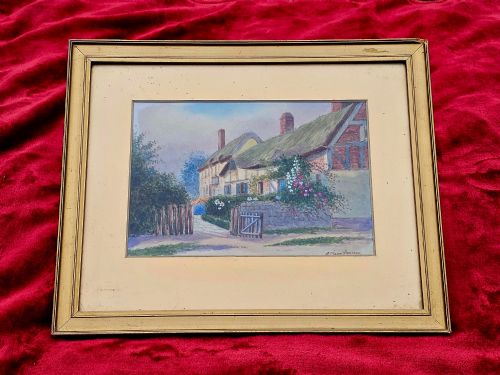
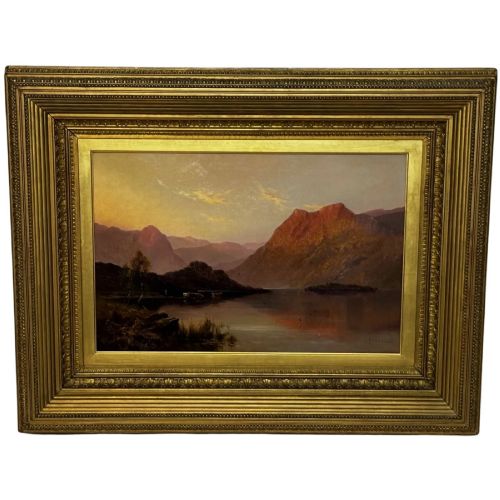
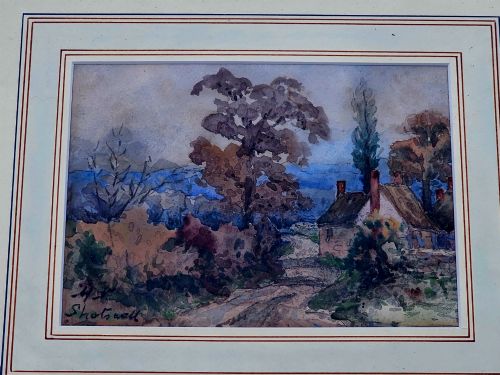
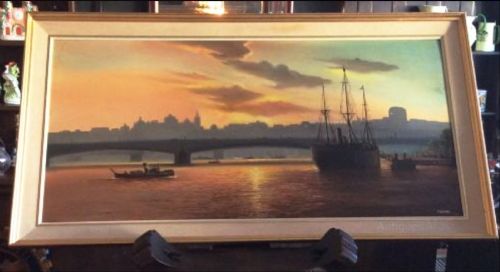
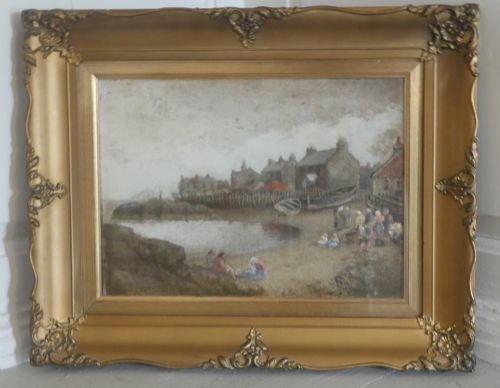
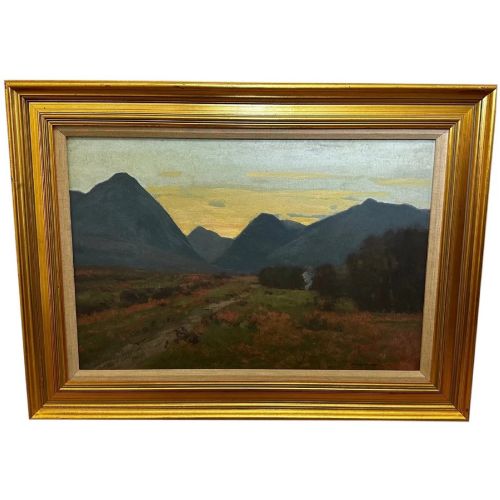
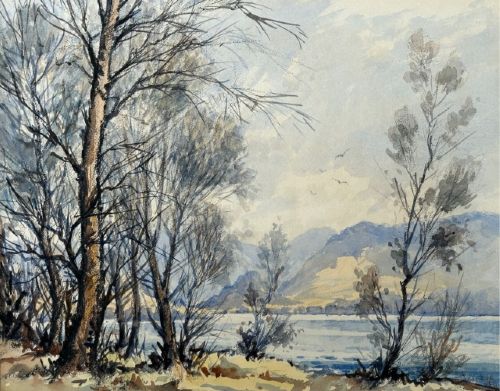
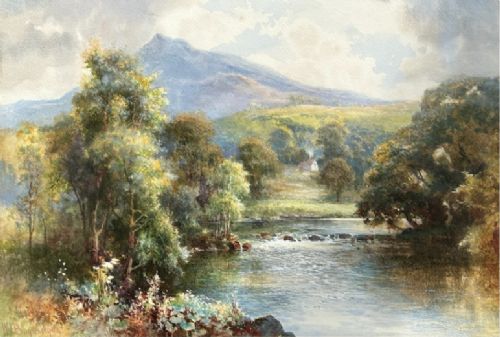
When searching for a vintage landscape picture frame, buyers encounter framed artworks spanning the Victorian era through the mid-twentieth century. The selection encompasses oil paintings, watercolours, pastels, lithographs, and engravings depicting rural scenes, rivers, woodlands, and coastal views.
The objects combine pictorial works with their enclosing surrounds, crossing periods from the nineteenth century into the 1960s. Common formats on this page include oil on canvas, oil on board, and watercolour paintings set within traditional wood and gilt surrounds.
The origins stretch across British and European schools, featuring rural watercolours, impressionist views, and grand tour subjects. These pieces serve as decorative wall art that preserves historical landscape traditions in domestic spaces.
How they were made
Makers utilised wood, paper, glass, and canvas as the primary structural foundations for these works. Canvases and papers received applications of oil paint, watercolour, or pastel, while card and panel served alternate rigid supports.
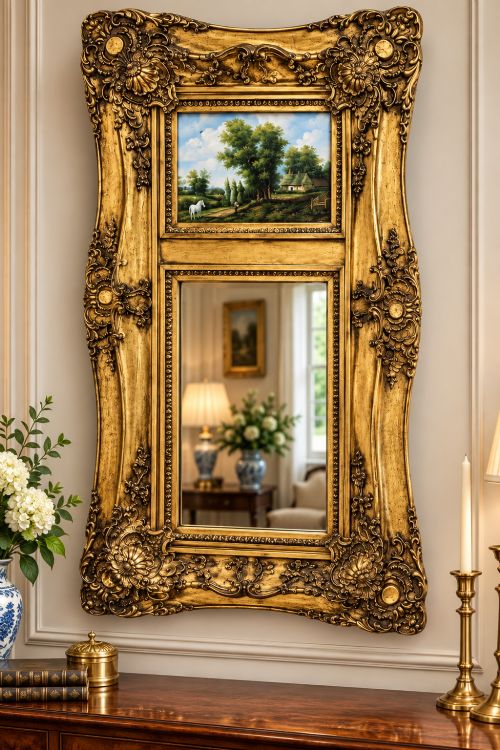
Surrounds were fashioned from wood, frequently finished with gilt detailing to complement the artwork within. Protective glazing was commonly incorporated into watercolour and pastel works to safeguard the delicate pigments on paper.
Materials documented in the inventory include oil on canvas, watercolour, pastel, glass, and gilt wood.
What varies in quality
The skill of the artist and the precision of the brushwork define the upper tier of painted landscapes. Hand-painted oil on canvas and detailed watercolour studies demonstrate greater artistic competency than mass-produced prints or lithographs.
The integrity and ornamentation of the framing contribute significantly to the overall merit of the piece. Gilt wood surrounds exhibiting careful moulding and period finishing elevate the presentation compared to plain or later replacements.
Donald Grant·A Marie Parsons·Alfred Fontville de Breanski Jr·George Houston·Robert Leslie Howey·William Joseph Boyes·David Roberts·Frederick Walker·Thomas Maidment·Frederick James Kerr·Maud Raphael Jones·Henry Yeen King·Percy Lancaster·Herman S Melville·George Stanfield Walters·Charles Edward Wilson
The Vintage Landscape Picture Frame Glossary
- Lithograph
- A planographic printing process using a stone or metal plate to produce multiple graphic impressions. It enabled the reproduction of visual art for domestic display during the nineteenth and twentieth centuries.
- Gilt Wood
- Timber treated with a thin layer of gold leaf or metallic gilding powder. This finish enhanced the decorative appeal of picture frames surrounding fine art paintings.
- Watercolour
- A painting method where water-soluble pigments are suspended in a water-based solution and applied to paper. It was widely utilised by British artists for landscapes and rural scenes.
- Impressionism
- An art movement characterised by relatively small, thin, yet visible brush strokes and an emphasis on accurate depiction of light. Works in this style capture transient visual moments in nature.
- Pastel
- A dry painting medium in the form of a stick, consisting of powdered pigment and a binder. It creates velvety textures on paper supports.
Vintage Landscape Picture Frame: Frequently Asked Questions
What periods do these framed landscapes cover?
The pieces span from the nineteenth century through the Victorian and Edwardian eras, extending into the mid-twentieth century up to 1960.
This broad chronological range incorporates diverse artistic movements such as British Impressionism, Post-Impressionism, and traditional country schools.
Are these artworks painted on canvas or paper?
The physical supports vary depending on the medium and period of the specific piece. Surviving examples utilise oil on canvas, oil on board, paper, and card.
Watercolours and pastels are typically executed on paper supports, whereas oils utilise wooden panels, canvas stretched over frames, or card.
Where were these landscape scenes typically created?
The geographical subjects originate from various British, Welsh, Scottish, and European locations. Featured views record specific regional topography including the Lake District, the Thames, Wales, and international destinations.
Artists frequently painted en plein air or developed studio works from preparatory sketches gathered during travels across these rural and urban environments.
How should I hang a heavy framed oil painting?
Heavy oil paintings set within substantial gilt wood frames require secure wall fixings anchored directly into wall studs or masonry. Using appropriate picture wire and heavy-duty wall hooks ensures the weight is safely distributed.
Position the artwork away from direct sunlight and fluctuating heat sources to protect both the canvas support and the wooden frame.