

Framed Countryside Wall Art
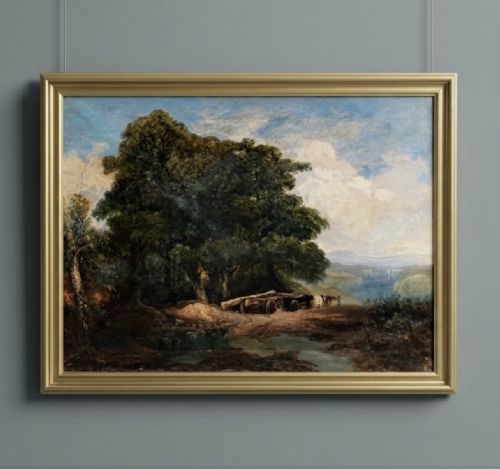
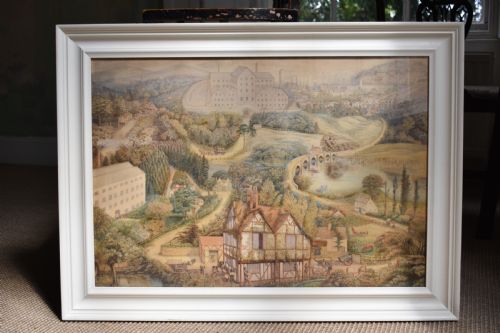
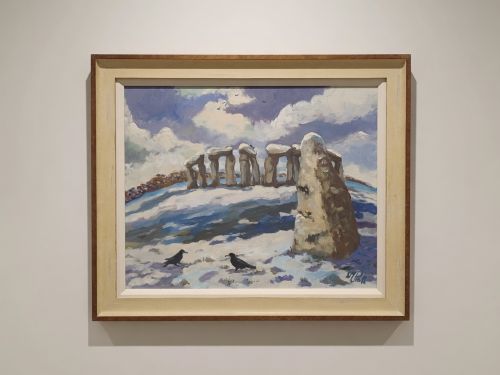
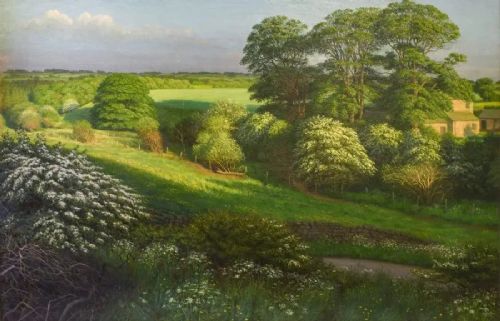
Framed countryside wall art brings historic pastoral scenes into your home through original nineteenth and twentieth-century oils and watercolours.
Framed Countryside Wall Art
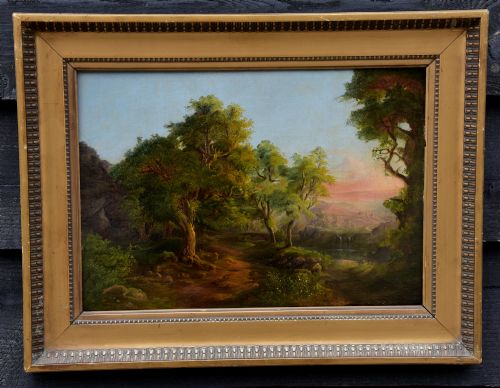
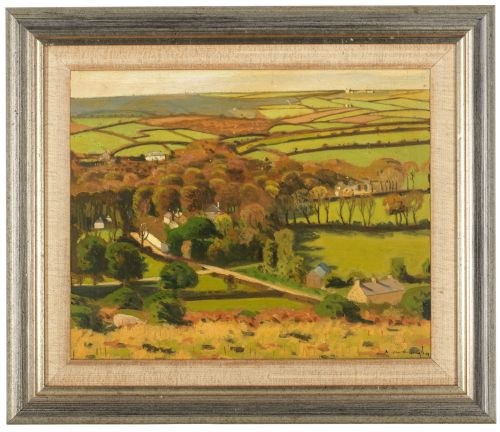
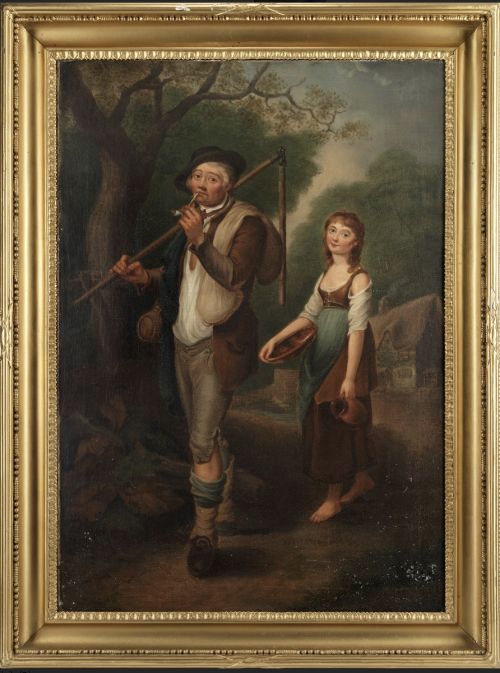
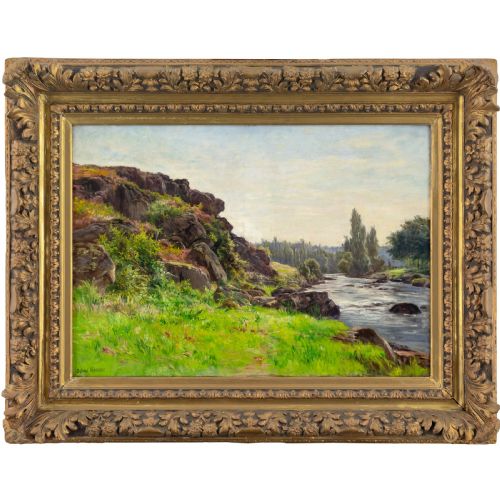
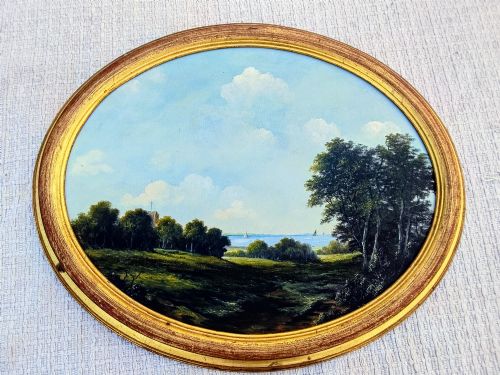
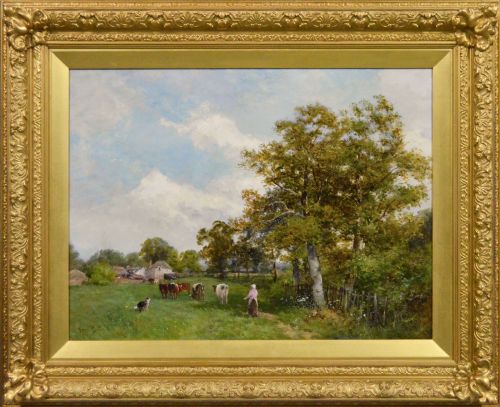
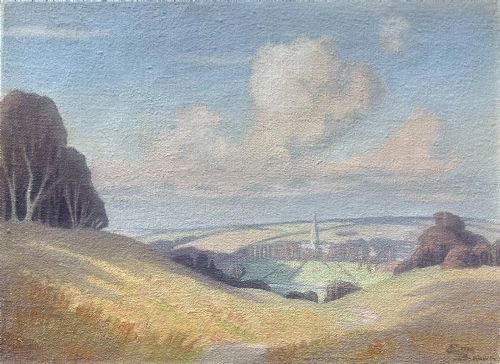
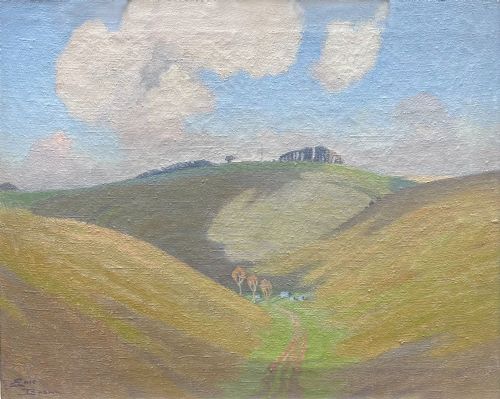
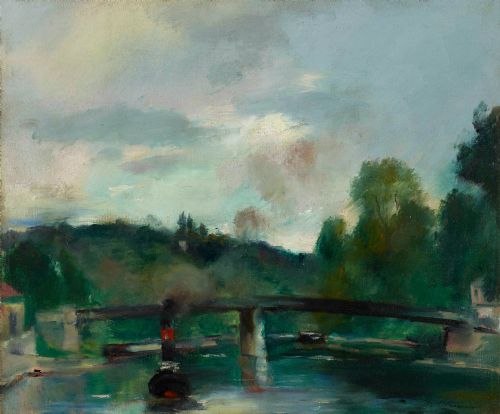
When you search for framed countryside wall art, you encounter historical painted views depicting rural life, rivers, woodlands, and agricultural valleys. The works span from Victorian pastoral studies to mid-twentieth-century British and French impressionism, capturing regional topography from Cornwall to Wales.
The selections available here lean heavily toward original oil paintings on canvas or wood panel, alongside delicate watercolours on paper. Most examples come housed in period wooden frames, often accented with gilt work that complements the traditional subject matter.
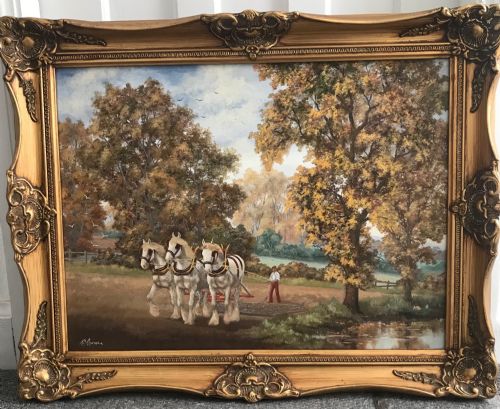
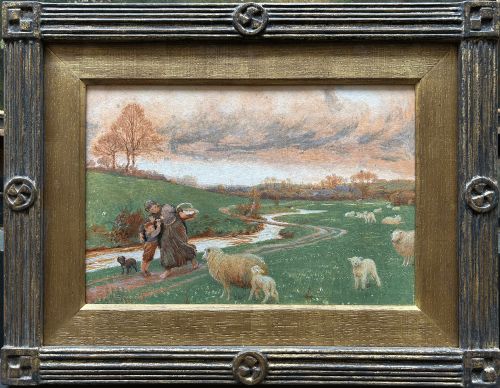
Subjects range widely across the rural spectrum, featuring equine portraits with ploughing horses, shepherds with livestock, quiet riverbanks, and coastal inlets. These pieces reflect the enduring artistic preoccupation with natural British and European landscapes across successive decades.
How they were made
The physical construction relies on traditional artists' supports, predominantly stretched canvas, wood panel, or heavy paper for watercolours. Painters applied oil paint or watercolour pigments, sometimes building up thick impasto textures to capture the play of sunlight and shadow across fields and estuaries.
Surrounding the artwork, the protective surrounds utilise wood and gilt wood mouldings characteristic of their respective periods. These frames were tailored to hold the canvas or board securely while enhancing the visual depth of the pastoral scene within.
Several pieces capture very specific local moments, including sheep sheltering under hedgerows and gypsies camped near the round house.
What varies in quality
Quality in these rural paintings rests upon the artist's handling of light, atmospheric perspective, and natural proportion. Superior works demonstrate a confident mastery of brushwork that brings movement to water, foliage, and livestock, rather than relying on stiff or formulaic composition.
The physical preservation of both the paint surface and the original frame marks another distinct tier in the selection. Stronger examples retain their original pigments without excessive restoration, mounted inside period frames that complement the age and character of the artwork.
Richard Sebastian Bond·William H Myers·Robert Morson Hughes·Thomas Barker of Bath·Gabriel Mathieu·David Bates·Lucy Pratt·Raymond Booth·Frederick Walker·Eric Brown·Henri Ottmann·Ernest Higgins Rigg·John Bond·Vernon DeBeauvoir Ward·Florence Adelina Hess·Hubert Wellington·Owen Bowen·Charles Clair·Alfred George Morgan·Edgar Woollatt·Joseph Edward Hennah·Charles Walter Simpson·Helen Layfield Bradley·Samuel Timmins
The Framed Countryside Wall Art Glossary
- Oil on Canvas
- A traditional painting technique where oil-based pigments are applied to a woven fabric stretched across a wooden frame. This method allows for rich blending of colours and a durable finished surface.
- Watercolour Painting
- A fine art method using water-soluble pigments on paper supports. It creates translucent washes of colour that rely on the white of the paper to impart luminosity.
- Impasto
- A paint application technique where pigment is laid onto the canvas in thick strokes that stand proud of the surface. This adds physical texture and catches ambient light effectively.
- Gilt Wood
- Timber framing treated with a thin layer of gold leaf or metallic gilt finish. It was frequently utilised during the Victorian and Edwardian eras to add formal elegance to landscape displays.
- British School
- A designation applied to artworks created by British artists or within British artistic traditions during a specific historical era. It groups pieces by geographic and stylistic heritage rather than a single master.
Framed Countryside Wall Art: Frequently Asked Questions
How do I hang a heavy oil painting?
Heavy framed oil paintings require secure wall fixings anchored directly into solid masonry or studwork using appropriate wall plugs and steel screws. Steel picture wire rated well above the weight of the piece should be attached firmly to the original D-rings on the frame.
Ensure the height places the centre of the artwork at eye level for optimal viewing. Avoid hanging these pieces in areas subject to direct sunlight or damp conditions to protect the canvas and wooden frame.
How do I identify the period of a frame?
Frame construction techniques, moulding profiles, and corner mitres offer clear clues to a piece's age. Victorian frames often feature heavy plaster ornamentation over wooden cores, whereas later twentieth-century examples tend toward simpler, cleaner wooden profiles.
Examining the backboards, fixings, and nails also helps determine whether the frame is original to the artwork. Old shrinkage cracks in the gesso or mellowed gilding typically point to genuine nineteenth-century manufacture.
What is British Impressionism?
British Impressionism refers to painting styles developed by artists working in Britain who adopted the loose brushwork and preoccupation with natural light championed by French impressionists. These painters often worked outdoors, capturing fleeting weather effects and rural scenery.
Works from this movement display vibrant colour palettes and expressive application of paint. They represent a distinct shift away from rigid academic studio painting towards direct observation of the British countryside.