


Mid Century Framed Art
Mid century framed art brings character to a room through original paintings, watercolours, and vintage prints set behind glass and wood.
Mid Century Framed Art
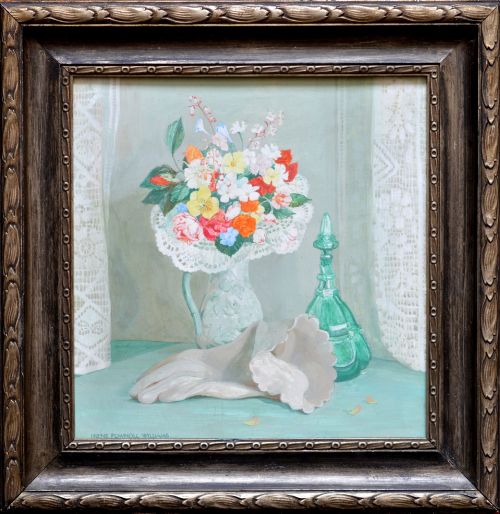
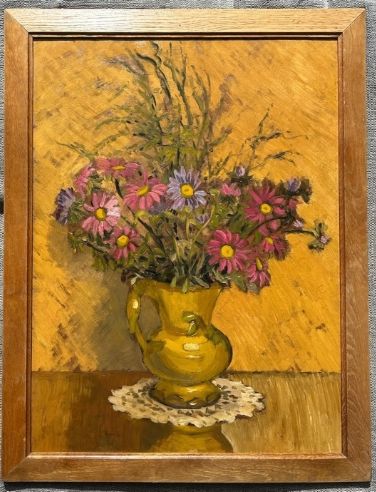
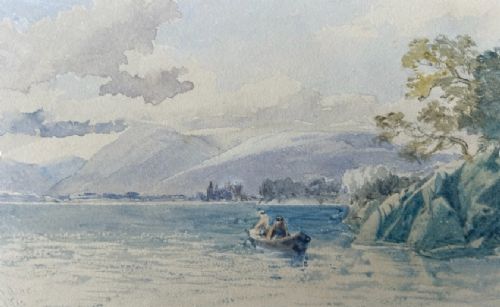
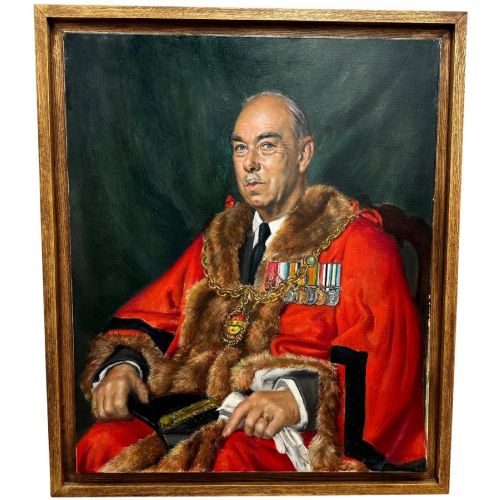
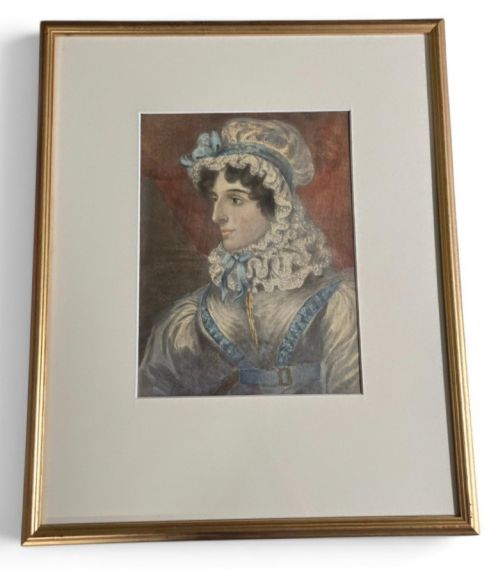
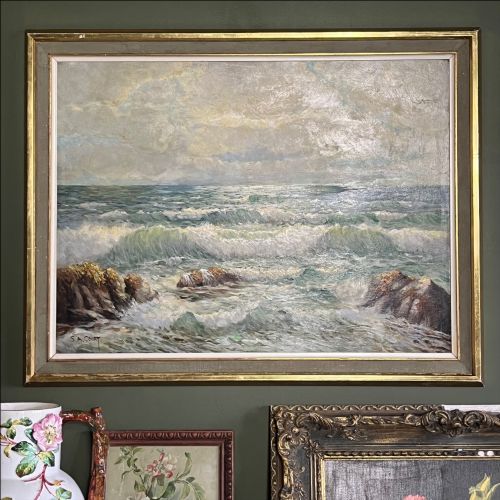
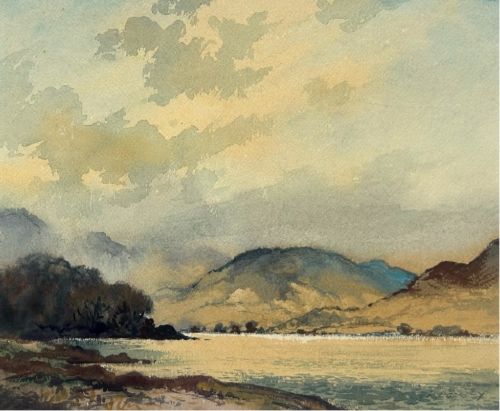
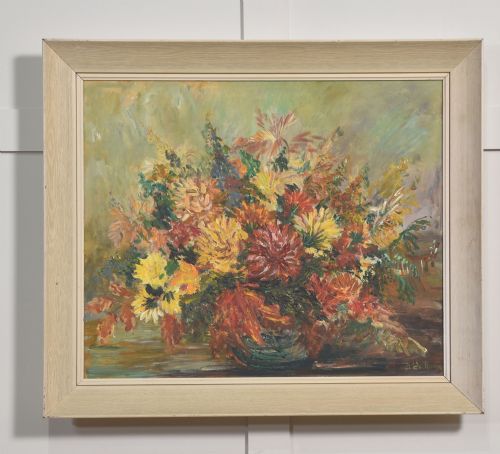
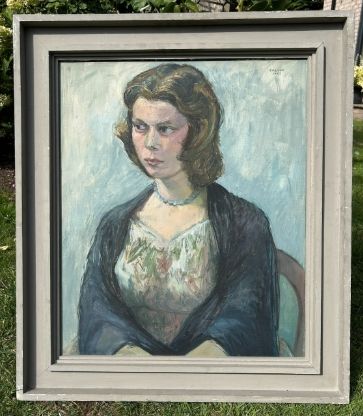
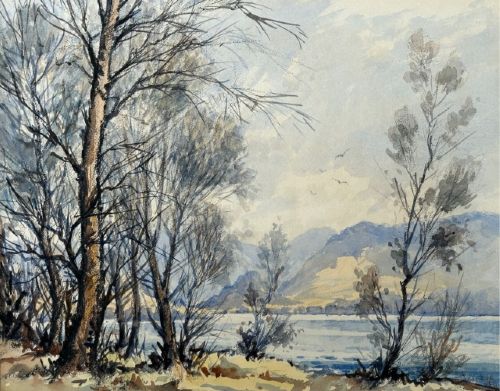
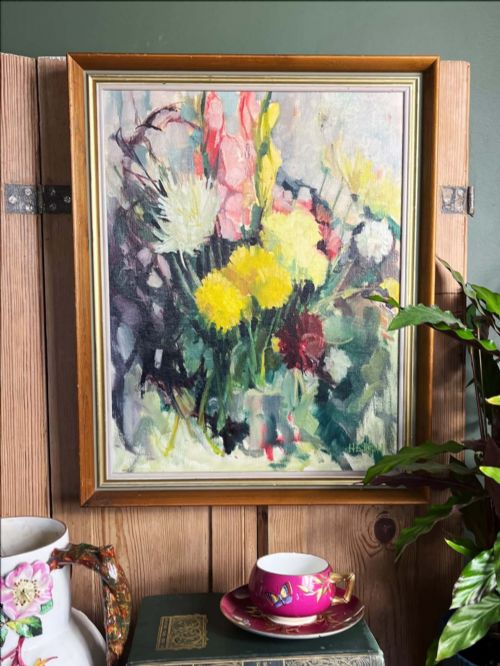
Mid century framed art comprises original paintings, watercolours, drawings, and vintage lithographs created across the 1930s, 1940s, 1950s, and 1960s. These pieces encompass genres such as portraits, floral still lifes, coastal landscapes, and modern British scenes.
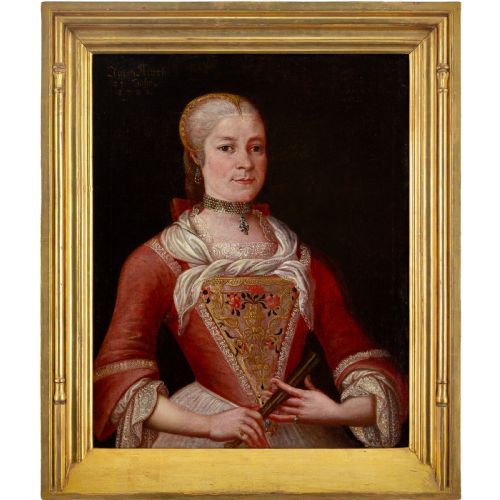
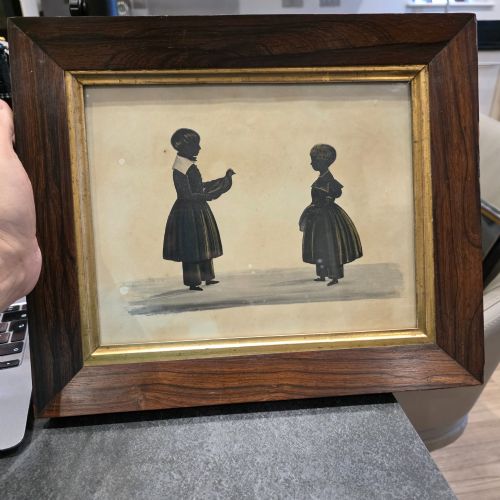
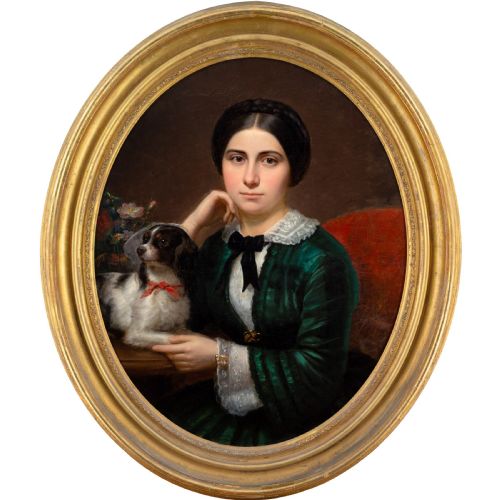
While the selection extends from nineteenth-century silhouettes to seventeenth-century portraits, the core of mid century framed art centres on mid-century modern, expressionist, and naive works housed in period wooden or gilt frames.
Materials and construction
Artists painted on canvas, board, and paper using oil paint, watercolours, ink, and gouache, occasionally employing batik textiles or lithography. Support materials range from stretched canvas to wood panels and heavy paper.
Frames utilise wood, gilt, and gold leaf, often enclosing glass to protect watercolours, drawings, and prints. Some mid-century panels and canvases are paired with swept gilt surrounds or simple wooden mouldings.
Several portraits quietly star domestic animals alongside their human sitters, including a loyal dog and a perched bird.
Markers of quality
Quality rests on the handling of the medium, whether it is the confident brushwork in an oil painting or the delicate precision of a watercolour landscape. Strong composition and distinct authorship distinguish standard decorative works from accomplished artistic output.
The relationship between the artwork and its frame affects overall integrity, as period-appropriate or original swept gilt surrounds enhance the visual impact of mid-century canvases and prints.
Kenneth Cozens·Bernard Hailstone·Donald Grant·Robert Leslie Howey·Antonio DeVity
The Mid Century Framed Art Glossary
- Lithograph
- A print made by drawing an image on limestone or a metal plate with a greasy substance before ink is applied to the surface. This technique produces rich tones and was widely used for mid-century prints.
- Gouache
- An opaque water-based paint that dries to a matte finish, frequently utilised for illustrations and watercolours on paper. It offers heavier coverage than traditional watercolour.
- En plein air
- A French term describing paintings executed outdoors to capture natural light and atmospheric conditions directly. Coastal landscapes and garden scenes often use this method.
- Swept frame
- An ornate wooden frame moulded with sweeping curves and decorative plasterwork, frequently finished in gilt or gold leaf. These frames add substantial weight and presence to mid-century portraits.
- Board
- A rigid flat support material, such as wood or compressed fibreboard, used by artists in place of stretched canvas for oil and acrylic paintings.
Mid Century Framed Art: Frequently Asked Questions
How do I date a framed mid-century piece?
Dating relies on stylistic markers, framing materials, and artist signatures recorded on the work. Mid-century pieces often reflect modernist trends, expressionism, or post-war British landscape traditions.
Backboards, framing techniques, and label remnants provide further clues to the decade of production, distinguishing 1950s and 1960s items from older nineteenth-century works.
Are watercolours and drawings framed with glass?
Works on paper, including watercolours, ink drawings, and lithographs, require glass protection to prevent moisture and dust damage. This glazing keeps fragile pigments stable over decades.
Oil paintings on canvas or board are typically displayed unglazed to let the texture of the paint remain visible.
How should I hang framed art securely?
Securing framed art requires matching the weight of the frame, especially heavy gilt or wood pieces, to appropriate wall fixings and sturdy picture wire. Balanced placement at eye level ensures proper visual weight in a room.
Avoid positioning works in direct sunlight or damp areas to protect paper, canvas, and wooden frames from deterioration.