



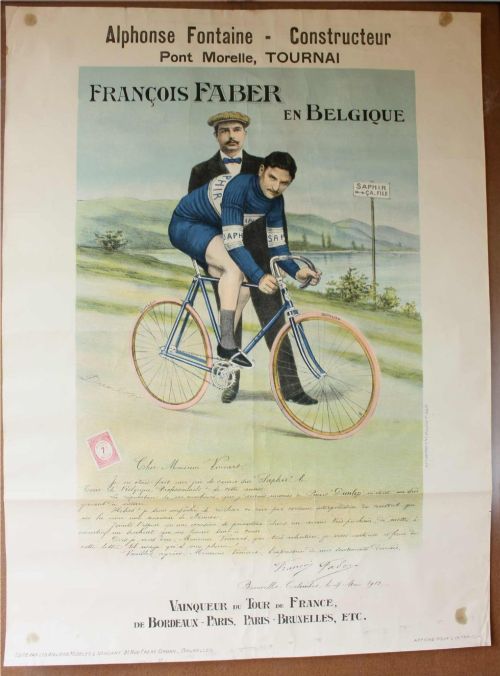
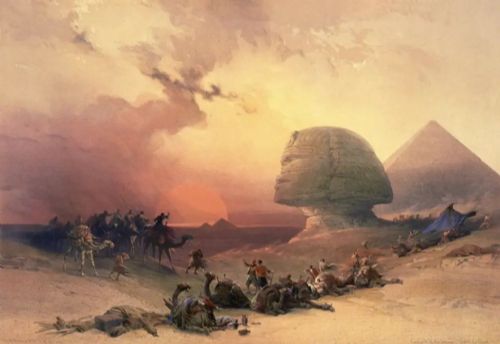
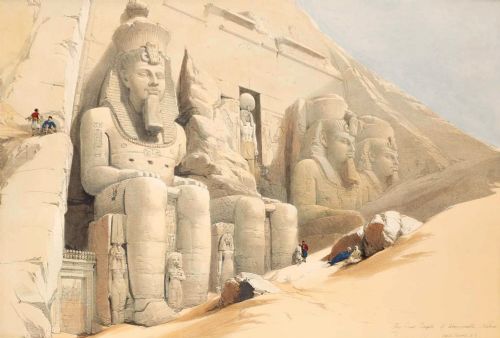
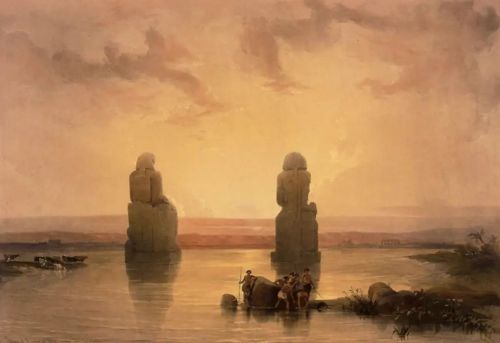
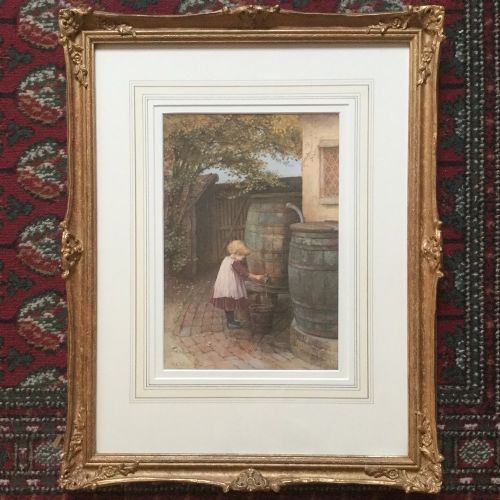
Vintage Landscape Art Print
A vintage landscape art print brings rural expanses and architectural vistas onto the wall through period lithography, watercolour and oil.
Vintage Landscape Art Print
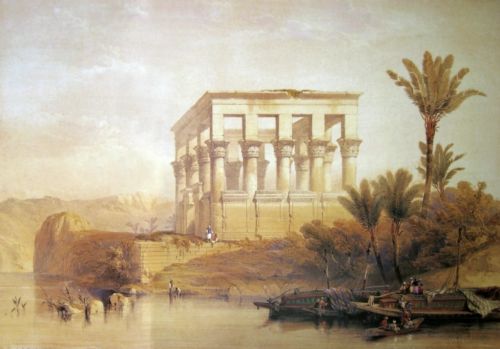
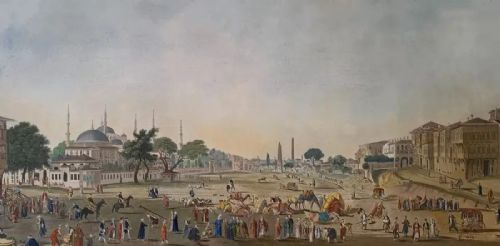
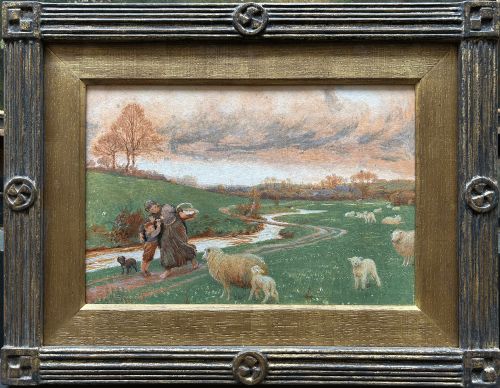
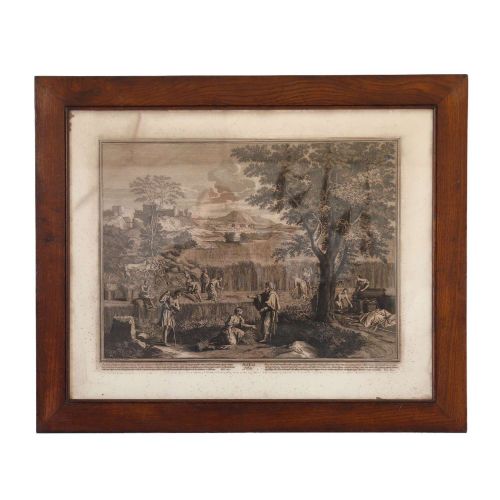
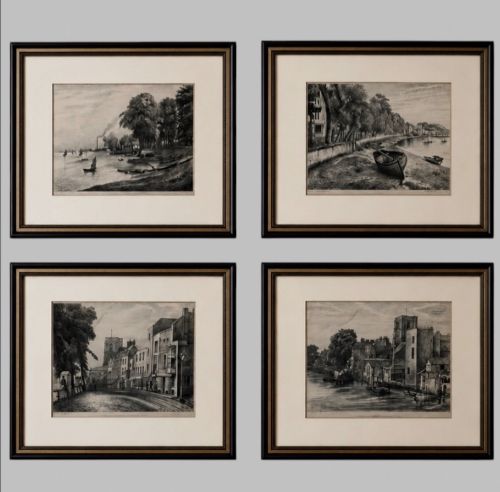
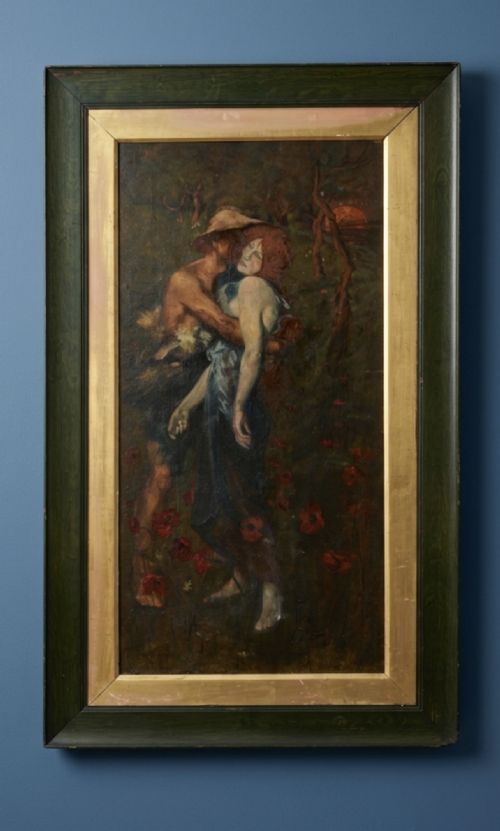
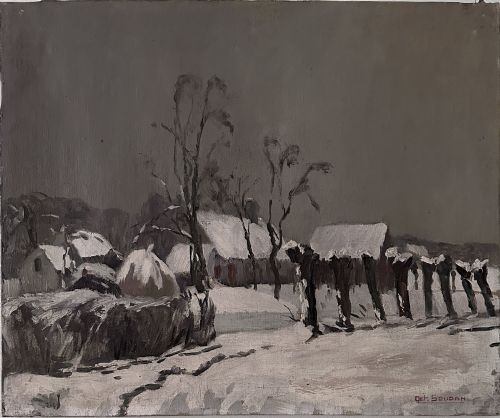
When you search for a vintage landscape art print, you encounter a varied selection of works spanning the Victorian era through the mid-twentieth century. The selection encompasses framed watercolours, original oil paintings, and period lithographs depicting countryside scenes, river views, and architectural subjects.
Most examples originate from British and European traditions, incorporating styles ranging from nineteenth-century realism to early twentieth-century impressionism. Buyers frequently find framed prints and mixed media pieces that capture topographical views or pastoral settings from past decades.
How they were made
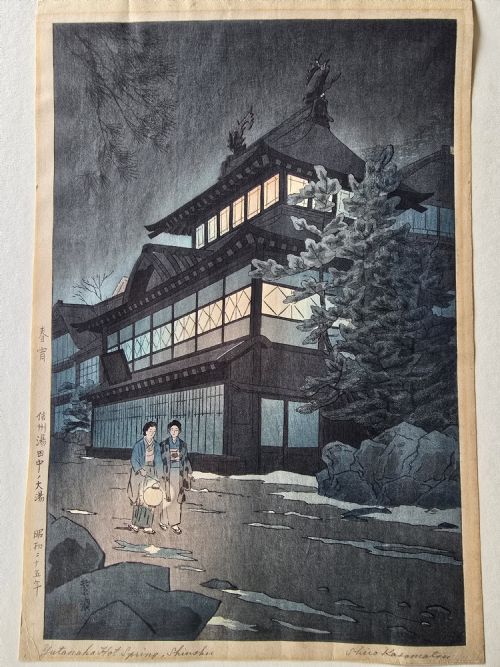
Makers utilised traditional supports such as paper and canvas, applying ink, watercolour, or oil paint to build the imagery. Many works incorporate printmaking techniques including lithography, woodblock printing, and aquatint.
Framing materials commonly feature wood and gilt wood, often complemented by protective glass and occasionally highlighted with gold leaf details.
Hot air balloons float silently past nineteenth-century ruins in this eclectic mix of distant horizons.
What varies in quality
The distinction between standard and superior pieces rests on the dexterity of the brushwork or the crispness of the impression in printed editions. Skilled handling of light and depth separates a masterwork from a routine decorative study.
The preservation of the medium, whether paper stability or canvas tension, influences the overall integrity of the piece. Contemporary framing and original mounts also contribute to the lasting character of the artwork.
Donald Grant·Alfred Young Nutt·John E Aitken·David Roberts·Anton Ignaz Melling·Frederick Walker·William Day·Shiro Katamatsu·Charles Edward Wilson·George F Pennington·Margaret Maitland Howard·Gabriel Dauchot·James William Booth·T.A Prior·Kunisada·Hendricus Joseph Dillens·T.M Baynes·Joseph Constantime Stadler·Edith E Caswall·John Atkinson·B. Kaufmann·William Russell Flint
The Vintage Landscape Art Print Glossary
- Lithography
- A planographic printing process utilising a stone or metal plate to reproduce an original image. This technique was widely used for producing affordable art prints in the nineteenth and twentieth centuries.
- Aquatint
- A variant of etching that produces tonal areas resembling watercolour washes. It was frequently employed in Georgian and Victorian printmaking for topographical scenes.
- Woodblock print
- A relief printing method where an image is carved into a block of wood, inked, and transferred to paper. Japanese examples often use water-based pigments.
- Collotype
- A photomechanical printing process that produces continuous tone images without a dot screen. This method was utilised for fine art reproductions in the early twentieth century.
- Etching
- A printmaking process where lines are incised into a metal plate using acid before being inked and printed. Hand-coloured etchings feature pigments applied directly to the printed sheet.
Vintage Landscape Art Print: Frequently Asked Questions
How do I identify a lithograph?
Examine the surface under magnification to check for a uniform dot pattern or flat areas of ink characteristic of planographic printing.
Compare the impression quality against known period examples to confirm its production era.
What subjects appear in these prints?
The works depict countryside scenery, river valleys, coastal havens, and architectural landmarks from Britain and abroad.
Rural vistas and historic townscapes form the predominant visual themes across the collection.
Are these works original art?
The inventory includes both unique painted works in oil or watercolour and printed editions produced via lithography or woodblock.
Each listing specifies whether the piece is a hand-painted canvas or a published print.
How should I frame these pieces?
Select framing materials that complement the age of the work, utilising wood or gilt surrounds where appropriate.
Ensure proper clearance beneath glass to protect fragile watercolours and paper prints from moisture.