




Sepia Charcoal Sketch
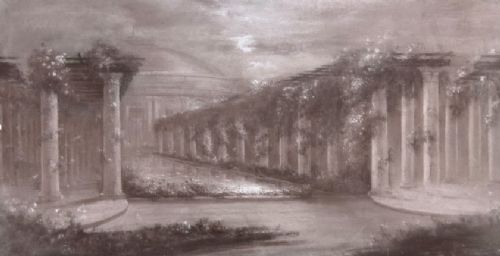
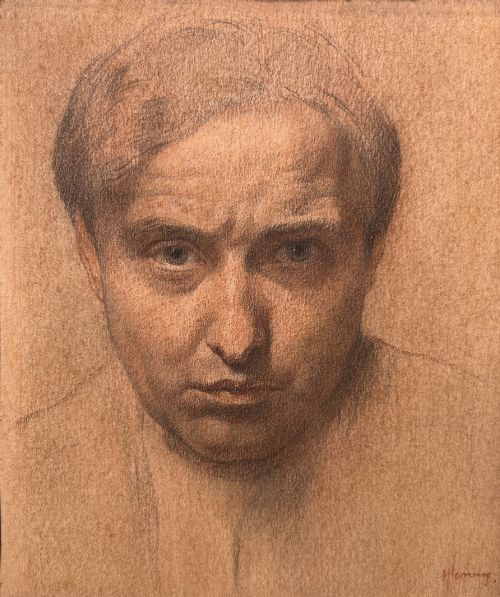
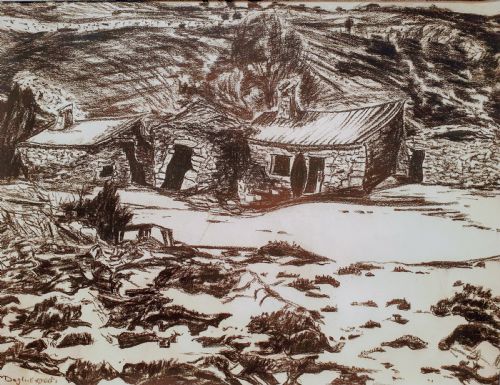
These sepia charcoal sketch works bring tonal depth and historic character to a room.
Sepia Charcoal Sketch
When you search for a sepia charcoal sketch, you are looking at original works on paper and canvas stretchers that span from the early nineteenth century through to the mid-twentieth century. The selection includes academic life studies, landscape scenes, and detailed portrait drawings created by various schools.
You are most likely to meet nineteenth-century academic works and early twentieth-century tonalist pieces on this page. These range from French orientalist drawings to British portraiture and Italian antique figure studies.
Materials and technique
Artists utilise charcoal, chalk, and graphite applied to paper, toned paper, and canvas stretchers to build form and shadow. Many works employ heightened techniques to create contrast within the sepia palette.
The physical support often includes wood framing and glass protection to preserve the delicate medium. These traditional drawing methods rely on tonal layering rather than dense colour.
A French farm scene captures a windy day in Provence where olive trees lean away from the Mistral.
Judging quality
The distinction between ordinary and exceptional works rests on the sureness of the draftsmanship and the preservation of the medium. Strong academic proportion and confident line work elevate a piece above a routine study.
Condition of the paper surface and the integrity of the framing also influence the overall standard. Works that retain their original tonal depth without excessive fading command greater attention.
Herbert Johnson Harvey·Theobald Chartran·George Richmond
The Sepia Charcoal Sketch Glossary
- Charcoal
- A dry drawing medium made from organic charred material that produces rich dark marks. It allows for rapid sketching and broad tonal blending.
- Graphite
- A form of carbon used as a drawing tool for fine lines and precise detail. It often complements charcoal in mixed media portraiture.
- Academic Realism
- A style of painting and drawing produced under the influence of European academies. It emphasises accurate anatomy and classical proportions.
- Tonalism
- An artistic style that prioritises atmospheric moods and shadow over sharp outlines. These works use a restricted palette dominated by dark tones.
- Orientalism
- Nineteenth-century art depicting scenes from the Middle East and North Africa. European artists captured these subjects through academic drawing and painting.
Sepia Charcoal Sketch: Frequently Asked Questions
How do I hang a charcoal drawing?
Keep drawings away from direct sunlight to prevent the paper from fading and the charcoal from degrading over time. Frame them behind glass with adequate spacing between the surface and the glazing.
Ensure the hanging wall remains stable and free from excessive moisture fluctuations. Proper framing protects the delicate medium from atmospheric damage.
What is academic realism?
Academic realism refers to works created under the strict standards of nineteenth-century art academies. These pieces focus on precise life studies, anatomical accuracy, and classical composition.
Artists trained through rigorous sketching programmes before producing finished portraits or figure studies. This background creates the disciplined line work seen in many period drawings.
How old are these drawings?
The works listed span from the early nineteenth century to the mid-twentieth century. Dates are attributed based on signatures, dated inscriptions, and stylistic evidence from specific periods.
Nineteenth-century examples often reflect academic traditions, while mid-century pieces show broader modernist influences. Each period utilises distinct papers and mounting techniques.
Why use toned paper?
Toned paper provides a middle-value background that allows artists to work up highlights and shadows simultaneously. This technique speeds up the sketching process and adds atmospheric depth.
Instead of starting on stark white, the artist builds form using dark charcoal and light chalk. This method creates the harmonious tonal balance typical of antique sketches.