


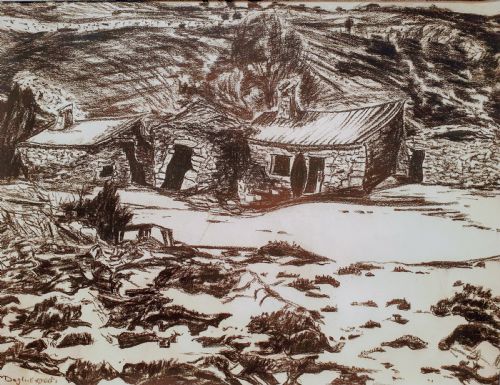


Brown Charcoal Drawing
A brown charcoal drawing brings monochrome atmosphere and deft handwork directly to your walls, spanning quiet 19th-century portraits and mid-century scenes.
Brown Charcoal Drawing
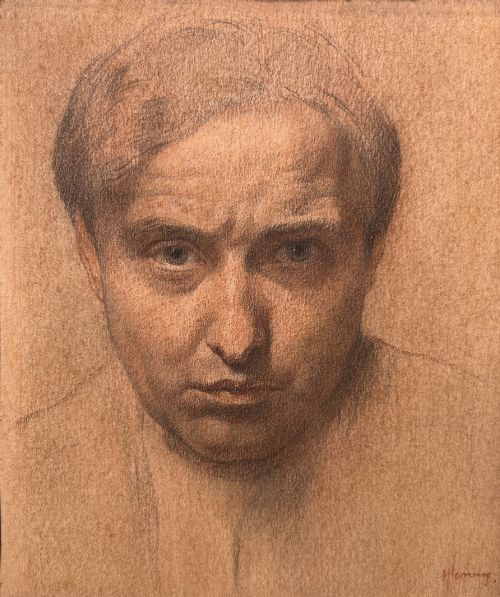
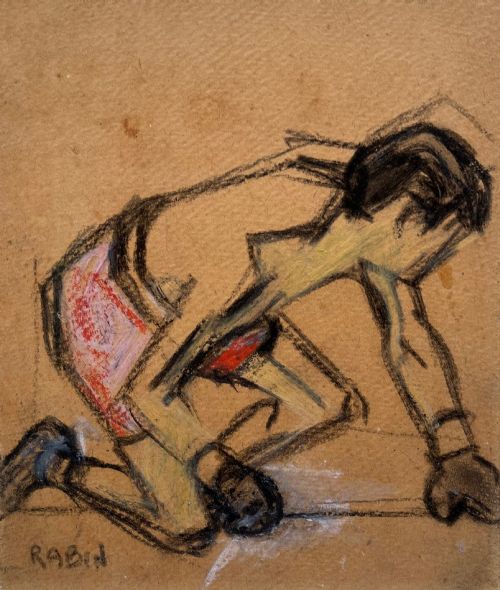
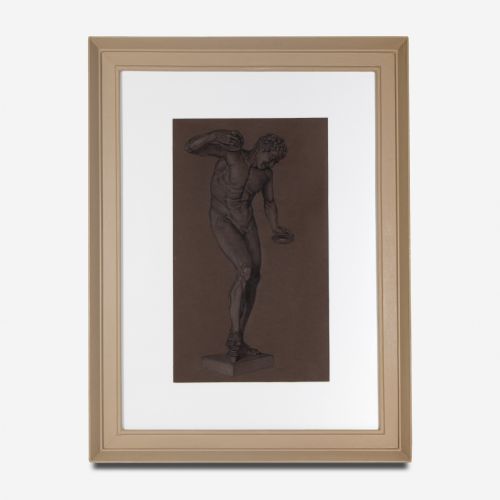
A brown charcoal drawing captures subjects ranging from classical figures and Scottish landscapes to prominent historical sitters in monochrome tones. You will most frequently encounter portrait studies and figure works executed on paper, chalk, or toned grounds across this selection.
The pieces encompass various historical phases, from Neoclassical and Victorian academic examples through to 1930s realism and mid-century modern British works. Each piece preserves the immediate touch of the artist's hand, whether rendered as a quick preparatory study or a finished exhibition portrait.
What separates the best from the rest
Quality rests upon the sureness of the draughtsmanship and the ability of the artist to capture volume, expression, and light with minimal hesitation. A superior sheet displays confident control of line and shadow, where every smudge and stroke contributes to the form.
The distinction also lies in the preservation of the delicate medium and the subtlety of the tonal gradations across the surface, ensuring the composition retains its original graphic impact.
Even a windy day in Provence can be captured forever when a draughtsman seizes a large sheet of paper.
Herbert Johnson Harvey·Samuel Rabin·John Macallan Swan·Theobald Chartran·George Richmond·Juliet Pannett
The Brown Charcoal Drawing Glossary
- Toned paper
- Paper manufactured or stained with a neutral or warm tint rather than stark white. This allows the artist to build up highlights with white chalk and deepen shadows directly against a mid-tone ground.
- Neoclassical
- An artistic style drawing on the inspiration of the classical art and culture of ancient Greece or Rome. Works in this vein often focus on mythological subjects, statuesque figures, and rigorous composition.
- Monochrome
- Executed in a single colour or shades of a single colour such as black, brown, or sepia. Charcoal drawings rely almost entirely on this tonal limitation to define form and mood.
- Academic
- Art produced under the influence of a European academy of art, adhering to strict traditional standards of proportion, anatomy, and finish. These drawings frequently serve as rigorous studies of the human figure.
Brown Charcoal Drawing: Frequently Asked Questions
How should I frame a charcoal drawing?
Charcoal is a friable medium that requires framing behind glass with a mat or spacer to prevent the surface from touching the glazing. This protects the delicate pigment from humidity and accidental contact.
Traditional wooden frames complement the historic nature of these works while keeping the drawing stable and secure for domestic display.
Are these drawings original works?
The selections shown are original handmade artworks drawn directly by the artist rather than mass-produced prints or mechanical reproductions. Each piece contains unique marks, smudges, and corrections made during the creative process.
Signatures, dates, and inscriptions often accompany the primary image, providing direct evidence of the artist's hand.
How do I care for antique paper art?
Keep works on paper away from direct sunlight and areas prone to high humidity to prevent fading of the charcoal and degradation of the paper support. Stable indoor environments preserve the integrity of both the paper and the framing materials.
Routine inspection of the backing board and seals ensures dust and insects remain outside the glazed frame.
What subjects appear in these drawings?
Portraits form a significant portion of the selection, depicting writers, politicians, and self-portraits alongside anonymous sitters. Landscapes and figure studies after classical sculptures also feature among the recorded pieces.
These varied subjects reflect the traditional training methods and observational habits of artists from the nineteenth century onward.