




Charcoal on Paper Artwork
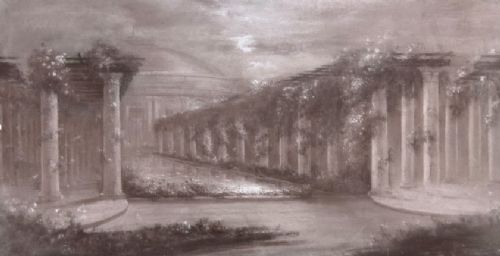
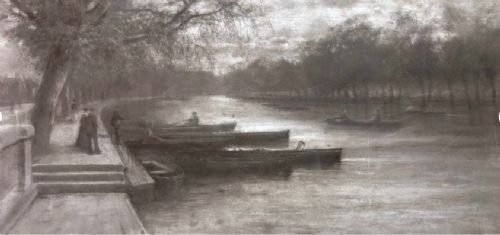
Charcoal on paper artwork captures expressive monochrome marks on delicate sheets, offering buyers direct insight into historical drafting techniques.
Charcoal on Paper Artwork
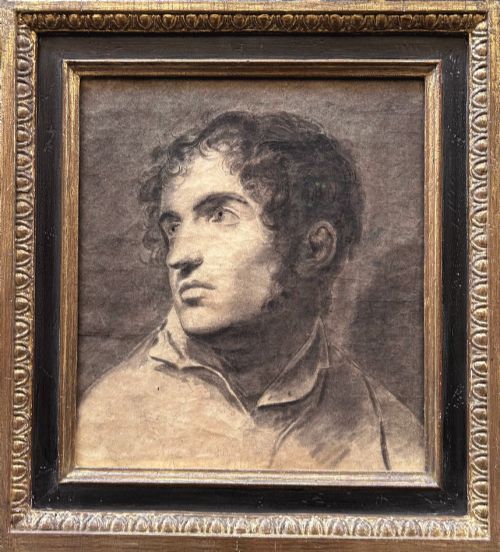
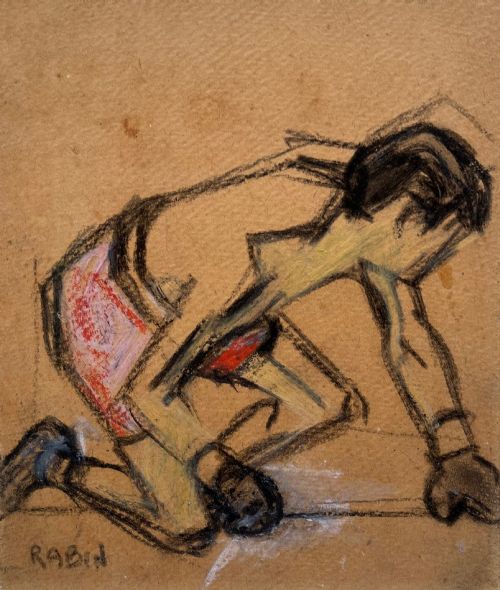
Buyers examining charcoal on paper artwork encounter a diverse range of historical creations spanning from the eighteenth century through the mid twentieth century. These pieces record intimate creative impulses, ranging from rapid compositional sketches to highly finished academic life studies.
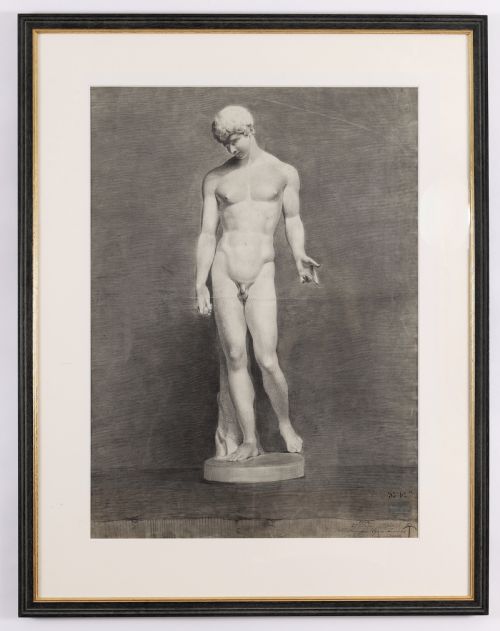
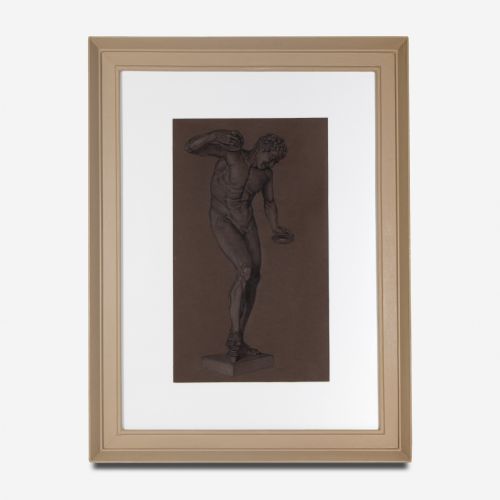
Figurative studies and classical copies dominate the selection, highlighting how past artists mastered human anatomy and light. These surviving drawings provide tangible links to historical art education and studio practices.
How these drawings were produced
Makers utilised compressed or vine charcoal applied directly to various paper supports, occasionally combining the medium with chalk, graphite, or pastel to enhance tonal depth. Certain pieces involve toned paper or sheets attached to canvas stretchers to provide structural stability for larger compositions.
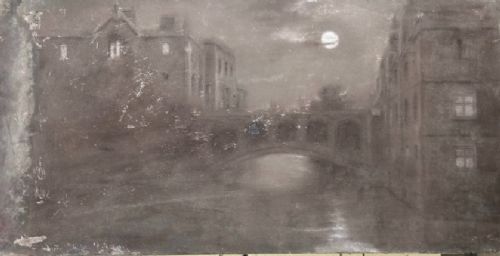
Draftsmen employed varied pressure and blending techniques to achieve subtle shifts in shadow and light, capturing atmospheric effects particularly associated with turn of the century tonalism and academic realism. Framed presentations behind glass frequently preserve these fragile, smudge prone surfaces from environmental degradation.
Several drawings capture fleeting moments of everyday repose, preserving the quiet daydreams of strangers from bygone centuries.
Distinctions in quality and execution
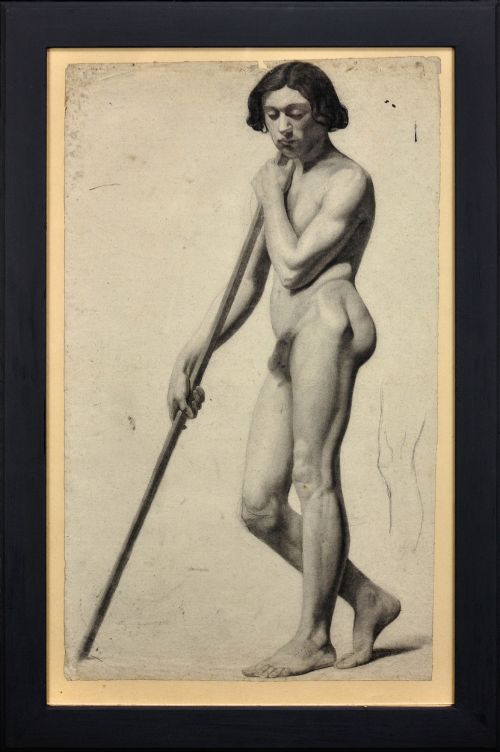
Superior examples demonstrate confident handling of line and anatomical precision, particularly evident in academic life studies of the human form where proportion and musculature are rendered with absolute authority. Lesser works may exhibit hesitant strokes or formulaic composition typical of routine student exercises.
The degree of atmospheric depth and preservation of the delicate medium further separate master drawings from casual sketches. Works retaining original frames and documented provenance offer greater historical integrity.
Samuel Rabin·Henry Arthur Roberts·Demetrios Galanis·Arthur Todd·Winifred Eugene Ballard·John Hoppner·Frank Dobson·Theobald Chartran·Sonia Lawson·John Seymour Lucas
The Charcoal on Paper Artwork Glossary
- Academic Realism
- A style of painting and drawing produced under the influence of European academies of art, emphasising precise anatomical accuracy and classical subjects. These works strictly adhere to traditional rules of composition.
- Toned Paper
- Paper that possesses a naturally warm or grey colour rather than a stark white finish, allowing artists to build up highlights with white chalk rapidly. This surface reduces glare and provides an immediate mid tone base.
- Life Study
- A drawing executed directly from a live nude or clothed model to train the artist in accurate observation. Such exercises formed the backbone of traditional art education.
- Deux Crayon
- A drawing technique utilising two distinct coloured chalks or pencils, usually black and red or white, on tinted paper. This method creates realistic skin tones and dimensional form.
- Provenance
- The documented history of ownership of an artwork, tracing its path from the creator's studio to the current marketplace. Clear records validate authenticity.
Charcoal on Paper Artwork: Frequently Asked Questions
What is academic realism?
This nineteenth century artistic approach prioritises strict adherence to classical forms, precise proportions, and detailed anatomical studies. Artists trained extensively in this method before executing finished gallery pieces.
Works of this type showcase rigorous draughtsmanship and disciplined mastery of light and shadow across the human figure.
How do I identify a life study?
Life studies typically focus intently on a single posed figure, emphasising musculature, posture, and realistic lighting without narrative background distractions. These sheets were produced in studio settings for instructional purposes.
Signatures are sometimes absent because these were working documents rather than finished exhibition pieces intended for sale.
Why are some drawings on toned paper?
Artists selected tinted sheets to provide an immediate middle grey or brown tone, bypassing the need to cover an entire white page with shading. This technique sped up the drawing process.
Highlights added with white chalk pop dramatically against the darker background, creating instant three dimensional depth.