



Tonalist Landscape Art
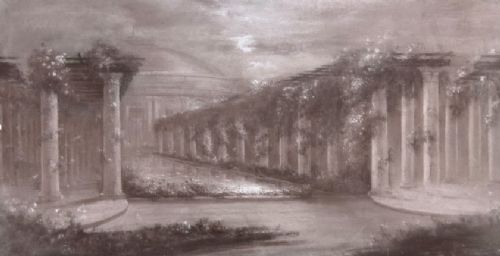
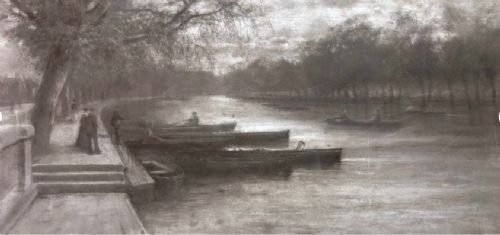
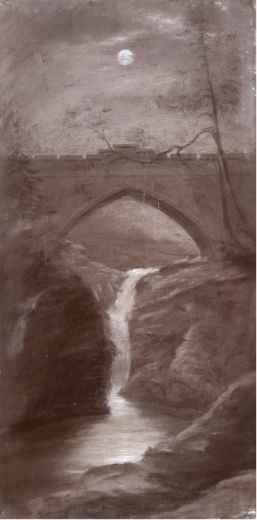
Tonalist landscape art captures quiet moods and subdued light, offering a gentle atmosphere that draws collectors to these atmospheric evening and night scenes.
Tonalist Landscape Art
Tonalist landscape art encompasses paintings and drawings executed in oil, watercolour, and charcoal, focusing on atmospheric effects rather than sharp details. Works span from the Victorian era and the late nineteenth century through to the early decades of the twentieth century, reflecting a distinct mood of quiet observation.
Collectors frequently encounter works produced under the influence of prominent figures such as Grimshaw and Whistler, characterised by muted palettes, dusk settings, and river or coastal subjects. These pieces bridge styles from nineteenth-century landscape traditions to Edwardian fine art and post-impressionism.
The selections available range from intimate charcoal drawings on paper attached to canvas stretchers to larger oil paintings on canvas and panel. Each piece relies on a subdued handling of light to create a sense of stillness and depth.
Materials and methods
Artists relied primarily on oil paint, charcoal, and watercolour applied to canvas, wood panels, or paper supports. The handling of these materials prioritises blended tones and obscured horizons over crisp lines, often building up dark, moody palettes for evening scenes.
Many works utilise canvas stretchers or wood panels as a rigid base for delicate charcoal applications or rich oil layers. The framing often includes gilt elements that complement the warm, subdued hues within the compositions.
Materials across these listings include oil paint, charcoal, watercolour, pastel, wood, canvas, and gilt elements.
Assessing quality and depth
Quality rests upon the subtlety of the tonal transitions and the artist's ability to evoke atmosphere through restricted colour ranges. Stronger examples achieve a luminous sense of twilight or mist without relying on harsh contrasts.
The strength of a piece also depends on the preservation of the delicate charcoal or pastel surfaces on paper, alongside the stability of the oil paint on canvas or panel. Finer works maintain clear stylistic links to the recognised tonalist and nocturne traditions.
William Grant Murray·Augustus William Ennes·W.E.Atkinson·Joseph Vickers de Ville·Matthew Hale·Delâtre
The Tonalist Landscape Art Glossary
- Tonalism
- An artistic style focusing on shadow, atmosphere, and a restricted palette rather than explicit detail. It emerged in the late nineteenth century to evoke emotional responses through subdued light.
- Nocturne
- A painting depicting a night scene or evening scene, often featuring subdued lighting and dark hues. Victorian nocturnes frequently capture rivers, harbours, and twilight landscapes.
- Canvas stretcher
- The wooden frame that holds a canvas taut before and after painting. Older pieces often show historical papers attached directly to these structural wooden supports.
- Pastel
- A medium consisting of powdered pigment and a binder, used dry to create velvety surfaces. Nineteenth-century examples rely on careful fixing to preserve the delicate dust on paper.
Tonalist Landscape Art: Frequently Asked Questions
What defines tonalist landscape art?
These works focus on atmospheric moods, shadows, and subdued light rather than precise topographical accuracy. They frequently depict rivers, winter gardens, and evening scenes using restrained colour palettes.
Artists working in this tradition aimed to evoke emotional responses through mist, twilight, and night settings, often showing the stylistic influence of Whistler or Grimshaw.
How should I display these artworks?
Because these pieces rely on subtle tones and subdued light, they benefit from placement in rooms with controlled, gentle lighting. Avoid harsh direct sunlight to protect delicate charcoal, pastel, and oil surfaces.
Pairing them with appropriate traditional frames, such as gilt mouldings, helps enhance the moody, atmospheric qualities inherent in the compositions.
How do I date these pieces?
Dating relies on stylistic markers, materials, and documented artist working periods spanning the late nineteenth century through the 1940s. Victorian and Edwardian examples often feature specific tonal techniques and subject matter.
Examine the back of the canvas stretcher, paper supports, and any inscriptions or signatures to help narrow down the period of creation.
What mediums were commonly used?
Artists utilised oil paint on canvas and wood panel, alongside charcoal and watercolours on paper. Pastels were also employed for soft, blended evening landscapes.
These varied mediums allowed creators to manipulate light and shadow effectively, producing the characteristic hazy horizons and deep night tones seen in the genre.