


Vintage Lady Statuette
A vintage lady statuette brings character to a mantelpiece, offering a glimpse into past aesthetics through sculpted porcelain, bronze, and marble.
Vintage Lady Statuette
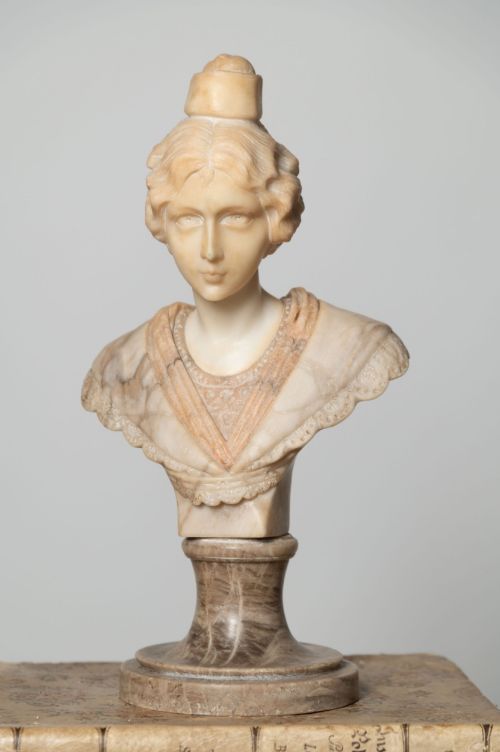
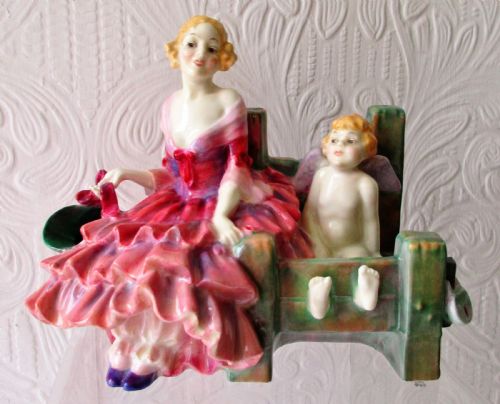
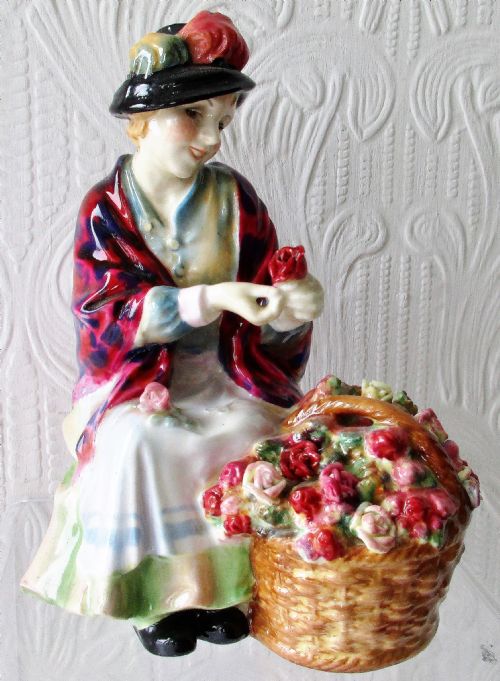
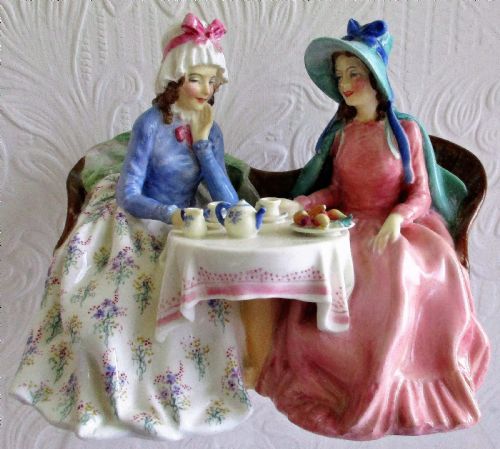
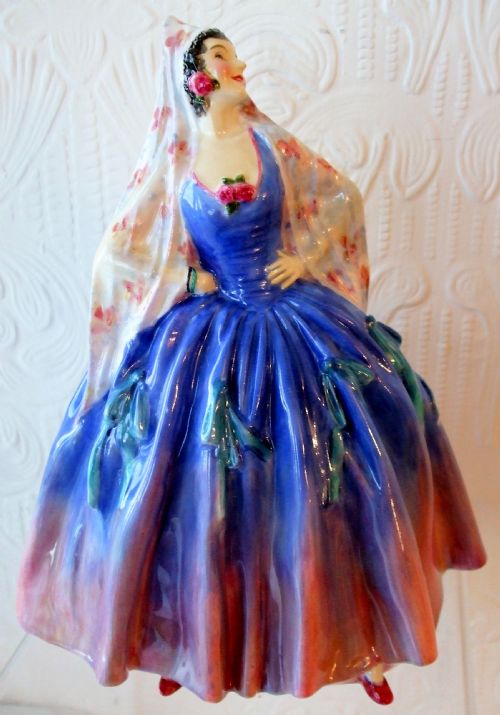
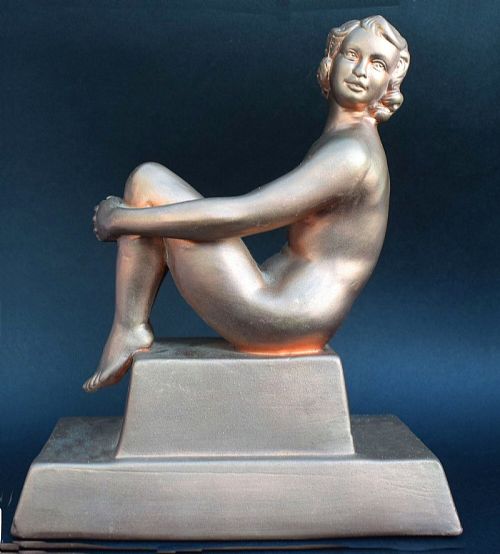
A vintage lady statuette encompasses a diverse array of sculptural forms depicting women across multiple centuries and aesthetic movements. Collectors frequently encounter English porcelain figurines from the early twentieth century alongside continental European figures in bronze, spelter, and terracotta.
The selection spans from eighteenth-century porcelain representations to Art Deco interpretations of the female form. These objects function primarily as decorative ornaments, table lamps, and cabinet pieces, reflecting the prevailing domestic tastes of their respective periods.
How they were made
Ceramic pieces utilise porcelain, bone china, and terracotta, shaped through moulding and hand-finishing before receiving glaze and enamel colours. Manufacturers then fired these works in kilns to set the surface decoration and vitrify the ceramic body.
Metal and stone variants employ cast bronze, spelter, and carved marble or alabaster, sometimes mounted upon complementary stone bases. Artisans polished the stone surfaces and applied patinas to the metal casts to accentuate the sculpted details.
Ladies hold everything from jazz-era hand mirrors to morning jugs, proving that even stoneware needs a proper accessory.
What varies in quality
The refinement of the modelling dictates the visual success of the piece, distinguishing finely rendered facial expressions and drapery from simpler, mass-produced casts. Superior examples display crisp detail in the hair, hands, and clothing folds.
Material selection and surface finishing play significant roles in overall execution. Hand-painted enamel precision on porcelain and the quality of the bronze patina or marble carving separate standard commercial items from finer studio works.
Royal Doulton·Royal Worcester·Josef Lorenzl·Georges Morin·Royal Dux
The Vintage Lady Statuette Glossary
- Spelter
- A zinc alloy commonly utilised as a substitute for bronze in decorative figures, often given a bronze-like patina. It was popular for producing affordable statuary during the Art Deco period.
- Patina
- The surface sheen or coloration developed on metal through age or chemical treatment. It adds depth to the contours of bronze and spelter sculptures.
- Terracotta
- A porous earthenware clay fired at lower temperatures, yielding a characteristic reddish-brown colour. Sculptors frequently used it for portrait busts before finishing the surface.
Vintage Lady Statuette: Frequently Asked Questions
What periods do these statuettes come from?
The pieces span from the eighteenth century through to the mid-twentieth century, encompassing periods such as the Edwardian era and the 1930s.
Art Deco and Art Nouveau styles feature prominently alongside earlier Rococo and Neoclassical revival designs.
How do I identify an Art Deco figure?
Art Deco statuettes typically display stylised geometric forms, streamlined drapery, and dynamic poses characteristic of the 1930s.
Materials such as spelter, chrome, and alabaster bases frequently accompany these modern designs.
Are these figures made of porcelain?
Many examples consist of porcelain or bone china, particularly the English and continental ceramic works.
Other pieces utilise alternative materials including bronze, marble, terracotta, and spelter.
How were these statuettes used originally?
These items served as decorative ornaments displayed on mantelpieces, tables, and within cabinet collections.
Certain forms also doubled as functional objects, such as figural table lamps and mirror holders.