



1930s Metal Figurine
A 1930s metal figurine brings undeniable period character to a desk or mantelpiece through striking Art Deco forms.
1930s Metal Figurine
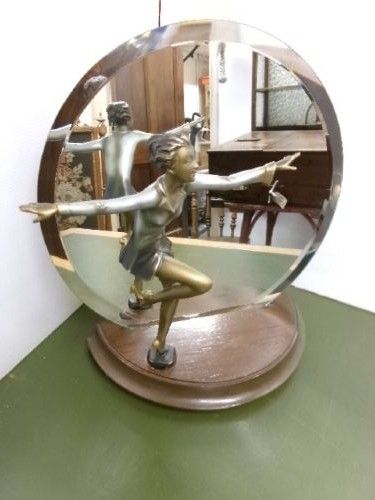
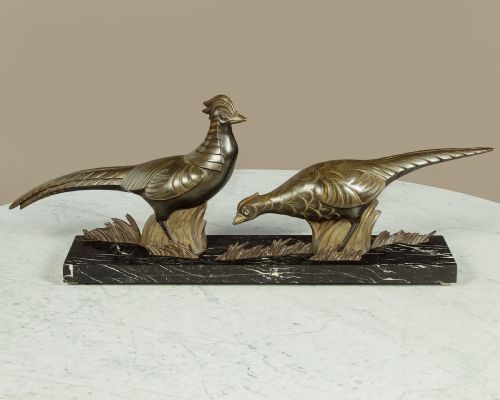
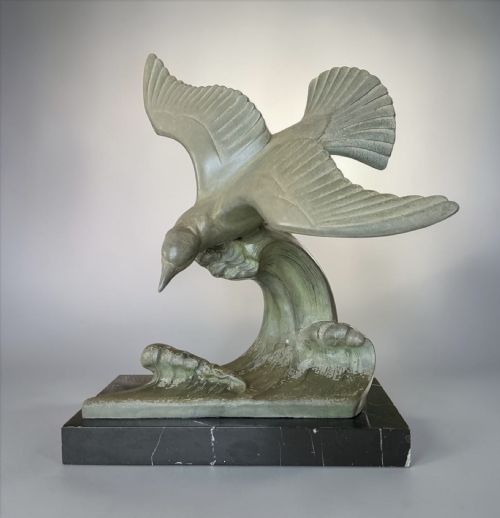
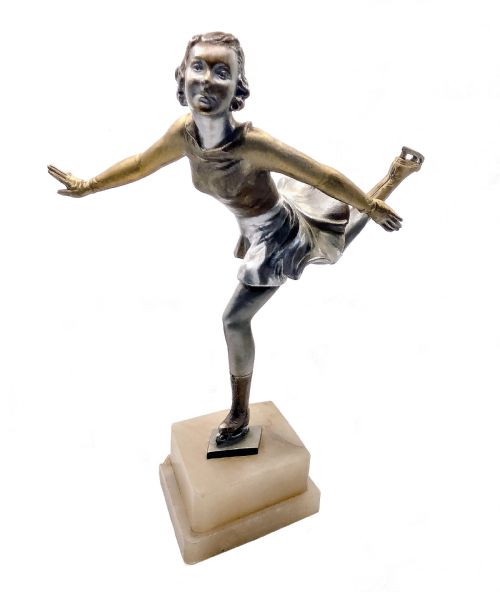
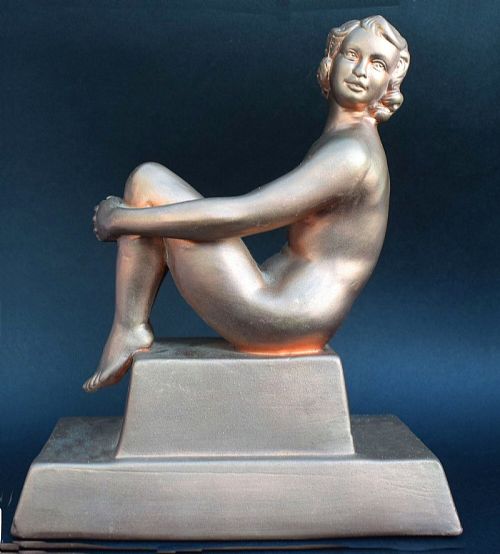
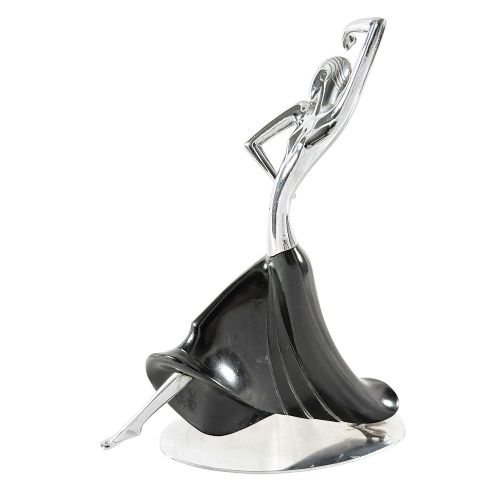
When you search for a 1930s metal figurine, you encounter sculptural works that capture the distinctive energy of the interwar period. These pieces frequently take the form of graceful female dancers, athletic figures, and sleek animals like panthers and pheasants.
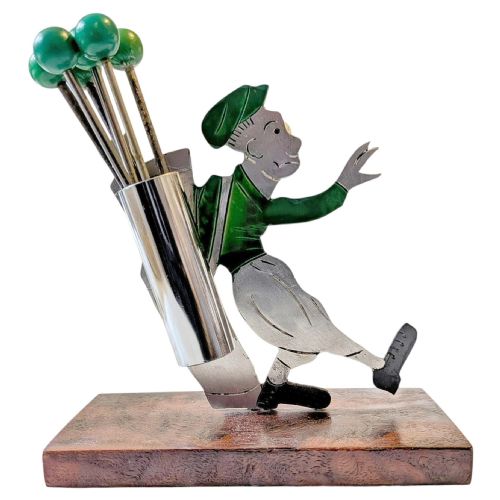
The objects listed here span utilitarian items as well as pure sculpture, including table lamps, desk ornaments, and cocktail stick holders. French workshops produced a significant portion of these works, often mounting figures on contrasting marble or onyx bases.
Dating primarily from the 1920s to the 1940s, the selection relies heavily on the Art Deco style to define its geometric and stylised aesthetic. Collectors find both human subjects, such as golfers and ice skaters, and wildlife rendered with characteristic modernist flair.
Materials and methods
Spelter served as a primary material for many accessible figures, offering a versatile medium that took cold paint, silver plating, or patination effectively. Foundries also utilised bronze, aluminium, and chrome plate to achieve different finishes and weights.
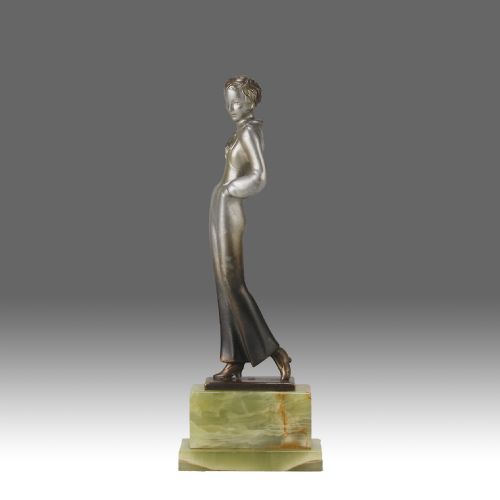
Many standing figures required secure mounting to heavy stone supports like black marble, onyx, or alabaster to maintain stability. Surface decoration often involved hand-painting details onto the metal garments or feathers of birds like golden pheasants.
Materials recorded on this page include spelter, bronze, marble, onyx, aluminium, and cold paint.
Distinguishing quality
The definition in the casting separates standard production pieces from finer examples, particularly where facial expressions and drapery folds remain crisp. Sculptures bearing signatures from known artists or specific foundries command greater interest among collectors.
The choice and condition of the base material also influence the overall character of the piece, with dense marble and onyx adding substantial presence. Original surface treatments, whether cold paint or patinated metal, retain more visual appeal when preserved without heavy intervention.
Sudre·Josef Lorenzl·Hagenauer·Michel Decoux·Geo Maxim
The 1930s Metal Figurine Glossary
- Spelter
- A zinc alloy commonly used as a cost-effective substitute for bronze in decorative figures. It accepts patination and paint finishes readily.
- Patinated metal
- Metal treated with chemical solutions to produce a specific surface colour or aged finish. This process highlights sculptural details.
- Cold paint
- Paint applied to a metal surface without subsequent heat firing. It remains susceptible to flaking over decades of handling.
- Onyx
- A banded variety of chalcedony frequently utilised as a heavy decorative base for figurines and table lamps. Its natural veining varies widely between pieces.
1930s Metal Figurine: Frequently Asked Questions
What materials are these figurines made from?
These decorative objects primarily utilise spelter, bronze, aluminium, and patinated metal. Many examples incorporate glass, wood, or cold paint details to enhance their appearance.
Foundries frequently mounted the metal sculptures onto heavy stone plinths made from black marble, onyx, or alabaster. This combination provided stability and a distinct contrasting aesthetic typical of the period.
How were these figures used originally?
Many pieces served dual purposes in contemporary interiors as functional items rather than pure display sculptures. Common household applications included table lamps, desk accessories, and novelty cocktail stick holders.
Larger items functioned as striking centrepieces on sideboards or mantelpieces. Specific variants even doubled as table lighters or car mascots.
How do I identify Art Deco style?
Art Deco design relies on stylised geometries, streamlined silhouettes, and dynamic representations of movement. Human figures often display elongated limbs and athletic poses.
Animal subjects, particularly panthers and birds, feature simplified, muscular forms that emphasise speed and modern elegance. This visual language dominated European design during the interwar decades.
Are signatures important on these pieces?
Signatures or foundry marks on the base or body help identify the original creator or workshop. Recognised names add significant context to a piece's origin.
Unsigned figures remain common, however, as many commercial castings left the factory without explicit artist attribution. Quality of execution often matters more than a signature for general display.