





Spelter Lady Sculpture
These spelter lady sculpture pieces bring tactile French figures from the Art Deco and Art Nouveau periods straight into your room.
Spelter Lady Sculpture
When you search for a spelter lady sculpture, you encounter figural works depicting female models in distinct historical styles. The pieces on this page span from the late nineteenth century into the twentieth century.
You are most likely to meet Art Deco examples from the nineteen-thirties alongside earlier Art Nouveau models. These take the form of standalone statues, figural groups, and table lamps.
Many designs incorporate integrated bases made of marble, onyx, or alabaster to support the metal figures. Others integrate functional elements such as frosted glass or glass shades for lighting.
Materials and construction methods
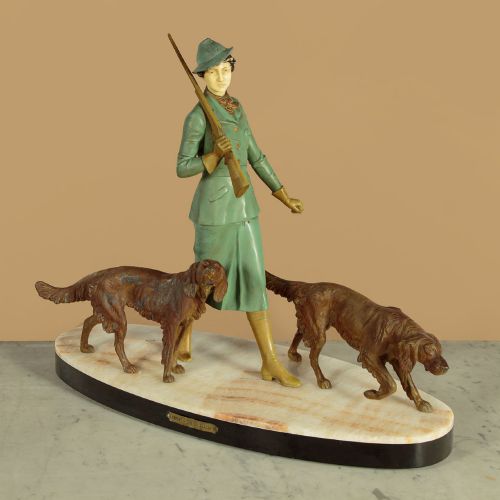
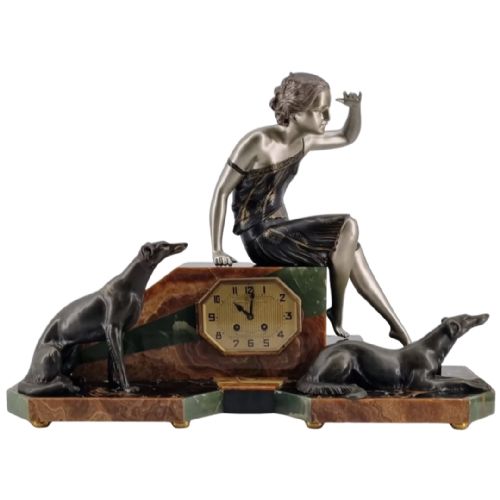
These sculptures use spelter as the primary metal, often finished with a patinated surface to simulate bronze. Makers frequently combined this cast metal with contrasting decorative materials like ivorine and carved stone bases.
The fabrication relies on metal casting techniques typical of French workshops during the periods represented. Elements like glass lamp components and wooden additions complete the mixed-media construction of these figural works.
Spelter Lady Sculpture Retail Price Guide 2026
Typical asking prices for spelter lady sculpture among the pieces listed under this phrase on Sellingantiques today, from the lower quarter to the upper quarter. They describe what is for sale here now, not the wider market.
Materials documented across the inventory include spelter, marble, onyx, patinated metal, alabaster, glass, wood, and frosted glass.
Factors that separate different examples
The choice and execution of the base material distinguish different tiers of production. Heavy carved marble, onyx, or alabaster plinths indicate higher ambition than simpler wooden or basic mounts.
Geo Maxim·H. Bal·Cipriani
The Spelter Lady Sculpture Glossary
- Spelter
- A zinc alloy used as a cost-effective alternative to bronze for decorative statuary. It takes patination well to mimic richer metals.
- Art Deco
- A design style dominant in the nineteen-twenties and nineteen-thirties characterised by streamlined geometry and stylised human forms.
- Art Nouveau
- An earlier decorative movement focused on organic, flowing lines inspired by natural forms which appears in the eighteen-eighties pieces here.
- Patinated Metal
- Metal treated with chemicals or paint to achieve an aged surface colour. This finish gives spelter the appearance of bronze or other materials.
Spelter Lady Sculpture: Frequently Asked Questions
What periods do these sculptures come from?
The pieces span from the late nineteenth century through to the nineteen-thirties. This includes items from the eighteen-eighties as well as numerous works from nineteen-twenty and nineteen-thirty.
Art Nouveau and Art Deco represent the primary aesthetic movements seen across these dates. French origins predominate among the makers and workshops recorded.
How were these figures displayed originally?
Many stand as independent sculptural ornaments designed for tabletop or cabinet display. Others serve a dual purpose as functional lighting, functioning specifically as table lamps.
Heavier plinths made of marble, onyx, or alabaster provide stability for the metal figures. This construction allows them to sit securely on flat surfaces without additional support.
What materials make up these sculptures?
Spelter forms the main body of the metal figures, frequently finished with a patinated surface. Ivorine often appears alongside the metal in figurative details.
Bases utilise carved stone such as marble, onyx, and alabaster. Some lamp variations incorporate glass or frosted glass components.
How do Art Deco and Art Nouveau differ?
Art Nouveau examples date to the earlier period around eighteen-eighty and focus on flowing, organic lines. They capture naturalistic female forms typical of that movement.
Art Deco pieces from the nineteen-twenties and nineteen-thirties adopt more stylised and geometric treatments. These often feature figures paired with animals like greyhounds or swans.