




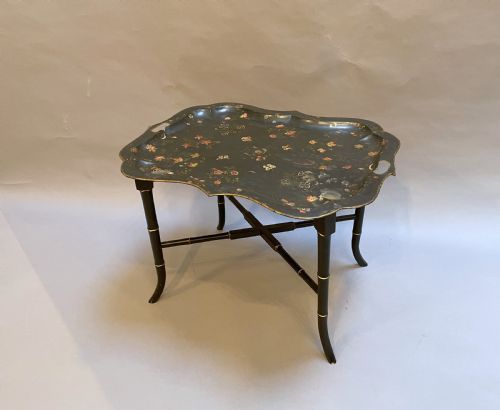
Vintage Lacquer Tray
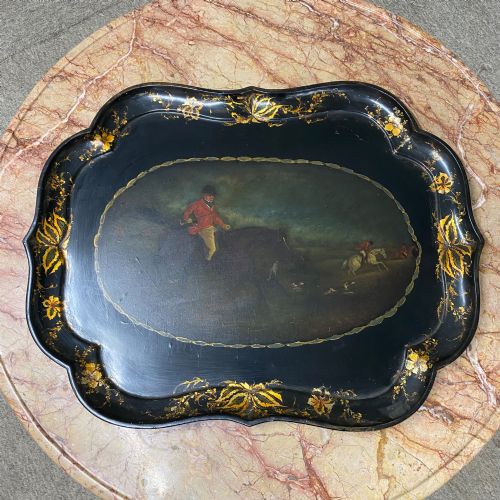
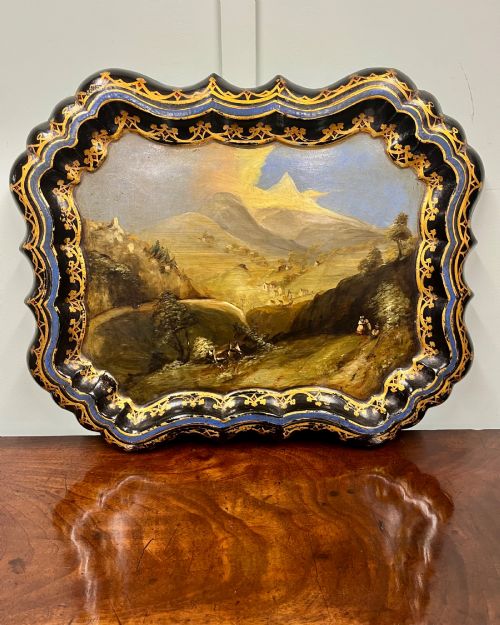
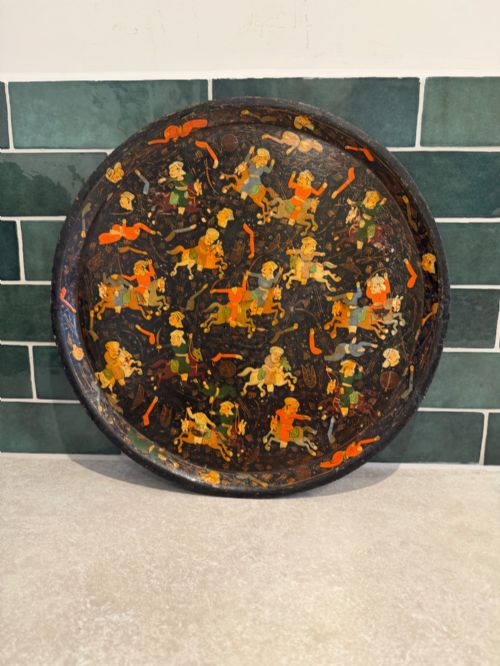
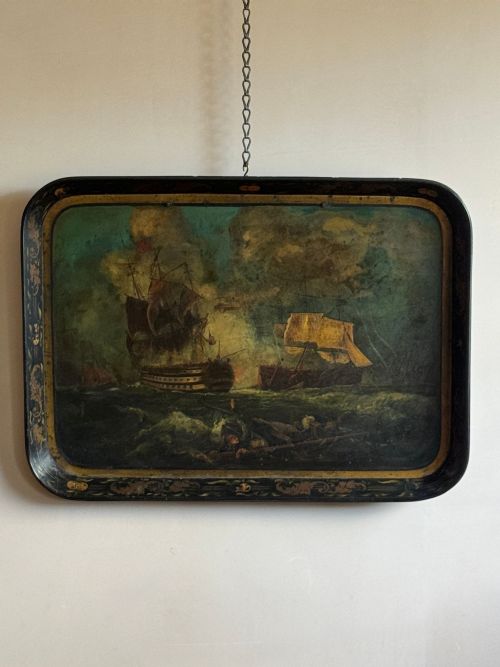
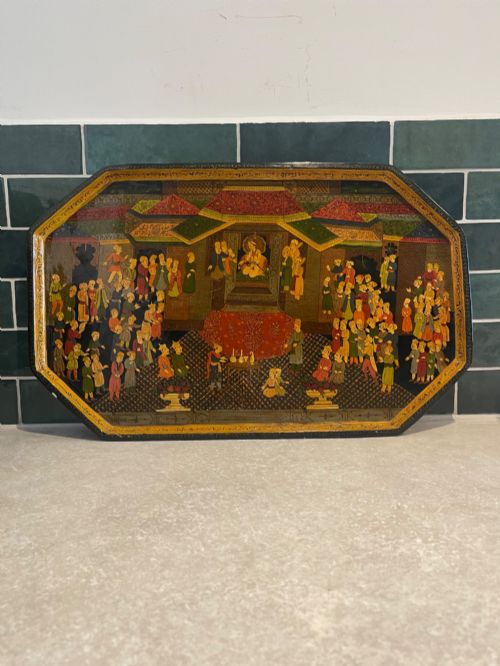
These vintage lacquer trays combine utility and decoration, originating from English, French, Japanese, and Kashmiri workshops across the Georgian, Regency, and Victorian periods.
Vintage Lacquer Tray
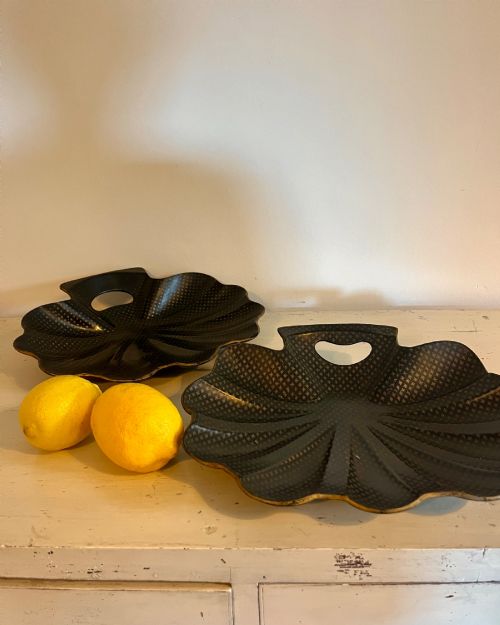
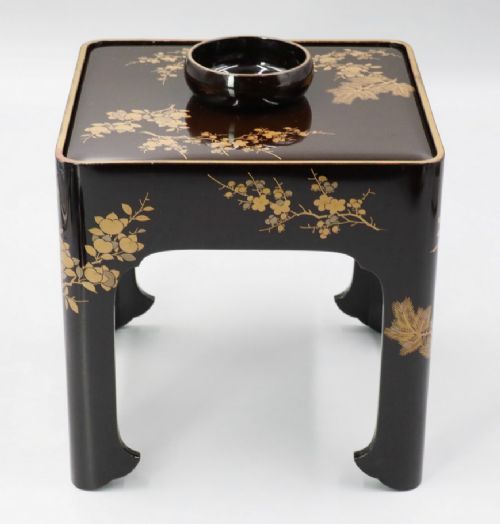
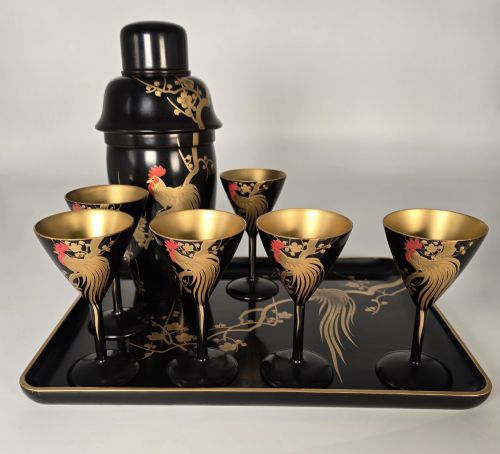
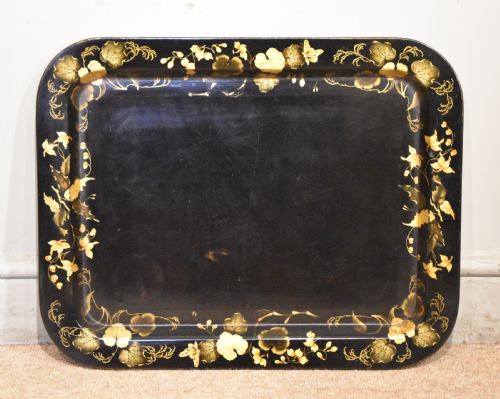
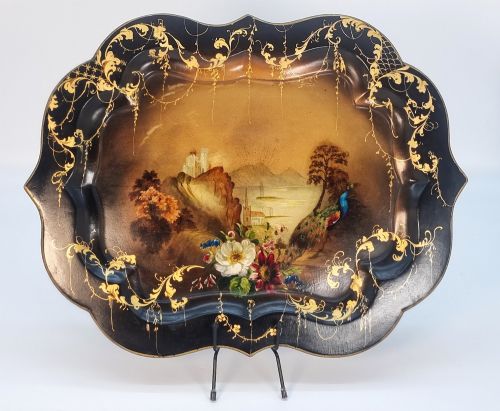
When you search for a vintage lacquer tray, you encounter a diverse range of serving pieces, desk accessories, and occasional tables spanning the 19th and early 20th centuries. The selection includes large Regency and Victorian papier-mâché examples alongside Japanese Meiji lacquerware, Kashmiri hand-painted pieces, and Swedish Chinoiserie designs.
Most items you meet on this page take the form of serving trays, coffee tables, or card baskets shaped in rectangular, oval, or kidney formats. Makers utilised traditional materials to create decorative items that functioned equally well for hospitality or display in period interiors.
Materials and methods
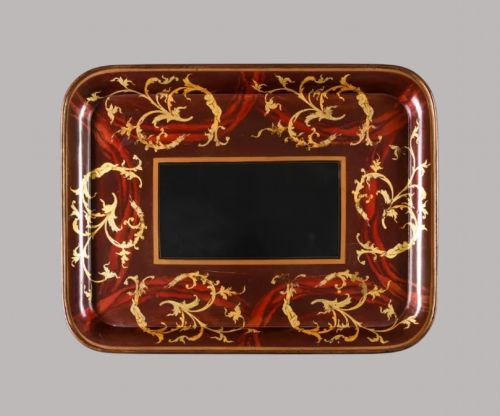
Artisans built these pieces using papier-mâché, wood, and metal tooleware as foundational bases. These surfaces received coats of lacquer or paint, often finished with black ebonisation or rich scarlet hues.
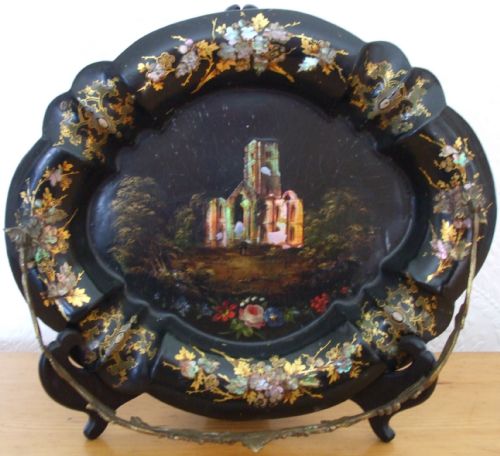
Decoration relied heavily on gold leaf, gilding, and hand-painted details. Many specimens incorporated mother of pearl inlay and Chinoiserie motifs applied by Japanese, English, and Kashmiri craftsmen.
Vintage Lacquer Tray Retail Price Guide 2026
Typical asking prices for vintage lacquer tray among the pieces listed under this phrase on Sellingantiques today, from the lower quarter to the upper quarter. They describe what is for sale here now, not the wider market.
Several pieces double as game boards, letting you lose your fortune on the same surface your ancestors used for tea.
Judging quality
Quality rests in the preservation of the original hand-painted decoration and the integrity of the gilded borders. Pieces retaining their unblemished surface detail and original colouring stand apart from those with heavy overpainting or worn lacquer.
The sophistication of the pictorial scenes and the precision of mother of pearl inlay dictate the distinction between standard utilitarian wares and high-status decorative objects.
The Vintage Lacquer Tray Glossary
- Papier-mâché
- A composite material made from paper pulp or layers of paper bound with glue, pressed and dried to form a rigid base for lacquer. This technique allowed makers to mould lightweight yet durable trays and desk accessories.
- Toleware
- Metalware, typically iron or tin, painted and lacquered in imitation of Asian lacquerwork. English workshops produced numerous oval and rectangular trays using this method during the 19th century.
- Japanned
- European lacquerwork designed to emulate Japanese export goods through the application of dark resin finishes and metallic decoration. It appears frequently on Georgian and Regency papier-mâché pieces.
- Mother of pearl
- The iridescent inner layer of certain mollusc shells, used as inlaid decoration on lacquer surfaces. Craftsmen cut thin pieces to form floral or geometric highlights.
Vintage Lacquer Tray: Frequently Asked Questions
How do I clean a vintage lacquer tray?
Dust the surface gently with a soft, dry cloth to remove loose particles. Avoid using water, alcohol, or chemical solvents, as these substances damage the historic lacquer and gilded finishes.
For stubborn marks, consult a professional conservator rather than attempting aggressive home cleaning. Preservation of the original painted layer remains paramount.
Can I use these trays for serving food?
Most of these historic pieces serve primarily as decorative objects, desk accessories, or tabletop displays rather than modern kitchenware. Direct contact with moisture and heat can harm the delicate papier-mâché or painted surfaces.
If utilised for hospitality, place dry items upon them or line the base with a protective cloth. Guard the antique finish from spills and heavy wear.
What is the difference between papier-mâché and toleware?
Papier-mâché relies on compressed paper pulp or layered paper treated with size and varnish to create a sturdy, lightweight tray body. It offers a smooth surface suited to detailed hand painting and mother of pearl inlay.
Toleware consists of painted and lacquered sheet metal, providing a heavier and more rigid structure. Both materials accommodated the popular decorative tastes of the 19th century.
How can I date a lacquer tray?
Dating relies on examining the substrate materials, the style of the hand-painted decoration, and the framing of the piece. Regency and Georgian examples often feature deep japanned surfaces with restrained gilding, while Victorian iterations frequently incorporate vibrant floral motifs and mother of pearl.
Later 20th-century items from the Meiji or Edwardian periods display distinct stylistic markers associated with Japanese craftsmanship or early British coffee table adaptations.