

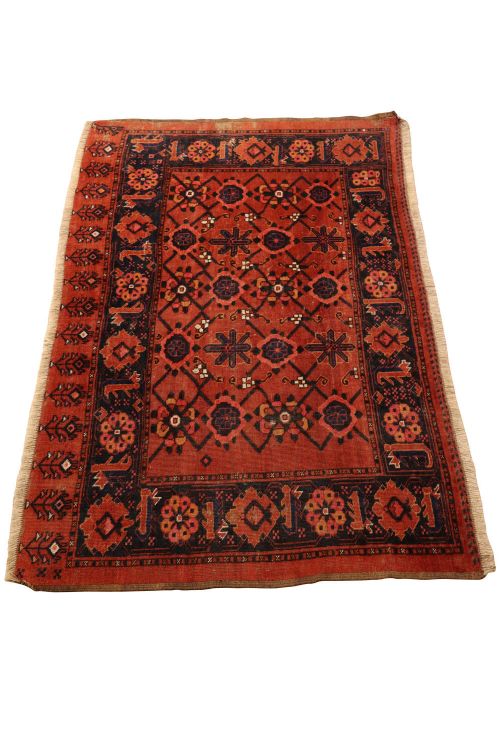


Vintage Kurdish Carpet
A vintage kurdish carpet brings heavy geometric strength and rich natural dyes into a room, offering durability and genuine tribal artistry.
Vintage Kurdish Carpet
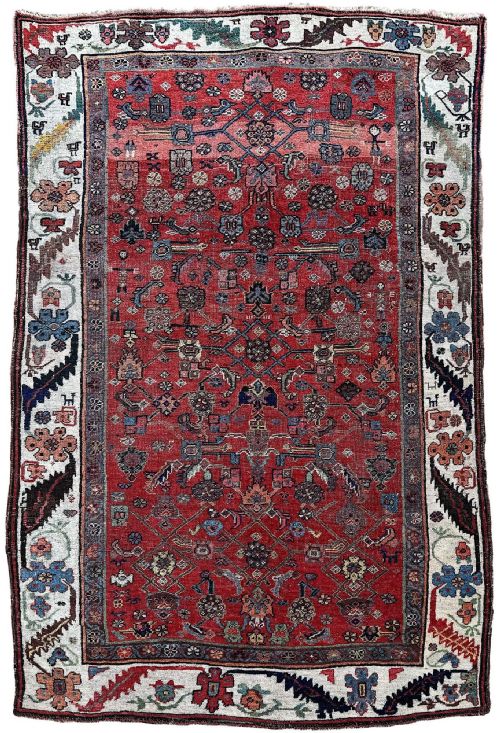
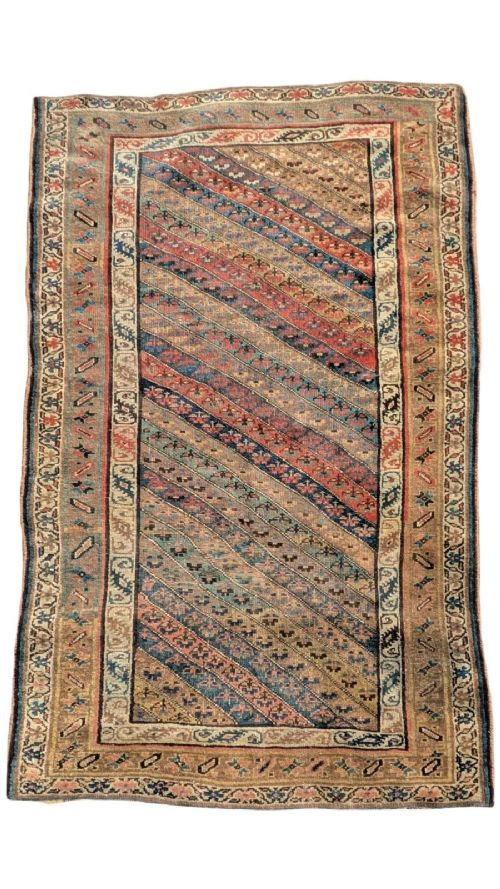
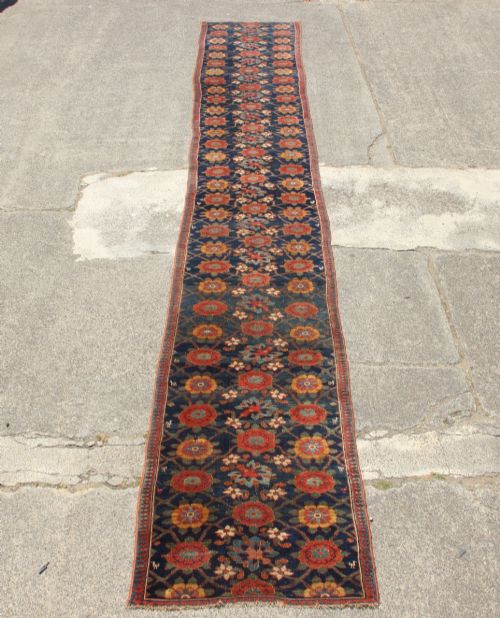
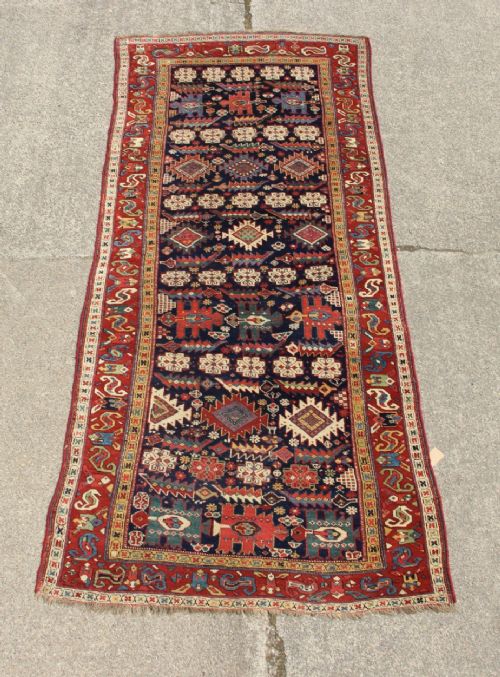
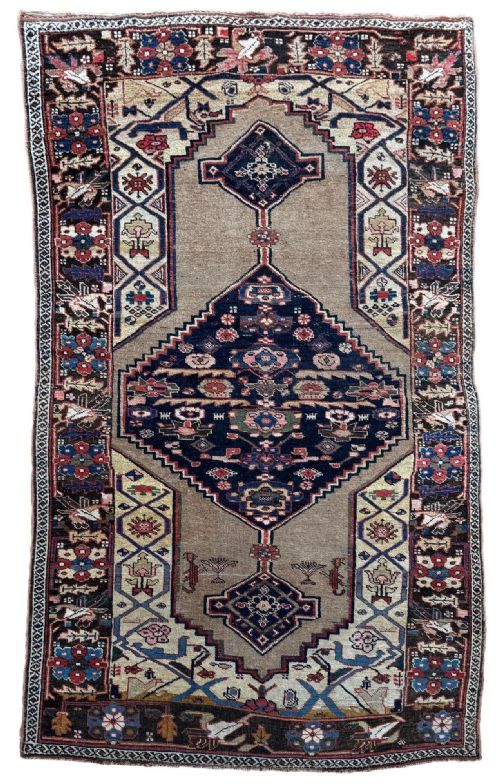
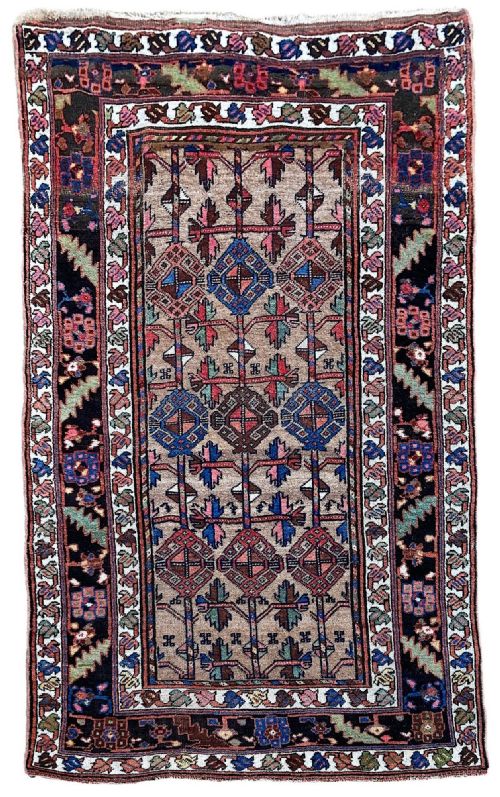
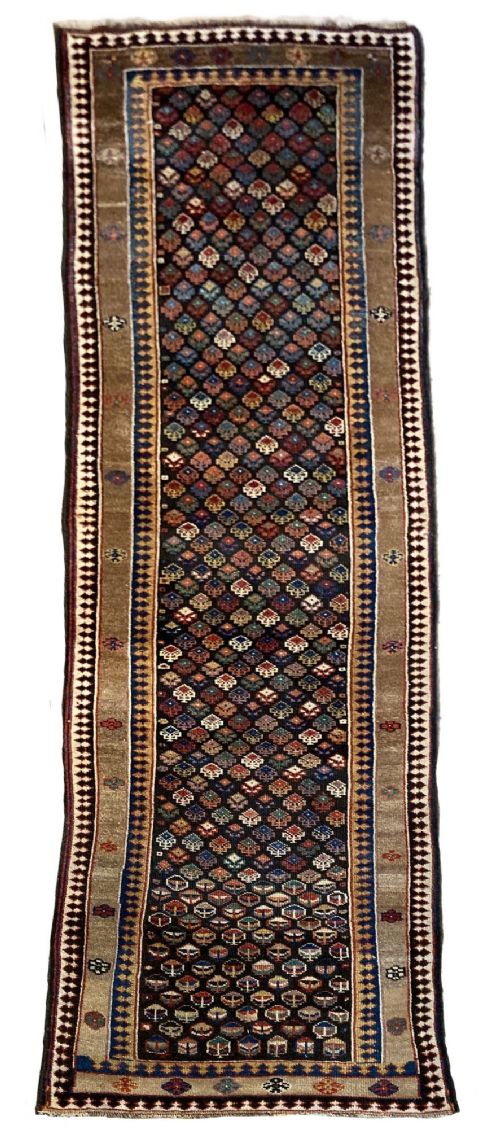
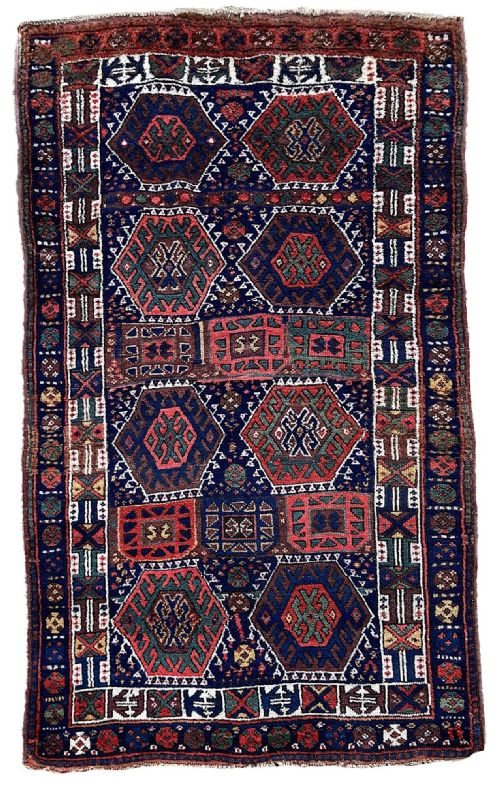
A vintage kurdish carpet is a hand-knotted tribal textile originating from weavers across Persian, Caucasian, and Anatolian regions. When you search for this phrase, you encounter authentic pieces fashioned in formats ranging from smaller area rugs to exceptionally long hallway runners and substantial kelleh carpets.
The selections on this page span the late nineteenth century through to the early decades of the twentieth century. These furnishings reflect traditional regional styles, including Kurdish Tribal, Persian Bidjar, and Caucasian Tribal motifs passed down through generations.
How They Were Made
These carpets are constructed using hand-spun wool for the pile, often set against cotton foundations or sturdy all-wool foundations. The yarn is worked by hand to create dense, resilient floor coverings built to withstand heavy daily use.
Weavers utilised natural dyes to colour the wool, producing deep tones that age gracefully over decades. This traditional method of dyeing ensures the colours retain a harmonious subtlety as they mature.
Vintage Kurdish Carpet Retail Price Guide 2026
Typical asking prices for vintage kurdish carpet among the pieces listed under this phrase on Sellingantiques today, from the lower quarter to the upper quarter. They describe what is for sale here now, not the wider market.
Listings span the nineteenth and early twentieth centuries, featuring wool, cotton, and hand-spun wool structures.
What Varies in Quality
Quality in these textiles depends heavily on the tightness of the knotting and the precision of the tribal geometry. Tighter structures yield sharper pattern definition and greater longevity underfoot.
The brilliance and variety of the natural dyes also dictate the tier of a piece. Subtle shifts in shade and the complexity of motifs such as the Mina Khani or Memlinc guls separate standard village work from finer tribal expressions.
The Vintage Kurdish Carpet Glossary
- Kelleh
- A large format rug, typically longer than a standard room size but narrower than a full carpet. These pieces were often used in specific areas of traditional Persian houses.
- Gul
- A medallion or repeating octagonal motif commonly found in tribal weaving. The term originates from the Persian word for flower or rose.
- Runner
- A long, narrow carpet format designed specifically for hallways and corridors. They handle high foot traffic while defining transitional spaces.
- Mina Khani
- An all-over repeating pattern composed of daisy-like flowers linked by curved vines. This classic design requires careful planning during the knotting process.
Vintage Kurdish Carpet: Frequently Asked Questions
Where were these carpets made?
These carpets were woven by Kurdish tribes inhabiting regions across Persia, the Caucasus, and Anatolia. Each weaving group brought distinct regional motifs to their work.
Production often centred around historic towns and nomadic encampments, resulting in varied stylistic influences within the same general tradition.
How do I care for a wool rug?
Vacuum the rug regularly with a standard suction attachment, avoiding rotating bristle brushes that can pull at the wool fibres. Rotate the piece periodically to ensure even wear from foot traffic.
Professional cleaning is recommended when deep washing becomes necessary. Keep the carpet out of harsh, direct sunlight to protect the natural dyes.
Are these runners durable?
These runners are constructed from sturdy hand-spun wool knotted densely onto strong foundations. They were built for practical use in high-traffic areas such as hallways.
With sensible care and an appropriate underlay, they withstand daily walking while maintaining their structural integrity for decades.
How are different tribal styles identified?
Tribal styles are distinguished by their specific geometric vocabulary, border arrangements, and structural density. Elements like Memlinc guls or shrub designs point toward particular regional weaving traditions.
Examining the materials in the foundation and the character of the hand-spun wool helps pinpoint the likely origin of the piece.