



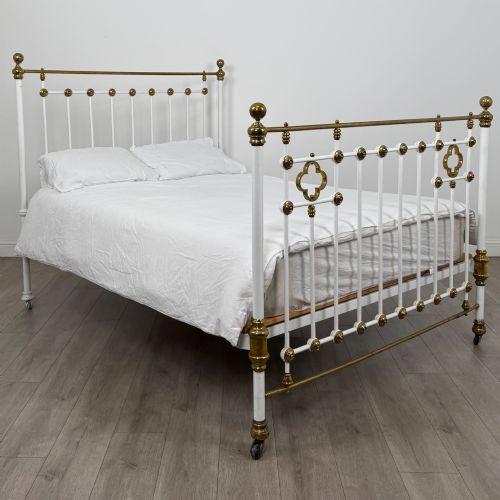
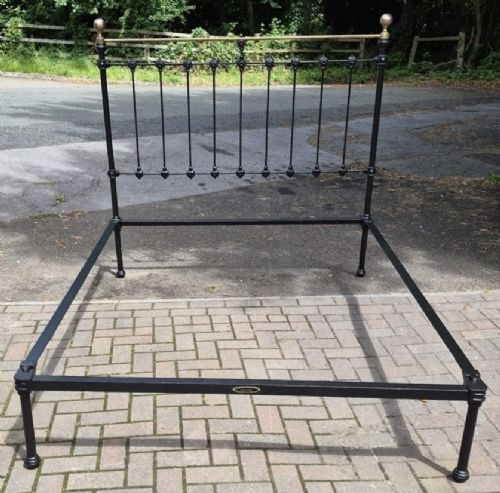
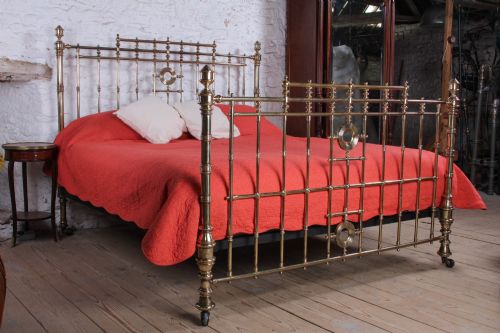
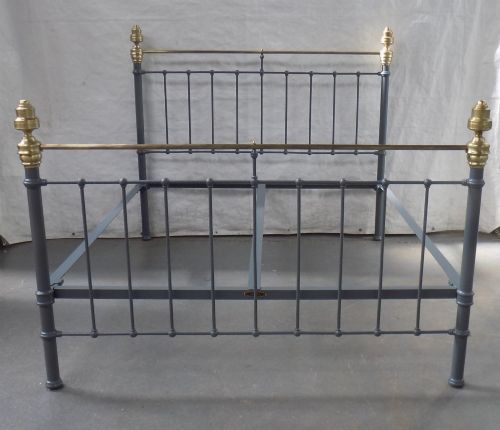
Vintage King Size Bedstead
A vintage king size bedstead provides substantial sleeping space with period character, combining robust metal or timber frames with nineteenth-century craftsmanship.
Vintage King Size Bedstead
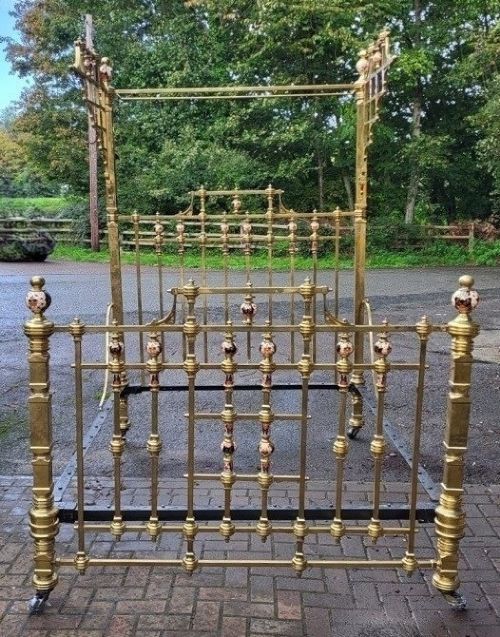
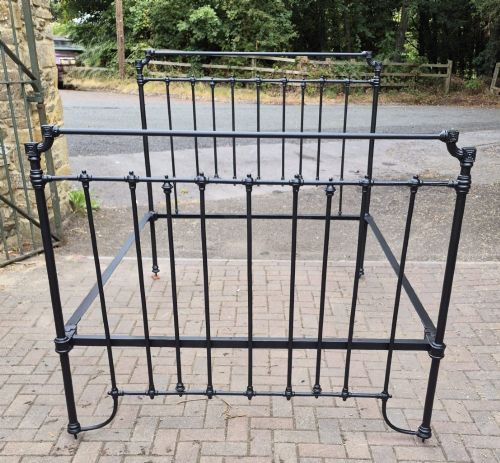
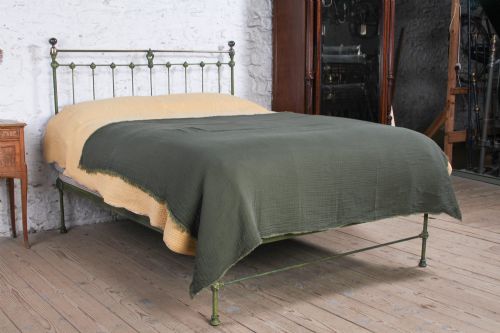
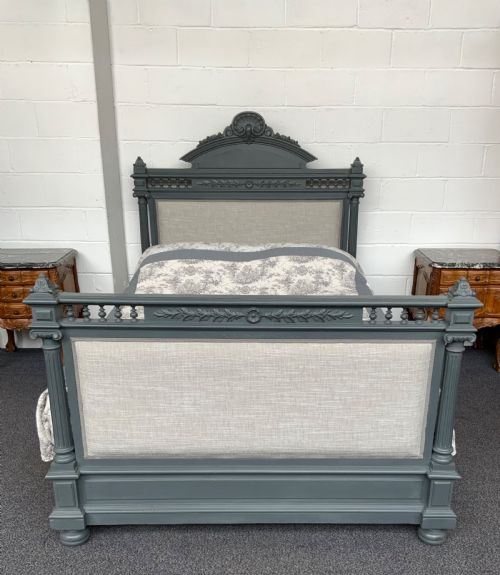
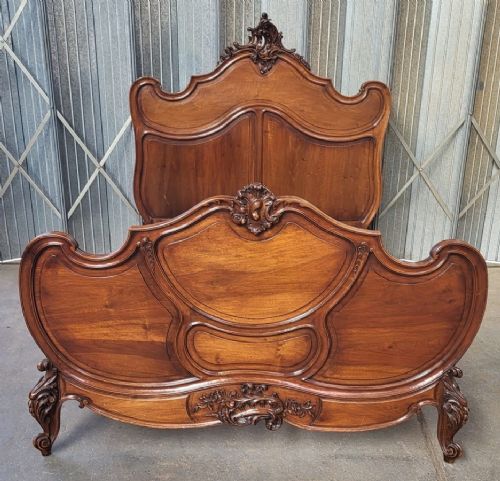
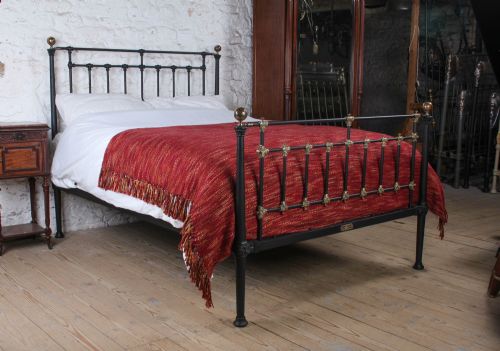
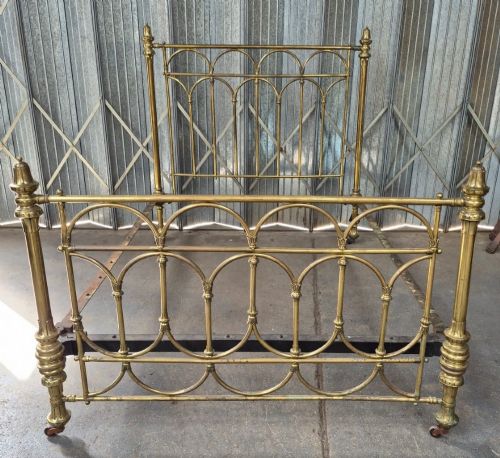
When searching for a vintage king size bedstead, buyers encounter substantial sleeping frames dating from the Victorian and Edwardian eras alongside continental European designs. These pieces range from robust all-iron constructions to polished brass frames and carved walnut or mahogany bedheads.
The selection spans simple straight rail designs, low-end frames, and ornate half-tester structures built to accommodate modern larger mattresses while retaining historical proportions.
English Victorian and Edwardian examples sit alongside French chateau styles and Irish no-end frames, offering distinct visual weight depending on whether the metalwork is painted or polished.
Materials and construction
Construction relies heavily on cast iron, wrought iron, and heavy-gauge brass, often joined with sturdy dovetail or wedge-lock joints designed for disassembly. Metal components feature applied decorative castings, brass spinnings, and hand-finished patination.
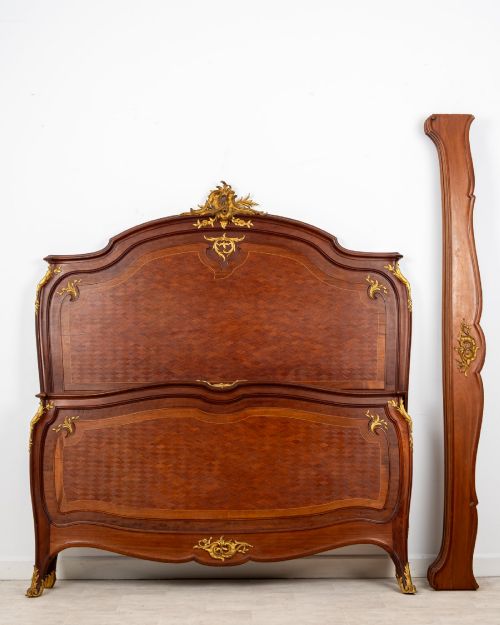
Timber versions utilise solid walnut, mahogany, maple, and kingwood, incorporating carved panels, parquetry veneers, and cast or gilt ormolu mounts in Louis styles.
Makers such as Winfield utilised specialised tapered iron posts and robust brass tubing, ensuring structural rigidity that outlasts modern manufacturing.
Listings feature Victorian and Edwardian periods alongside French styles including Louis XV and Louis XVI.
Markers of quality
Quality reveals itself in the crispness of the iron and brass castings, where finer examples display sharp relief and meticulous finishing rather than soft edges and visible seams. The weight and gauge of the metal tubing determine the overall solidity and rigidity of the standing frame.
In timber pieces, the depth and precision of hand-carving, the selection of figured veneers like kingwood, and the quality of ormolu mounts separate standard production from exhibition pieces.
Originality of components, including matching side rails and authentic manufacturer stampings, dictates the integrity of the piece.
Maple & Co·RW Winfield·James Shoolbread & Co
The Vintage King Size Bedstead Glossary
- Half tester
- A canopy bed frame where the tester projects only partway over the head of the bed rather than spanning the full length. This style creates a focal point above the pillow area.
- Dip-rail
- A headboard or footboard rail that curves downward in the centre. This shaping softens the linear geometry of metal bed frames.
- Ormolu
- Gilt bronze mounts applied to wooden furniture. These decorative elements are typical of French revival styles.
- Parquetry
- Geometric wood veneer patterns arranged in repetitive motifs. It appears on the panels of high-end continental bedsteads.
- No end
- A bed frame configuration featuring a tall headboard but no corresponding high footboard. This design accommodates longer sleepers and eases bed-making.
Vintage King Size Bedstead: Frequently Asked Questions
Will a vintage king size bed take a modern mattress?
Most pieces accommodate standard modern mattress dimensions, though older frames may require custom slat positioning or minor internal adjustments to ensure a snug fit.
Checking the internal width and length measurements before purchase prevents compatibility issues with contemporary bases.
How do I assemble an antique metal bedstead?
These frames typically use a wedge-lock or tapered dovetail system where the side rails drop directly into slots on the headboard and footboard posts. Gravity and the weight of the mattress lock the joints firmly into place without requiring modern fasteners.
Applying a small amount of lubricant to the joints during initial setup eases the process and prevents metal friction.
Are iron and brass beds heavy?
Solid cast iron and heavy-gauge brass components contribute to significant overall weight, making these frames exceptionally sturdy but requiring two people for safe transport and assembly.
The substantial weight is a primary indicator of period quality and prevents the squeaking common in lighter modern frames.
How do I maintain polished brass?
Regular dusting with a soft cloth maintains the surface finish, while occasional treatment with a non-abrasive metal polish preserves the lustre without stripping historical patination.
Avoiding harsh chemical cleaners protects any protective lacquer applied during past restoration work.