




Vintage Kazak Carpet
These heavy-piled floor coverings bring geometric wool patterns from the Caucasus straight into modern interiors.
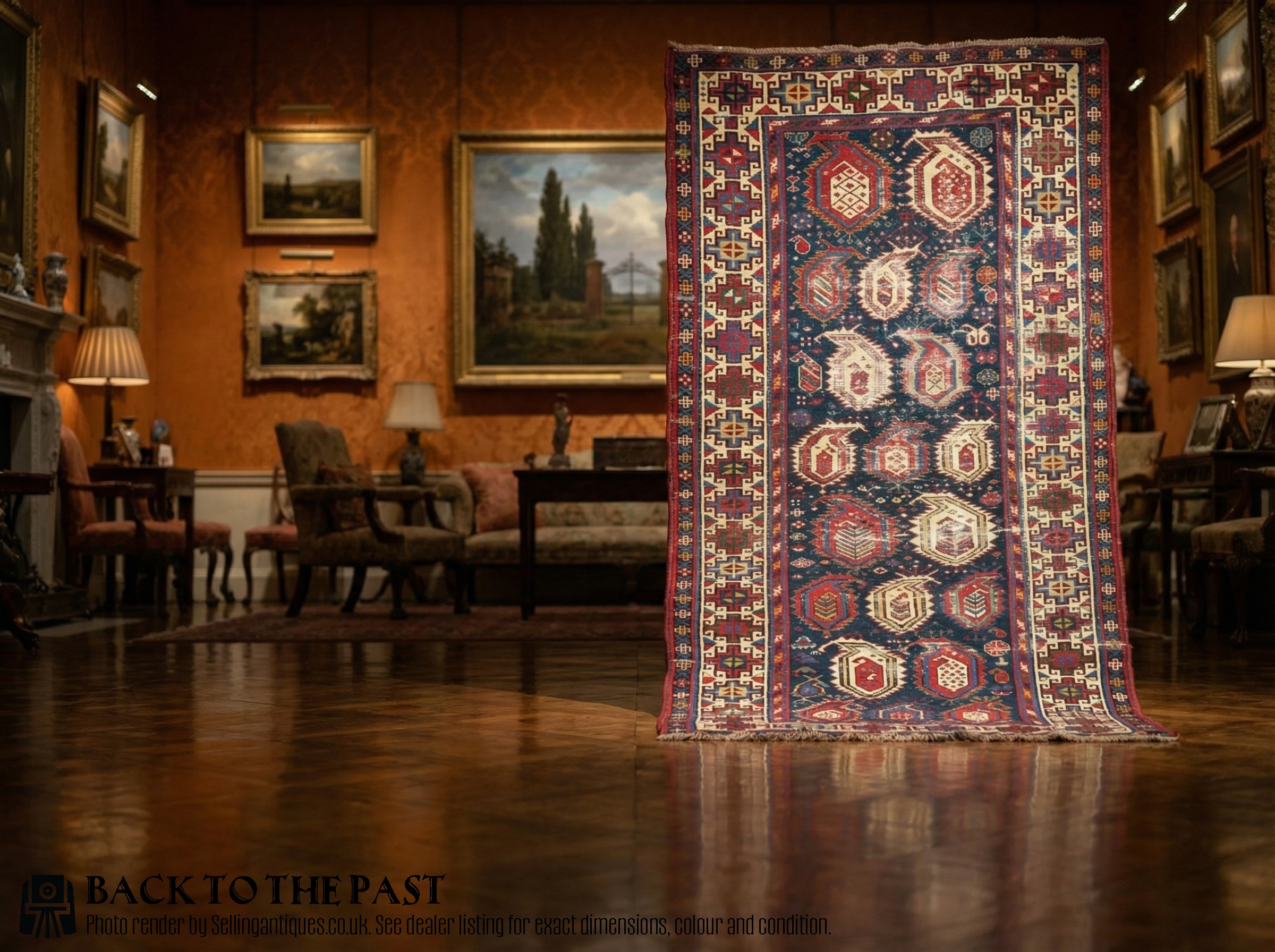
Vintage Kazak Carpet
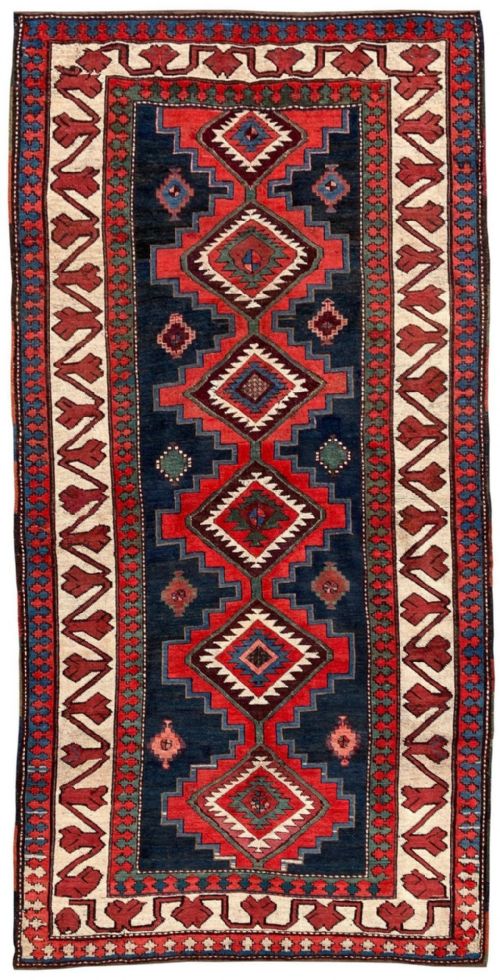
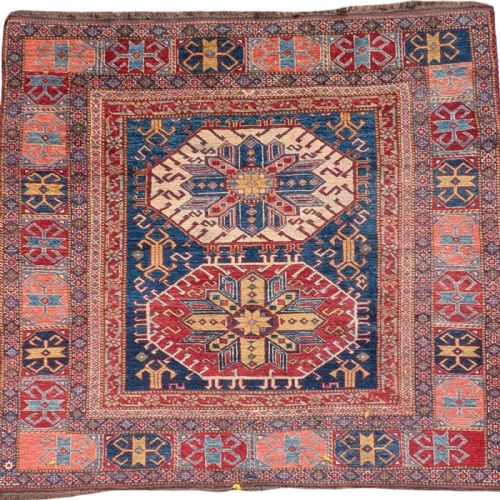
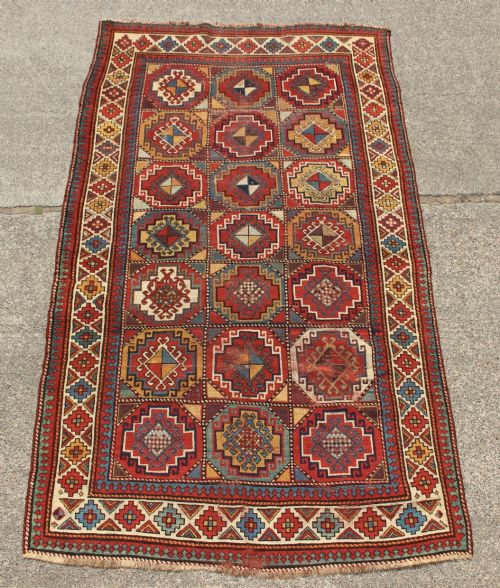
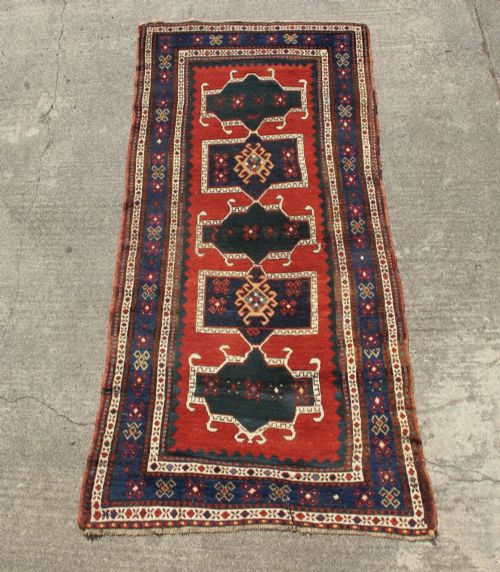
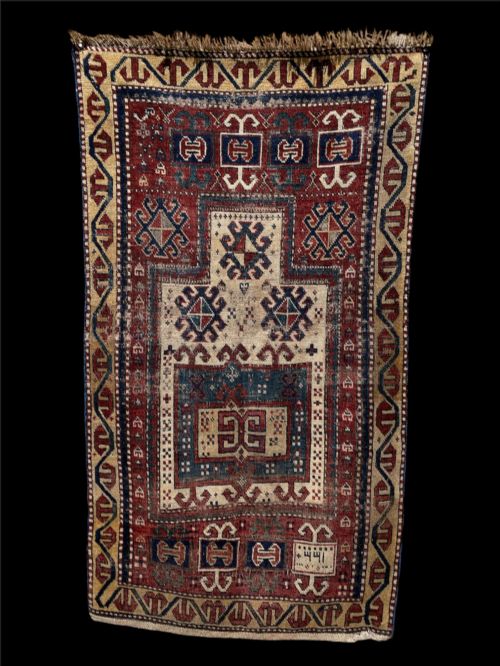
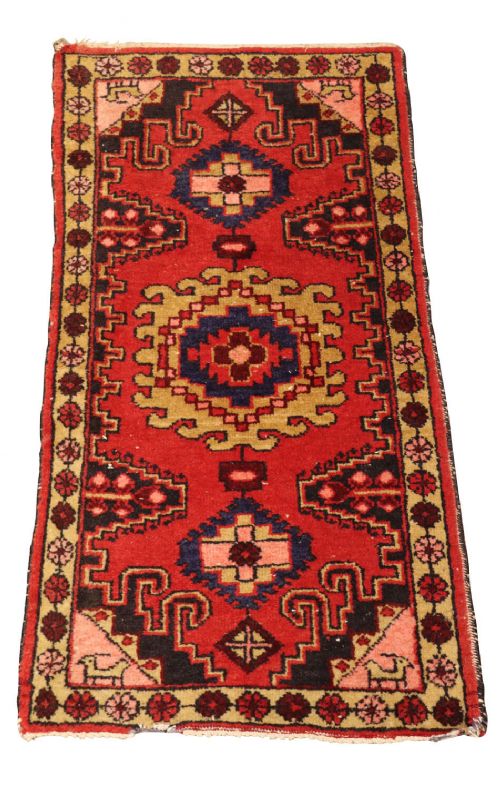
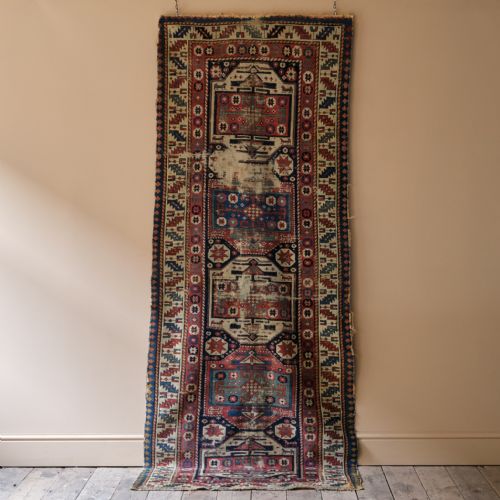
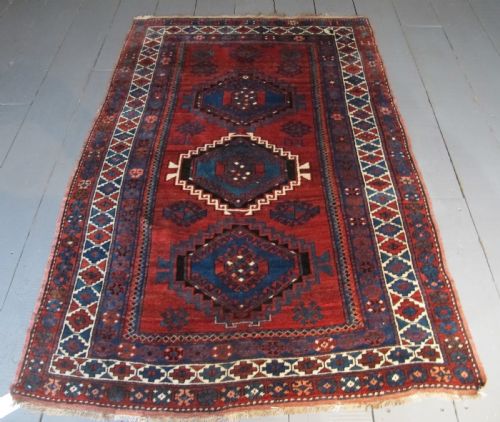
A vintage kazak carpet belongs to a tradition of tribal hand-knotted floor coverings originating in the Caucasus during the nineteenth and early twentieth centuries. These pieces display distinct regional designs featuring bold geometric medallions, animal motifs, and tribal patterns.
Most examples found here date from the late nineteenth century through to the 1930s, spanning various formats including standard rugs, long runners, and square prayer formats. The work reflects specific regional styles such as Fachralo, Borchalu, Moghan, and Lori Pambak.
Buyers encounter traditional Caucasian tribal weaving characterised by robust construction and spirited folk art aesthetics. Pieces vary from compact scatter sizes to unusual proportions and long runner formats.
Materials and construction
Weavers constructed these textiles entirely from wool and hand-spun wool, often utilising cotton for foundations or structural elements. The hand-knotted technique creates a dense, durable pile designed for heavy use.
Natural materials and traditional dye methods produced the varied colour palettes seen across these regional carpets. Artisans tied each knot by hand, resulting in the characteristic weight and structural integrity of Caucasian weaving.
Several examples embrace delightfully crooked lines and whimsical animal motifs woven straight from the weaver's imagination.
Assessing quality in these rugs
Quality rests in the precision of the knotting, the handling of wool materials, and the crispness of the geometric design. Tightly packed piles and well-balanced proportions separate finer artistic achievements from simpler utility pieces.
The integrity of the foundation and the preservation of the original borders influence the standing of an individual carpet. Hand-spun wool texture and depth of colour integration dictate the visual impact of the piece.
The Vintage Kazak Carpet Glossary
- Kazak
- A term applied to rugs woven in the Caucasus region, known for bold geometric designs and rich wool piles. These pieces draw on distinct tribal traditions.
- Hand-Knotted
- A construction method where individual strands of wool are tied by hand to warp threads on a loom. This process creates a durable and dense pile.
- Prayer Rug
- A smaller format rug featuring a mihrab or niche design historically used for personal devotion. Collectors value them for their focused iconography.
- Runner
- A long, narrow carpet format designed for hallways or corridors. These pieces adapt the bold motifs of larger floor coverings to constrained spaces.
- Medallion
- A central decorative motif placed in the field of the rug. In Caucasian weaving, these typically take geometric or hooked forms.
Vintage Kazak Carpet: Frequently Asked Questions
Where were these carpets originally made?
These rugs originate from the Caucasus region, spanning diverse local communities and weaving traditions.
Specific valleys and districts produced distinct patterns like Fachralo or Borchalu, shaped by local tribal aesthetics.
How do I care for a wool rug?
Regular gentle vacuuming without a beater bar keeps the wool pile clean and free from dust. Professional cleaning suited for antique textiles preserves the fibres.
Keeping the carpet out of harsh direct sunlight prevents fading of the wool dyes over time.
How are different regional types told apart?
Distinctions rely on the specific arrangement of medallions, palette choices, and border motifs. For instance, specific villages favoured hooked central medallions or particular animal motifs.
Examining the structural details and wool types helps assign pieces to regional groups like Gendje or Moghan.